Bird Wire: Tension Wire Systems That Stop Birds from Landing
Contents[hide]
- 1. What Is Bird Wire and How Does It Work?
- 2. Where Bird Wire Works Best
- 3. Stainless Steel: The Right Material for Bird Wire
- 4. Low Profile and Discreet: Why Architects Specify Bird Wire
- 5. What Pest Birds Does Bird Wire Stop?
- 6. Bird Wire vs. Bird Spikes
- 7. How to Install a Bird Wire System
- 8. Where Bird Wire Won’t Work
- 9. What Does Bird Wire Cost?
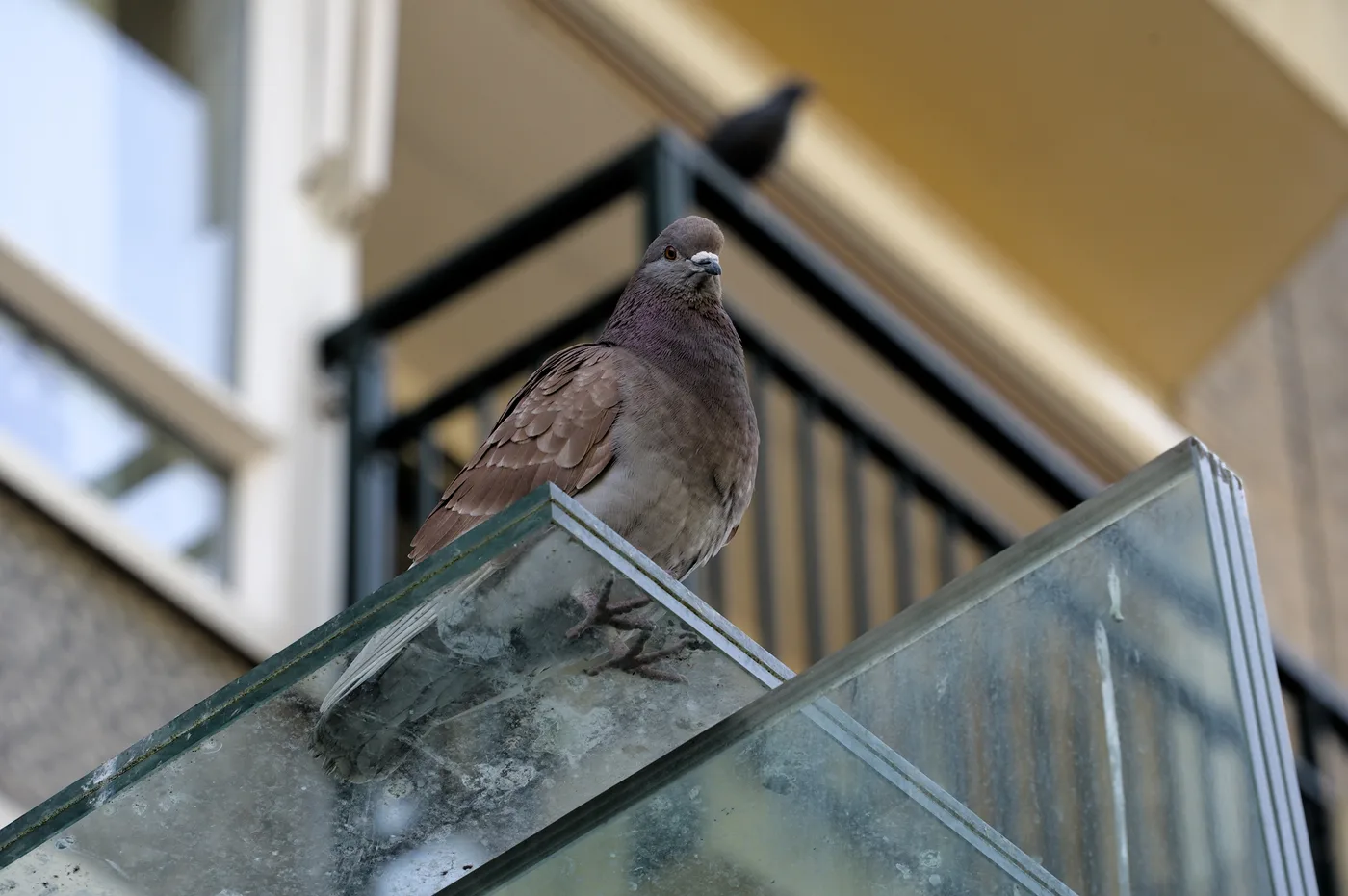
Bird wire is a tension wire system. Small stainless steel posts mount at intervals along a ledge, and thin wire threads through them. When a bird lands, the wire is unstable and they move on. It is nearly invisible from the ground, does not harm birds, and works well against pigeons, seagulls, and other large pest birds.
In this article, we’ll cover where bird wire beats spikes, how to space the posts so there are no gaps, and where the system fails.
What Is Bird Wire and How Does It Work?
A bird wire system consists of a series of small posts mounted at intervals along a ledge or narrow surface. Thin stainless steel wire threads through each post and is held under tension by springs at the end posts.
When a bird tries to land on the treated surface, it finds wire where it expected a flat ledge. The wire flexes underfoot and creates an unstable landing surface. Pest birds quickly learn the spot is unreliable and stop attempting to land there.
The posts can be attached with two-part epoxy adhesive, machine screws, or mounting clips depending on the surface type. Stainless steel posts do not corrode in rain, salt air, or bird droppings. Quality systems use marine-grade stainless steel, so they hold up even on coastal properties.
The USDA Wildlife Services classifies physical exclusion methods like bird wire as humane and effective for keeping pest birds off structures. The system works on surfaces birds use to perch and roost. It does not work across open areas or wide rooftops. Wire suits the perimeter; bird netting covers open areas.
Where Bird Wire Works Best
The system performs well anywhere birds are landing and roosting on a narrow, defined surface.
Ledges and Window Sills
Building ledges are the most common application for bird wire systems. Pigeons, seagulls, and corvids (crows and their relatives) prefer flat ledges to rest and roost on. Wire strung along the ledge makes landing unreliable and pest birds stop returning.
Parapet Walls
The flat tops of parapet walls attract large birds because they offer a stable elevated perch. A bird wire system installed along the parapet surface prevents roosting and the dropping damage that follows. It is the standard deterrent for parapet walls on commercial buildings.
Rooflines and Ridge Lines
Where the roofline offers a natural perch, wire run along the ridge stops birds from landing there. Seagulls in particular favor roofline ridges. Bird wire eliminates the perch without affecting the building’s appearance.
Handrails
Outdoor handrails on balconies, bridges, and walkways attract birds because they offer an elevated resting point with good sightlines. Wire installed above the handrail surface makes landing uncomfortable without blocking the rail’s function.
Warehouses and Industrial Structures
Facility managers and building owners with long structural ledges use bird wire across large spans inside or outside warehouses. The stainless steel components hold up in all weather with little maintenance.
Stainless Steel: The Right Material for Bird Wire
The posts and wire in a quality system are both stainless steel. This matters for two reasons: corrosion resistance and long-term durability.
Stainless steel posts do not rust when exposed to rain, salt air, or bird droppings. Galvanized posts corrode over time, which weakens the anchor and eventually requires replacement. Marine-grade stainless holds up even in coastal environments with heavy salt exposure.
The wire gauge should match the span length. Longer spans need heavier gauge wire to stay taut under wind load without sagging. Most residential and light commercial systems use 0.9mm or 1.2mm stainless steel wire. Tension springs at the end posts keep the wire under consistent pressure across the full run.
Sagging wire touches the surface and stops working. The tension springs are a functional component, not optional hardware. Check them annually and replace any spring that has lost tension.
Low Profile and Discreet: Why Architects Specify Bird Wire
The system’s main advantage over spikes is low visibility. The posts are a few centimeters tall, and the wire is thin enough that it barely registers against the building’s silhouette.
This is why architects specify bird wire for historic buildings, listed structures, signage frameworks, and facades where aesthetics matter. A row of spike strips reads clearly as a deterrent from the street. A bird wire system does not.
Pest birds investigate obvious deterrents and probe for gaps. Wire is harder to spot, which gives it an edge over a deterrent birds can see and learn to avoid.
What Pest Birds Does Bird Wire Stop?
The system works best against large birds: pigeons, seagulls, corvids, and similar species that are heavy enough to feel the wire’s instability when they land. These are the pest birds most commonly targeted in commercial installations.
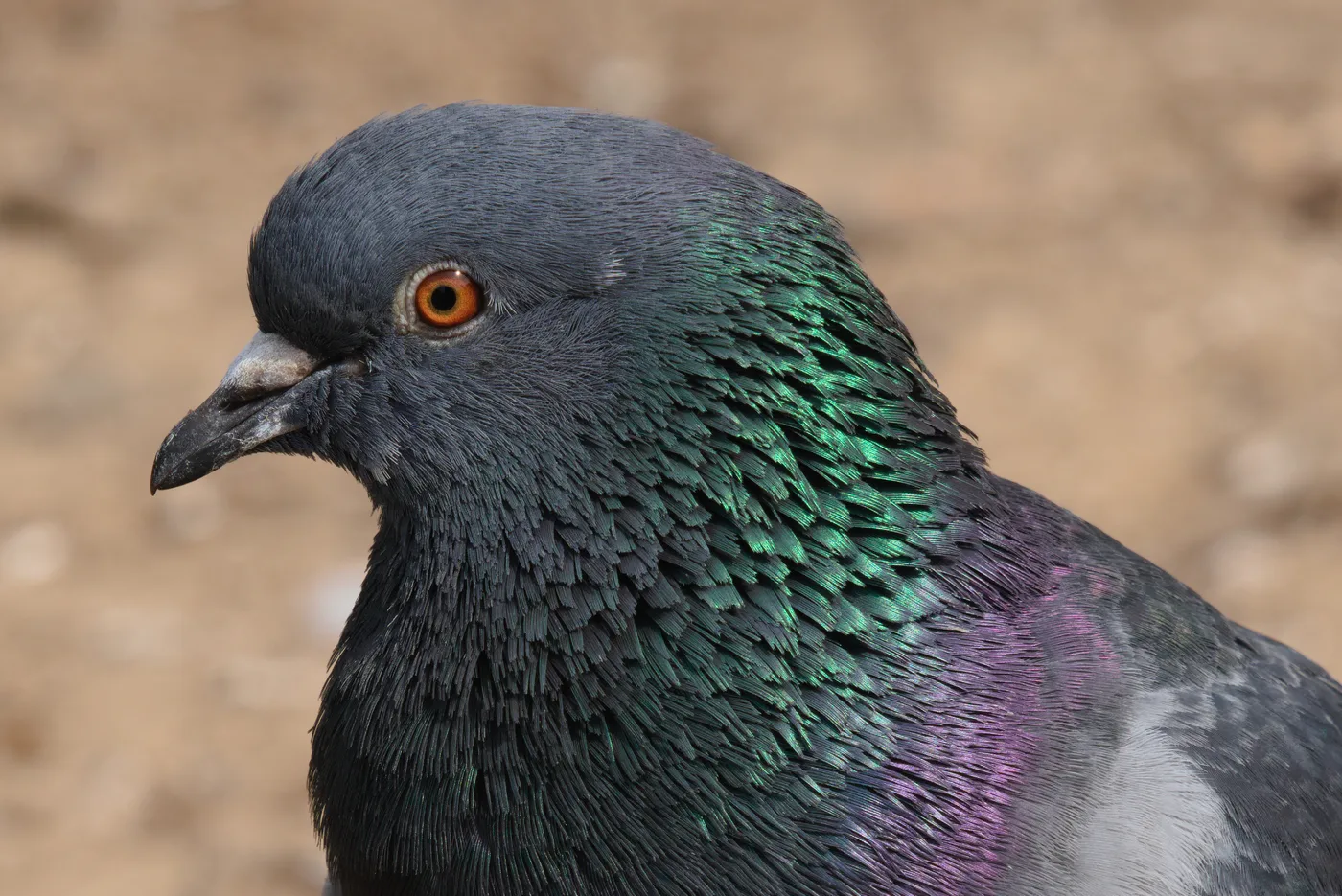
It is less effective for small birds. Sparrows and starlings are light enough to balance on the wire without losing their footing. If small birds are the primary problem, use a tighter physical exclusion method rather than bird wire alone.
For pigeons, bird wire performs reliably well. A pigeon landing on a wire-spanned ledge immediately feels the flex, shifts its weight, and moves on. With repeated encounters, pigeons stop attempting the spot at all. Keeping pest birds of this size off a structure is exactly the use case bird wire was designed for.
For mixed-species problems with both large and small birds, wire paired with netting or sealed exclusion provides complete coverage of the area.
Bird Wire vs. Bird Spikes
Wire and bird spikes are both physical bird deterrents for ledges and narrow surfaces. They solve the same problem in different ways.
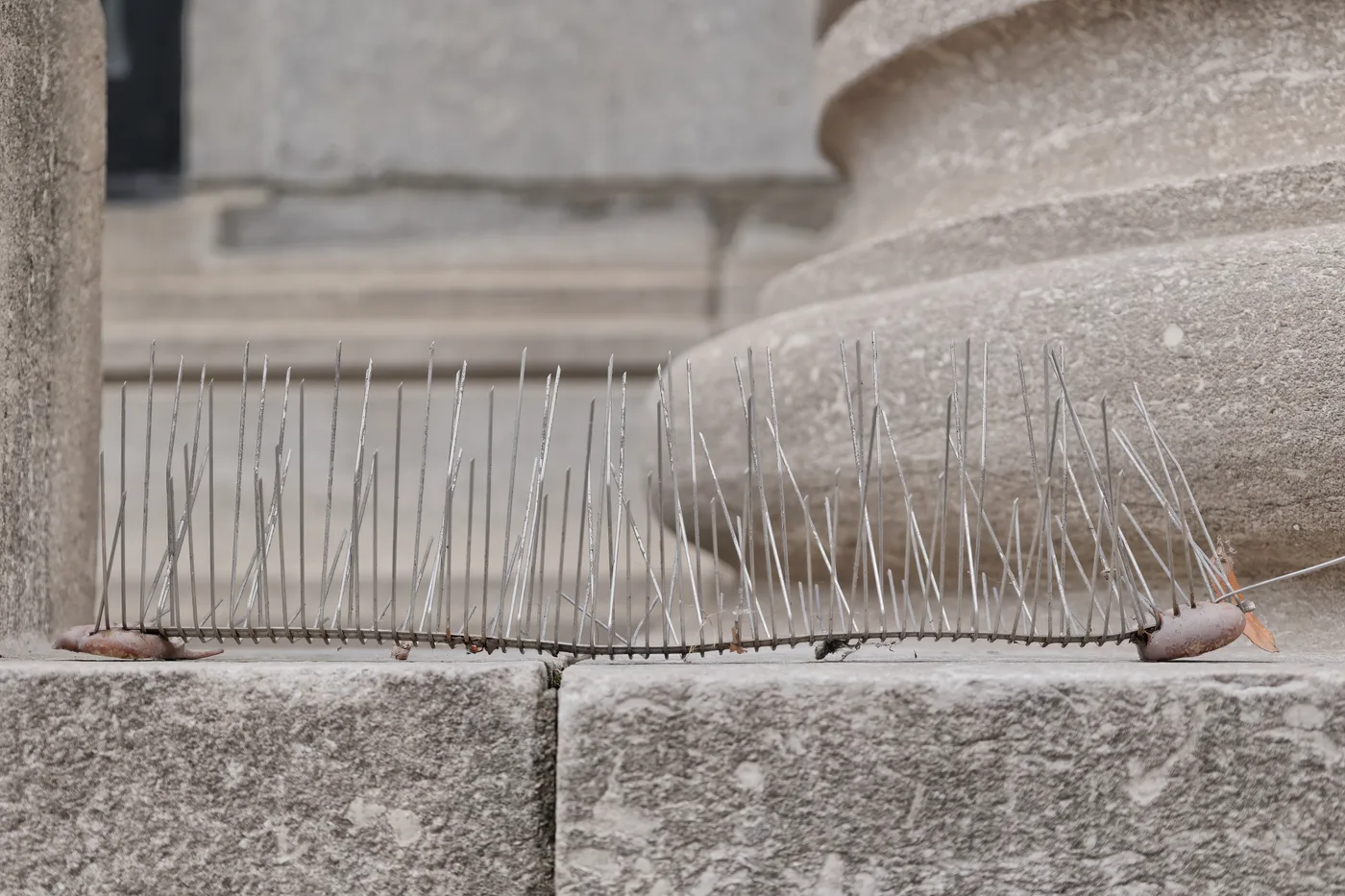
Spikes create a hard barrier: the row of tines leaves no flat surface for a bird to land on. They are visible, straightforward to install, and highly effective when sized correctly for the species.
Wire creates an unstable surface instead of a hard barrier. Nothing physically blocks the birds; it just makes landing unreliable enough that they move on.
Choose wire over spikes when the surface or aesthetics rules out spike strips. Wire also makes sense when planning requirements restrict visible deterrents on heritage buildings or public structures. It works well on handrails and rounded surfaces where spike strips sit awkwardly.
Choose spikes over wire for a small-bird problem (see the wire limits below), or on surfaces with very heavy bird pressure. Spike strips are also faster to fit and suit most DIY projects.
On properties with several types of perches, the two systems can work together. Wire covers the primary ledge surfaces, and spikes handle secondary perches and tight edges where a full wire run is impractical.
How to Install a Bird Wire System
A proper install needs the right components and careful setup. A poorly installed system sags, detaches, or leaves gaps that birds will find.
Materials You Need
- Stainless steel posts (50mm to 75mm tall for most applications)
- Stainless steel wire (0.9mm or 1.2mm gauge)
- Tension springs for the end posts
- Two-part epoxy adhesive or stainless steel screws for mounting
- Wire cutters and tensioning pliers
Installation Steps
-
Mark post positions. Posts typically go at 900mm to 1200mm intervals along the surface. Mark positions before drilling anything.
-
Mount the posts. For masonry and concrete, use a two-part epoxy adhesive made for bird control systems. For timber, machine screws through the base plate work well. Adhesive installs should cure for 24 hours before you tension the wire.
-
Thread the wire. Starting at one end, run the wire through each post in sequence. The wire is suspended through a small guide hole or channel in each post, with enough excess at both ends to attach to the end springs.
-
Attach the tension springs. Fix one end spring first. Pull the wire to the correct tension and fix the second spring. The wire should have a small amount of give under pressure but should not sag to the surface at mid-span between poles.
-
Check the full run. Press the wire down at mid-span between each pair of posts. If it touches the ledge, tighten the end spring or reduce the spacing between posts.
For multi-strand systems, repeat the process for each additional wire at a different height. Two or three strands are used for larger birds or wider surfaces. Additional strands are attached to the same series of posts, with separate springs for each wire at each end.
Where Bird Wire Won’t Work
This system is not a universal solution. There are situations where it is the wrong tool.
Wide flat rooftops. Wire runs along a defined ledge or narrow edge. It cannot cover an open roof area the way a net stretched across the whole space can. For flat rooftop bird control, netting or a wire grid system is more appropriate than a single-perimeter run.
Small bird infestations. Sparrows and starlings are too light for wire’s flex to bother them. Netting, solid mesh screens, or sealed physical barriers work better here.
High-traffic surfaces. Wire installed on a surface that people regularly brush against or step across will be knocked out of position. It works on surfaces birds use. It does not work where people are constantly using the same space.
Birds already roosting inside the coverage area. Clear the roost before installing the wire. Birds that have established a favorite spot may approach from the inside, where the wire does not reach.
What Does Bird Wire Cost?
A single-strand kit of stainless steel posts, wire, and springs runs $3 to $8 per linear foot in materials. Multi-strand systems for larger birds add roughly 50 percent to the material cost per additional wire.
A 30-foot ledge span costs $90 to $240 in materials for a single-strand run. Professional installation adds $5 to $15 per linear foot on top of materials. A full commercial ledge treatment typically runs $500 to $2,000 total.
Bird-B-Gone makes a widely available bird wire system sold through hardware stores and bird control distributors. Nixalite is another reputable brand with products available in multiple configurations. When shopping, confirm the system uses stainless steel posts and wire, not galvanized parts. Check too that replacement wire and tension springs are sold separately for the line you choose.
For wide open roofs where wire will not cover the space, pair it with netting instead of extending the wire run.
Images: Pigeon on a balcony rail by Benoit Brummer, CC BY 4.0, via Wikimedia Commons. Feral pigeon roosting by Satdeep Gill, CC BY-SA 4.0, via Wikimedia Commons. Bird control spikes by Cephas, CC BY-SA 4.0, via Wikimedia Commons.
.jpg)

_01.jpg)
Free: The 5-Step Bird-Proofing Checklist
Work through the right steps in the right order, before spending money on the wrong deterrents. Printable PDF, straight to your inbox.
No spam. Unsubscribe any time.