Natural Bird Repellent: What Works (and What to Skip)
Contents[hide]
- 1. Are Natural Smells a Reliable Bird Repellent?
- 2. Garlic, Vinegar, and Dish Soap: Do They Help?
- 3. Visual Deterrents Buy You Time, Not a Fix
- 4. Remove the Food and Access First
- 5. Physical Barriers Are the Fix That Lasts
- 6. EPA-Registered Repellent Sprays
- 7. How Do I Stop Birds From Nesting Without Harming Them?
- 8. Is Any of This Safe Around Pets and Children?
- 9. When to Call a Wildlife Professional
Quick Answer
No natural smell reliably keeps birds away. Peppermint and vinegar sprays fade quickly outdoors, while chili and cayenne do not repel birds and can irritate skin and eyes. Remove food and access first. For birds that keep returning, use a fitted physical barrier such as netting, mesh, or spikes.
In this article, you'll learn which natural remedies have any real effect, why chili and cayenne sprays don't work on birds, and when to move from scent-based tricks to physical exclusion.
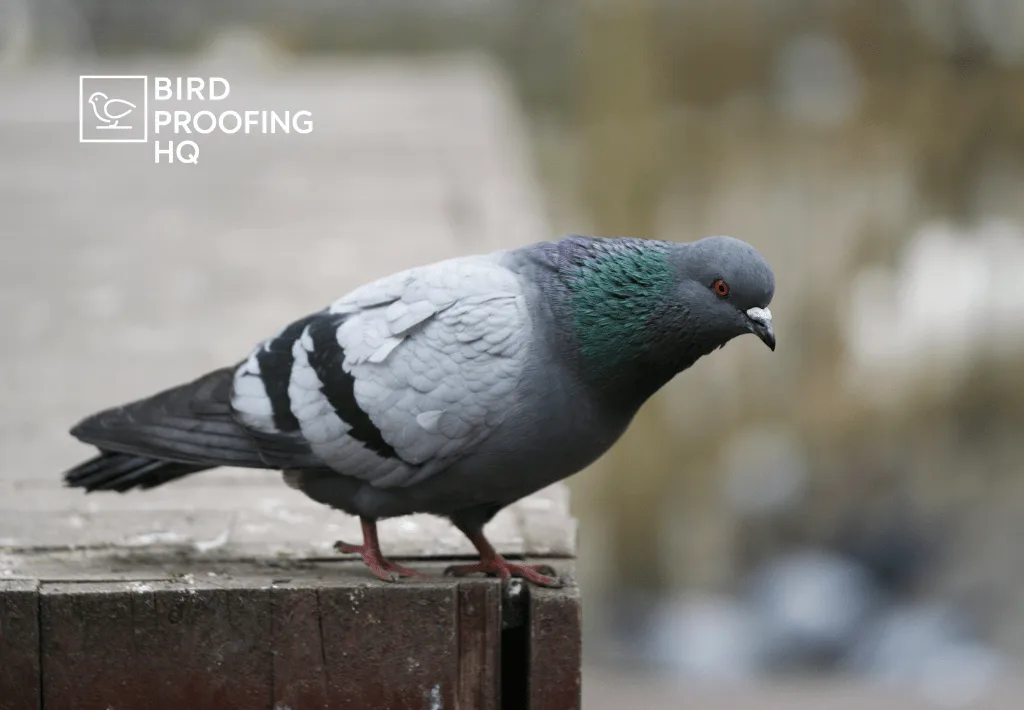
Are Natural Smells a Reliable Bird Repellent?
Birds rely on eyesight more than smell. But their sense of smell is better than people used to think.
That’s led to a long list of home remedies: peppermint oil, chili, garlic, vinegar, and citrus. In practice, none is proven reliable. A strong smell may briefly push birds away from a spot, but the effect fades quickly outdoors.
Rain and wind wear it out even faster. There’s no solid research showing any of these hold up over time.
One claim needs correcting directly. Chili and cayenne sprays are not a strong repellent, even though they show up on nearly every “natural bird repellent” list.
Birds lack the receptor that makes capsaicin sting. Capsaicin is the compound that makes chili peppers hot, and it stings mammals, not birds. The National Pesticide Information Center is direct about it: birds cannot taste capsaicin and are not repelled by it. Spraying diluted chili or cayenne on a ledge does nothing to the birds landing there.
It can still hurt people, though. Chili spray can irritate the eyes and skin of anyone who touches a wet, treated surface. Inhaled spray can cause breathing trouble or temporary eye irritation.
Skip it. Don’t spray it, and don’t sprinkle dry cayenne powder on ledges or soil either.
If you want to try a scent-based approach anyway, treat it as a small, short-term supplement. Peppermint spray is common, but there is no proven recipe or concentration that reliably repels birds. Avoid concentrated oils and keep any spray away from nests, feeders, baths, pets, and children.
Rain and wind can remove the scent quickly. If birds keep returning, stop spraying and address the food, water, perch, or opening that attracts them.
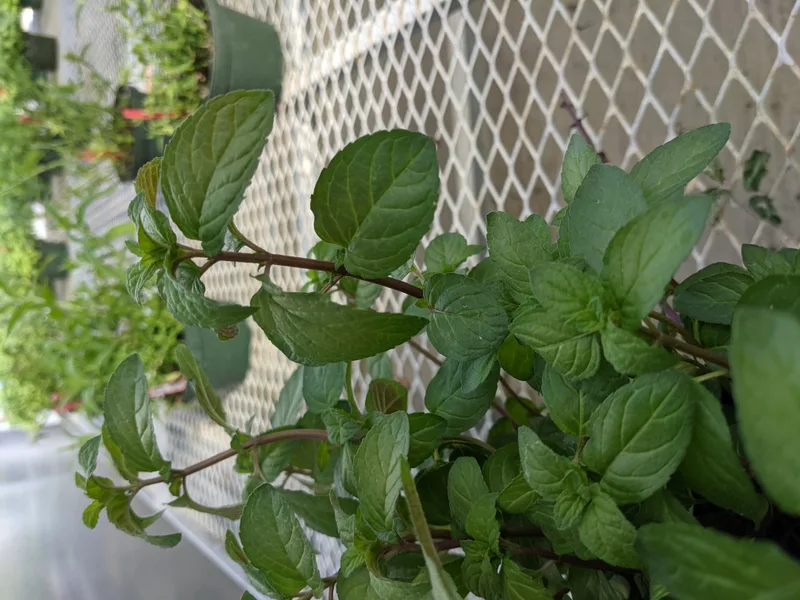
Keep concentrated essential oils away from surfaces pets or children touch. The ASPCA warns that concentrated oils can harm dogs and cats. Skin contact or licking oil off fur can cause harm. Don’t apply them where a pet naps, walks, or grooms itself.
Garlic, Vinegar, and Dish Soap: Do They Help?
None of these are strong repellents on their own. But two are worth knowing about.
Garlic and vinegar both have sharp smells. They may make a spot briefly less appealing, but neither one reliably keeps birds away.
Vinegar is more useful for ordinary surface cleaning than bird control. If droppings are present, wet and remove them safely instead of sweeping them dry. Cleaning the ledge also removes signs of an established resting spot.
Dish soap doesn’t repel anything. It’s a wetting agent that helps a spray coat a surface instead of running off, which is why it shows up in most homemade recipes.
Skip mothballs. They’re toxic to people, pets, and wildlife. Using them outdoors as a bird deterrent violates federal pesticide labeling rules, since mothballs are only registered for use in sealed containers against fabric pests.
Skip ultrasonic gadgets too. Most birds can’t hear ultrasound, so there’s nothing for the device to do.
Visual Deterrents Buy You Time, Not a Fix
Reflective tape, hanging CDs, and predator decoys work on the same idea. Birds are prey animals, and they react to sudden movement, flashes of light, or the outline of a threat. These tricks can interrupt feeding or roosting for a while.
The catch is that birds get used to anything that stays still. A fake owl that sits in one spot for a week stops working, because birds notice it never moves. Reflective tape loses its effect the same way once it becomes part of the scenery.
Moving these every few days keeps them useful longer. But treat them as a bridge while you set up something permanent, not the fix itself.
Remove the Food and Access First
Repellents of any kind are fighting an uphill battle if birds still have a reason to be there. Secure trash, clean up spilled birdseed, and pick up pet food left outside. Fix standing water too. If you’re trying to discourage nuisance birds without driving off the ones you enjoy, move feeders farther from the problem area instead of spraying near them.
This step matters more than any spray or decoy. A yard that offers nothing to eat is a weak reason to stay, with or without a repellent.
Physical Barriers Are the Fix That Lasts
For a roof line, ledge, gutter, or fence top that birds keep coming back to, bird spikes, netting, or mesh hold up without daily upkeep. These barriers block birds outright, so they don’t depend on a smell staying fresh or a decoy staying convincing. Bird-proofing your house covers the full range of barriers and where each one fits.
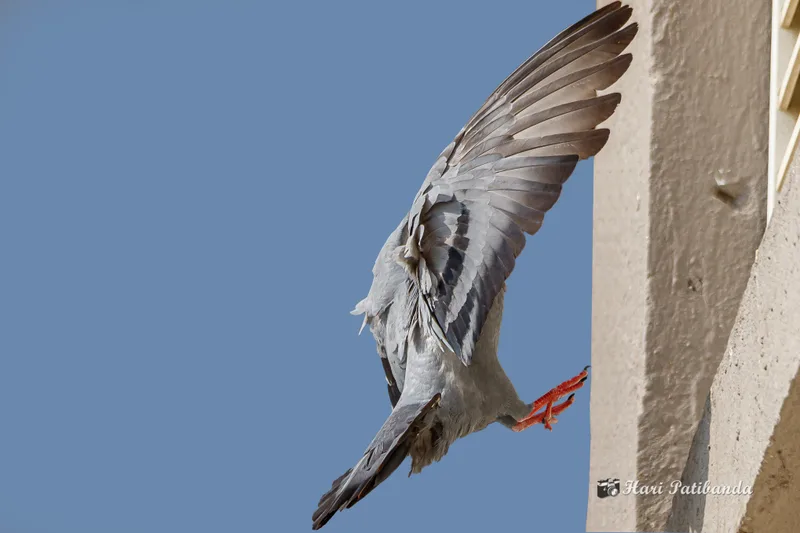
Pigeons show why this matters most. They have strong site fidelity, meaning they keep returning to the same roost, and will tolerate a lot of discomfort to stay there. Scent and visual deterrents rarely move them for good on their own. If pigeons are the problem, plan on a physical barrier from the start instead of trying scent first.
Woodpeckers are a different case. They’re after insects in your siding, not food on a ledge, so no smell will stop them. That’s a separate problem with a separate fix.
EPA-Registered Repellent Sprays
Some commercial repellent sprays use methyl anthranilate, a compound derived from grape extract. The EPA has registered it as a bird repellent for specific sites and species, including turf and some crops.
EPA’s product label for one such repellent instructs users to keep it out of reach of children. It notes the product causes moderate eye irritation and can be harmful if absorbed through skin. Applicators should avoid skin, eye, and clothing contact. It’s a registered pesticide, not a harmless grape scent, so use only a product labeled for your site and target species, and follow the label’s precautions exactly.
Don’t assume it will solve every situation. University of Minnesota Extension reports that multiple studies found methyl anthranilate ineffective in vineyard conditions, and recommends netting as the more reliable method there instead. Established roosts generally need exclusion, meaning a physical barrier that blocks birds outright, not scent, whatever the species.
How Do I Stop Birds From Nesting Without Harming Them?
Repellents work far better at discouraging birds from choosing a site than at moving them out once they’ve settled in. Once a nest is built, the urge to stay outweighs almost any smell.
Before nesting season starts in your area, clear out nesting material like twigs and grass. It piles up in gutters and on ledges, and easy material nearby makes a site more attractive. Block the gaps and openings birds keep choosing too. Eaves, vents, and spaces under the roofline are common spots for house sparrows and starlings.
Most native birds and their active nests are protected under the Migratory Bird Treaty Act. An active nest has eggs or dependent young, or is still being used for breeding. You cannot legally remove an active nest of a protected species.
Before removing or closing off an old nest site, confirm it’s actually inactive. Make sure there are no eggs, no nestlings, and no adult bird still using it. Don’t relocate or keep a nest you take down.
The U.S. Fish and Wildlife Service requires that an inactive nest be removed and discarded, not stored or moved elsewhere.
Eagle nests carry extra protection even when empty, and state, Tribal, or local rules can add further limits. When you’re not sure whether a nest is active, contact USFWS or a licensed wildlife professional before touching it. Types of bird nests can help you identify what you’re looking at.
Is Any of This Safe Around Pets and Children?
Follow the label on anything registered as a pesticide, including methyl anthranilate sprays. Keep people and pets off the treated area for whatever period the label specifies.
For homemade sprays, don’t apply concentrated essential oils or any capsaicin-based spray where pets or children can touch a wet surface. Chili and cayenne sprays can irritate the eyes and skin on contact. A pet that rubs against a freshly treated ledge can end up with irritated eyes or nose. Let any spray dry fully before allowing contact, and rinse off any irritation with clean water.
Don’t apply any repellent, natural or commercial, near a bird bath, feeder, or nest box you want birds to keep using.
When to Call a Wildlife Professional
Bring in a licensed wildlife or pest control professional in three situations. The roost is established and covers a large area. The site is hard to reach safely, such as a roofline or chimney. Or you’re not sure whether a nest is active.
A professional can install netting, spikes, or mesh correctly the first time. They can also confirm what species you’re dealing with and what the law allows before anyone touches a nest.
Keeping birds away from your home covers the broader plan, including habitat changes alongside physical barriers. Pigeons, sparrows, and crows each respond differently enough to need their own approach.
The dependable version of this fix is simple, even if it isn’t exciting. Remove the food and easy access first. Add a physical barrier where birds keep landing or roosting. Treat any scent or visual trick as something that buys a little time, not something that solves the problem on its own.
Images: Peppermint Plant by Joshua T Polito, CC0. All other images by BirdProofingHQ. Via Wikimedia Commons.

Free: The 5-Step Bird-Proofing Checklist
Work through the right steps in the right order, before spending money on the wrong deterrents. Printable PDF, straight to your inbox.
No spam. Unsubscribe any time.