Peppermint Oil Bird Repellent: A Natural Way to Deter Birds
Contents[hide]
- 1. Does Peppermint Oil Actually Repel Birds?
- 2. How to Make a Peppermint Oil Bird Repellent Spray
- 3. Where to Apply Peppermint Oil Around Your Home
- 4. How Often Do You Need to Reapply?
- 5. Other Essential Oils That Deter Birds
- 6. Is Peppermint Oil Safe for Pets, Children, and Birds?
- 7. When Peppermint Oil Is Not Enough
To deter birds with peppermint oil, mix 10 to 15 drops of peppermint essential oil into a cup of water with a drop of dish soap. Spray directly on ledges, railings, and eaves. Reapply every two to three days. Works best in sheltered spots; in open air, the scent disperses too quickly to be effective.
In this article, you'll learn whether peppermint oil repels birds and how to apply it. We'll cover spray recipe, application methods, and reapplication timing.
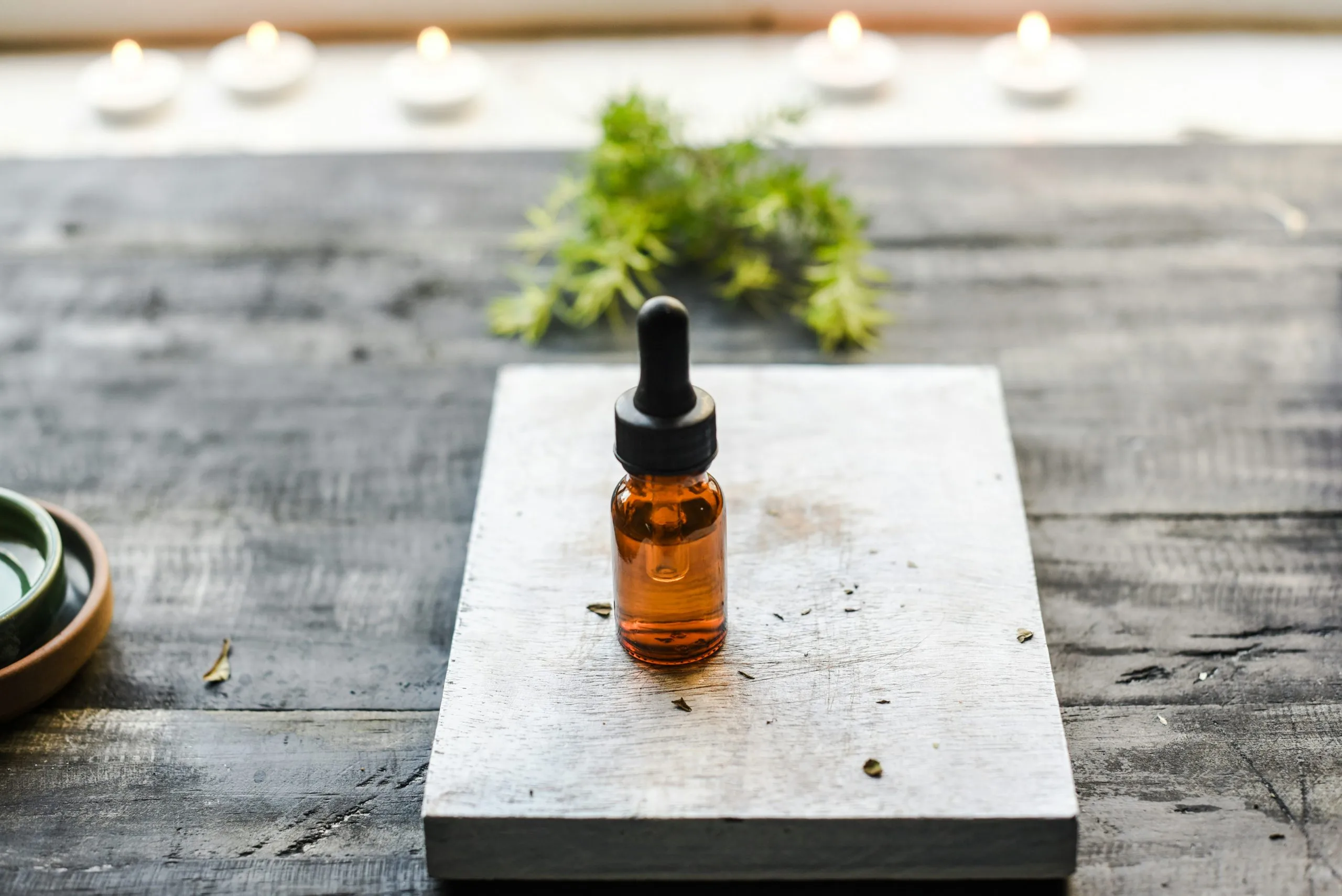
Does Peppermint Oil Actually Repel Birds?
Yes. Most birds rely on vision as their main sense, but they do have a functioning sense of smell. Some species, like turkey vultures, use smell to find food. Pest birds like pigeons, sparrows, and starlings use it to assess whether a space is safe.
Peppermint oil contains menthol, a compound that irritates birds’ nasal passages and respiratory systems at high concentrations. The smell alone is not overwhelming at low doses. But up close, on a ledge they are about to land on, the intensity is enough to make them move on. Birds tend to avoid areas where a strong scent signals something is wrong.
Why Sheltered Spots Work Better Than Open Areas
The limitation is simple: in open air, essential oils dissipate fast. A strong smell on an open rooftop breaks up within an hour in any wind. In semi-enclosed spaces, the scent builds up rather than dispersing. A covered porch, an eave, a window ledge under an overhang, or a gutter section all trap the smell long enough to work.
This does not mean windy or exposed spots are hopeless. It means you need to reapply more aggressively there, or combine the spray with something visual. The reapplication section below covers the timing.
Which Birds Respond to Peppermint Oil
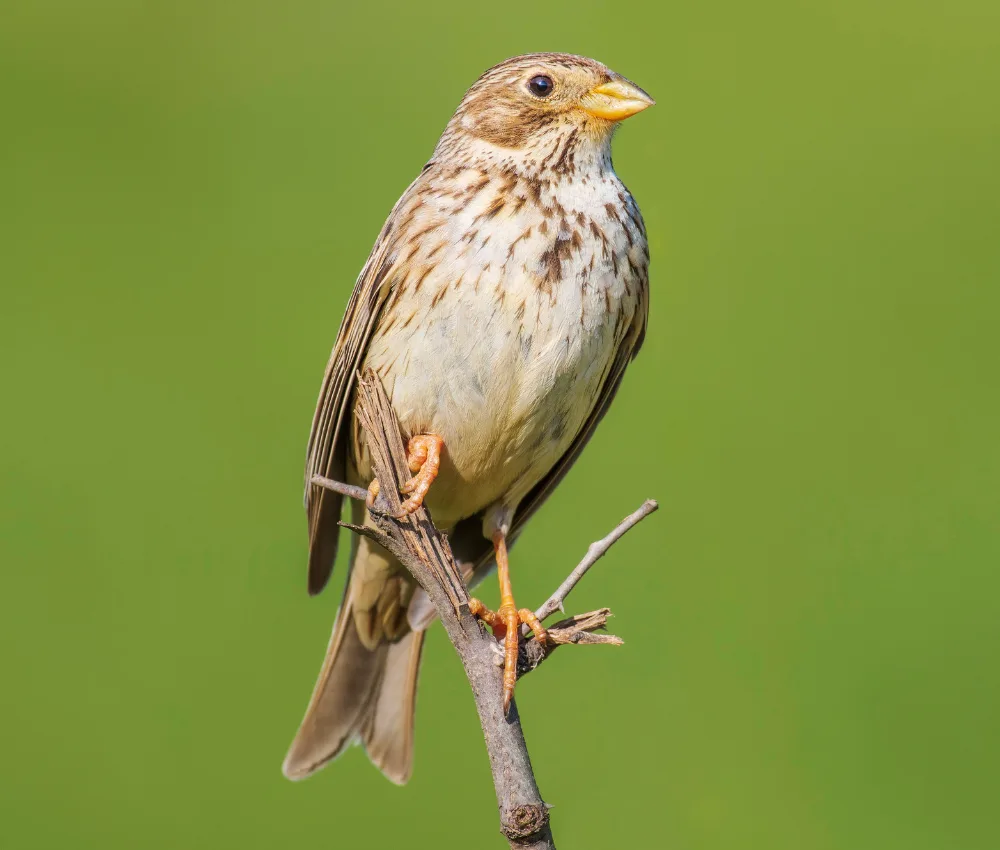
House sparrows and starlings are the most responsive. They probe new spots cautiously before committing, so a strong smell on a ledge is often enough to send them somewhere else. Consistent application on their preferred eaves and window ledges usually produces clear results within two weeks.
Pigeons are harder. They adapt quickly, have strong site loyalty, and will tolerate more discomfort to return to an established roost. Peppermint oil alone rarely evicts an established flock. It works better as a support layer alongside physical barriers on their primary landing spots.
Woodpeckers do not respond to any scent at all. They are drilling for insects, and the instinct to find food overrides everything else.
How to Make a Peppermint Oil Bird Repellent Spray
The recipe takes about two minutes:
- 1 cup of water
- 10 to 15 drops of peppermint essential oil
- A few drops of dish soap
Fill a small spray bottle with the water, add the peppermint oil, then the dish soap. Shake before each use. The solution stays usable for one to two weeks before the scent weakens. Store it somewhere cool and out of direct sunlight to extend the shelf life.
Use a proper peppermint essential oil, not peppermint-scented products or air fresheners. The concentration of active compounds in a true essential oil is what makes the spray effective. Cheap scented versions contain fragrance additives rather than real menthol and will not work as a bird repellent.
Two Ways to Apply It
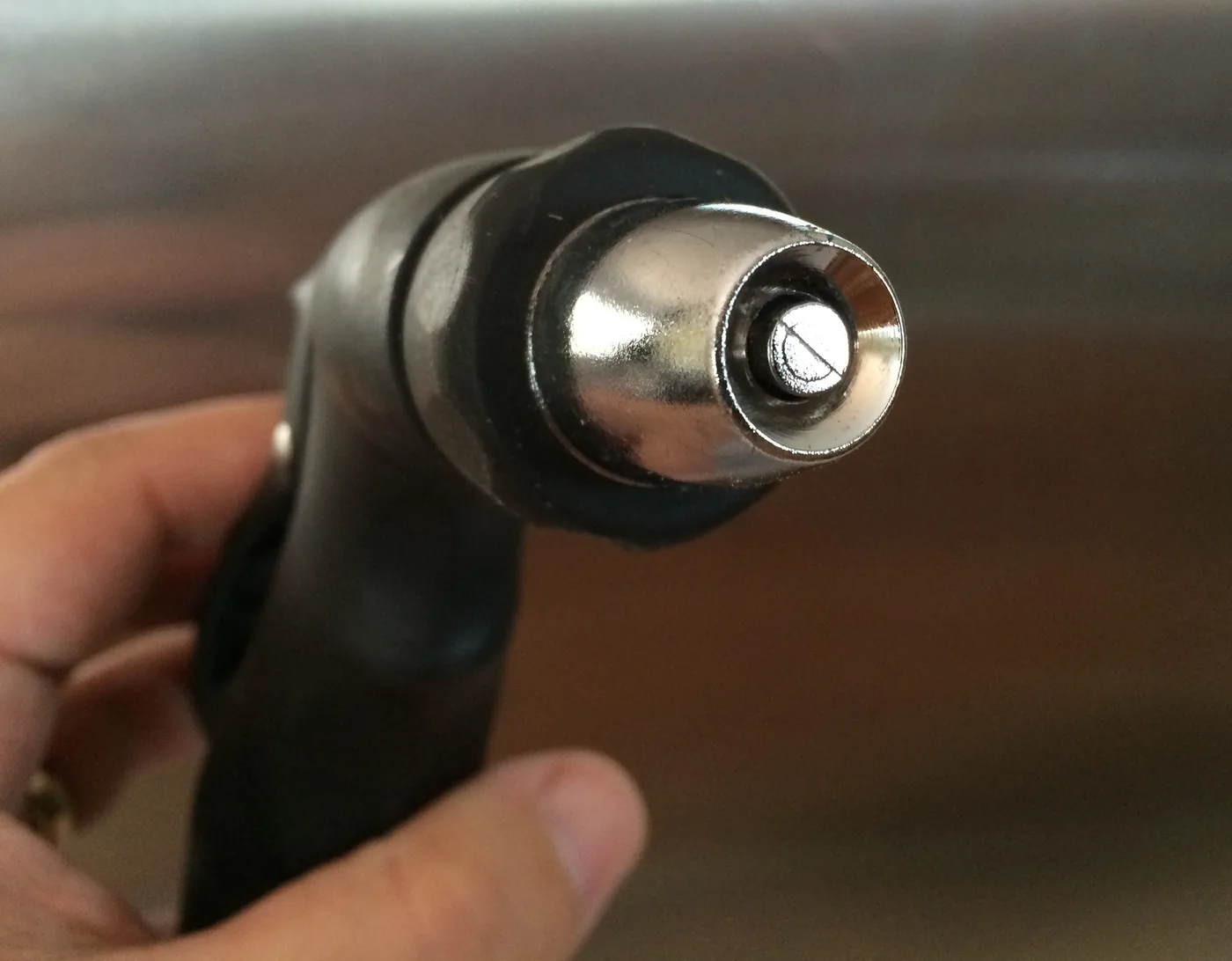
Spray method: Apply the solution directly to the surfaces where birds land, rest, or roost. That means ledges, railings, windowsills, roof edges, and gutter openings. Spray the contact surface where birds step, not the surrounding air. The repellent works where feet touch, not in the general space around it.
Cotton ball method: Soak several cotton balls in undiluted peppermint essential oil and tuck them into the areas you want to protect. Good spots include attic vents, crevices under roof tiles, gaps around pipes, and window frame corners. Replace the cotton balls every five to seven days. This method lasts a bit longer than the spray and is easier to maintain in hard-to-reach spots.
For a patio or deck, the spray method covers larger surfaces quickly. In structural gaps and utility vents, cotton balls are the simpler choice.
How Long Does the Spray Last on Surfaces?
In most conditions, a peppermint spray applied to a surface lasts two to three days before the scent fades enough for birds to return. In sheltered areas, it can hold for four to five days. Sun, wind, and rain all speed up how quickly the smell dissipates.
Cotton balls soaked in undiluted oil last longer: five to seven days in a covered vent or a gap under a roof tile. The trade-off is that they work only in enclosed spots where airflow is limited.
Where to Apply Peppermint Oil Around Your Home
Target the exact spots birds use, not general areas. Peppermint oil creates a scent barrier at the landing spot, not an invisible cloud around your property. Remove existing droppings before spraying. Droppings leave a scent signal that tells other birds the spot is safe, and cleaning the surface before applying the repellent removes that signal.
Semi-Enclosed and Sheltered Spots
These are where peppermint oil performs best. The scent lingers rather than blowing away:
- Eaves and underside of roof overhangs: birds shelter here in rain and return to the same spots. Spray the underside edges.
- Window ledges and sills: common roosting spots on upper floors, especially where droppings have already built up.
- Gutter openings: sparrows and starlings explore these during nesting season. Cotton balls tucked just inside gutter openings are easier to maintain here than spraying.
- Attic vents and pipe gaps: cotton balls soaked in undiluted oil work best for tight structural gaps.
A covered porch is the ideal test case. The ceiling traps the scent, application is easy, and results are usually visible within a few days.

Garden Beds and Outdoor Furniture
Open-air spots need more frequent application, but the spray can still reduce bird activity:
- Ledges and railings: the primary landing spots for pigeons and sparrows. Spray the top surface where feet touch.
- Patio furniture: birds land on chair backs, table edges, and umbrella frames. A weekly spray pass keeps them off.
- Garden beds: spray the soil surface and nearby fence tops where birds forage. Effectiveness drops in open air, but it can reduce activity on seedbeds when reapplied every day or two.
For outdoor furniture and open ledges, combine the spray with a visual deterrent. The smell alone is less reliable when wind carries it away.
How Often Do You Need to Reapply?
Plan on reapplying every two to three days in normal weather, and the day after any rain. Peppermint oil in a water solution evaporates and washes away quickly. The smell fades to a level that no longer deters birds well before you can detect any change yourself.
In sheltered spots the scent holds longer. An eave or covered porch ledge might hold the smell four to five days. An open fence rail in full sun may need daily application in summer.
Signs the Scent Has Faded
You usually cannot smell the difference from a few feet away, but birds can. The clearest sign that it is time to reapply is birds returning to a spot they had been avoiding. A few exploratory visits are normal, since birds test treated areas periodically. Consistent presence after two or three days of absence is the signal to reapply.
Building a Simple Reapplication Routine
Keep a small spray bottle near the areas you treat so the routine requires no preparation. The biggest reason peppermint sprays fail is not that they stop working. It is that people reapply once, see results, and then forget. Two weeks of consistent reapplication is usually enough to break birds’ habit of using a spot.
The easiest approach: make it part of a fixed routine. A Sunday evening spray pass of all treated surfaces takes five minutes and covers most situations. Check sheltered spots every four to five days instead of every two.
Other Essential Oils That Deter Birds
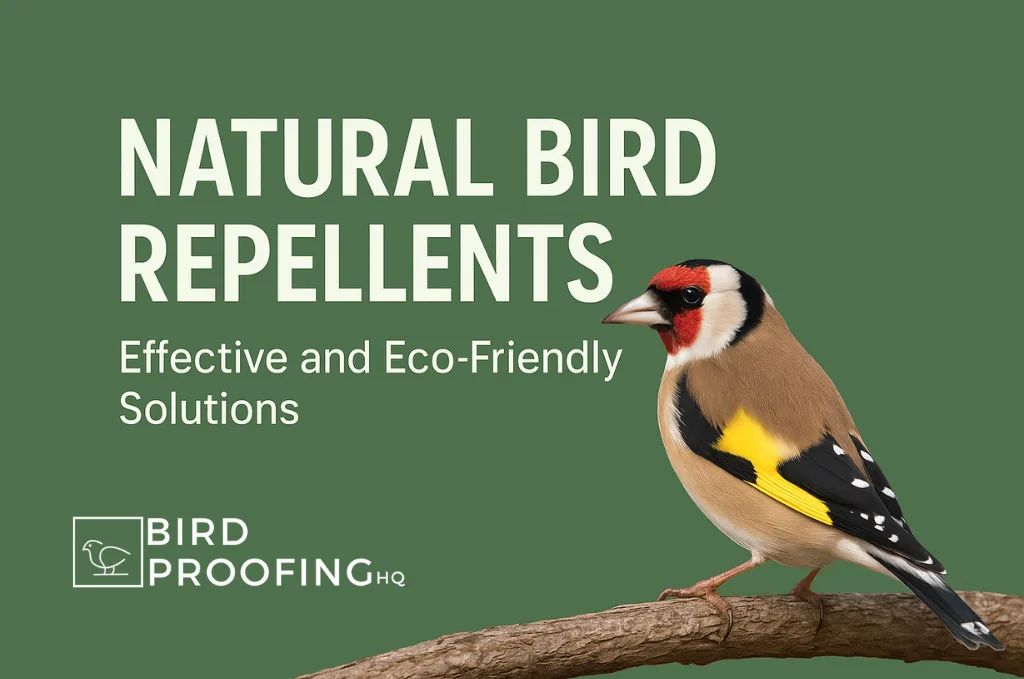
Peppermint works best as part of a rotating approach. Birds that spend enough time around a single scent will eventually ignore it, even if they initially avoided it. Alternating scents keeps the deterrent unpredictable. Pairing peppermint with other essential oils is one of the more effective natural bird repellent strategies for persistent species.
Essential Oils That Work Alongside Peppermint
- Eucalyptus: a sharp, menthol-adjacent scent that birds find similarly irritating. Good for enclosed spaces like attic access points and covered vents.
- Lemongrass: carries better in open air than heavier oils. Useful for garden beds and fence lines where the citrus note lingers.
- Citrus oils: orange and lemon essential oil both deter birds and smell pleasant to humans. Less potent than peppermint, but worth adding to the rotation for open-air areas.
Non-Oil Scent Alternatives
- Vinegar: white or apple cider vinegar sprayed on surfaces adds an acidic smell birds find unpleasant. Weaker than peppermint on its own, but it doubles as a surface cleaner that removes the droppings signal at the same time.
- Chili peppers: capsaicin is a powerful irritant to birds’ nasal passages. A chili pepper solution made from water steeped with crushed peppers or cayenne powder is the strongest kitchen-ingredient repellent available, and it pairs well with peppermint in a rotation.
How to Rotate Scents So Birds Do Not Adapt
Rotate through two or three scents on a weekly schedule. Start with peppermint, then switch to eucalyptus or chili the following week. The smell birds learned to ignore gets replaced by something new before they fully habituate. Using the same scent for more than two or three weeks straight is where most DIY repellent routines break down.
The full natural bird repellent guide covers the chili pepper recipe, how to combine visual deterrents, and which methods match which species.
Is Peppermint Oil Safe for Pets, Children, and Birds?
Peppermint oil spray is non-toxic to birds, pets, and children when used as directed. It does not poison or harm birds. The smell is simply unpleasant to them and they move elsewhere to avoid it.
Precautions for Cats and Dogs
- Let the spray dry fully before allowing pets near treated areas.
- Keep pets away from heavily soaked cotton balls. Eating a concentrated cotton ball could cause mild nausea.
- Dogs that rub their faces against a freshly sprayed railing may experience brief irritation around the nose and eyes. Clean water resolves it quickly.
- Cats are more sensitive to essential oils than dogs. Avoid applying in areas where cats frequently rest.
For children, the same principle applies. Dried spray on a surface is safe to touch. Fresh spray on hands that then contacts eyes or mouth causes brief irritation. Letting it dry before anyone touches the surface is enough.
Avoid applying any repellent near bird baths, feeders, or nesting boxes you want to keep active. The goal is to protect specific problem spots, not make the whole yard hostile to birds you want around.
When Peppermint Oil Is Not Enough
Peppermint oil works well for light-to-moderate bird activity in sheltered spots. For stubborn species or heavy infestations, it needs support from physical barriers.
Species That Rarely Respond to Scent Alone
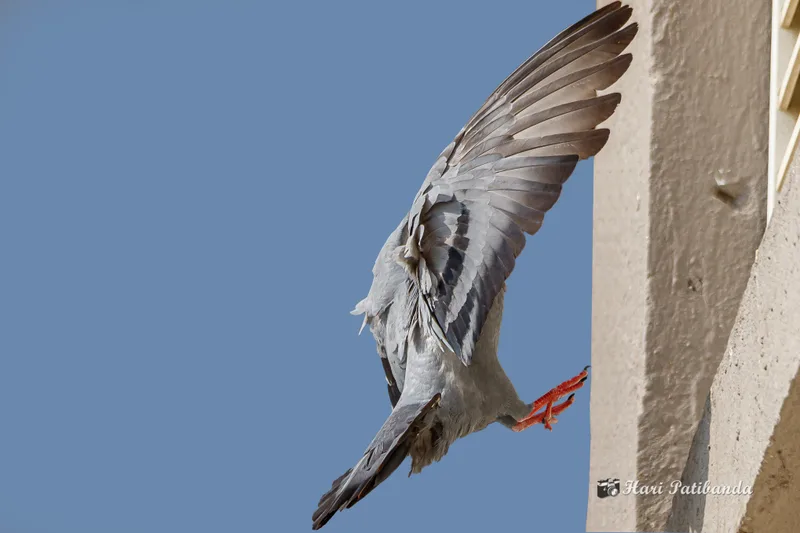
Pigeons are the hardest case. They adapt quickly, have strong site loyalty, and will tolerate a lot of discomfort to return to an established roost. A few weeks of peppermint spray may reduce their visits, but it rarely evicts an established flock on its own.
Woodpeckers are not moved by any scent. They are drilling for insects, and the instinct to find food overrides any smell you apply.
For any species that is also getting food from your property, deal with the food source first. Repellents push birds away from a spot, but a strong food signal will pull them right back through any smell. Clean up fallen birdseed, secure trash, and pick up pet food before applying any repellent.
When to Move to Physical Deterrents
If pigeons are the problem, pair the spray with bird spikes or netting on their primary landing spots. The spikes handle the structural problem; the spray discourages nearby exploration.
Sparrows are more responsive to scent-based repellents. Consistent peppermint application on their preferred ledges and eaves, combined with blocking any entry points into enclosed spaces, usually produces clear results within two weeks.
The broader toolkit for keeping birds away covers physical barriers, visual deterrents, and how to layer methods for a yard that reliably stays clear. For stubborn birds or large structures, physical exclusion beats any spray over the long term. If you are dealing with multiple species, find the right approach for each bird in your yard.
Images: Garden sprayer by Maury Markowitz, CC BY-SA 4.0; Peppermint Plant by Joshua T Polito, CC0; A Feral Pigeon landing on a building ledge by Hari K Patibanda, CC BY 2.0; house sparrow photo by Marshall Patterson on Unsplash. Peppermint oil, natural bird repellents infographic, essential oils infographic, and porch photo by BirdProofingHQ. Via Wikimedia Commons.


.jpg)
Free: The 5-Step Bird-Proofing Checklist
Work through the right steps in the right order, before spending money on the wrong deterrents. Printable PDF, straight to your inbox.
No spam. Unsubscribe any time.