Bird Repellent Gel: Does It Work and Is It Humane?
Contents[hide]
Optical gel is the better choice. Birds see it as fire and avoid the area without being touched. Skip sticky gels, which can trap small birds. Apply optical gel trays to the ledges and beams birds perch on, and pair with spikes or netting for larger areas. It is a spot treatment, not a whole-building fix.
In this article, we’ll cover why optical gel works when sticky gel harms small birds, where to apply it for best results, and what it cannot fix on its own.
What Bird Repellent Gel Is and How It Works
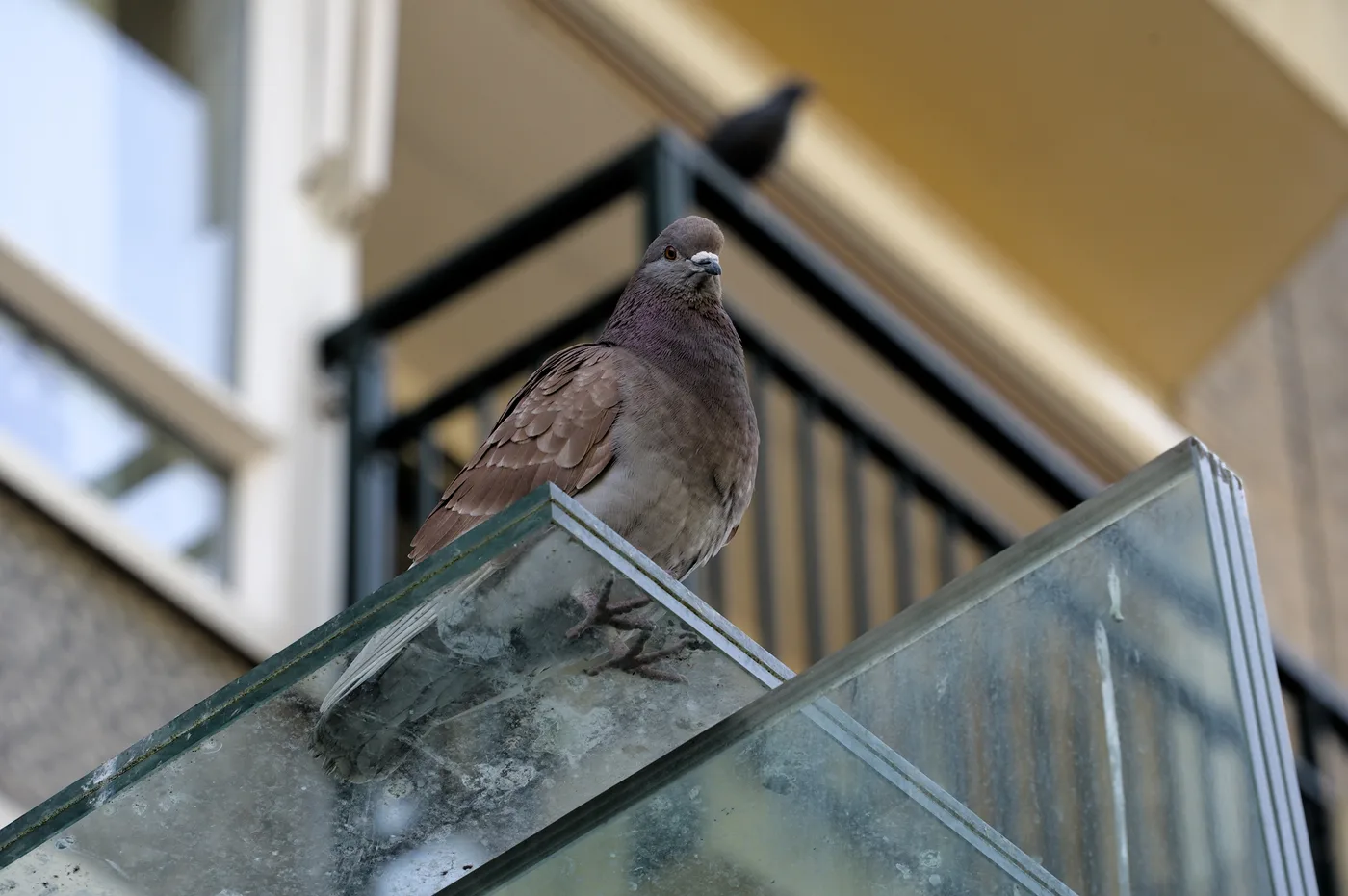
Bird repellent gel is a paste or tray you put on the surfaces where birds land, so the spot stops being a comfortable place to perch. It targets the exact ledges, signs, beams, and rooflines that pigeons and starlings use for roosting.
There are two ways a gel does its job. A tactile gel feels sticky and unpleasant under a bird’s feet, so the bird learns the ledge is no longer a good landing spot. An optical gel works on sight alone. It reflects ultraviolet light in a way birds read as fire or smoke, so they avoid the surface without ever touching it.
Either way, the gel makes a perch the birds would normally use feel wrong, and they move on to somewhere easier.
Gel shines on the narrow ledges and beams where spikes are awkward to fit, and it disappears visually in a way some homeowners prefer over hardware.
The Two Types of Bird Gel
The type you choose matters, because sticky gel can harm small birds.
Tactile (sticky) gel is a polybutene paste applied in beads. Birds dislike the tacky sensation on their feet and stop landing on the treated surface. It is cheap and effective at first, but it has a real drawback. A small bird that lands in it can get stuck, mat its feathers, and die, and the gel collects dust until it stops working. The Humane Society and bird welfare groups discourage sticky gels for exactly this reason.
Optical gel comes in small trays, often sold under names like Bird-X Optical Gel. Birds perceive the trays as fire because of the way the gel handles ultraviolet light, plus a faint scent of peppermint and citronella they dislike. Optical gel costs more up front but lasts longer than tactile gel.
If you do use a tactile gel, keep it well away from the small ledges and signs that songbirds visit.
How to Apply Bird Repellent Gel
Application is simple, but surface prep makes the difference between a treatment that lasts and one that fails in a week.
Start by cleaning the ledge. Scrape off old droppings and nesting debris, then wipe the surface and let it dry fully, since gel will not adhere to a dirty or damp spot.
For a tactile gel, load the tube into a caulking gun. Lay down beads about half an inch apart, in parallel lines along any ledge wider than a few inches. For optical gel, place the trays roughly ten inches apart along the surface, using the adhesive backing or screws provided.
In both cases, treat the entire run that birds use. A gap of bare ledge is all a determined pigeon needs to keep landing.
Apply gel in mild, dry weather so it cures properly, and keep it off surfaces you touch, since tactile gel is genuinely hard to get off skin and clothing.
Where Gel Works Best, and Its Limits
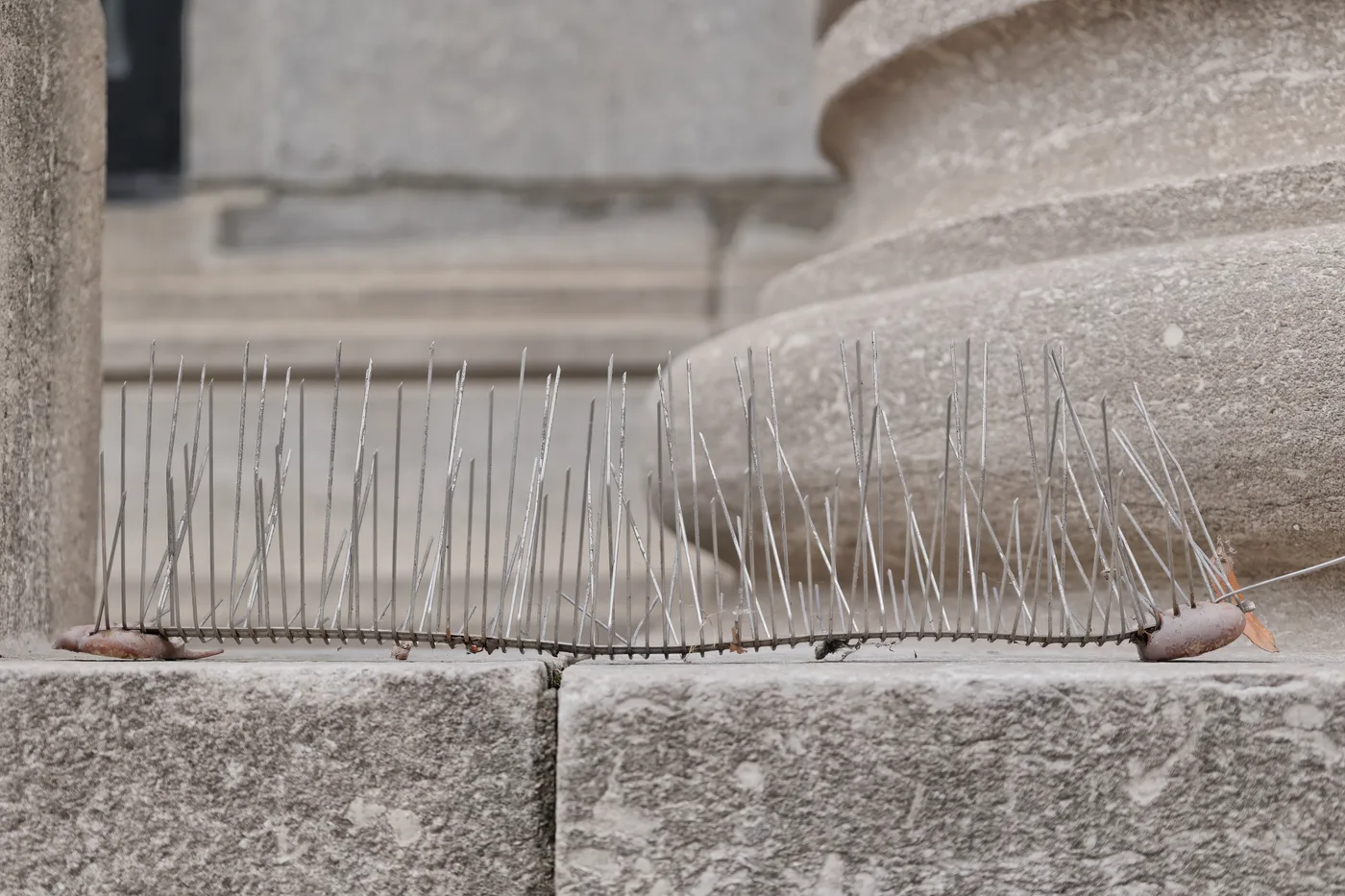
Gel earns its place on narrow, hard-to-net surfaces: window ledges, sign tops, rafters, beam ends, and the edges of light fixtures. On those spots it is quick, cheap, and nearly invisible.
It has limits, though. Dust, pollen, and leaves coat the surface over time and dull the effect, so any gel needs cleaning and reapplication, usually within several months to a year. It is also not a cure for a large or established roost.
For a wide ledge, a whole roofline, or a serious pigeon problem, a physical barrier does more. Bird spikes or netting handle the wide surfaces, and the bird deterrents guide compares every method side by side. Many jobs work best with gel on the tight spots and spikes or netting on the open ones.
How to Remove Bird Gel
When it is time to refresh or remove a treatment, the method depends on the type. Tactile polybutene gel comes off with mineral spirits or a citrus solvent and a plastic scraper. Wear gloves, work it in, and wipe the residue away so it does not keep collecting dust. Optical gel trays simply unscrew or peel off, leaving little behind.
Is Bird Gel the Right Choice for You?
Bird repellent gel is a solid, low-cost tool when you match it to the job. Use optical gel on the specific ledges and signs where birds perch, and pair it with hardware on the bigger surfaces. It will not clear a whole infestation by itself.
Want a scent-based option instead of a surface treatment? A bird repellent spray does that. For the full menu of humane methods, start with natural bird repellent or the bird removal guides. Gel most often ends up protecting ledges from pigeons, so that guide is worth a look too.
Images: Pigeon on a ledge by Benoit Brummer, CC BY 4.0; Bird control spikes by Cephas, CC BY-SA 4.0; Pigeon nesting in air conditioner cage by Jay Dobkin, CC BY-SA 4.0; Feral pigeon, Belfast by Albert Bridge, CC BY-SA 2.0. Via Wikimedia Commons.
.jpg)
_01.jpg)

_-_geograph.org.uk_-_3553646.jpg)
Free: The 5-Step Bird-Proofing Checklist
Work through the right steps in the right order, before spending money on the wrong deterrents. Printable PDF, straight to your inbox.
No spam. Unsubscribe any time.