How to Get a Bird Out of Your House (Step-by-Step)
Contents[hide]
To get a bird out, use its instinct to fly toward light. Open one window near the bird, close every other exit, and darken the remaining windows. With one bright opening, most birds find their way out in under 15 minutes. The main thing slowing it is someone chasing them. Step out and let the bird do the work.
In this article, we’ll cover how to guide a bird out using light, what to do if it won’t cooperate, and how to seal the entry point.
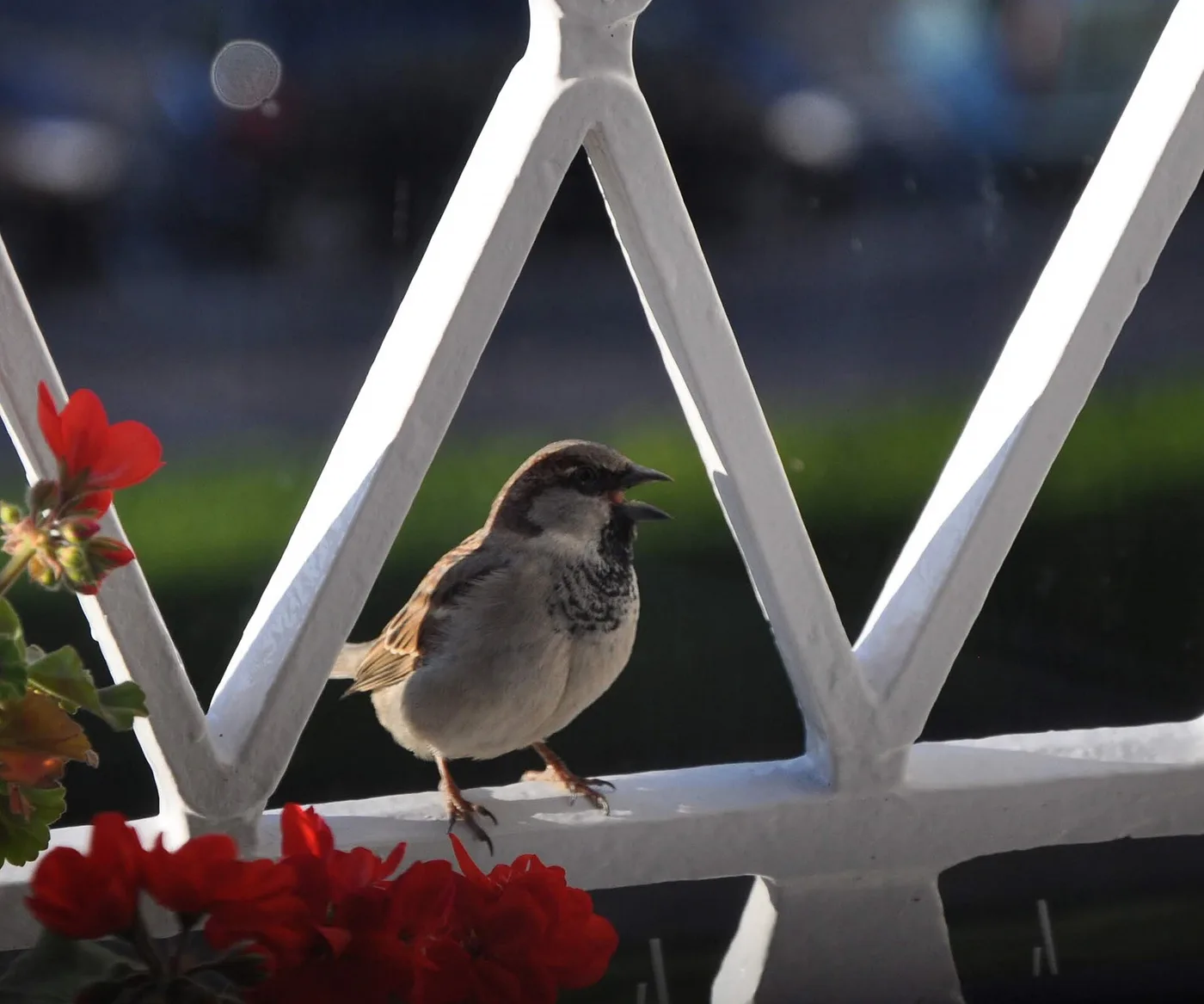
How Birds Get Into Your House
Most bird intrusions are not random accidents. A handful of entry points account for nearly every case, and knowing them makes it easier to prevent repeat visits.
Open windows and doors without screens are the most common culprit. A bird sees light through an opening, flies toward it, and ends up inside before it knows what happened. Once in an enclosed space, birds lose their sense of direction quickly because they are used to navigating by landmarks and open sky.
Uncapped chimneys are a classic entry point, especially for chimney swifts and starlings. An open chimney functions as a bird-sized tunnel straight into your home. Once inside the flue, birds often drop into the fireplace and end up in the main living area. This tends to happen more frequently in spring and summer when birds are actively scouting for nesting spots.
Open fireplace dampers and damaged roof vents round out the usual list. Gaps under eaves are worth checking too, particularly in older homes where the roofline may have shifted or where soffits have deteriorated over time.
Step-by-Step: How to Get a Bird Out of Your House
This method works for almost any bird in your home, from a small sparrow or wren to a larger crow or pigeon.
Step 1: Stay calm and clear the room. Remove young children and pets before you do anything else. A startled human doubles the chaos, and a curious dog or cat makes it much worse. Move slowly and avoid sudden movements or loud noises. You want the trapped bird focused on finding the exit, not panicking away from you.
Step 2: Contain the bird to one room. Shut every interior door between the room the bird is in and the rest of your home. This prevents it from flying deeper into the house and makes the rest of the process much easier.
Step 3: Create a single exit point. Pick the biggest window or exterior door in the room and open it fully. This is where the bird is going to leave, so make it as obvious an opening as possible.
Step 4: Darken every other window. Pull the blinds or close the curtains on every window except the one exit you have chosen. Darken the room as much as possible. Wild birds navigate toward light, so a single bright opening in an otherwise dark room gives them a clear target to fly toward.
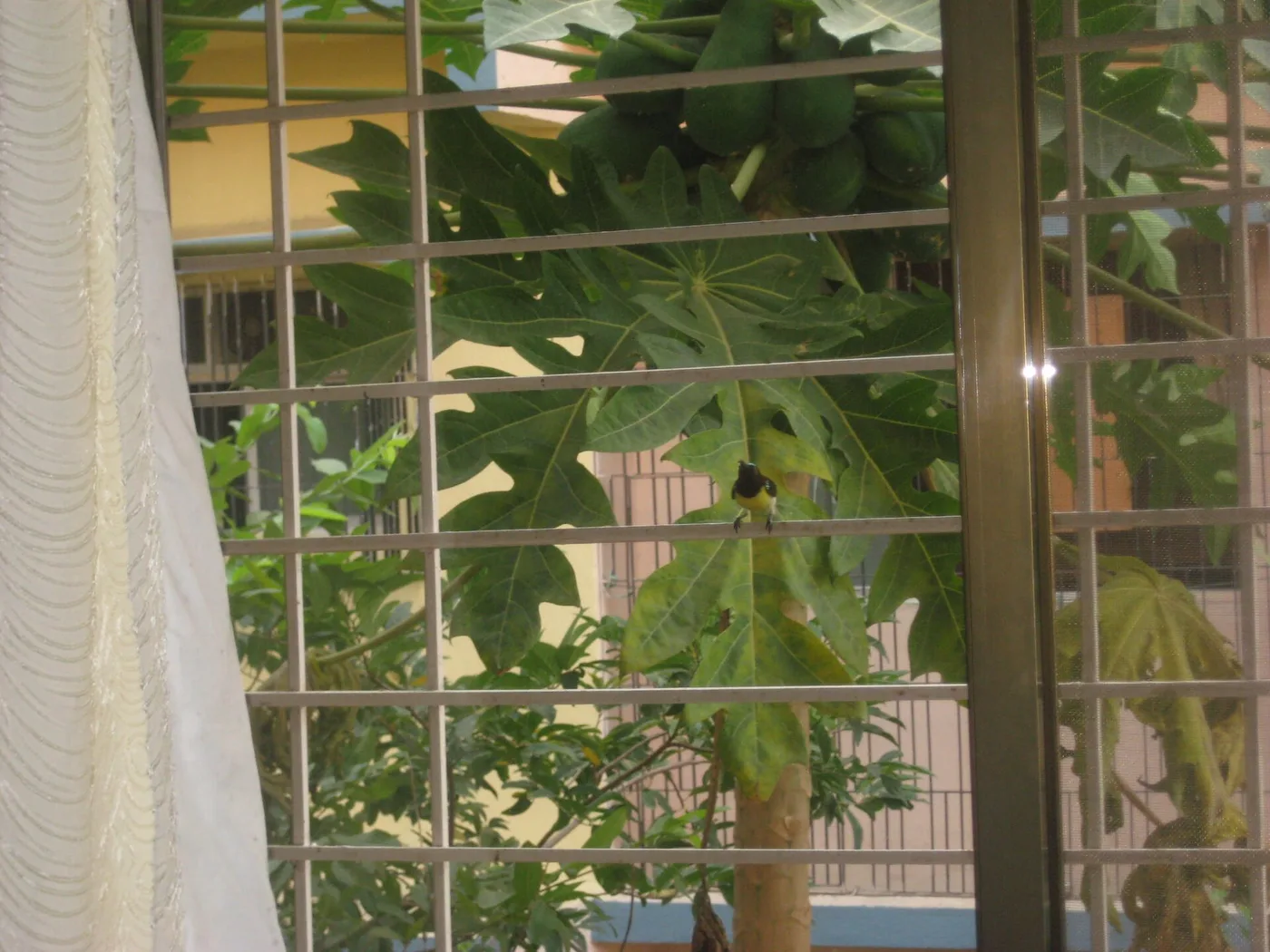
Step 5: Leave the room and wait. This is the step most people skip, and it is usually the most important one. Step outside the room, close the door behind you, and check back after 10 to 15 minutes. In the vast majority of cases, the bird will have found its way out on its own once you have stopped adding to its stress.
What to Do If the Bird Won’t Leave
If 30 minutes have passed and the bird is still in the room, it is time to intervene more directly.
Wait until the bird lands on a surface and is temporarily still. When it does, drape a light towel, sheet, or pillowcase over it slowly and gently. Pick it up through the fabric with both hands, carry it outside calmly, and release it by opening the towel on the ground or on a flat surface. Do not grab the bird directly with your bare hands since it will scratch and bite under stress, and a panicking trapped bird is harder to hold than it looks.
If the bird keeps moving and will not land for long enough to be caught, a soft mesh landing net works well. The type sold for fishing is a practical option and is gentle enough not to harm a small wild bird. Gently encourage it toward an open window or door rather than trying to grab it directly. The goal is to contain or guide it briefly, not to hold it for any length of time.
Keep pets entirely out of the room while you are working on this. A cat or dog in the mix turns a straightforward job into a much longer and more stressful ordeal for everyone involved, including the bird.
How to Get a Bird Out of Your Garage
The same light-and-space approach works in a garage, just at a larger scale. Open the door fully, block or cover any windows, and give the bird a few minutes to find the exit on its own.
A garage adds its own wrinkles, especially if the bird has already built a nest rather than just flown in by accident. How to get birds out of a garage covers that full picture, including barn swallow and house sparrow nests and how to keep the space sealed for good.
What to Do If the Bird Is Injured or Stunned
Wild birds that fly into windows at speed sometimes knock themselves out on impact. You might find one on the ground beneath a window, stunned, unable to fly, or apparently unresponsive.
Do not assume the bird is dead. Many recover fully within 30 to 60 minutes if you leave them in a quiet, dark space away from noise and pets. Place the bird gently in a small cardboard box with a few air holes punched in the sides, close the lid, and set the box somewhere calm.
Check on it after an hour. If it has recovered, it will be moving around inside the box. Take it outside and release it by opening the lid on the ground or a flat surface.
If you find baby birds that have fallen from a nest, leave them in place if at all possible and resist the urge to bring them inside. The parents are almost certainly nearby and will continue to feed them on the ground. Baby birds that appear uninjured do not need to be rescued.
If a bird still cannot stand or fly after an hour, contact a licensed wildlife rehabilitator or your local animal control office. Cornell Lab of Ornithology’s guide to injured birds includes a directory of rehabbers across the country. Most native songbirds are protected under the Migratory Bird Treaty Act, which means keeping an injured wild bird at home, even with the best intentions, is not legally permitted.
How to Stop Birds From Getting Into Your House Again
One bird inside the house is an accident. A second one within a short period is a sign that there is a consistent entry point worth addressing.
Window and door screens are the most straightforward fix. Check yours for tears or gaps and replace anything damaged. A mesh screen door on any exterior door you like to leave open is a worthwhile investment. Birds almost never attempt to fly through a screen, even when they can see light on the other side.
Chimney cap. An uncapped chimney is an open invitation for birds, bats, and squirrels. A stainless steel chimney cap typically costs between $30 and $80 and takes an afternoon to install. It closes off the flue while still allowing smoke and gases to escape, and it keeps out wildlife and rain at the same time.
Fireplace damper. Keep it fully closed whenever the fireplace is not actively in use. This is a free fix that eliminates one of the more common repeat entry points entirely.
Gaps and vents. Walk the exterior of your home and look for any opening larger than half an inch. Pay particular attention to roof vents, the gap between the soffits and the roofline, and any spot where utility lines or pipes enter the building. Seal these with hardware cloth or galvanized wire mesh. For larger openings around outbuildings, decks, or eaves, bird netting is an effective way to block access while still allowing airflow. These same nesting sites are commonly used by wild birds year after year, so sealing them prevents repeat visits across multiple seasons.
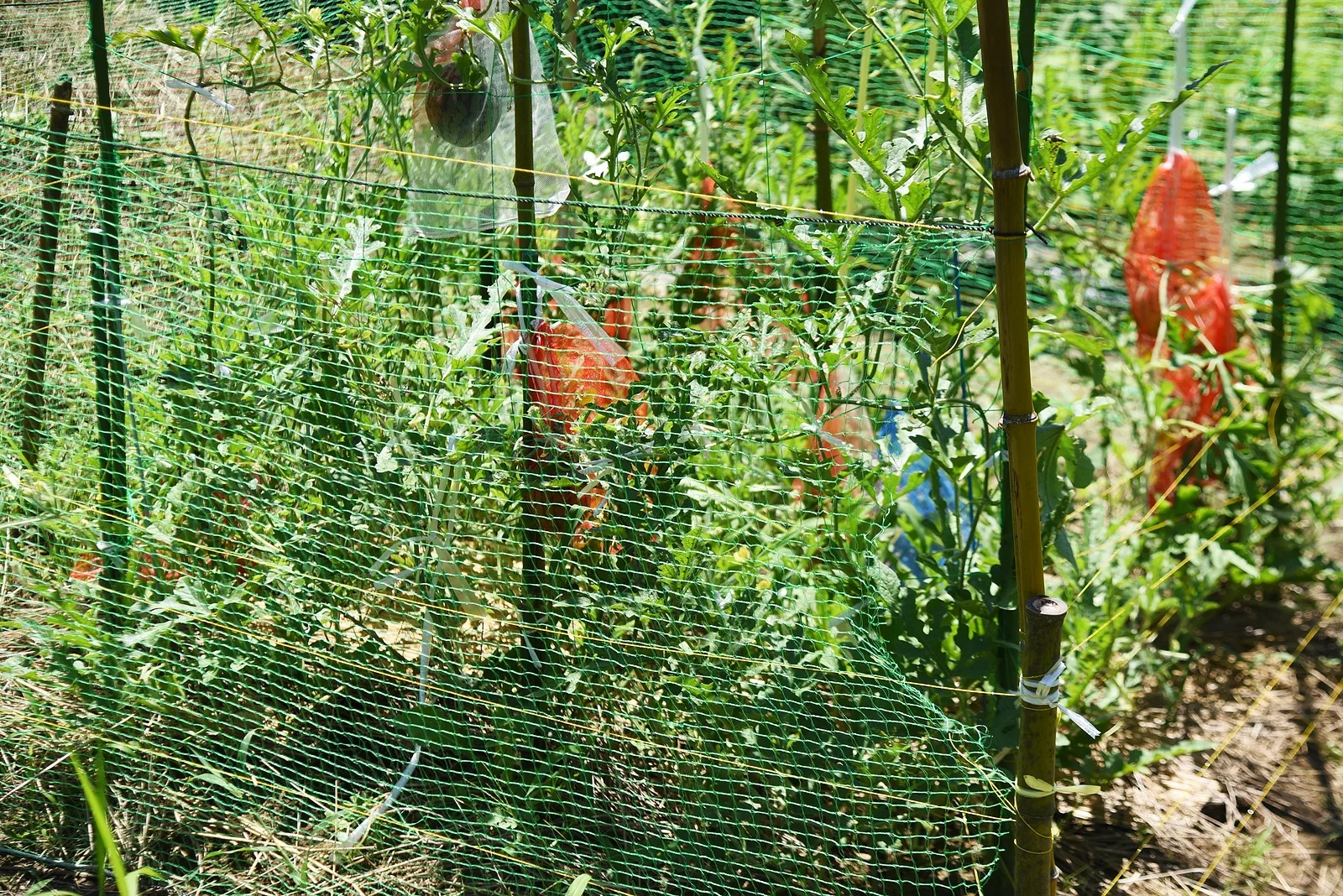
For a complete look at sealing your home against birds, bird-proofing your property covers the full range of barriers and exclusion methods. If pest birds are also gathering on your roof or around your porch, how to keep birds away from your home covers the deterrents that work over the long term.
Images: Sparrow on window by Philippe Alès, CC BY-SA 4.0. Sparrow at window by Raman Patel, CC BY 3.0. Via Wikimedia Commons.


Free: The 5-Step Bird-Proofing Checklist
Work through the right steps in the right order, before spending money on the wrong deterrents. Printable PDF, straight to your inbox.
No spam. Unsubscribe any time.