How to Get Birds Out of a Garage (and Keep Them Out)
Contents[hide]
To get a bird out of a garage, open every door and window, turn off the interior lights, and give it a clear, unobstructed path outside. Do not chase it, especially toward walls or windows. If it has already built a nest, confirm the species before touching it, since some garage-nesting birds are protected by federal law.
In this article, you'll learn how to get birds out of a garage and keep them out. We'll cover safe release, nest handling, and entry exclusion.
Why Do Birds Get Into Garages?
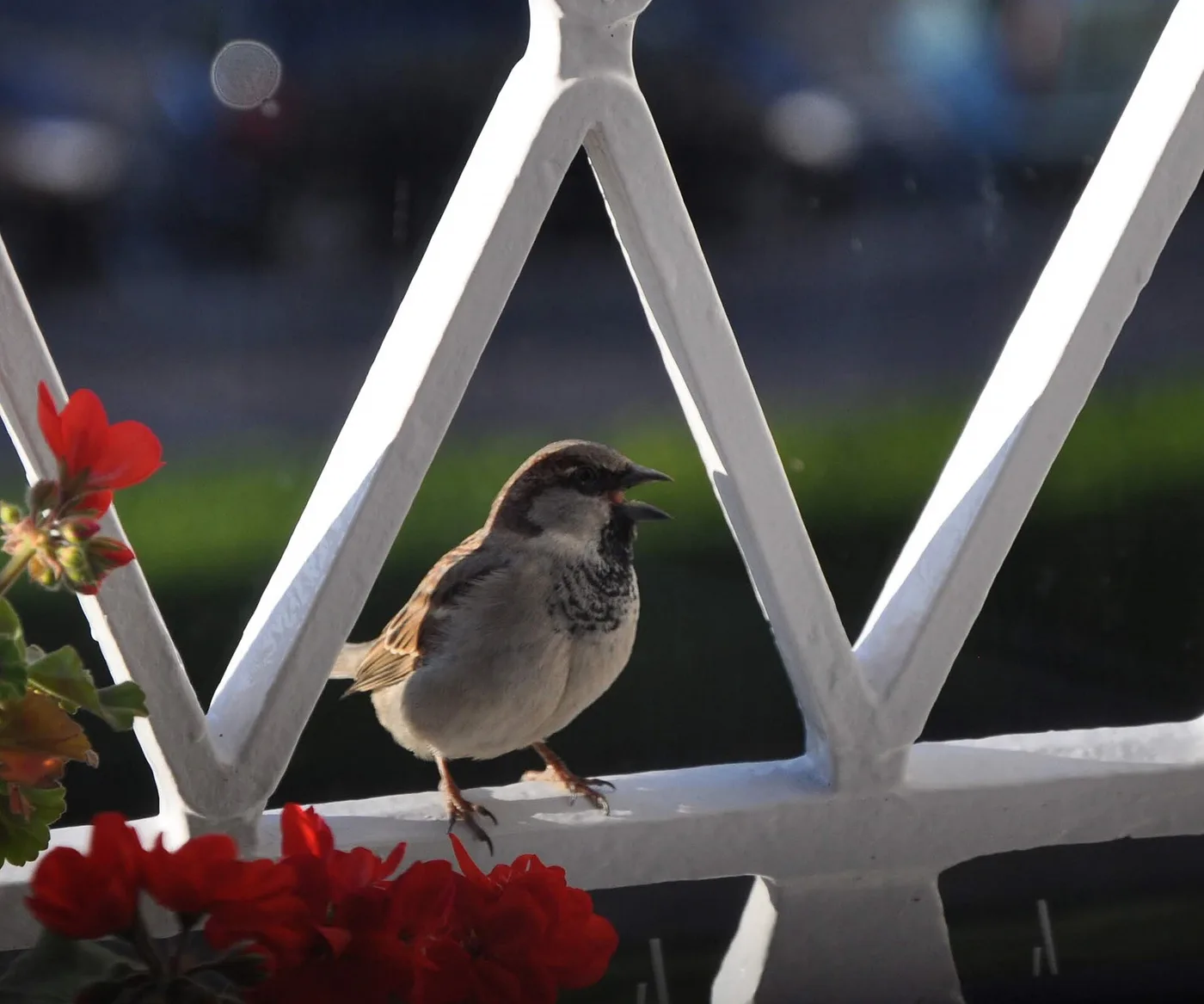
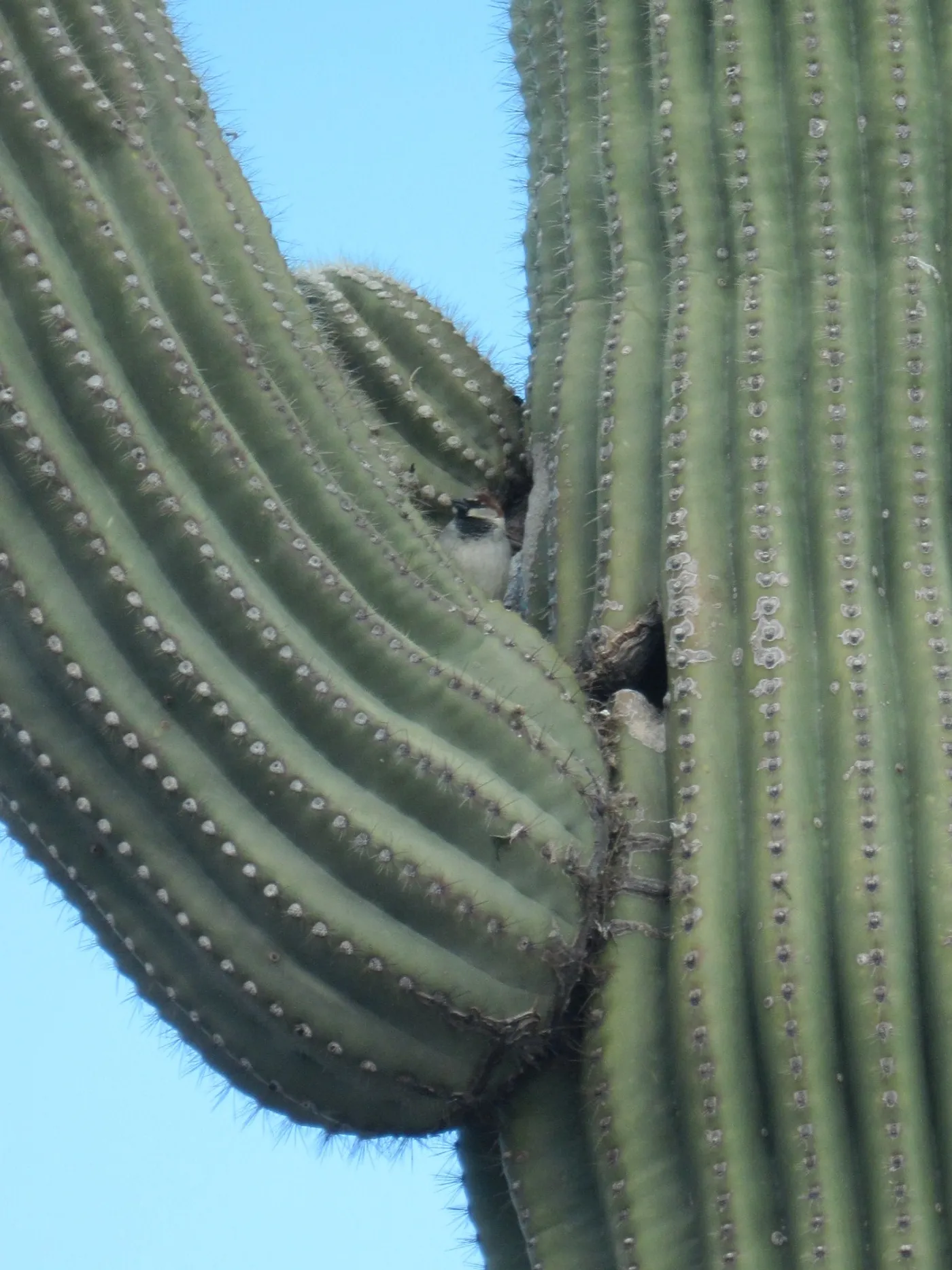
A garage reads as a cavity nest site to a small bird. It is dry, sheltered from weather, and safe from most predators. That is especially true once a bird finds an open rafter or a ledge near the ceiling. An open door during the day is the easiest way in.
Once a bird flies to the back of the garage, it often cannot find its way back out the same opening it used. Gaps around the garage door seal, vents, and eaves let birds in even when the main door stays shut. A worn weatherstrip at the bottom of the door is often all a sparrow needs.
How to Get Birds Out of Garage Spaces
The same basic method works whether the bird is stuck near the door, a rafter, or a vent. Open every exterior door and window and shut off the interior lights, so the daylight outside is the brightest option the bird can see. Step back and give it room.
A bird under stress flies toward light and away from movement. Standing near the exit or waving at it usually keeps the bird from leaving rather than helping it along. Give it 10 to 15 minutes before trying anything more active.
If it still has not left, try gently guiding it with a long pole or broom held well away from its body. Never touch the bird directly. Closing off side areas, like a workshop nook or storage loft, helps too. It funnels the bird toward the open main door instead of a dead end.
If it keeps flying back to the same corner instead of the exit, that could mean a nest nearby. Look in the rafters and on nearby shelving before assuming it is simply lost.
What If It Happens After Dark?
A bird rarely flies well at night, so trying to guide one out in the dark usually just adds stress without results. Leave the exterior light over the door on, keep the rest of the garage dark, and check back in the morning. Most birds settle in place overnight and fly straight out once there is real daylight to aim for.
Why Birds Circle Near the Ceiling
A bird that keeps flying up near the rafters instead of toward the open door may not be confused at all. It is often just looking for the highest point in the room, the same instinct that has it perch high in a tree. That instinct fades once the exit becomes the brighter, more obvious choice.
What Not to Do
Do not spray the bird with water or wave a bright flashlight at it. Both add stress without helping it find the exit.
Do not leave a single door cracked open and call it done, either. Birds often miss a narrow gap they can technically fit through. A fully open door works far better than a partial one.
Cover any closed window or skylight in the garage with a towel or cardboard while you work. A bird under stress can strike glass at full speed if it looks like open sky, and covering it removes that risk entirely.
Before You Start
Turn off any ceiling fans running in the garage, since a panicked bird flying near moving blades is a real risk to both of you. Close the interior door that connects to the house, so the bird cannot get farther inside if it flies the wrong way. Keep pets out of the space entirely while you work.
What to Do If the Bird Won’t Leave
If 30 minutes have passed with every door and window open and the bird still has not left, you may need to catch it. Wait until it lands somewhere and is briefly still, then drape a light towel over it slowly and gently.
Pick the bird up through the fabric with both hands and carry it outside. Set it down on a clear surface, then carefully lift the towel away. Do not grab it with bare hands, since a stressed bird will scratch and bite.
If it keeps moving and will not settle long enough to catch, a soft mesh fishing net used gently can help. If you cannot catch it safely, a wildlife control company can.
If the Bird Seems Injured or Exhausted
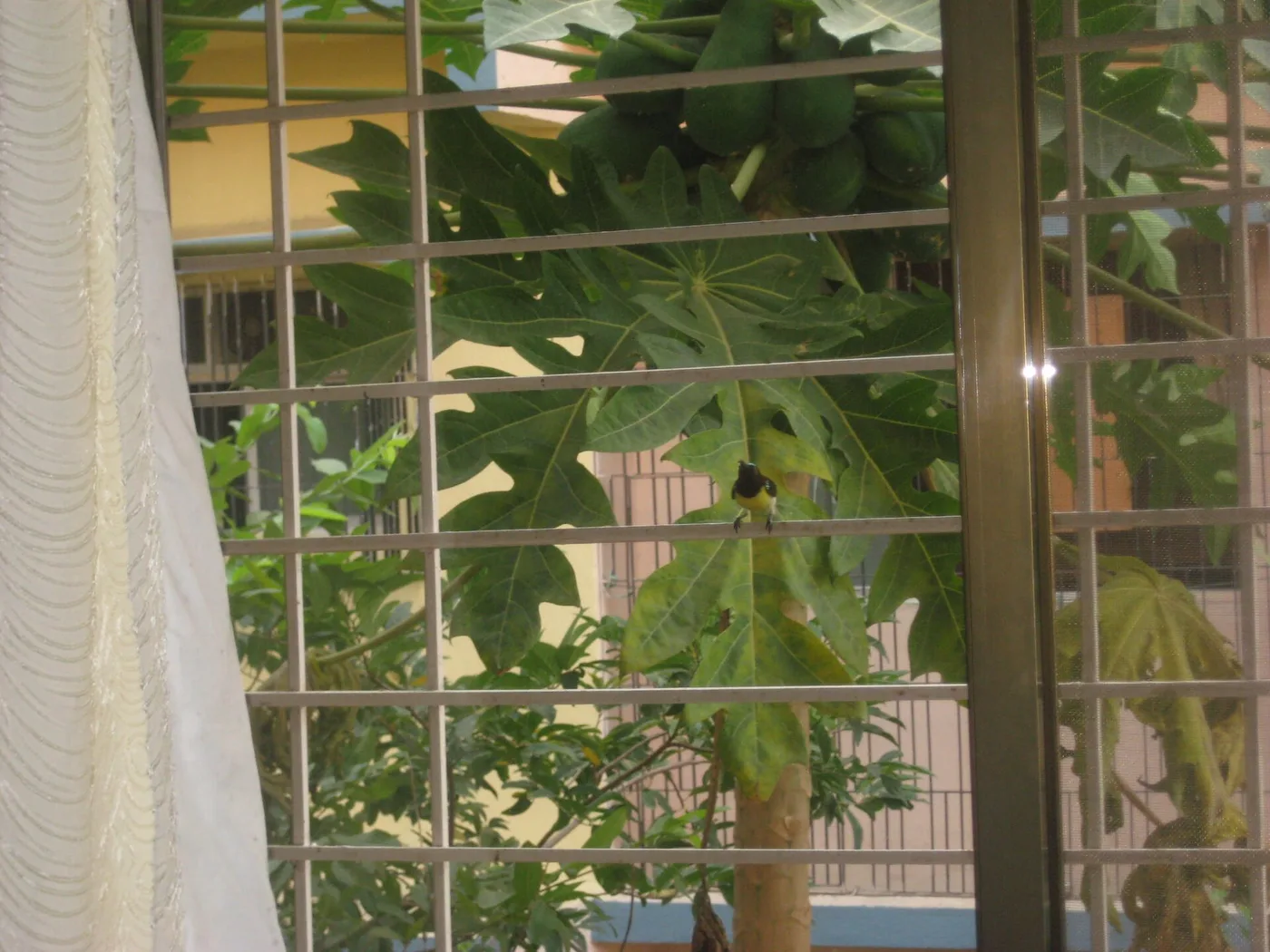
A bird that hit a window or a wall sometimes ends up stunned or too exhausted to fly. Place it gently in a small cardboard box with a few air holes punched in the lid. Set the box somewhere quiet and dark for 30 to 60 minutes. Many recover fully on their own once the noise and stress stop.
Check on it after an hour. If it is moving around the box, take it outside and release it on the ground or a flat surface. If it still cannot stand or fly after that hour of emergency care, contact a licensed wildlife rehabilitator rather than keeping it at home longer. Most native songbirds are protected, so ongoing care belongs with a licensed rehabber, not a homeowner.
What If There’s a Nest in the Garage?
Confirm the species before touching anything. House sparrows and European starlings are not protected under the Migratory Bird Treaty Act, so their nests can legally be removed at any time. Even so, chicks still too young to fly need a parent to survive. If the nest has to come down, contact a wildlife rehabilitator rather than moving the chicks yourself.
Barn swallows are a different story, and they are common garage nesters. They build mud-cup nests on rafters, door tracks, and light fixtures just inside an opening. These spots are much like the barn eaves they normally use.
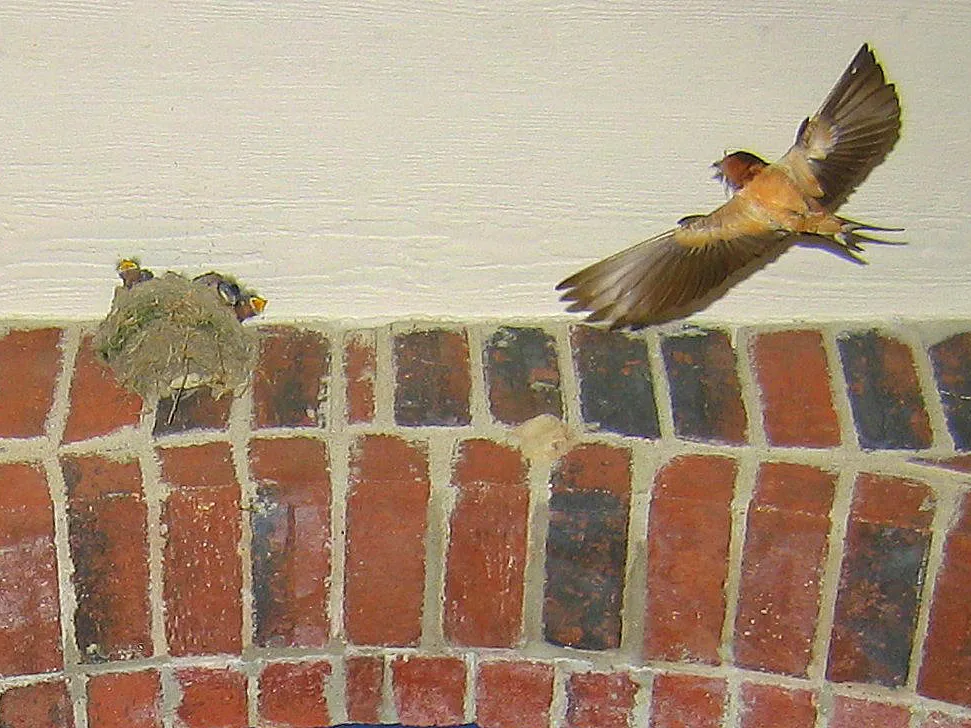
These birds are native and protected. An active barn swallow nest with eggs or chicks has to stay until the young leave on their own, usually within three to four weeks of hatching.
An empty nest from a past season is legal to remove once you have confirmed the birds are gone for the year.
Cleaning Up Droppings and Nest Debris Safely
Old nest material and the droppings under it can carry bacteria, and heavier buildups can carry the fungal spores that cause histoplasmosis, a lung infection. Wear gloves and an N95 mask before clearing it out, and bag the debris directly instead of sweeping it into the air.
A stiff-bristle broom and a bag work fine for a small, fresh nest. A heavier, older buildup is worth handling the same way a professional attic cleanup would, with a respirator and sealed disposal rather than a quick sweep.
Which Birds Commonly Nest in Garages?
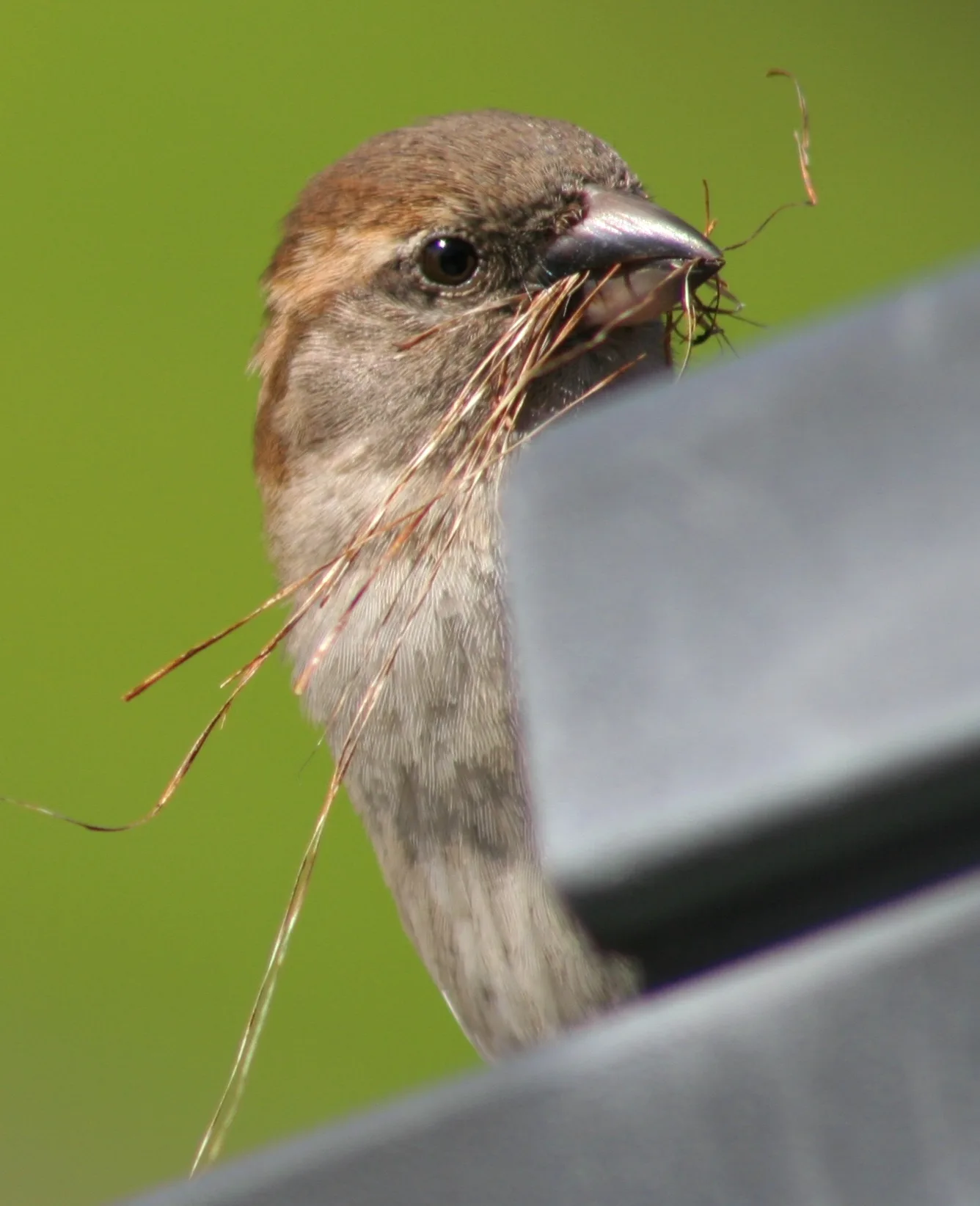
House sparrows favor small gaps in wall vents, stacked boxes, or shelving near the ceiling. They build a loose grass nest that can look messy fast.
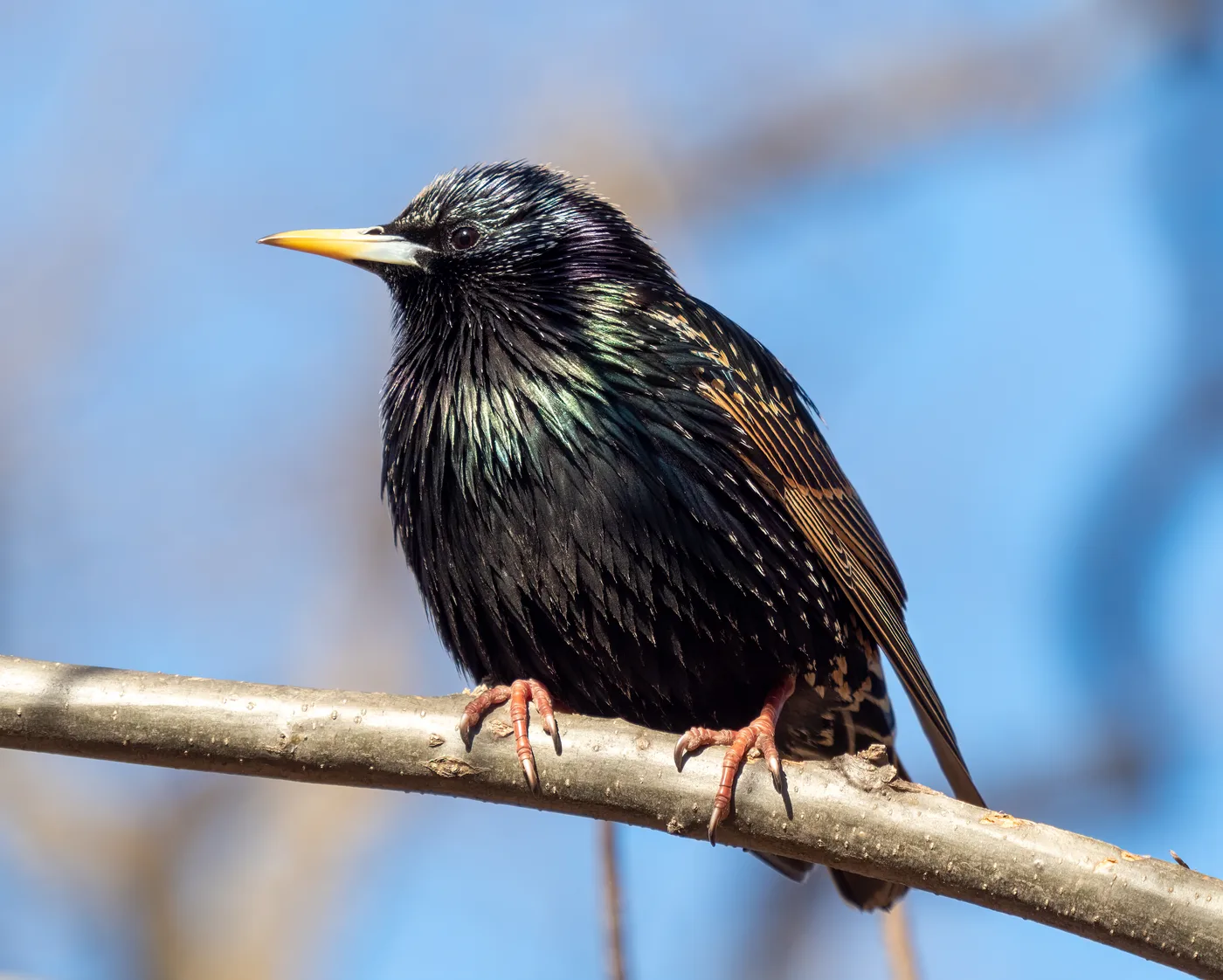
European starlings prefer a similar cavity, but often pick a spot with a slightly wider opening, like a gap around a vent pipe.
Barn swallows are the outlier among garage nesters, since they do not need a cavity at all. A flat rafter, a ledge above a door track, or even a hanging light fixture gives them enough of a base to build their mud cup.
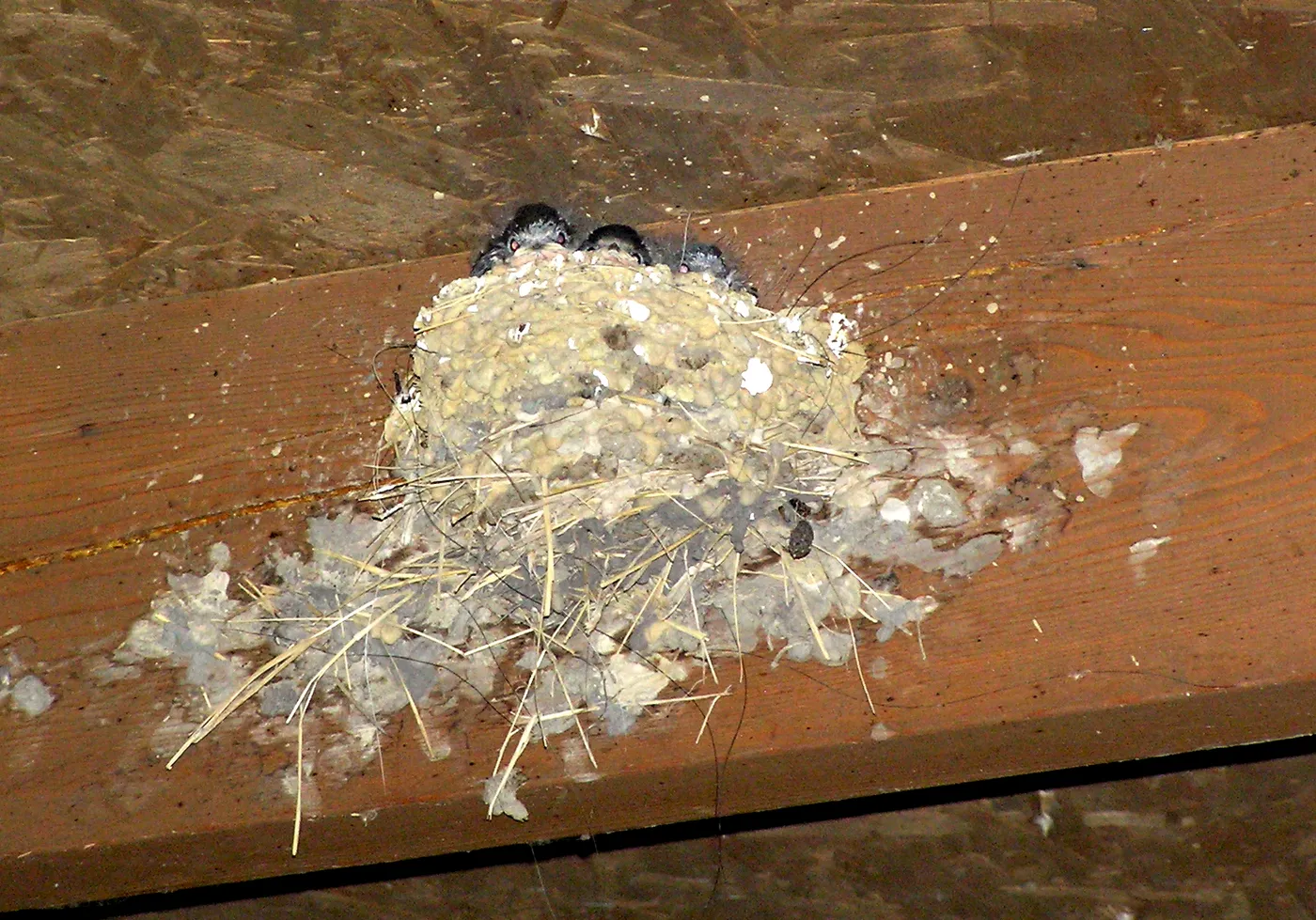
That difference in nest style, mud versus grass, is the fastest way to identify which bird built a nest. You rarely need to see the adult at all.
How to Keep Birds Out of a Garage for Good
Close the door promptly instead of leaving it open through a working day. A garage that is only open for the seconds it takes to drive through gives a bird far less opportunity than one propped open for hours.
Find the Entry Point Before You Seal Anything
Once the garage is clear, walk the space and figure out how the bird actually got in rather than sealing gaps at random. Fixing the real gap saves you from sealing three spots to catch the one that mattered.
Door bottom. A worn or gapped weatherstrip along the bottom of the garage door is the single most common way in. Press down on the seal while the door is closed. If daylight shows through anywhere along its length, that is your gap.
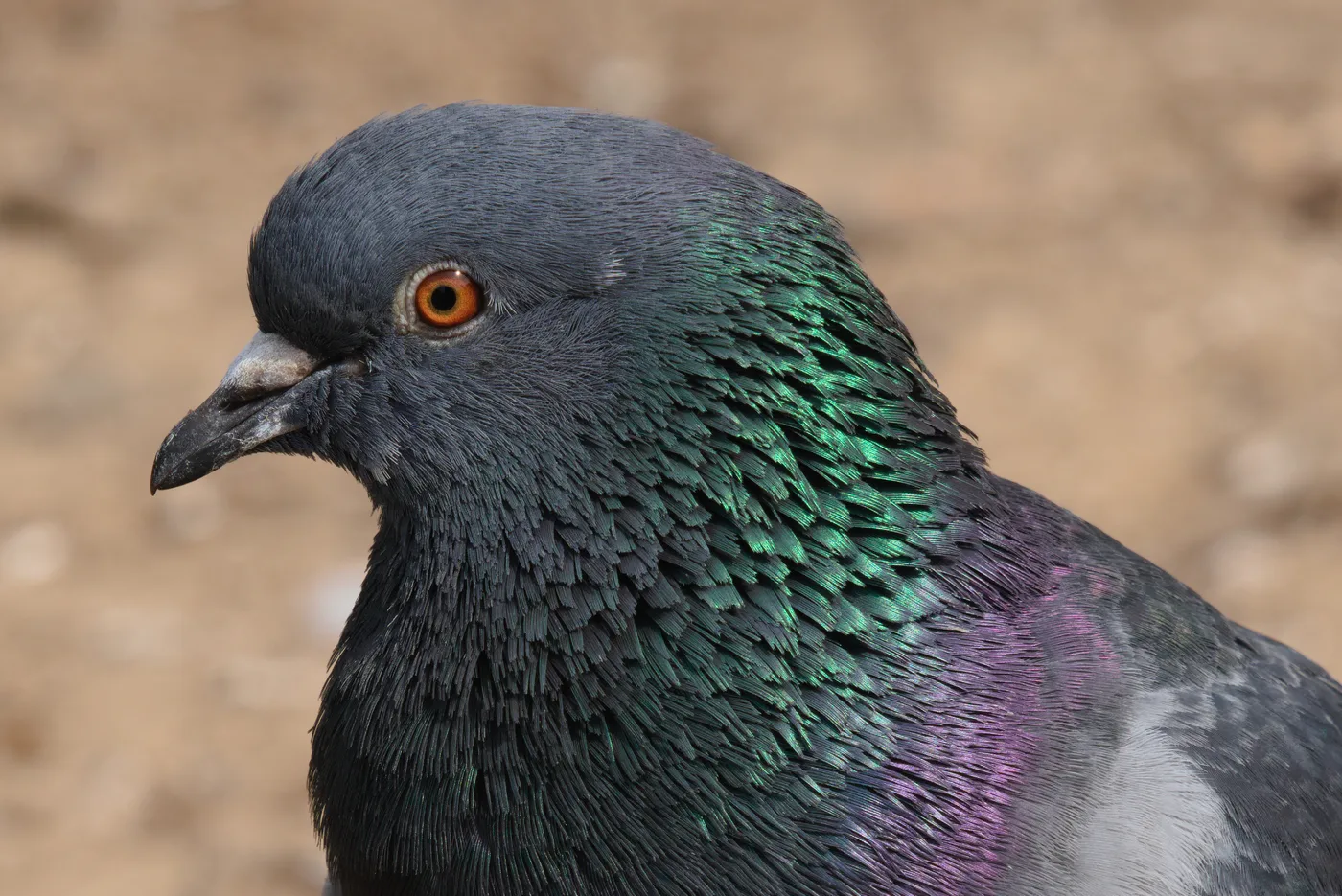
Vents. Dryer vents, soffit vents, and any wall vent lacking a screen give a bird a small, dark opening that looks like a ready-made cavity.
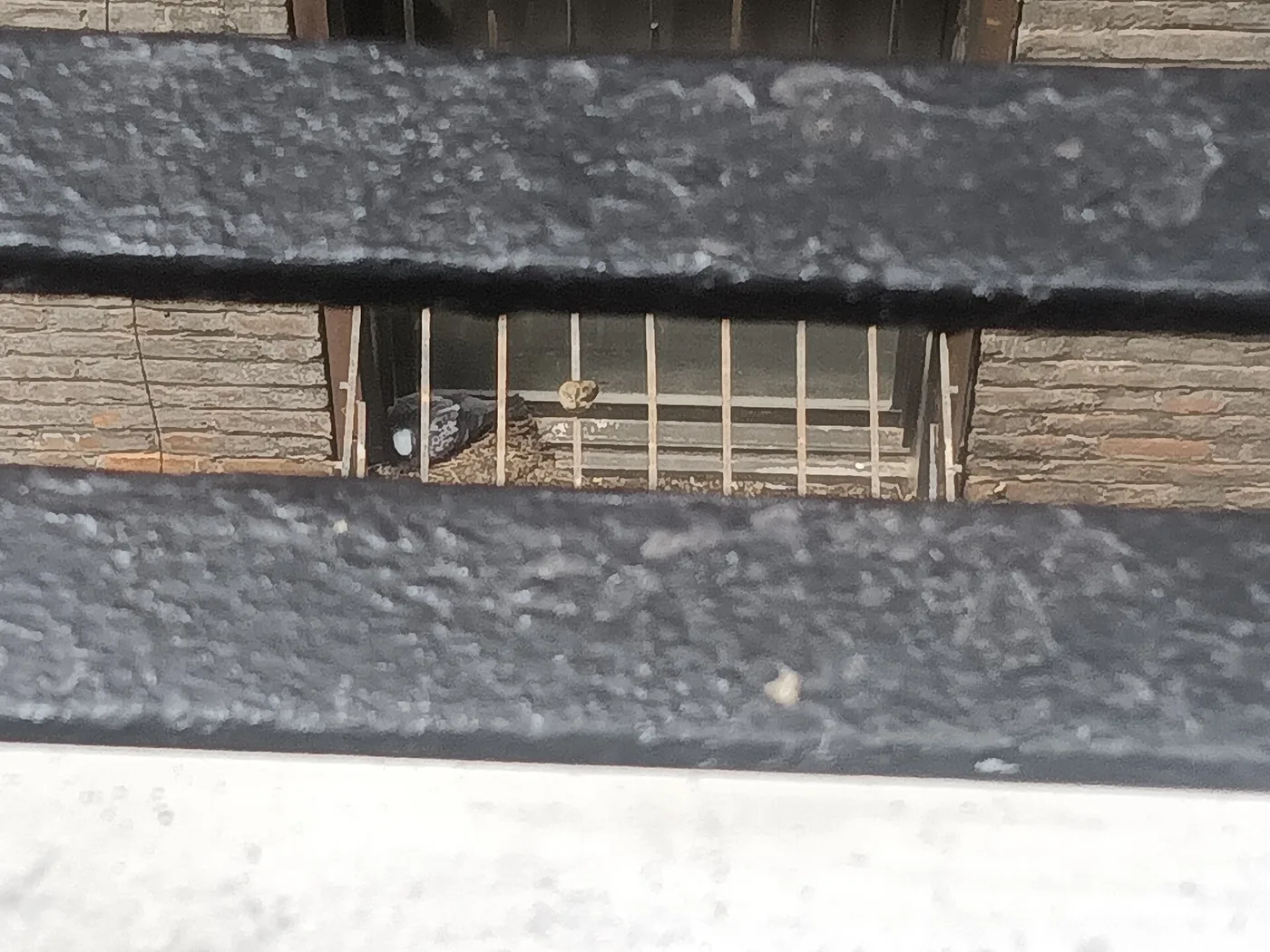
Roofline and eaves. A gap where the roofline meets the garage wall, or a section of soffit that has pulled away, is harder to spot from the ground but just as common. A pair of binoculars from the driveway usually finds it faster than a ladder.
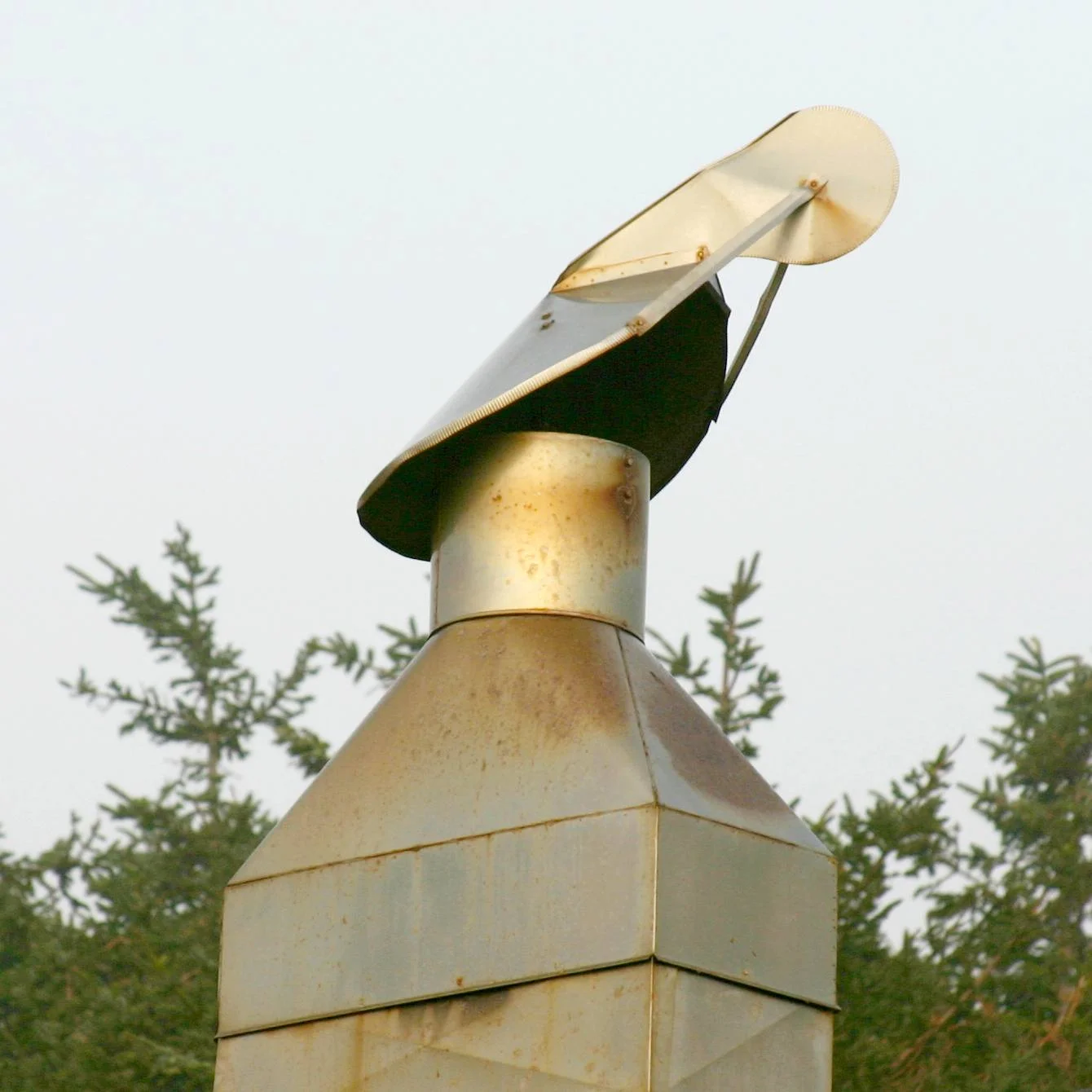
Seal whichever gap you find, and any others nearby, with weatherstripping or hardware cloth. This is the fix used on a house’s attic entry points too. For an opening that needs to stay open for airflow, a strip curtain or a fine mesh screen works instead. Either one blocks birds while still letting air and light through.
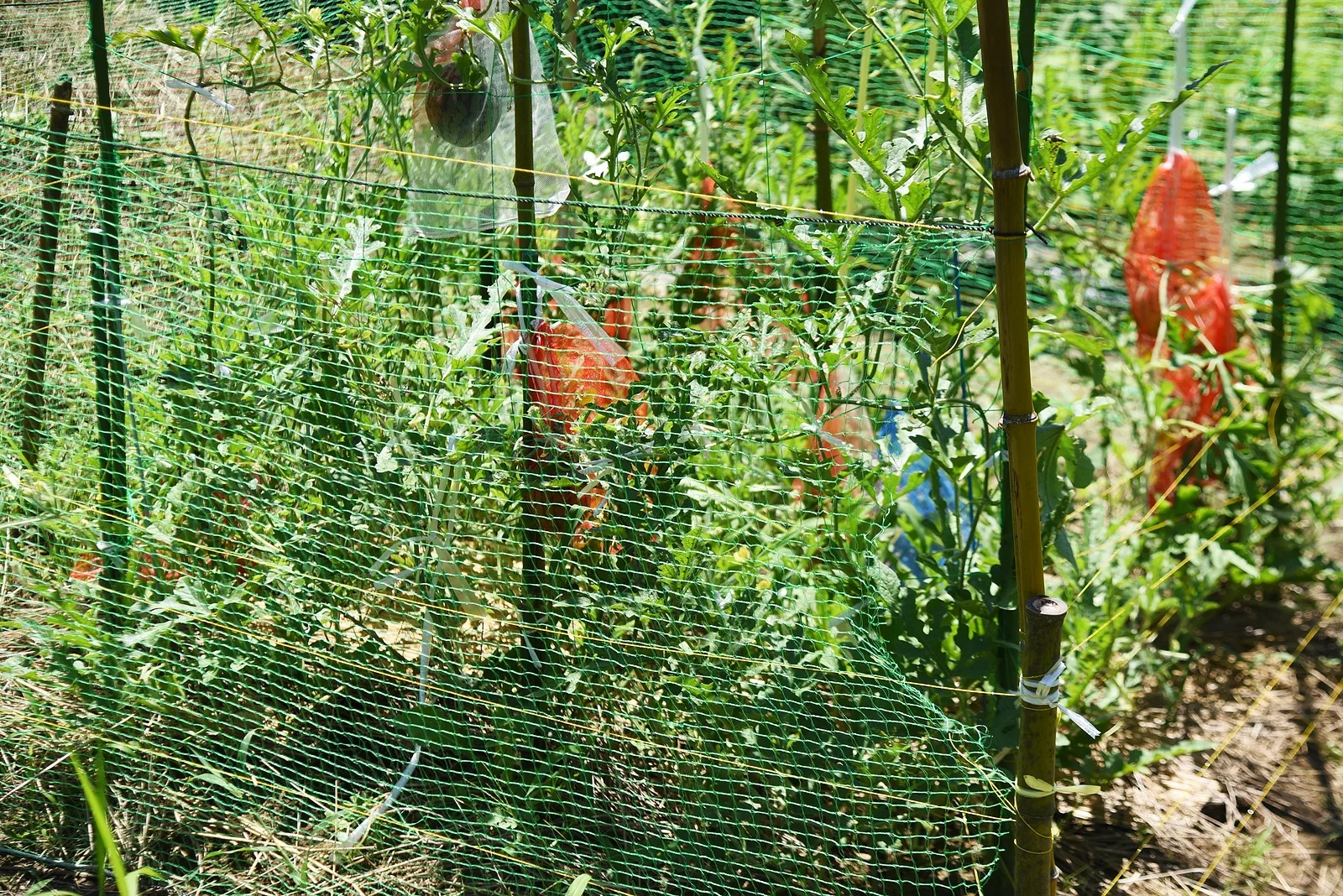
A mesh small enough to stop a house sparrow, roughly three quarters of an inch or smaller, keeps out every species covered here. Anything wider lets the smallest birds squeeze through.
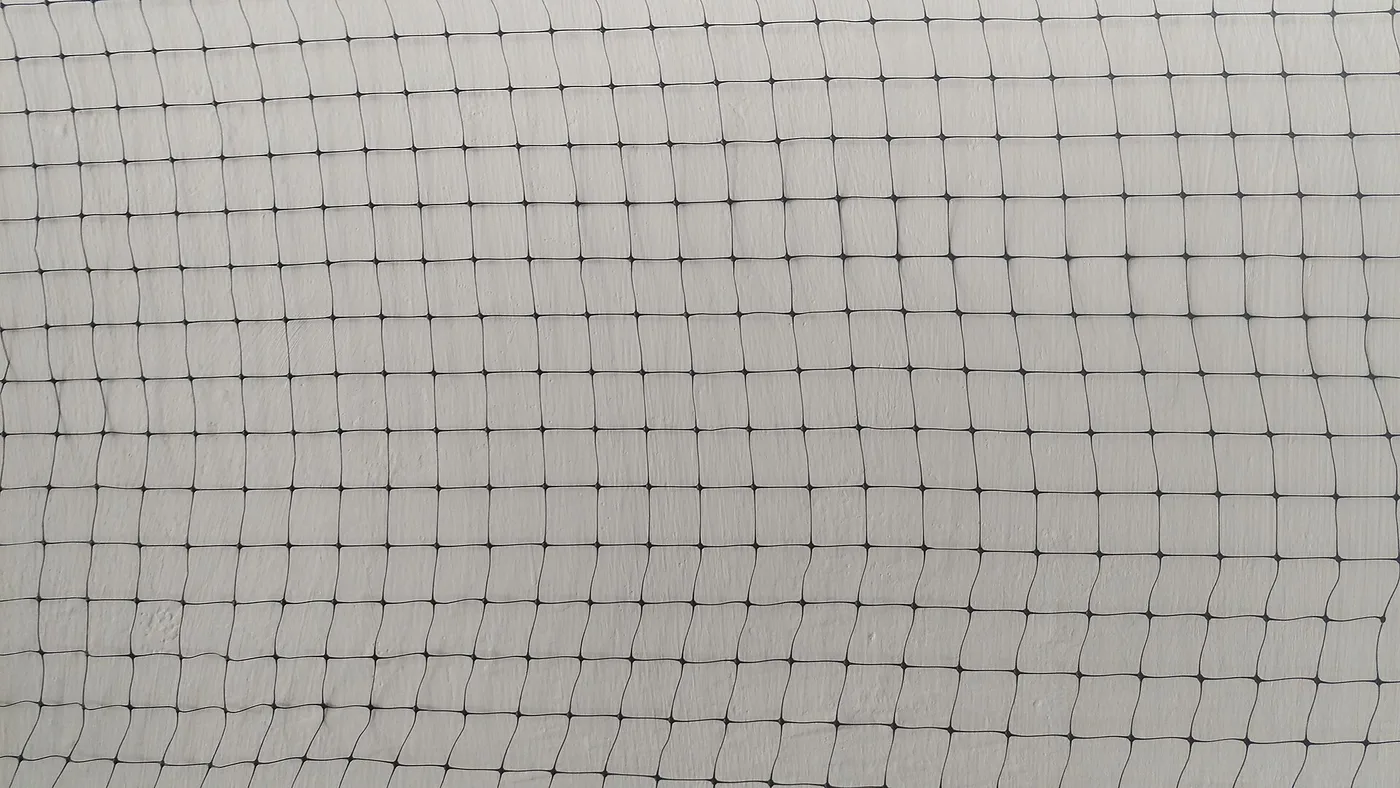
Check the same corners each spring before nesting season starts, since a gap that was clean last fall does not always stay that way.
Remove What Draws Them In
Bagged birdseed and open pet food stored in a garage are a bigger draw than most people realize. A torn bag or an unsealed bin gives a bird a reason to keep coming back even after every gap is sealed. Store both in hard plastic or metal containers with tight lids.
Why the Same Bird Might Come Back
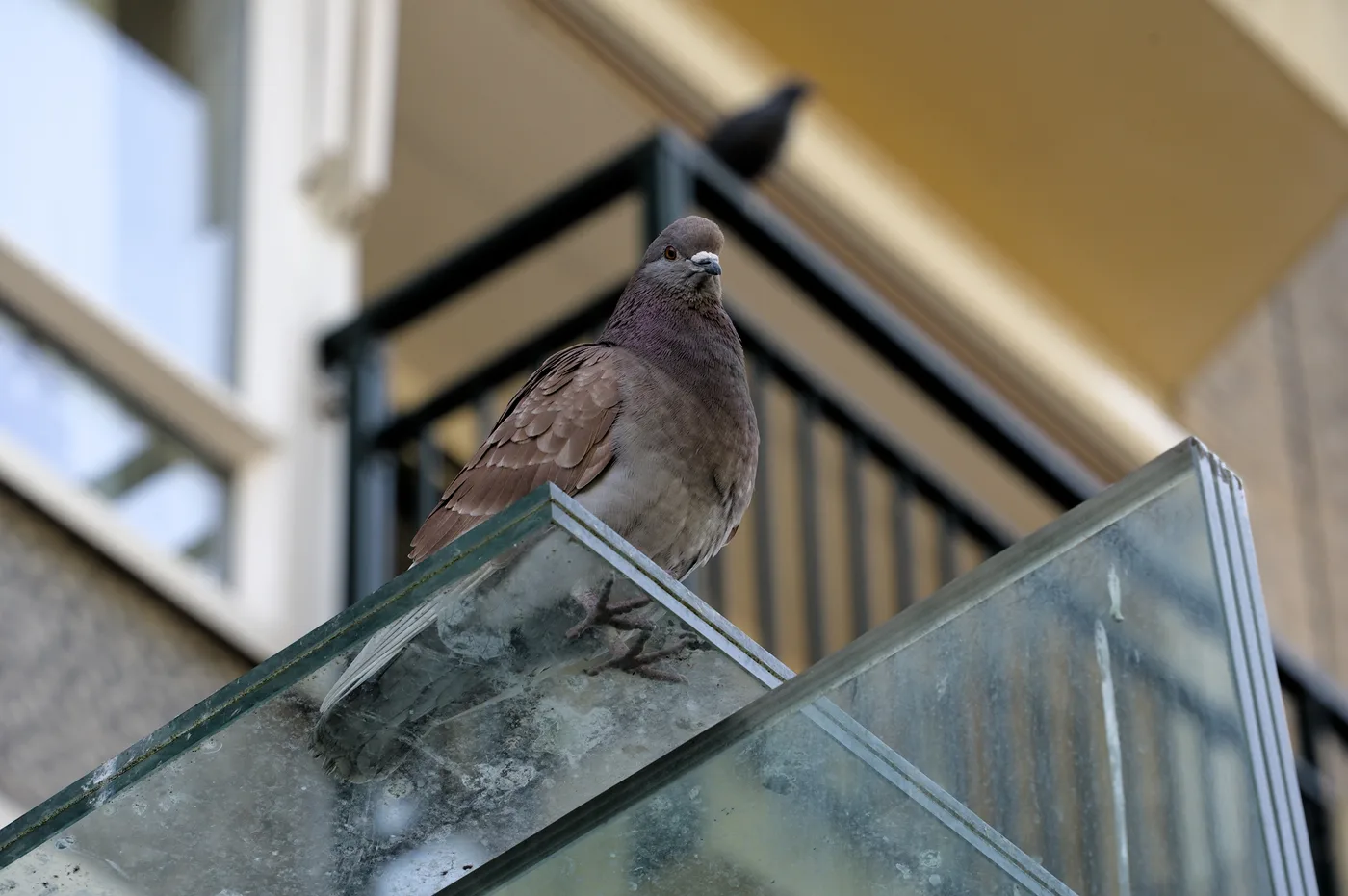
A pair that nested successfully once often returns to the identical spot the next season, even after the nest itself is gone. That is why sealing the actual gap matters more than just clearing the nest. The nest was never the real draw. The opening was.
When Should You Call a Professional?
Most single-bird and single-nest situations in a garage are a homeowner job. A wildlife control company is worth calling if you cannot safely catch the bird after trying the steps above. A nest somewhere hard to reach safely is another good reason.
Call one too if the same spot keeps attracting new nests and you cannot permanently seal it off yourself.
For the cost of that kind of call, bird removal cost breaks down real pricing by job type. If the bird flew into the house itself rather than the garage, how to get a bird out of your house covers that different situation. The bird removal hub covers removing birds from garages, attics, and chimneys alike.
Images: House Sparrow nesting in saguaro cactus by Brambleshire, CC BY-SA 3.0. Barn swallow with nest by Sarum blue, CC BY-SA 3.0. Baby barn swallows by Montanabw, CC BY-SA 4.0. Sparrow at window by Raman Patel, CC BY 3.0. European starling by Rhododendrites, CC BY-SA 4.0. Pigeon nesting in air conditioner cage by Jay Dobkin, CC BY-SA 4.0. Female house sparrow with nesting material by John Haslam, CC BY 2.0. Feral pigeon roosting by Satdeep Gill, CC BY-SA 4.0. Common chimney cowl, Oregon by Stephen Inoue / R. S. Shaw, public domain. Sparrow on window by Philippe Alès, CC BY-SA 4.0. Pigeon on a balcony rail by Benoit Brummer, CC BY 4.0. Anti-bird mesh close-up by SaturninoOpi, CC BY-SA 4.0. Via Wikimedia Commons. Netting photo via BirdProofingHQ.


.jpg)


.jpg)

Free: The 5-Step Bird-Proofing Checklist
Work through the right steps in the right order, before spending money on the wrong deterrents. Printable PDF, straight to your inbox.
No spam. Unsubscribe any time.