Bird Removal Cost: What Professionals Actually Charge
Contents[hide]
- 1. Cost at a Glance
- 2. What Affects Bird Removal Cost
- 3. How Much Does It Cost to Get Birds Out of an Attic?
- 4. Health Risks That Justify the Cleanup Cost
- 5. Nest Removal Cost vs. a Full Attic Job
- 6. Cost by Location
- 7. Does the Species Change the Price?
- 8. Keeping Birds From Coming Back
- 9. DIY vs. Hiring a Pro
- 10. Does Homeowners Insurance Cover Any of This?
- 11. When You Need a Permit, and What That Costs
- 12. Why Quotes Vary by Region
- 13. Getting a Fair Quote
Professional bird removal runs $150 to $600 for a single nest or vent, and $300 to $1,500 or more for a full attic infestation with cleanup and sealing. DIY costs nothing beyond basic safety gear, when the species and situation make it legal. Get a free inspection quote before paying anything, since access and cleanup drive the final price.
In this article, you'll learn what professional bird removal costs and why. We'll cover price factors, attic jobs, and DIY limits.

Cost at a Glance
- Single nest (ledge, vent, or eave): $150 to $500
- Chimney nest with a sweep: $200 to $600
- Full attic infestation: $300 to $1,500 or more
- Gutter nest and cleanout: $150 to $400
- Garage or shed nest: $100 to $300
- Entry sealing, per job: $100 to $600
- Emergency or after-hours call: add $50 to $150
- Minimum service fee: $75 to $150
What Affects Bird Removal Cost
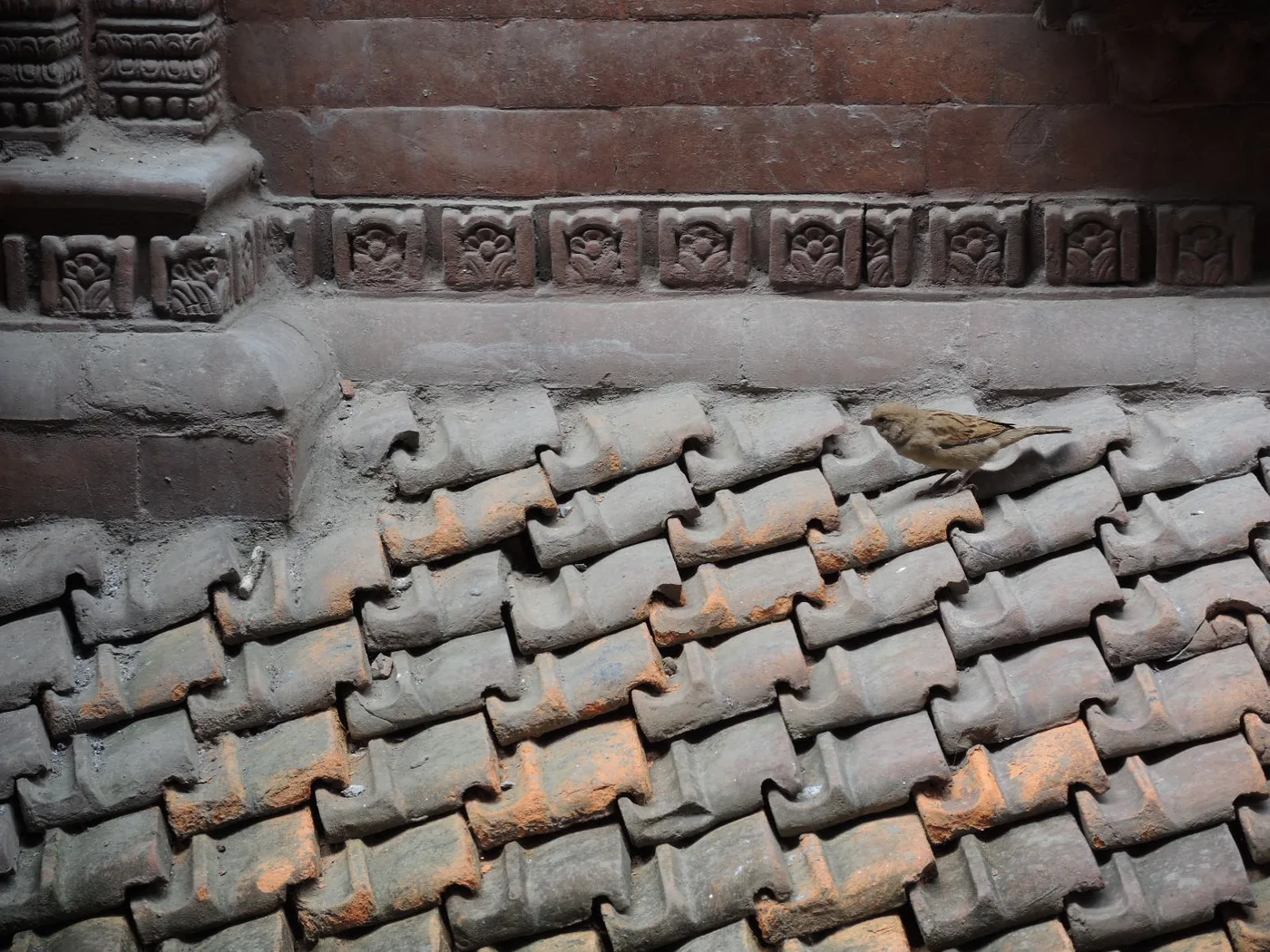
Every quote comes down to the same handful of factors. Knowing them tells you whether a price is fair before you sign anything.
Access matters most. A ground-floor vent or a single ledge nest is a quick job. A roofline three stories up is a different story. A job needing a ladder truck or scaffold adds a lot to the labor cost before anyone touches a nest.
Droppings volume is next. A light season of use can take just minutes to clean. Years of buildup in an attic means contaminated insulation. The crew needs respirators and sealed disposal bags to clean it out.
Sometimes it means full insulation replacement, which is the single biggest cost driver on an attic job.
The species matters too, since whether the bird is protected changes everything. An unprotected nest can come out right away. A protected one with an active nest usually means a wait or a permit. Either one gets built into the quote.
Finally, the number of entry points changes the sealing bill. One gap costs one repair. A roofline with five gaps costs much more to seal shut.
How Much Does It Cost to Get Birds Out of an Attic?
An attic job is usually priced as a package, not a single service call. The same visit typically covers inspection, removal, sealing, and cleanup together.
Inspection: $75 to $200, often waived if you book the full job. A tech walks the roofline and attic looking for every gap, including the ones you would never spot yourself.
Removal and exclusion devices: $150 to $400. Unprotected species get removed immediately. A protected species without eggs or chicks in the nest gets a one-way door instead. It lets the adult birds leave but not return, and the job finishes once the nest empties on its own.
Sealing entry points: $100 to $600 depending on the number of gaps and the materials around them. Hardware cloth over a vent is cheap. Rebuilding a damaged soffit section costs more.
Droppings and insulation cleanup: $300 to $1,000+ for a heavily contaminated attic. Old insulation soaked in droppings has to come out and get replaced, since cleaning it in place does not work.
Add it up and a light job (one entry point, minimal droppings) lands around $300 to $500. A heavy, years-old infestation with insulation replacement can run $1,500 or more. To handle the sealing step yourself, how to get birds out of the attic walks through the inspection and exclusion steps. That is normally billed work.
Health Risks That Justify the Cleanup Cost
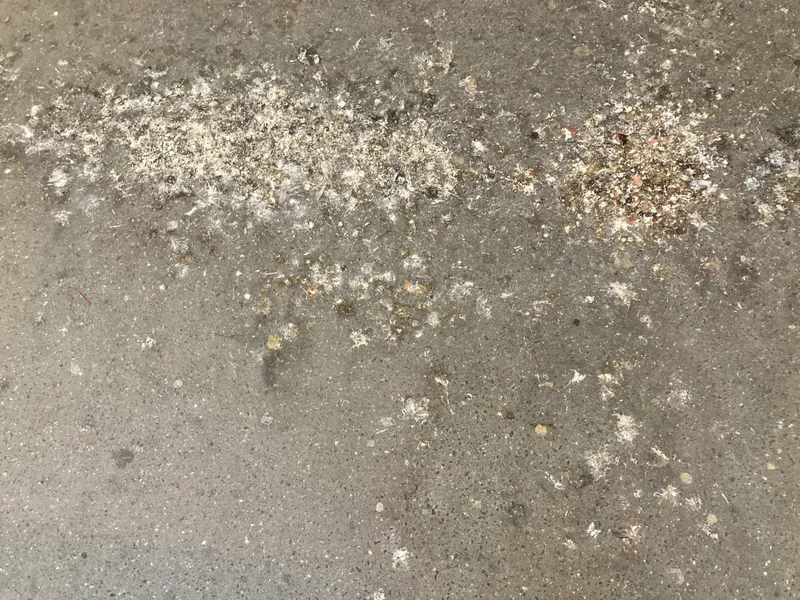
Old droppings and nesting material are more than a mess. Bird mites and fleas can survive in an empty nest for weeks and bite people nearby once the birds move on. Dried droppings also carry histoplasmosis, a lung infection spread through dust when the material gets disturbed.
Salmonella can spread from contact with contaminated surfaces too. That is why a proper cleanup quote includes protective gear and often a full insulation swap rather than a quick vacuum. A company skipping respirators and sealed disposal bags is cutting a corner that matters, not saving you money.
Nest Removal Cost vs. a Full Attic Job
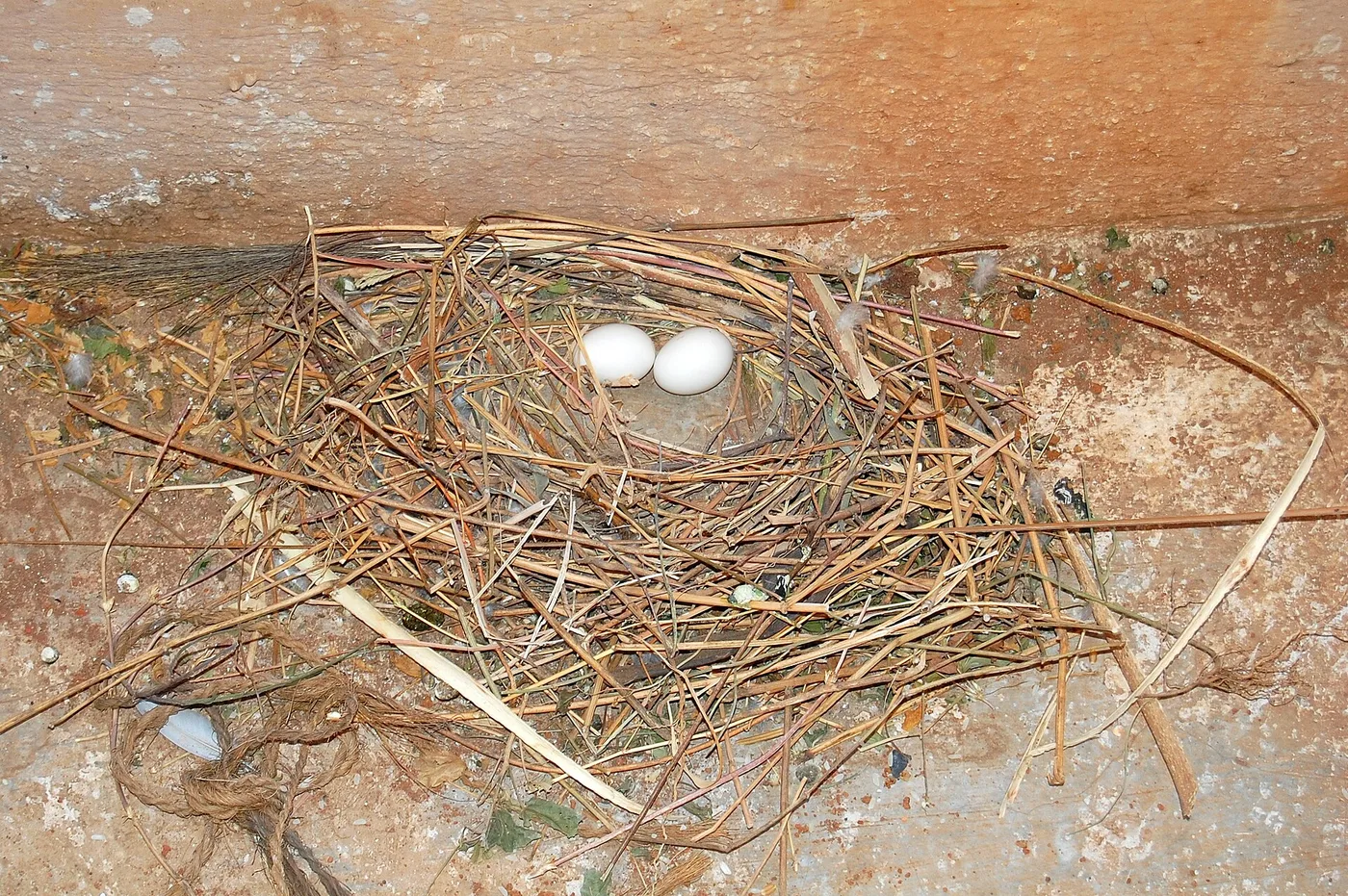
Not every bird problem is an attic-sized job. A single nest on a ledge, in a dryer vent, or under an eave is priced separately and much cheaper.
Professional removal of one nest typically runs $150 to $500 for a ledge, vent, or eave nest. A harder spot like a chimney can run up to $600. The bird nest removal breakdown covers the exact steps and pricing by location. You will also learn which nests you can legally touch yourself.
The rule of thumb: one nest is a service call, an attic infestation is a project.
Cost by Location
Where the birds got in changes the price almost as much as the species does.
Vents and Soffits
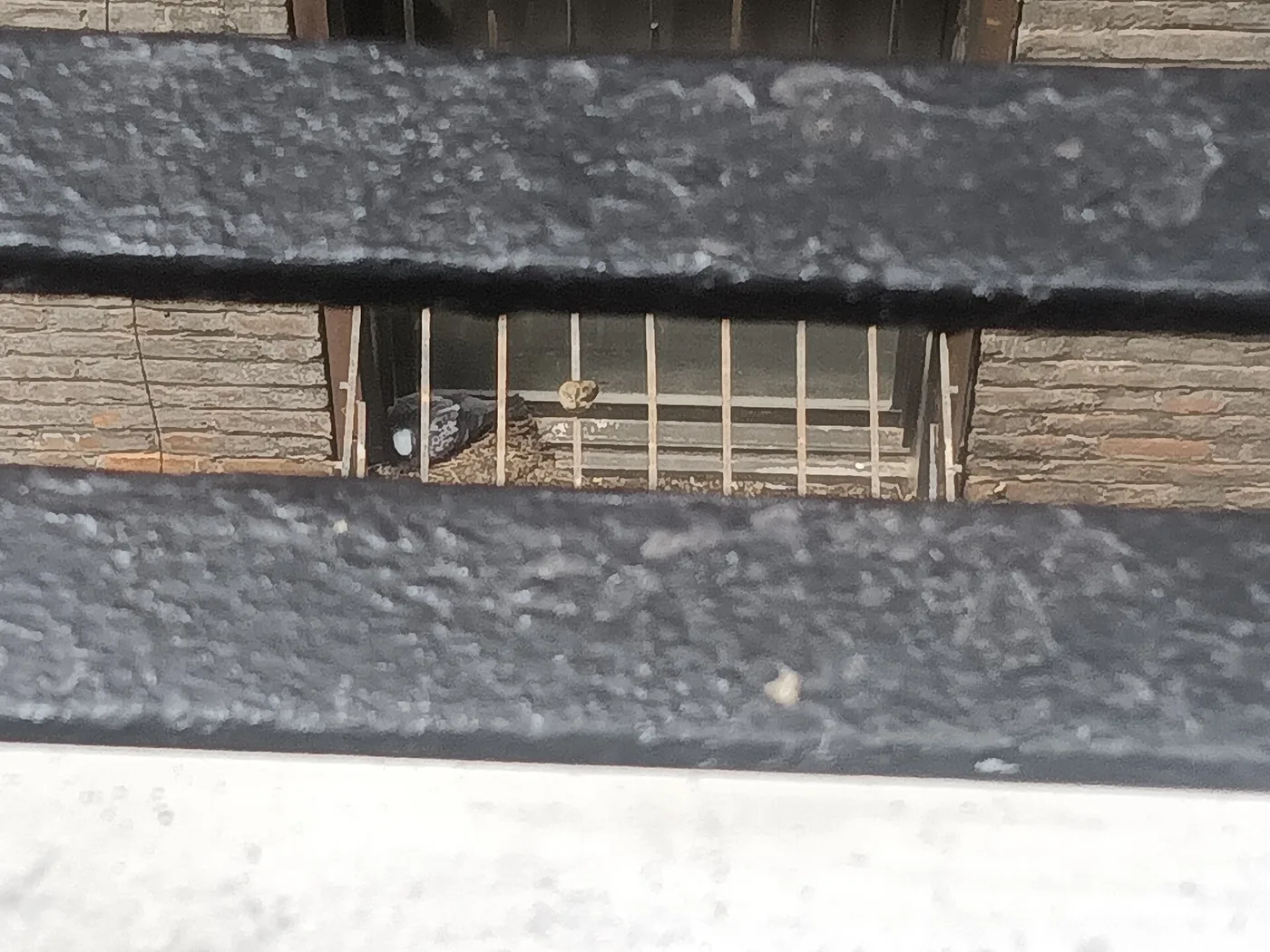
A dryer or bathroom vent nest is one of the cheapest jobs, usually $100 to $250. The opening is small and easy to reach from a ladder. A soffit, the panel under the roof overhang, costs more once birds get behind it. The usual range is $200 to $500, since the crew has to open and reseal the panel instead of just capping a vent.
Gutters
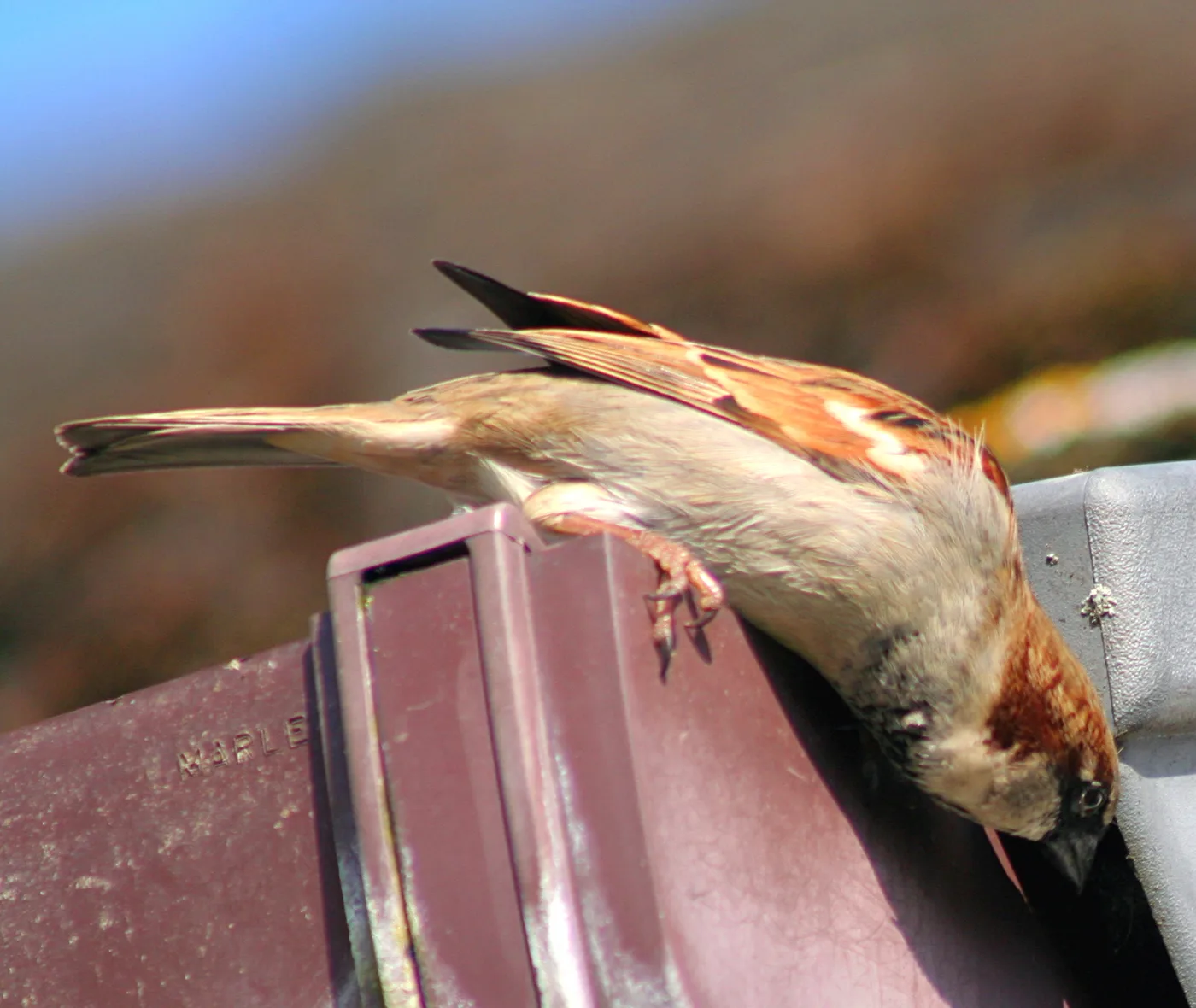
Birds nesting in a gutter section add cleanup on top of removal. A blocked gutter backs up water during the next rain, so expect $150 to $400 for the nest and cleanout together. The gutter nesting guide covers the warning signs and the DIY option for a ground-level gutter.
Chimneys
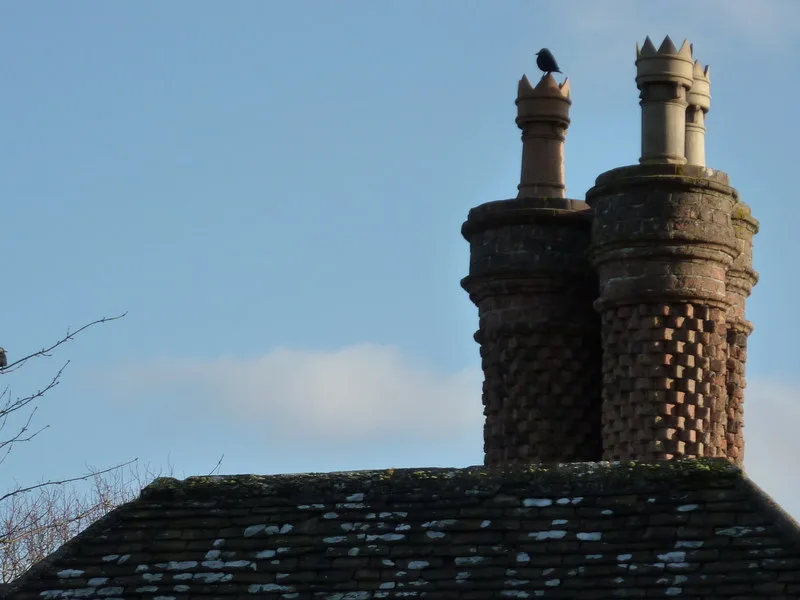
A chimney nest, most often from chimney swifts or starlings, usually gets bundled with a chimney sweep since both jobs need the same access. That combined job typically costs $200 to $600. Chimney swifts are federally protected, so an active nest with chicks has to wait until the young leave the nest before anyone touches the cap.
Garages and Sheds
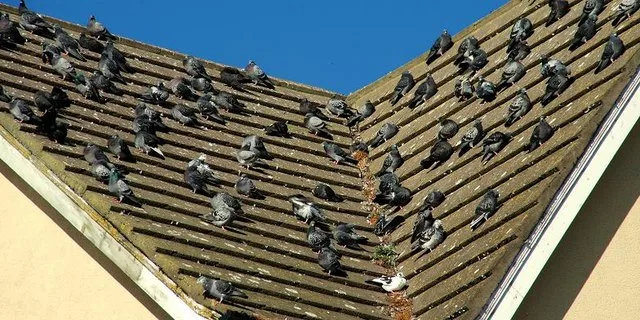
An open garage or shed is an easy target for pigeons and sparrows. A door left open all day is basically an invitation, and removal runs $100 to $300 for a single nest. The lasting fix is a self-closing door or a screen over the opening, which most companies quote separately from the removal itself.
Does the Species Change the Price?

Two nests in the same spot can cost very different amounts depending on which bird built them. House sparrows, European starlings, and feral pigeons are not protected federally. A company can remove an active nest the same day, which keeps the job fast and cheap.
Crows, seagulls, woodpeckers, and native songbirds like bluebirds are a different story. All are protected under the Migratory Bird Treaty Act. An active nest with eggs or chicks has to wait, sometimes for weeks, until the young leave on their own.
That wait usually does not add cost by itself. If waiting would create a real safety risk, though, a permit becomes necessary, and that does add cost.
Keeping Birds From Coming Back
Removal without prevention is a job you pay for twice. Sealing every entry point with hardware cloth or metal flashing costs $100 to $600 depending on the number of gaps. It is the best use of your money on the whole job.
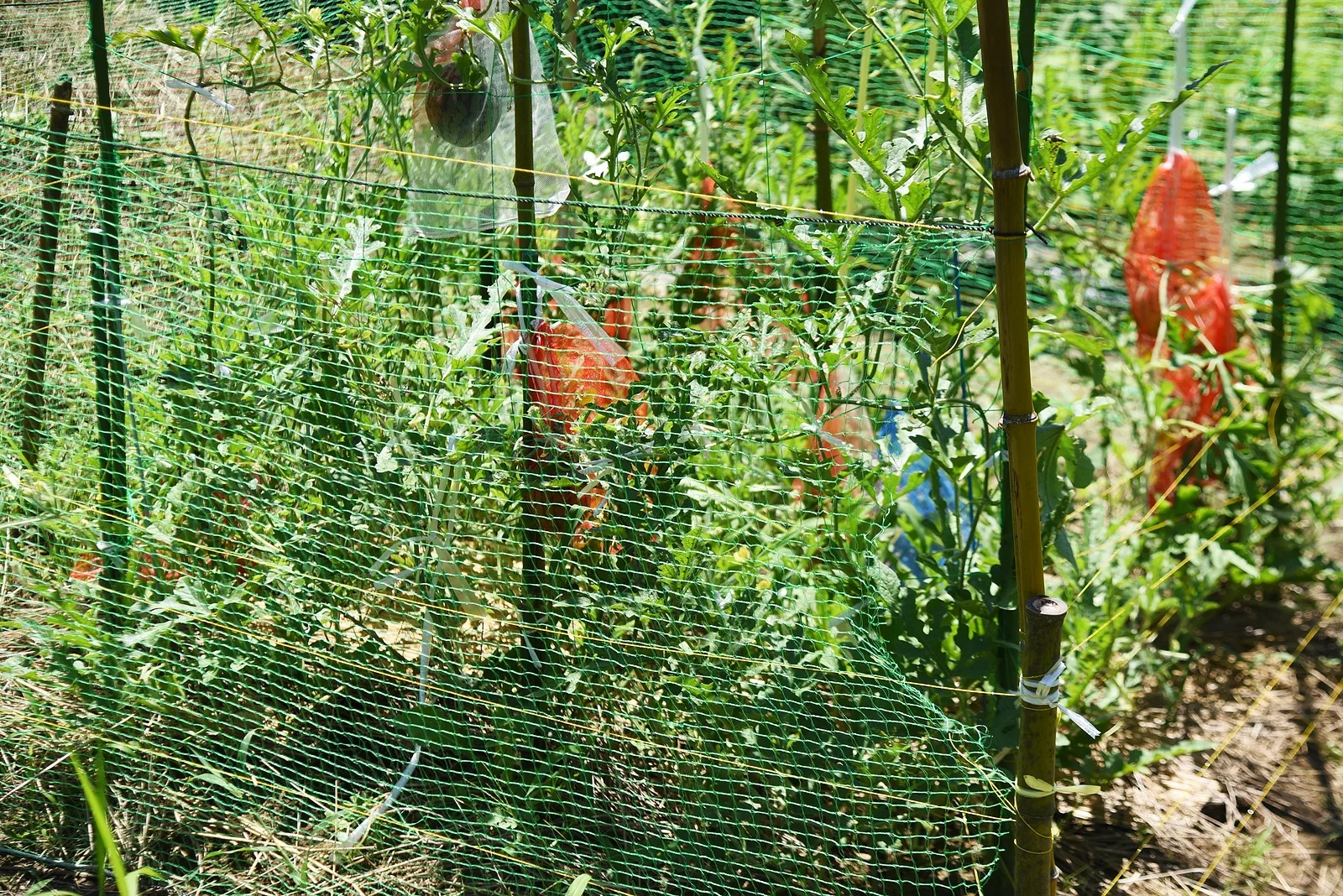
For a recurring ledge or roofline problem rather than a one-time nest, bird spikes or netting run separately from removal, usually $10 to $30 per foot installed. Both cost less than paying for the same removal job again next spring.
DIY vs. Hiring a Pro
DIY costs almost nothing when it is an option. Gloves, an N95 mask, a trash bag, and maybe a dryer vent brush cover most jobs. You likely have half of that already.
The catch is legality and access. DIY only works for an inactive nest, or an unprotected species. It also assumes you can safely reach the spot. That means no ladder past one story, and enough room to work in a tight attic.
Hiring a pro makes sense once the job needs a permit or involves significant height. Heavy droppings are another reason, once they have piled up enough that a mask alone will not cut it. Paying for a professional survey once, even if you do the physical work yourself after, often catches entry points a homeowner would miss.
Why DIY Trapping Is Not a Real Shortcut
Catching a bird yourself and releasing it somewhere else sounds free, but it usually is not legal. Live trapping and relocating a protected species without a permit breaks the same federal law that protects its nest, even when the goal is humane.
Relocation does not solve much either. A relocated bird often returns. Another one can also move into the same spot within days, since the entry point and food source are still there. The money saved by skipping a professional removal call gets spent again the next time the same gap lets a new bird in.
Does Homeowners Insurance Cover Any of This?
Rarely, and it depends heavily on the policy. Most standard homeowners policies treat a bird problem as a maintenance issue, the same category as termites or general wear. Maintenance issues are almost never a covered peril.
Sudden, accidental damage has a better chance. A chimney fire caused by a nest is one example. A ceiling collapse from water damage after birds blocked a vent is another.
Both can sometimes qualify, since the damage itself was sudden even though the cause built up slowly. Call your insurer and ask directly before assuming either way, since the answer depends on the exact wording of your policy.
If You Rent, Who Pays for This?
A nest in the attic, roofline, or a shared wall is usually the landlord’s responsibility. It is part of the building structure, not something the tenant caused. Most leases put general pest and wildlife issues on the owner, the same as a roof leak or a broken furnace.
A tenant is more often on the hook for a small, self-created problem, like leaving a window or vent open that let a bird nest inside a specific unit. Put any request to the landlord in writing and reference the lease’s maintenance clause. That written record matters if the bird problem drags on and needs a follow-up call.
When You Need a Permit, and What That Costs
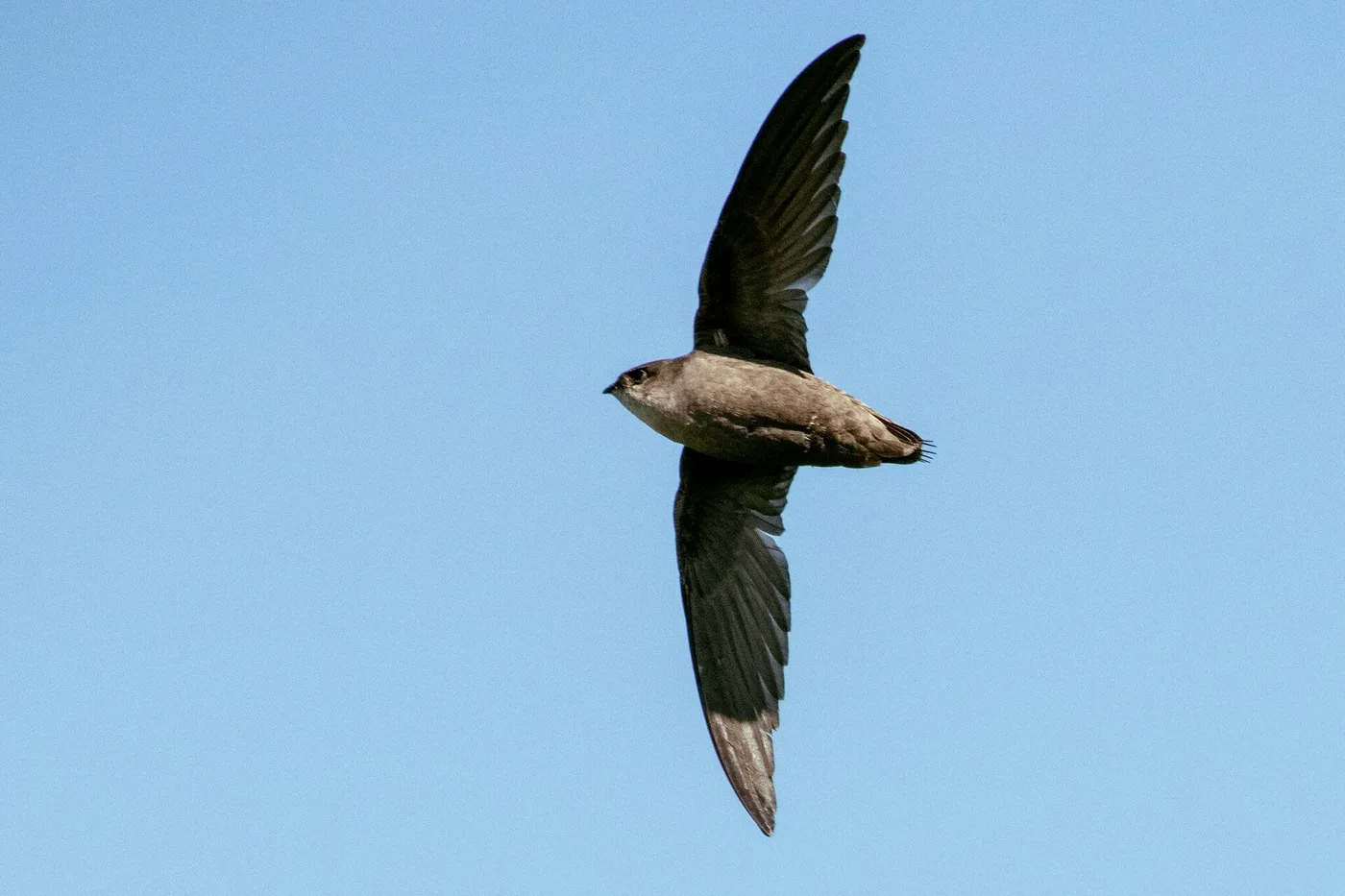
The Migratory Bird Treaty Act covers most native birds, and an active nest with eggs or chicks cannot legally be touched without one. In rare cases, like a genuine safety hazard, a property owner can apply for a federal permit that allows removal anyway.
The permit application itself is typically free through the US Fish and Wildlife Service, but the process takes detailed paperwork and weeks of processing. Most homeowners pay a wildlife control company a few hundred dollars to handle the survey and application rather than doing it themselves. Factor that into the timeline as much as the cost. It is rarely a same-week fix.
Why Quotes Vary by Region
Labor is the biggest swing factor between two identical jobs in different places. A wildlife control call in a big coastal city often runs 20 to 40 percent more than the same job in a small inland town. Technician pay and drive time both track local cost of living.
Most companies also charge a minimum service fee, typically $75 to $150, that applies even to a five-minute job. A single nest a few feet from the ladder still costs that minimum. The travel time and technician time cost the same no matter how fast the actual removal goes.
Does the Job Come With a Warranty?
Ask what happens if the same spot gets a new nest next season. Many companies offer a warranty lasting 30 to 90 days on the exclusion work itself, covering a callback if their seal fails. Few extend that to a brand-new nest built somewhere else on the property.
A written warranty is worth more than a verbal promise. Get the coverage window and what voids it in writing before you pay.
Emergency and After-Hours Costs
A bird in a working chimney or a nest blocking a bathroom vent fan can turn into a same-day call instead of a scheduled one. Expect a rush or after-hours fee on top of the normal price, often an extra $50 to $150. The company is pulling a technician off another job or sending one out on a weekend.
A true emergency, like a bird trapped in a living space or a safety hazard, usually justifies the extra cost. A routine nest that can wait a day or two for the next scheduled slot does not.
Getting a Fair Quote
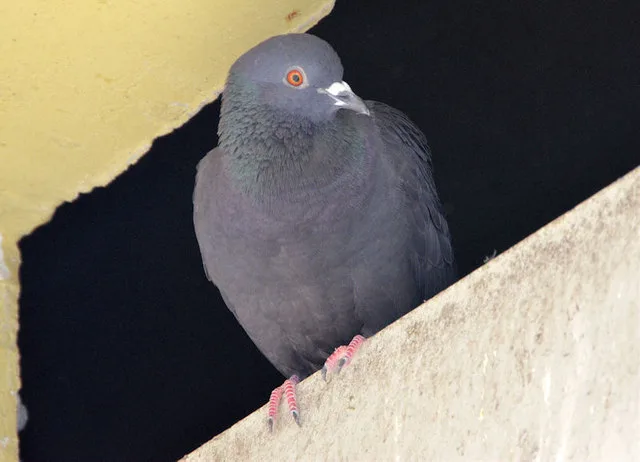
Get two or three quotes before committing to anything above a single-nest job. Ask each company to itemize inspection, removal, sealing, and cleanup separately, since a bundled flat price can hide a job that needed less work than advertised.
A legitimate company offers a free or low-cost inspection. The company should tie the price to access, droppings, and entry points instead of giving you one unexplained flat number. If a quote cannot explain itself, get another one.
A lowball quote well under the others is usually missing a step, most often cleanup or a real warranty. A quote far above the others without a harder job to justify it is worth a second opinion instead of an automatic yes.
Once you know what species you are dealing with, the bird removal hub points you to the right guide. For pricing and DIY limits on a business property instead of a house, commercial bird control covers that separately.
Images: European starling by Rhododendrites, CC BY-SA 4.0. Pigeon nest by Sanjay Acharya, CC BY-SA 3.0. Chimney swift in flight by Adam Jackson, CC0. House sparrow at nest in guttering by John Haslam, CC BY 2.0. Pigeon nesting in air conditioner cage by Jay Dobkin, CC BY-SA 4.0. Roof, chimney pots and bird by Peter Barr, CC BY-SA 2.0. Feral pigeons on a rooftop by Albert Bridge, CC BY-SA 2.0. Pigeon droppings on surface (CC0). Sparrow on roof tiles by mebrett, CC BY 2.0. Feral pigeon, Belfast by Albert Bridge, CC BY-SA 2.0. Herring gull on a rooftop chimney by Mike Pennington, CC BY-SA 2.0. Via Wikimedia Commons. Netting photo via BirdProofingHQ.
.jpg)


_-_geograph.org.uk_-_1520078.jpg)

.jpg)
_-_geograph.org.uk_-_3553646.jpg)
_on_a_rooftop,_Lerwick_-_geograph.org.uk_-_8034808.jpg)
Free: The 5-Step Bird-Proofing Checklist
Work through the right steps in the right order, before spending money on the wrong deterrents. Printable PDF, straight to your inbox.
No spam. Unsubscribe any time.