Commercial Bird Control: DIY Steps and When to Call a Pro
Contents[hide]
- 1. What Counts as a Commercial Bird Problem?
- 2. What a Professional Inspection Actually Covers
- 3. DIY vs. Professional: Where the Line Is
- 4. The Methods That Actually Work at Commercial Scale
- 5. Removing What Draws Birds to the Property
- 6. What Does Commercial Bird Control Cost?
- 7. Legal Considerations for a Business Property
- 8. Cleanup and Sanitation Before Installation
- 9. Choosing a Commercial Bird Control Provider
Commercial bird control uses the same spikes, netting, and wire as a house, just across a whole facade instead of one ledge. A ground-level storefront ledge may be a DIY job. A multi-story building or warehouse roofline is not. Anything needing a lift is a job for a licensed contractor.
In this article, you'll learn commercial bird control options and when professionals are needed. We'll cover site inspections, building-scale exclusion, and project costs.
What Counts as a Commercial Bird Problem?
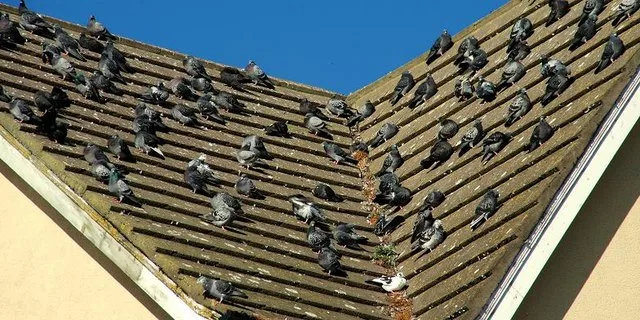
A house has a few ledges and a roofline. A commercial building has dozens: parapets, loading docks, signage, HVAC units, and a facade that can run hundreds of feet. Pigeons, starlings, and gulls treat all of it as one giant roost once they find it.
The mess grows too. Droppings on a sidewalk or loading dock are a slip hazard, and customers notice it. Corrosive droppings also eat into HVAC equipment and the waterproof layer on a flat roof faster than most owners expect.
Which Species Cause the Most Commercial Complaints
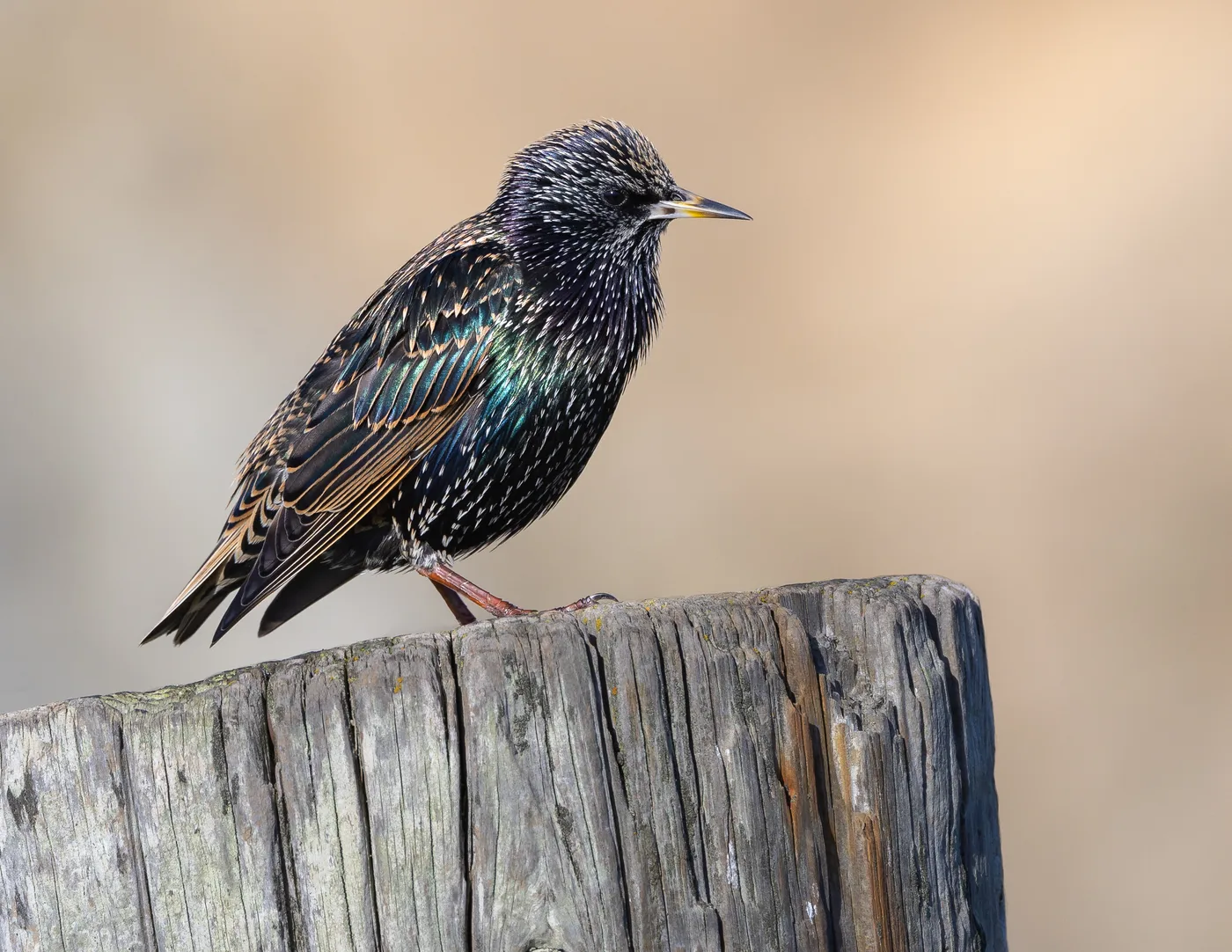
Pigeons drive the most calls. They roost anywhere flat, and a rooftop or ledge that feeds one bird feeds a whole flock within weeks. European starlings show up in large, noisy numbers around dusk. They leave heavy droppings under a single favorite roost rather than spreading out.
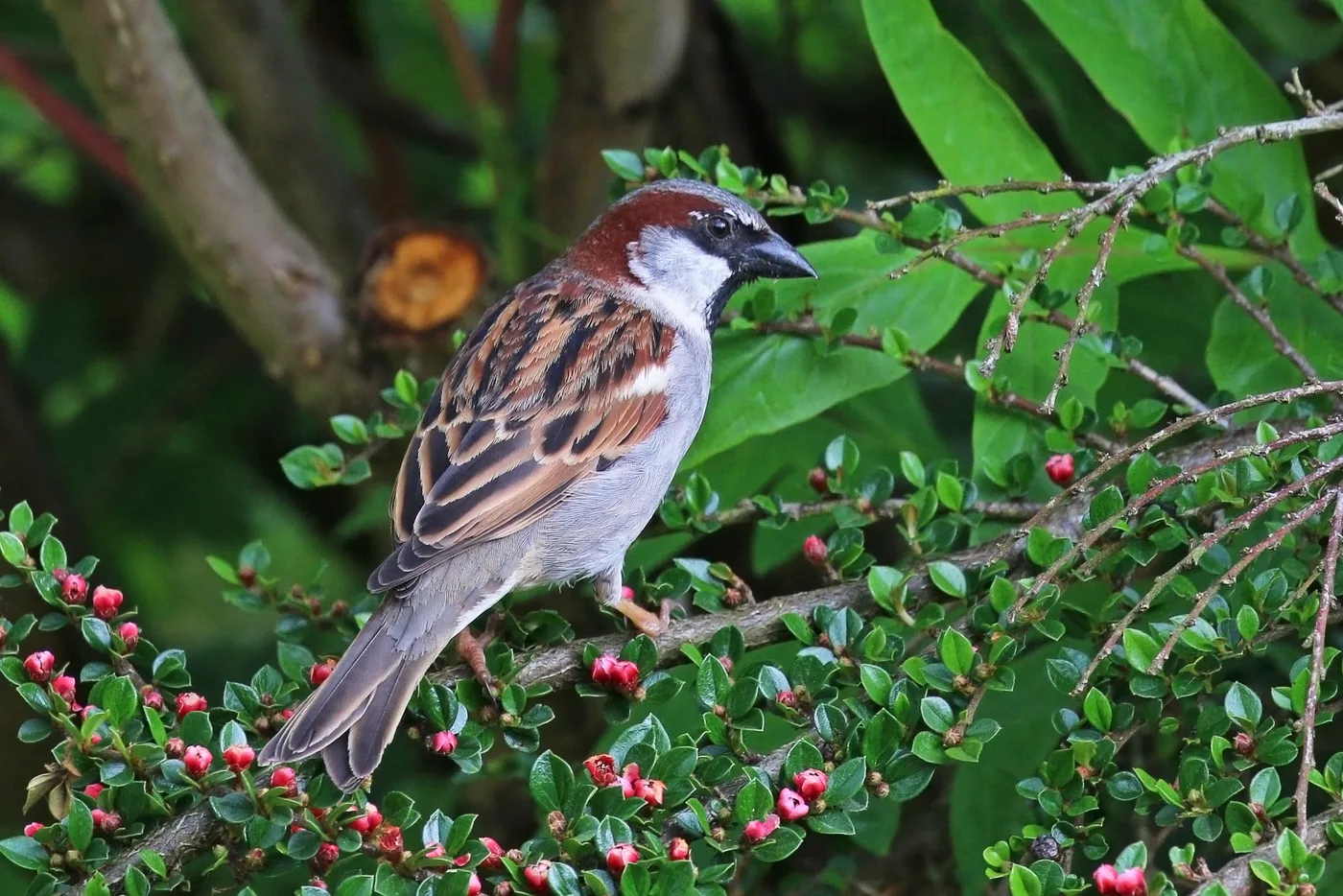
House sparrows nest in smaller gaps and vents. They turn up around loading docks and signage more than open rooflines.
Gulls are the outlier. They are aggressive around food and will dive at anyone carrying takeout near a rooftop patio. That is why coastal restaurants often call for help.
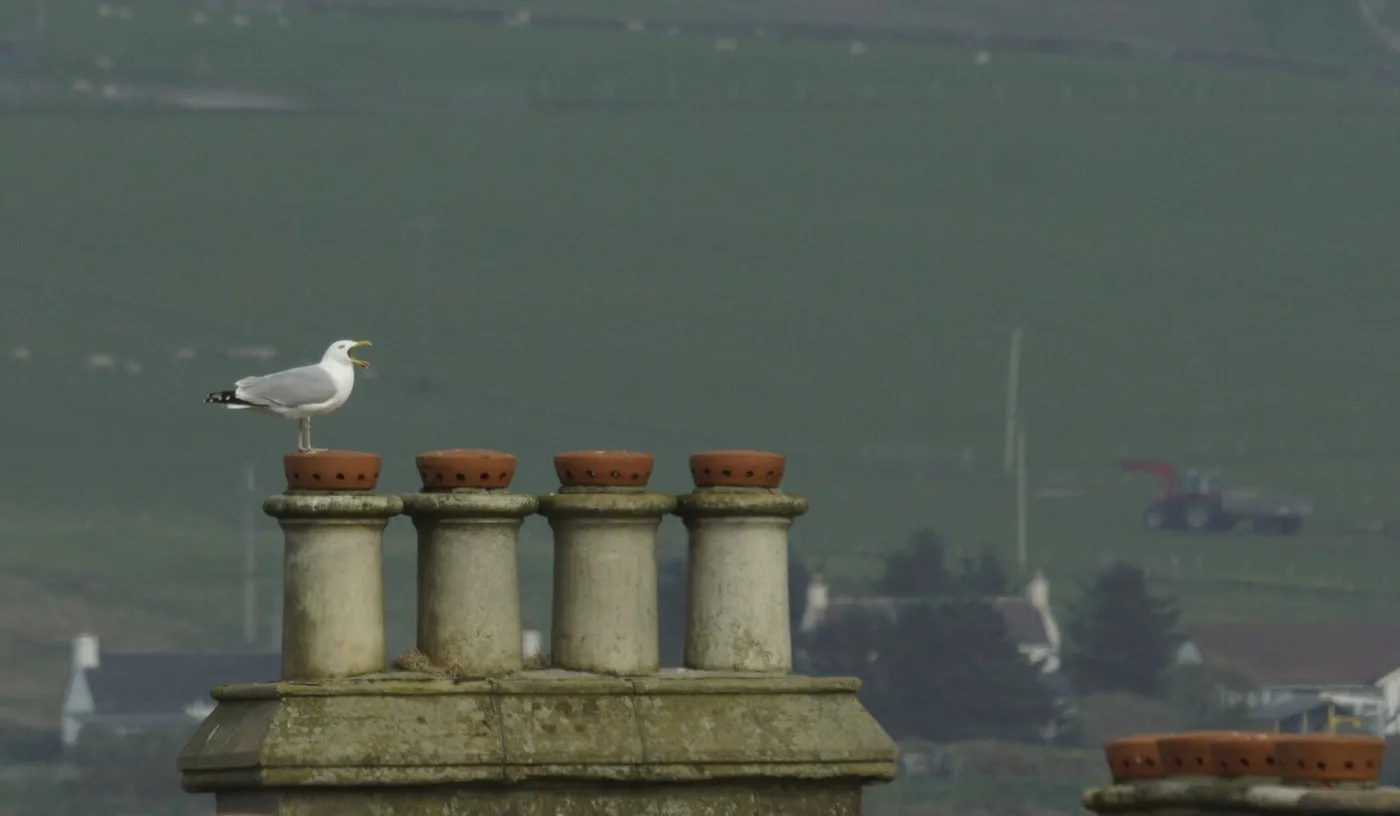
Each species also reacts differently to the same deterrent, which is why a one-size fix rarely works. A pigeon flock gets used to a decoy owl within days. Starlings move as a group and settle wherever the flock lands together that night.
Gulls are smart enough to test whether a scare device is a real threat. They stop reacting once they figure out it is not. Old nests from any of these species also carry mites and other parasites. Those can spread indoors through vents and HVAC returns, which matters more on a commercial building than a house.
What a Professional Inspection Actually Covers
The process starts with a site walk, not a phone estimate. A tech should identify which species are present and where they are getting in or roosting. They should also find out how long the problem has been there.
An established infestation usually costs more to clear than a recent one. Skipping the walk means the estimate is just a guess.
Get photos taken during the actual inspection, not stock images in the proposal. The walk should also flag any damage or hazards beyond the bird problem itself. That includes rooftop equipment access, HVAC filter damage, and roof membrane wear under a heavy roost.
It also includes any spot where droppings are already a slip or sanitation hazard. Catching those is the difference between a quote that treats the symptom and one that treats the whole problem.
DIY vs. Professional: Where the Line Is
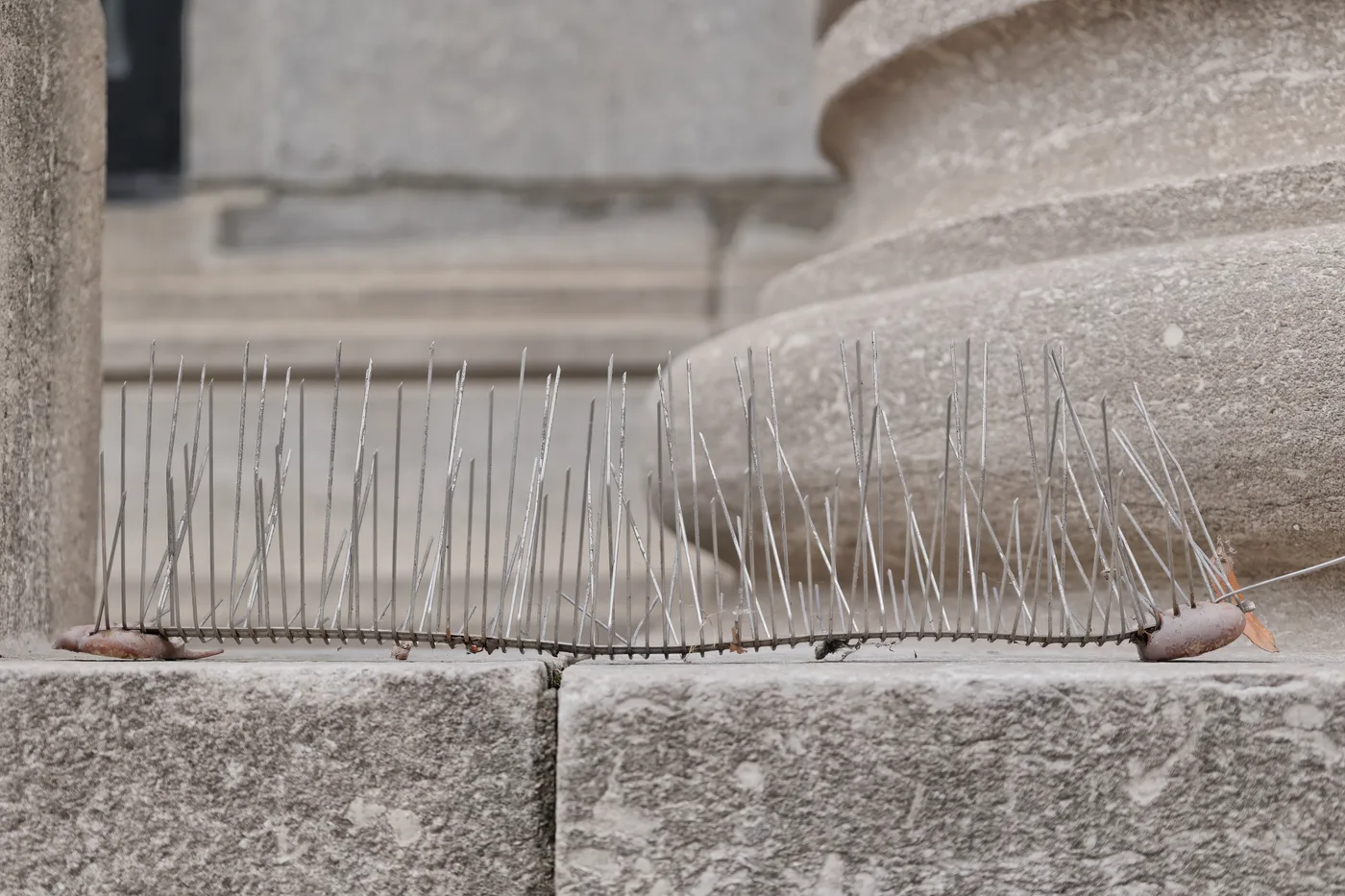
Height and access decide this more than anything else. At ground level, a storefront ledge or loading dock is no different from a house job. Anyone on staff can install spikes or netting there with the same tools a homeowner would use.
A multi-story facade, a warehouse roofline, or anything needing a lift or scaffold is different. Most commercial general liability and workers’ comp policies exclude height work without a licensed contractor. A fall from a facade is not a risk worth saving a few hundred dollars on. OSHA fall-protection rules apply to any employee doing the work too, the same as they would to an outside crew.
Check your certificate of insurance before signing off on any height work an employee does. A fall claim without coverage lands on the business, not the worker.
The Methods That Actually Work at Commercial Scale
Buying in bulk is what changes at this scale, not the underlying tool.
Bulk Spikes, Netting, and Wire
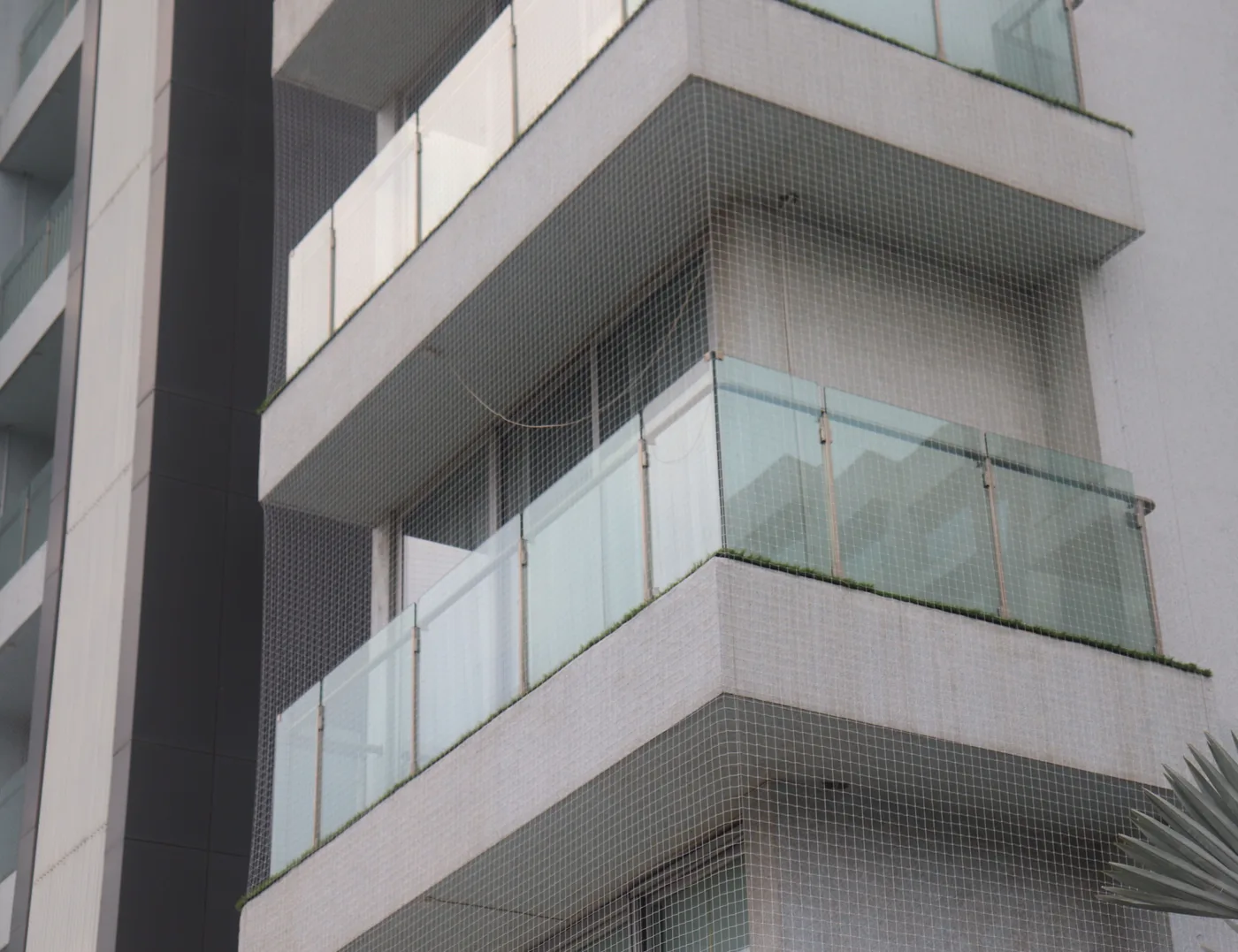
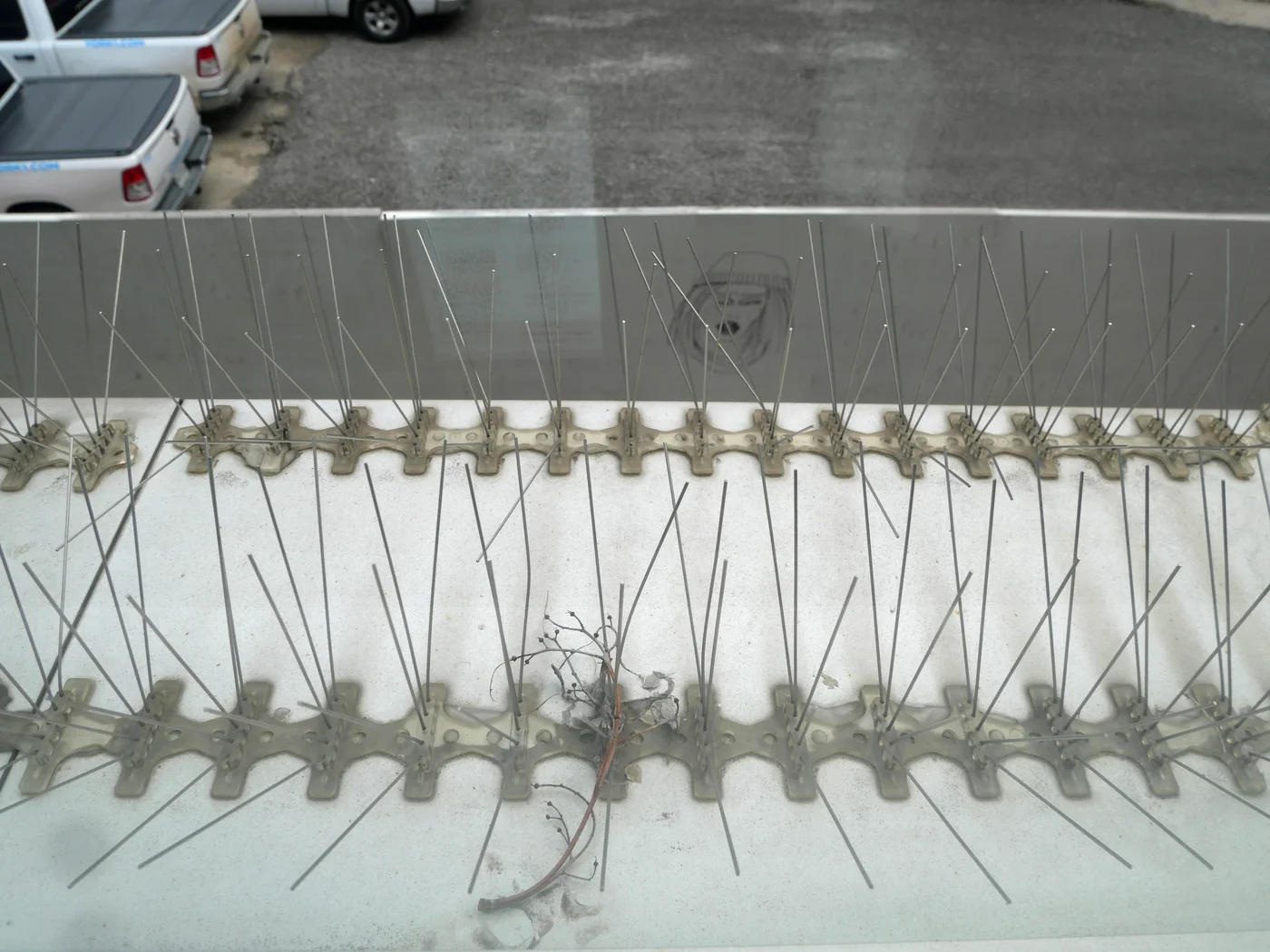
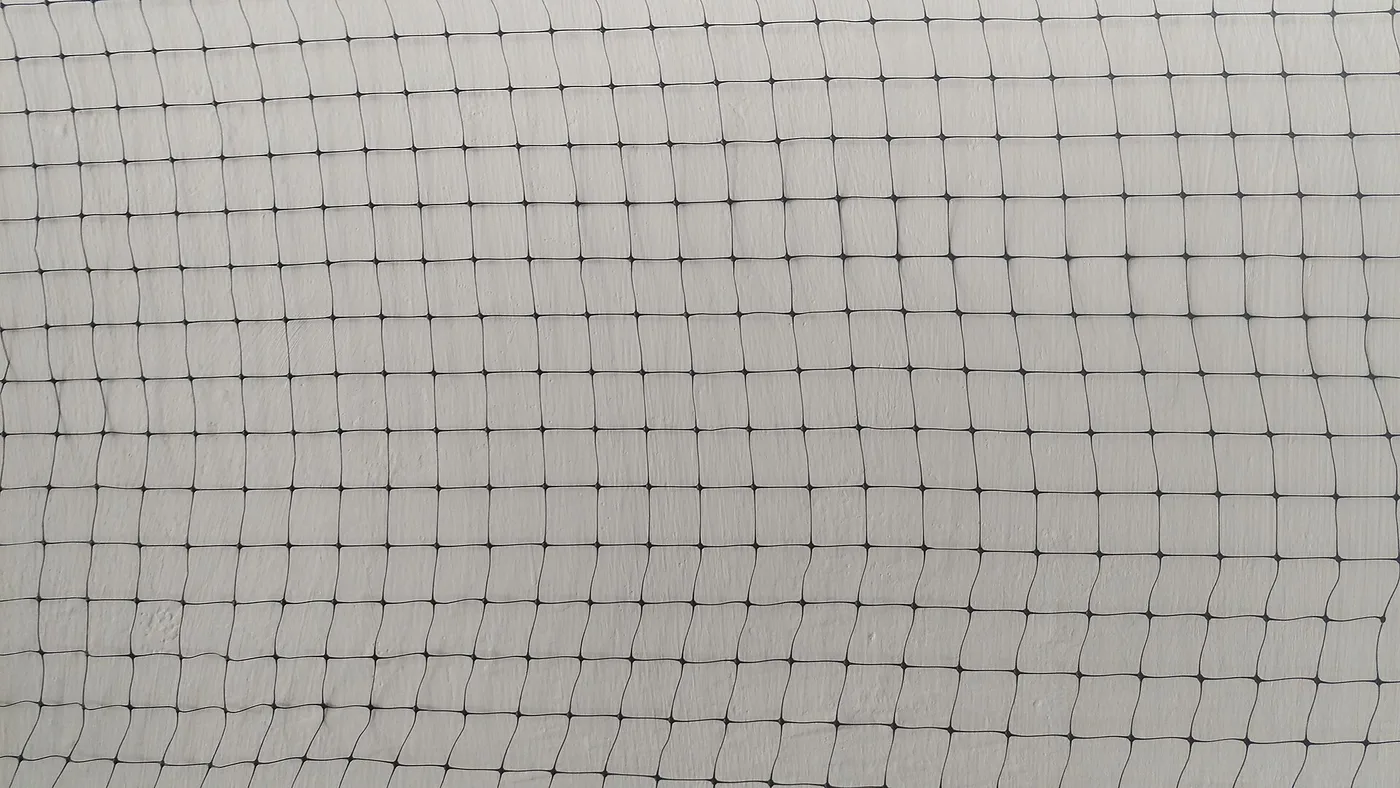
Bird spikes bought in bulk from a supplier beat retail packs well before 100 feet of facade. A supplier can also match tine width to the building plan, so nobody has to guess. Bird netting seals off balconies, loading docks, and large open bays that spikes cannot cover. For a low-profile look on a storefront ledge or sign, tensioned bird wire does the job with less visual clutter than spikes.
Sound and Visual Deterrents Have Limits
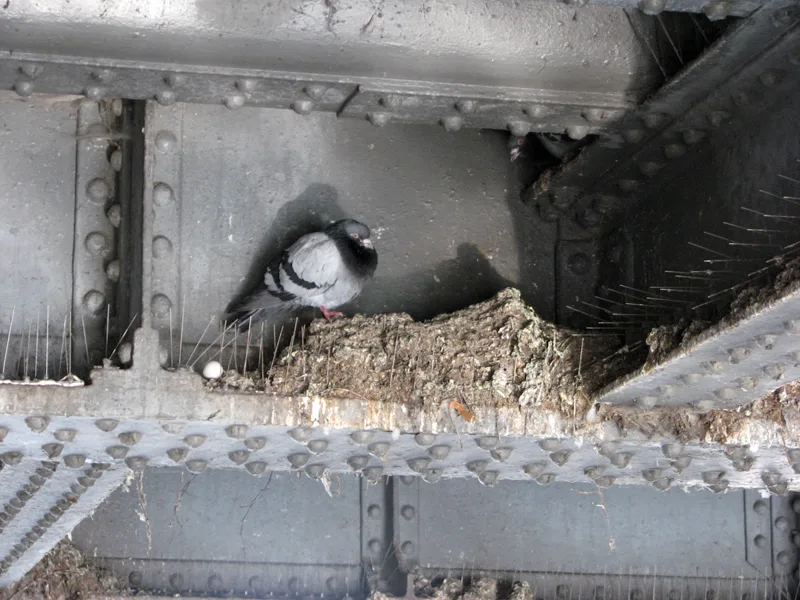
Sound and visual deterrents get less useful the bigger the building gets. A single sonic unit or decoy that works on a house porch does little against a flock working an entire rooftop. A physical barrier beats a scare tactic once the problem covers an entire building.
Methyl Anthranilate for Ground-Level Areas
For open plazas, courtyards, or turf areas, a physical barrier does not make much sense. A methyl anthranilate fogging treatment is worth asking about instead. It is a grape-based repellent that irritates birds without harming them. Crews spray it on grass or hard surfaces on a recurring schedule.
It will not solve a roosting problem on a ledge or roofline. It is still one of the few options that works on open, ground-level areas where netting and spikes have nothing to attach to.
Matching the Method to How Bad the Problem Already Is
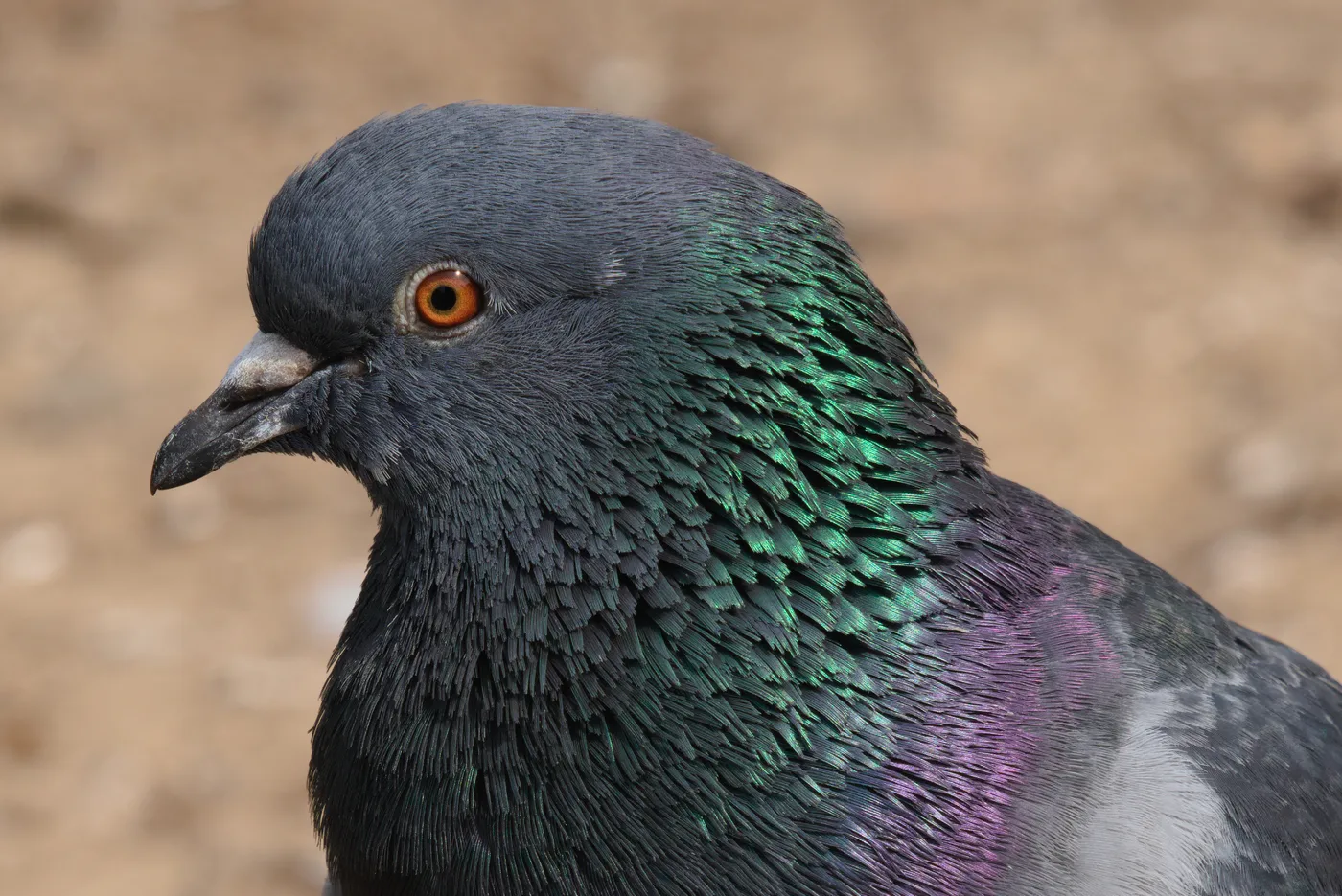
A handful of birds testing out a ledge is a light problem. A single visual deterrent or a short run of spikes usually stops it before it becomes a habit. Wait more than a few weeks and it turns into a medium problem instead: an established roost with regular droppings. That needs a heavier physical barrier than a single deterrent can provide.
A heavy, long-running infestation looks different: thick droppings, multiple roost sites, birds nesting inside structures. That calls for full netting or exclusion work plus the cleanup pass covered below. Trying to fix a heavy infestation with one sonic unit wastes both time and money.
Removing What Draws Birds to the Property
A barrier alone can lose to a building that keeps feeding birds. An uncovered dumpster or a loading dock with spilled grain gives a flock a reason to stay no matter how much spiking goes up nearby. A lid that latches, and a pickup schedule that does not let bags pile up overnight, cuts off the easiest food source on most properties.
Standing Water and Drainage
A flat commercial roof that drains poorly collects puddles after every rain, and pooled water draws birds looking for a drink as reliably as an open food source does. Fixing a low spot or a clogged scupper drain often does more for the long-term bird count than another round of deterrents.
Checking Back After the Job Is Done
A property that gets cleaned up and sealed once can still slide back if nobody checks it again. A short walk-through every few months catches the return of the same attractants before birds do. Look for a dumpster lid left open, a new puddle, or a gap that opened up after a storm.
The right method also depends on what kind of business the building is. A warehouse, a restaurant, and a retail storefront each attract birds differently and need a different plan.
Warehouses and Large Open Spaces
A warehouse adds a wrinkle a storefront does not have. Birds get inside through open bay doors and roost on interior trusses and beams. Once inside, they are harder to remove, and droppings fall directly onto stored goods or equipment.
Netting off interior truss space and installing spikes along interior beam ledges handles the roosting problem. Strip curtains or air curtains at loading bay doors cut down on birds getting in during the busiest hours.
For open-field or large rooftop situations where nothing else has worked, a laser deterrent is worth the cost. It sweeps a moving beam at dawn and dusk, which drives birds away. It is overkill for a house, but it earns its keep on a site this large.
Restaurants and Outdoor Dining
Restaurants have a problem no other commercial property does: customers eating outside train birds to expect food. Gulls, pigeons, and sparrows all learn an outdoor patio fast. Once they do, they beg at tables and land on furniture.
They leave mess on chairs and tablecloths in front of paying customers. That is a health-code problem and a reputation problem, well beyond a simple nuisance.
Netting over a patio roof or awning can stop birds from landing above diners at all. Where netting is not practical, tensioned wire along overhangs and signage helps. Staff clearing food scraps immediately also cuts down on what draws the birds in.
A restaurant should also ask whether a provider’s proposal covers seasonal touch-ups. Outdoor dining season concentrates the whole problem into just a few months a year.
Retail Storefronts and Signage
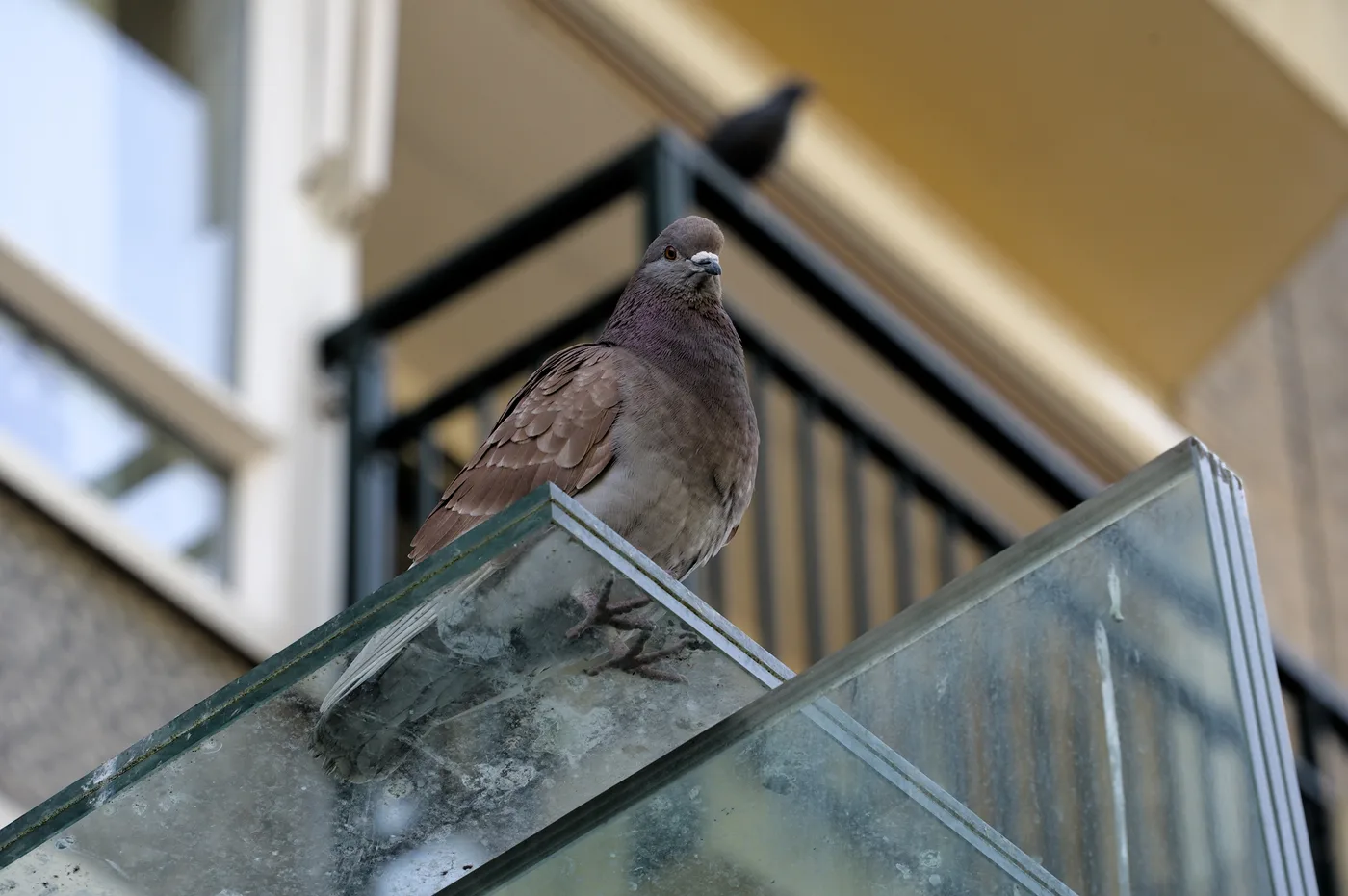
A storefront sign or awning is a favorite perch. It sits high enough to feel safe and close enough to a sidewalk or dumpster to feed from. Droppings on a sign or entrance are one of the fastest ways a business looks neglected to a passing customer, even when the inside is spotless.
Tensioned wire is usually the right call here over spikes. It disappears against the sign structure instead of adding visible clutter out front. A tenant leasing the space should check the lease first. A landlord often owns the building’s facade and signage and needs to be looped in before anyone drills into either one.
What Does Commercial Bird Control Cost?
Materials and Labor
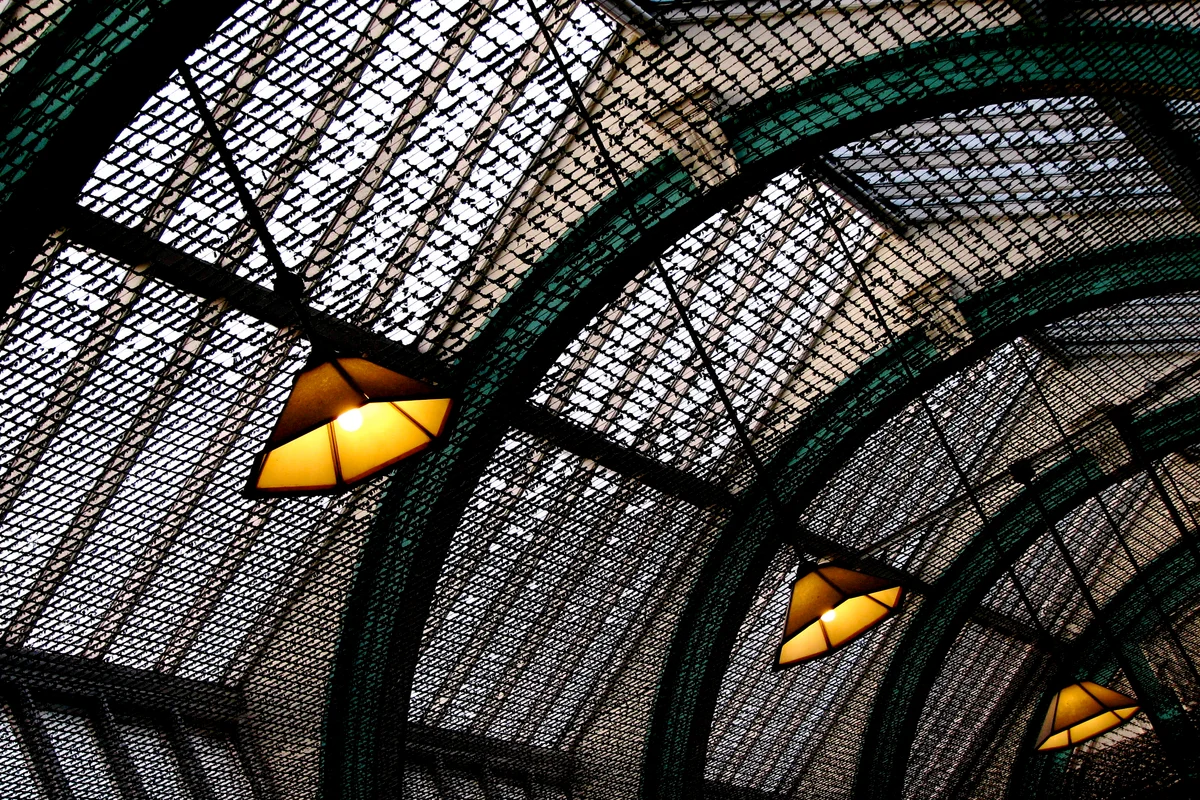
Materials cost less per foot at bulk pricing, but labor scales with the size and height of the job. A single-story job costs about the same as a home repair job of similar size. A taller facade or a full warehouse roofline is a bigger project. Once the estimate includes a lift, materials for the whole job, and cleanup, the total can run into the thousands.
The bird removal cost breakdown covers typical prices by job type. It also explains what drives a quote up or down, so you can tell a fair price from an inflated one.
Why Full Coverage Can Cost Less Long-Term
A full facade or warehouse job costs real money up front, but the math usually favors doing it once. Corrosive droppings shorten the life of roofing membranes and HVAC units. A slip-and-fall claim from droppings on a sidewalk also costs far more than the job that would have prevented it.
Get the estimate broken out by section. That lets you do the work in stages if the full project is not realistic in one go.
Legal Considerations for a Business Property
Which Species Are Protected
The Migratory Bird Treaty Act applies to commercial buildings too. A protected native bird’s active nest on a warehouse roof has the same protection as one on a house. Pigeons, house sparrows, and European starlings are the exception. They are not protected, and they cause most everyday bird problems on commercial buildings.
When an Emergency Permit Applies
An immediate safety risk, like an active nest blocking an HVAC intake, can qualify for an emergency permit. That case calls for a licensed wildlife company, not a crew acting alone.
Cleanup and Sanitation Before Installation
Old droppings need to come out before new spikes or netting go up, not after. Dried droppings carry histoplasmosis, a lung infection spread through dust when the waste gets disturbed. A crew should wear a respirator and gloves and bag the waste rather than hose it into a drain.
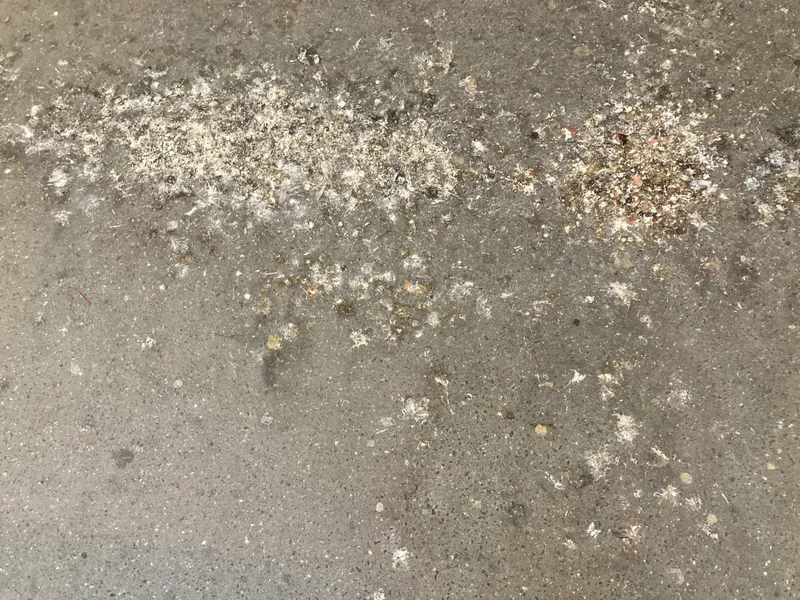
Skipping this step is common on cut-rate jobs, and it leaves a business with new bird-proofing bolted onto an unsanitary surface. A legitimate proposal lists cleanup and disposal as its own line item, not folded quietly into install labor.
Choosing a Commercial Bird Control Provider
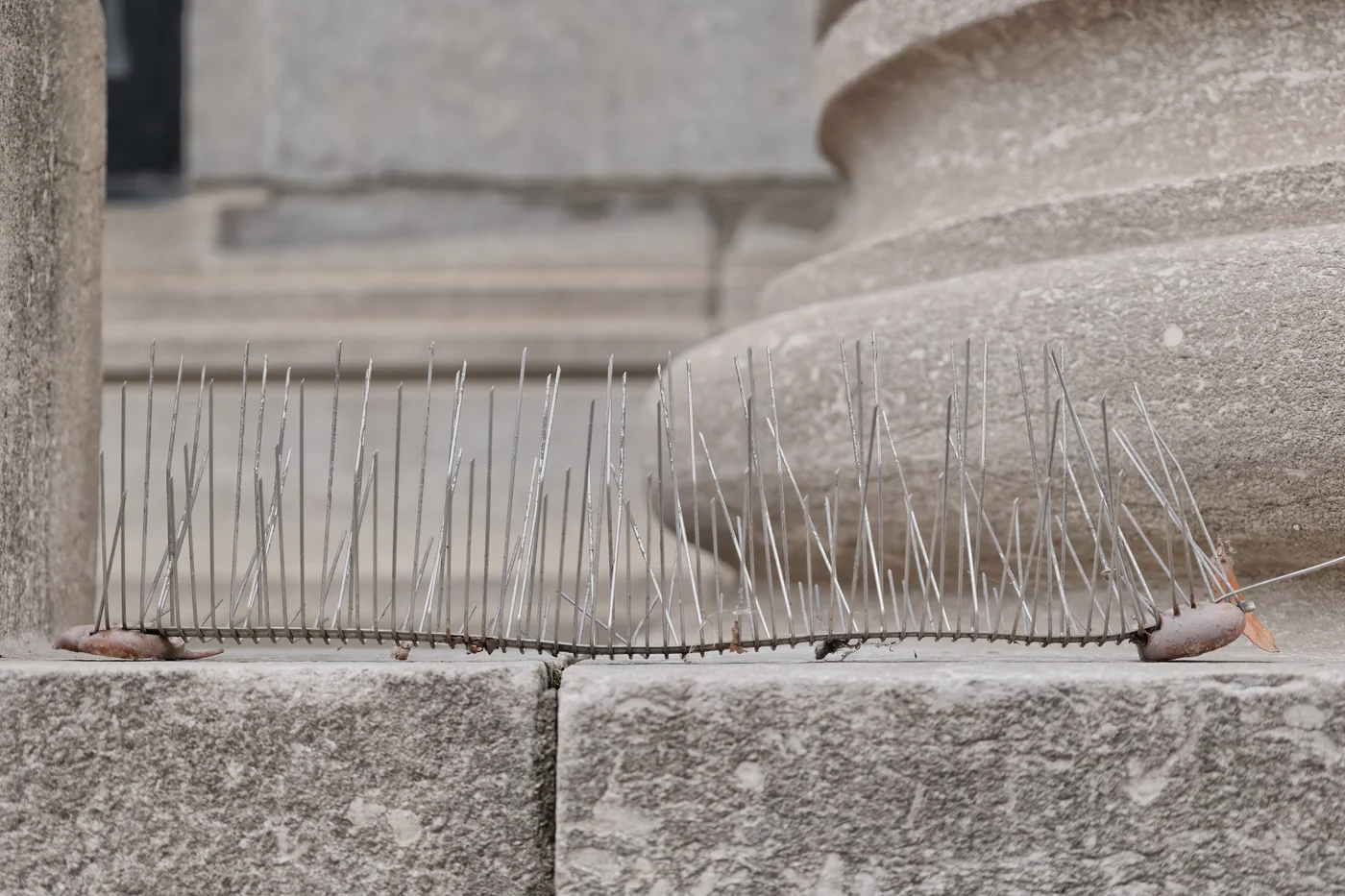
Ask for a quote that lists inspection, materials, install, and cleanup separately, the same as you would for a house. One that won’t break that number down is worth a second opinion.
Ask whether the quote covers every surface or just the worst spots. Partial coverage is the most common failure on a commercial job, since birds simply move to whatever ledge got skipped.
Checking Licensing and Insurance
Verify the license number is current before hiring anyone. Most states require a pest control or wildlife control license for bird work, and a company working without one is a liability if something goes wrong on the property.
General liability and workers’ comp coverage matter just as much. A contractor without workers’ comp can leave the property owner on the hook for an injury that happens on their roof. Request a certificate of insurance rather than taking a verbal assurance.
Warranties and Getting Multiple Quotes
Find out what the warranty covers before signing anything. Some only cover material defects. Others include a full re-treatment if birds come back within a set window, and that difference is worth serious money on a job this size.
Get bids from at least two providers on any job past a few hundred dollars. A bid far below the others is usually missing a step, most often cleanup, a written warranty, or coverage of the whole surface, not evidence of a better deal.
Ongoing Maintenance Contracts
Most commercial contracts include a maintenance visit once or twice a year, not just the initial install. Netting sags and spikes bend or go missing after storms. Scheduled checks catch that wear before it turns into a full new infestation.
Confirm what a maintenance visit costs, and whether storm or wildlife damage repairs are included or billed separately. Skipping ongoing maintenance is a common way businesses end up paying for the same job twice.
For a roof-specific problem, pigeons off the roof covers the ridge, parapet, and solar panel angles a general estimate may not mention.
The bird removal hub explains which tools work for pigeons, gulls, starlings, and every other species causing the complaints.
Images: Bird netting on a building by Best Bird Netting, CC BY-SA 4.0. Feral pigeons on a rooftop by Albert Bridge, CC BY-SA 2.0. Herring gull on a rooftop chimney by Mike Pennington, CC BY-SA 2.0. Pigeon droppings on surface (CC0). Anti-bird mesh close-up by SaturninoOpi, CC BY-SA 4.0. The Uglyness of Pigeon Netting by CGP Grey, CC BY 2.0. Pigeon on a balcony rail by Benoit Brummer, CC BY 4.0. Bird control spikes by Cephas, CC BY-SA 4.0. Pigeon nesting in air conditioner cage by Jay Dobkin, CC BY-SA 4.0. Pigeons near spikes, Nottingham Canal by John Sutton, CC BY-SA 2.0. Starling close-up by Frank Schulenburg, CC BY-SA 4.0. House sparrow male by Charles J. Sharp, CC BY-SA 4.0. Bird control spikes on stone ledge. Feral pigeon roosting by Satdeep Gill, CC BY-SA 4.0. Via Wikimedia Commons.

_-_geograph.org.uk_-_1520078.jpg)
_on_a_rooftop,_Lerwick_-_geograph.org.uk_-_8034808.jpg)


.jpg)
.jpg)
_01.jpg)


_at_Bodega_Head-1209.jpg)
_male_2.jpg)
.jpg)

Free: The 5-Step Bird-Proofing Checklist
Work through the right steps in the right order, before spending money on the wrong deterrents. Printable PDF, straight to your inbox.
No spam. Unsubscribe any time.