How to Get Rid of Ducks (Pool, Pond, and Yard)
Contents[hide]
To get rid of ducks, stop feeding them and make the water uninviting. Cover the pool when it is not in use, float a predator decoy like an alligator head, and string reflective tape across the surface. In the yard, remove standing water, secure food, and add a motion-activated sprinkler. Ducks are federally protected, so every method must be humane.
In this article, we’ll cover how to get rid of ducks humanely, the one rule that keeps you legal, and how to stop them finding your yard again.
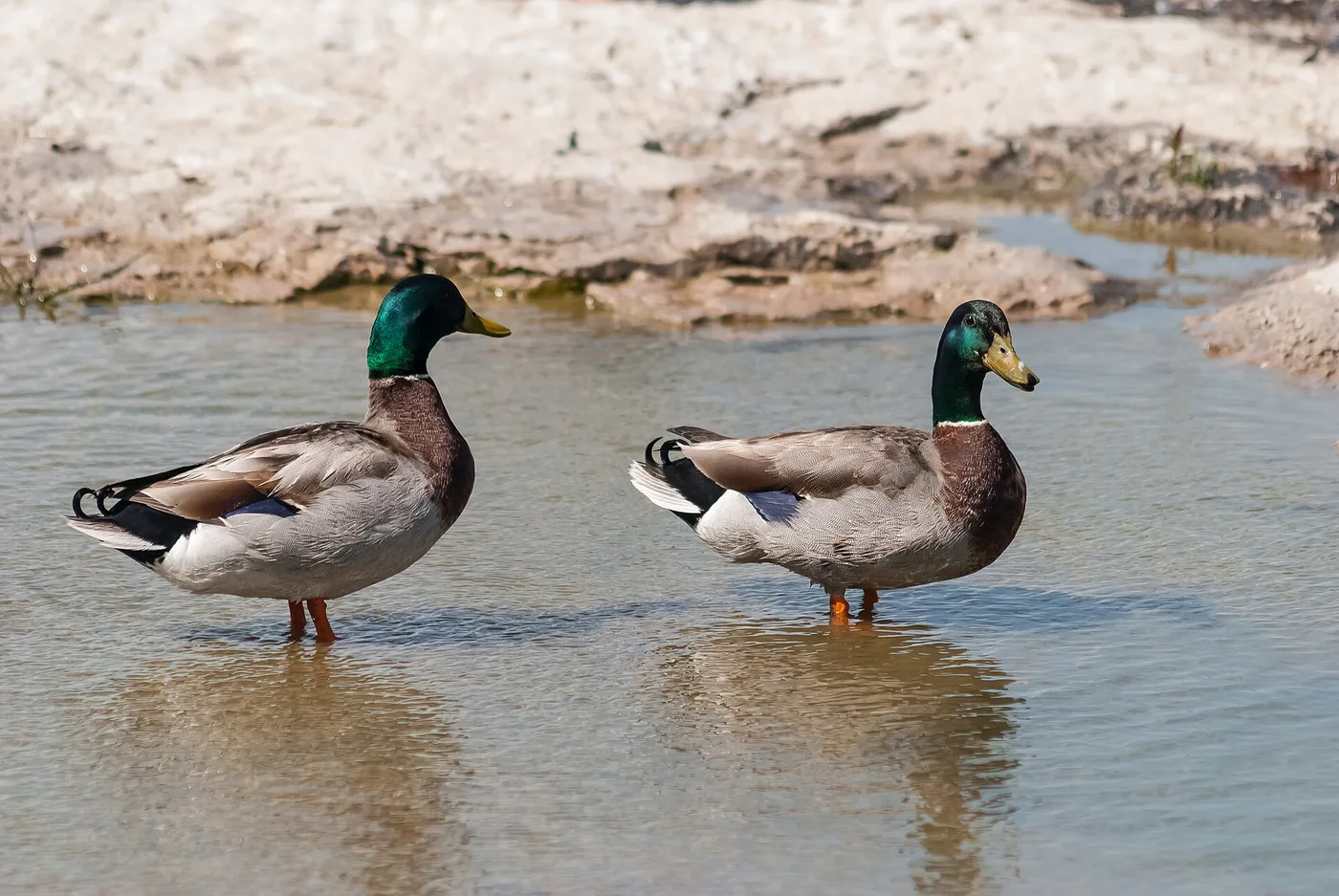
Why Ducks Pick Your Pool and Yard
Ducks want three things, and a typical backyard offers all of them. They want water to swim and feed in, whether that is a pool, a pond, or a low spot that holds rain. They want food, which means spilled birdseed, short grass full of insects, fallen fruit, or someone tossing them bread. And they want safety, so a yard with no predators and open sightlines feels like a good place to settle.
A swimming pool is especially attractive because it is calm, open water with nothing in it to threaten them. Once a pair of ducks claims it, they leave droppings that foul the water and the deck, and in spring they may try to nest nearby. Cutting off the food, the water access, and the sense of safety is what gets ducks to leave.
How to Keep Ducks Out of the Pool
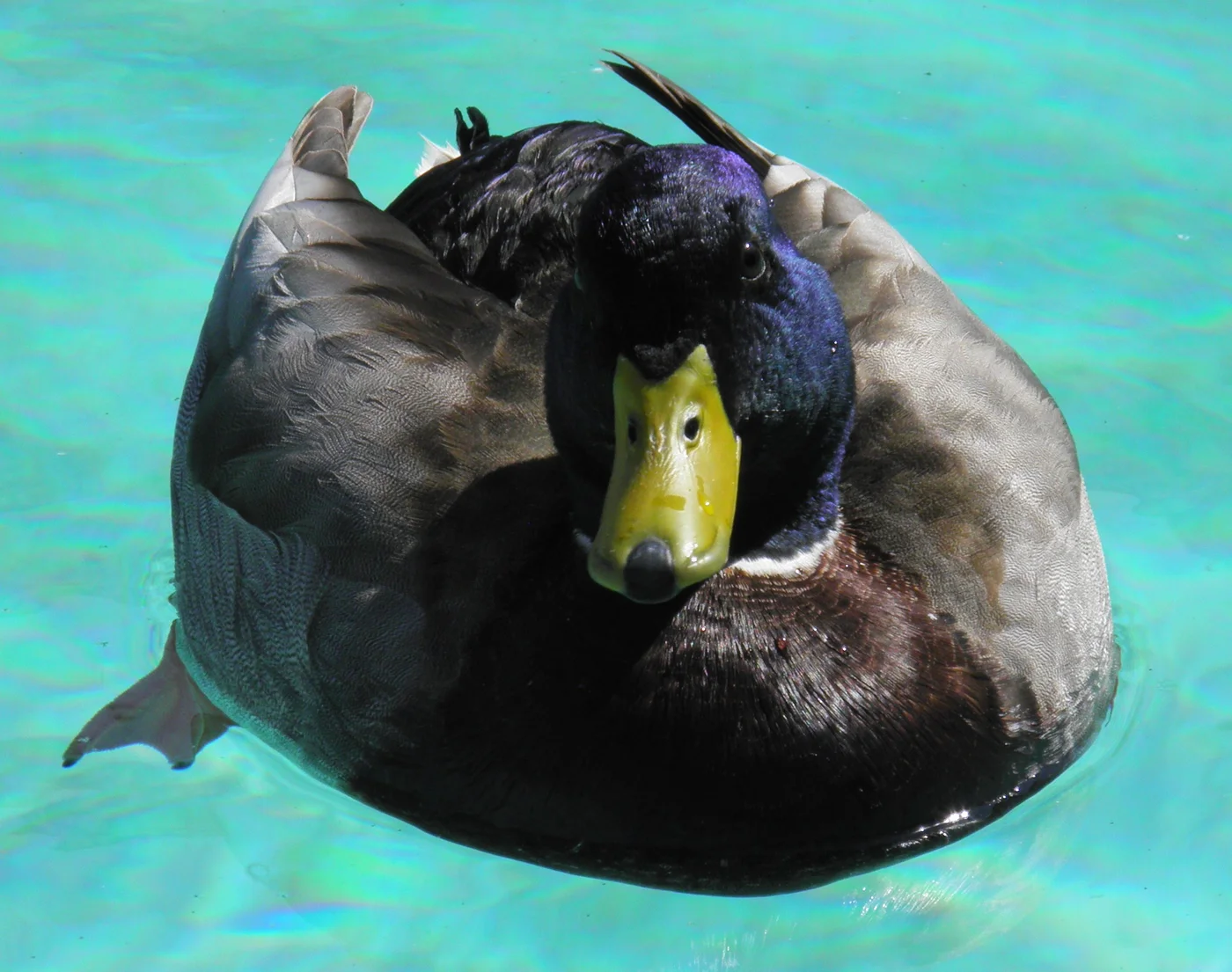
The pool is where most duck problems start, so it gets the most attention. The aim is to make the water feel unsafe and useless to a duck.
- Cover the pool when it is not in use. A solar cover or safety cover takes away the open water entirely, which is the single most effective fix.
- Float a predator decoy. A floating alligator head, a plastic swan, or a coyote decoy on the deck makes ducks wary. Move it every few days so they do not learn it is fake.
- Break up the surface. String reflective tape, hang old CDs, or float a few pool balls so the water is not the calm, open sheet ducks prefer.
- Keep it clean and chlorinated. Ducks feed on algae and the insects that gather in still or dirty water. A well-maintained, chlorinated pool offers them nothing to eat.
- Add a motion-activated sprinkler near the pool. A sudden burst of water startles ducks off without harming them, and they do not get used to it the way they do a static decoy.
Most pool owners find that a cover plus a moving decoy solves it. If ducks are stubborn, layer in the sprinkler and reflective deterrents. The same playbook works for any birds treating your pool as a bath, not just ducks.
Keep Ducks Out of the Yard and Pond
Away from the pool, the same logic applies: remove the food, the water, and the comfort.
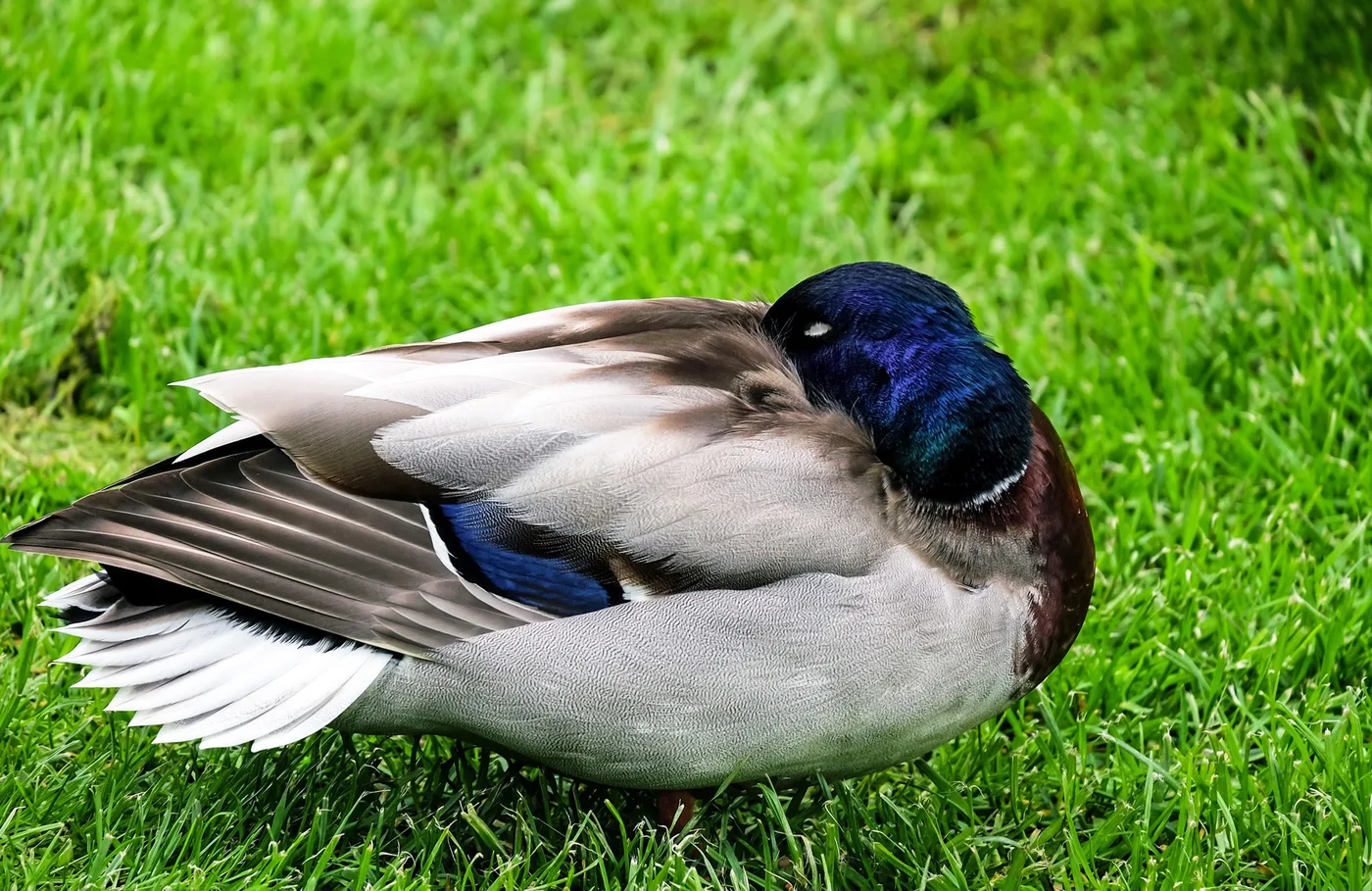
Stop feeding the ducks. This is the most important step, and it includes the bread some neighbors toss them and the birdseed that spills under feeders. Ask the household and nearby neighbors to stop too, since ducks will keep returning to any reliable handout.
Remove standing water where you can. Fix low spots that pool after rain, empty containers, and drain anything that holds water. For a garden pond you want to keep, a net or a low fence around the edge denies ducks easy access. The same garden protection covers beds and water features.
Make the yard feel less safe. Ducks like short grass with clear sightlines, so letting the grass grow a little longer near the water makes them nervous. A dog with yard access is one of the best duck deterrents there is, and a motion-activated sprinkler covers the spots a dog does not patrol.
Scare Tactics, Decoys, and Repellents
Deterrents back up the habitat changes and keep ducks from settling back in.
Predator decoys are the workhorse: floating alligator heads for water, plus owl, coyote, or swan decoys around the yard. The key with any decoy is movement, so reposition it every few days. Reflective objects like Mylar tape and old CDs add flashing light that unsettles ducks, and a few wind-driven spinners help.
For a scent option, a repellent made with methyl anthranilate, the grape-derived compound used to get rid of geese, works on ducks too. Sprayed on the lawn and pool deck, it makes the area unpleasant without harming the birds. Reapply after rain. A few deterrents speed things up, and a homemade spray of peppermint or chili keeps ducks off without hurting them.
The Law: Ducks Are Protected
Before you do anything beyond deterrents, know the rule. Mallards and nearly all wild ducks are federally protected under the Migratory Bird Treaty Act. That makes it illegal to harm them, trap them, or disturb an active nest with eggs. Humane deterrents are the only legal route, which is what this whole guide is built around.
If a duck has already nested in your yard, leave the nest alone until the ducklings hatch and leave, usually within a few weeks. Muscovy ducks are a non-native exception with separate rules that vary by state, so check local regulations if you are dealing with those. When you are unsure which duck you have, treat it as protected.
When to Call a Professional
Most duck problems clear up with consistent deterrents and a little patience. A few cases are worth a call to a licensed wildlife or pest control pro.
One is a large flock that will not leave. Another is a nest somewhere that creates a real hazard. A pro can also confirm the species and advise on permits for the rare cases where deterrents are not enough.
Geese are the ducks’ close cousins and respond to the same playbook. For anything else in the yard, the bird removal guides point you to the right fix.
Images: Mallard pair by Shadowmeld Photography, CC BY-SA 4.0. Duck on the grass by PxHere, CC0. Duck in OB pool by Mickpb, CC BY-SA 3.0. Via Wikimedia Commons.


Free: The 5-Step Bird-Proofing Checklist
Work through the right steps in the right order, before spending money on the wrong deterrents. Printable PDF, straight to your inbox.
No spam. Unsubscribe any time.