How to Keep Birds Out of the Garden (9 Humane Ways)
Contents[hide]
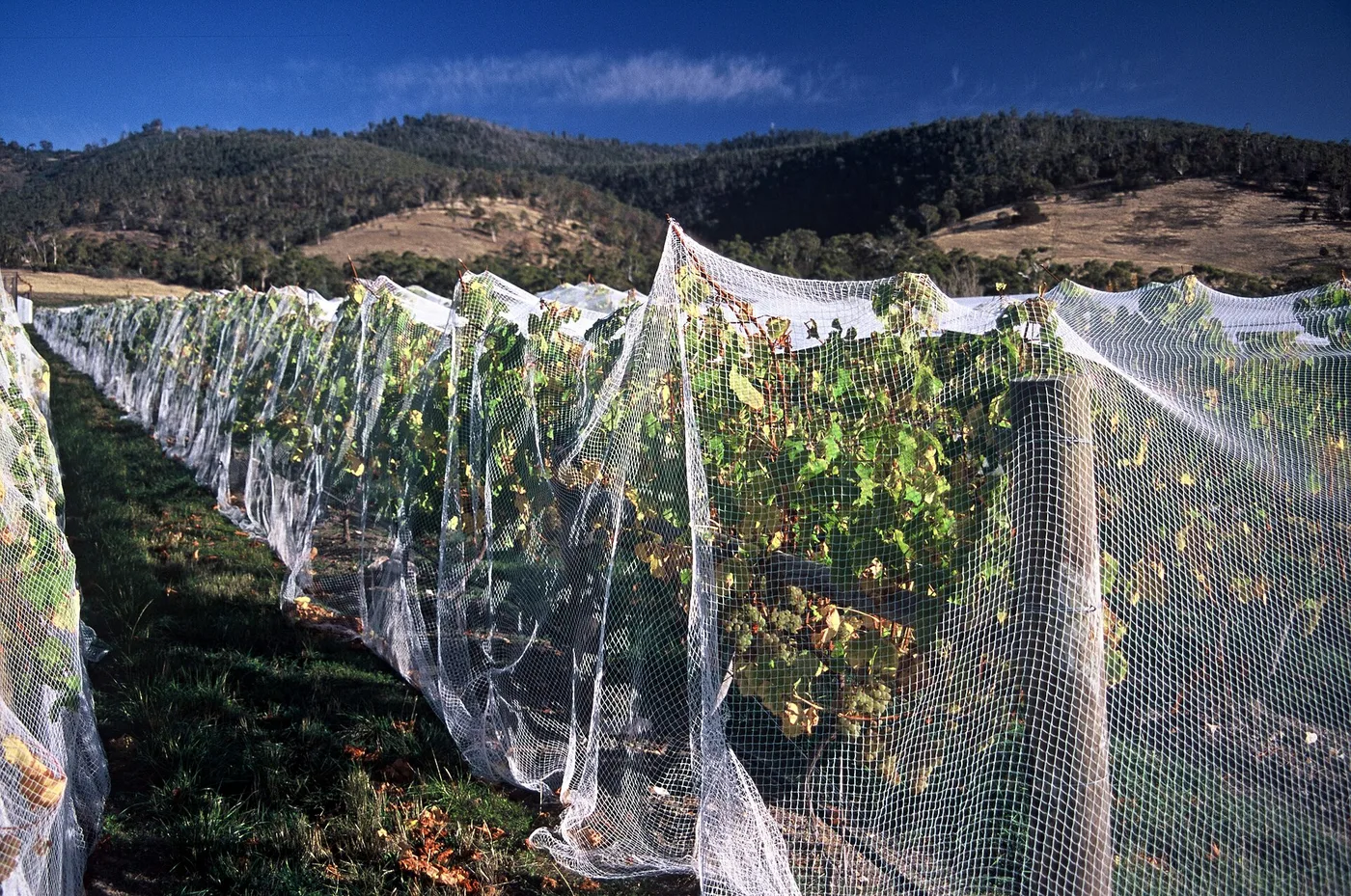
To keep birds out of the garden, cover your crops first. Bird netting over berry bushes, vegetable beds, and seedlings physically stops birds from reaching your plants. Then add reflective tape and an owl decoy you move every few days. Spray a non-toxic repellent on the plants birds keep hitting. Keep the netting tight, or birds will find the gaps.
In this article, we’ll cover how to keep birds out of garden beds and fruit, why no single method holds, and which combination actually does.
Most of these methods are cheap, none of them hurt the birds, and the best results come from combining a few.
Why Birds Target Your Garden
Birds come to your garden for the same three things they want anywhere: food, water, and cover. A vegetable patch offers all three at once. Seedlings, ripening fruit, berries, and the insects in your soil are an easy meal, and the surrounding bushes and trees give birds a safe place to perch between raids.
Different birds do different damage. Robins and blackbirds pull worms and peck soft fruit. Crows and grackles yank up seedlings and raid corn.
Starlings descend in flocks and clean out berry bushes in an afternoon. Pigeons and sparrows go after seeds and leafy greens.
Knowing what you are protecting against helps you choose the right method. A net stops everything, while a decoy works better on cautious birds than on a bold flock. Once you cut off the easy food and make the space feel less safe, most birds move on to an easier garden.
Methods That Keep Birds Out
Layer a few of these; no single one holds on its own.
Bird Netting and Physical Barriers
A physical barrier is the only method that reliably stops birds from eating your crops, because it does not depend on the birds choosing to leave. Bird netting is the go-to. Drape it over fruit bushes, vegetable beds, and young plants, and secure the edges to the ground so birds cannot sneak underneath.
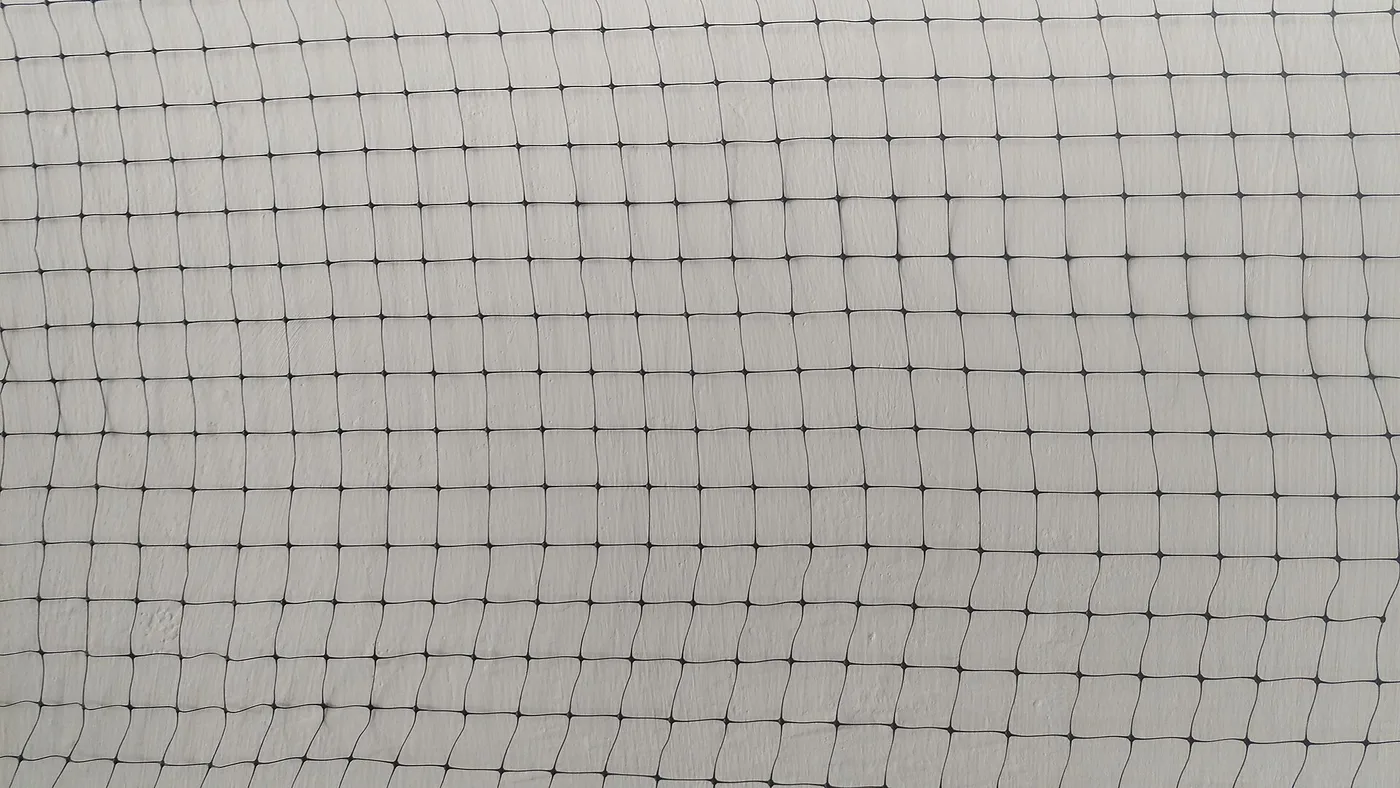
Choose a mesh small enough that birds cannot reach through it or get tangled. A mesh of about half an inch keeps birds off without trapping them. Support the netting on hoops or stakes so it sits above the plants rather than resting on the fruit, which lets birds peck through the holes.
For smaller jobs, you have other barriers:
- Garden fleece or row covers laid over seedbeds protect new seeds and seedlings until they are established.
- Chicken wire cloches bent into tunnels keep birds off a single row of vegetables.
- Fruit cage frames give berry bushes and fruit trees permanent, walk-in protection.
Physical barriers take a little effort to set up, but they are the most effective long term way to protect a harvest from birds.
Scare Them Off With Visual Deterrents
When you cannot net an area, the next line of defense is to make it feel unsafe. Birds are wary animals, and anything that flashes, moves, or looks like a predator will keep them cautious.
Reflective tape and old CDs are cheap and effective. Hang them from stakes, bushes, and fruit trees so they spin and flash in the wind. The unpredictable light startles birds and breaks up their sense of safety. Move them around every few days so the birds do not get used to them.
An owl decoy or hawk decoy adds a predator to the picture. Set one on a post where it is visible from the air, and reposition it often. A decoy that never moves stops working within a week, because birds are smart enough to figure out it is not real. A classic scarecrow works the same way, and dressing it differently from time to time keeps it convincing.
Sound and Motion Deterrents
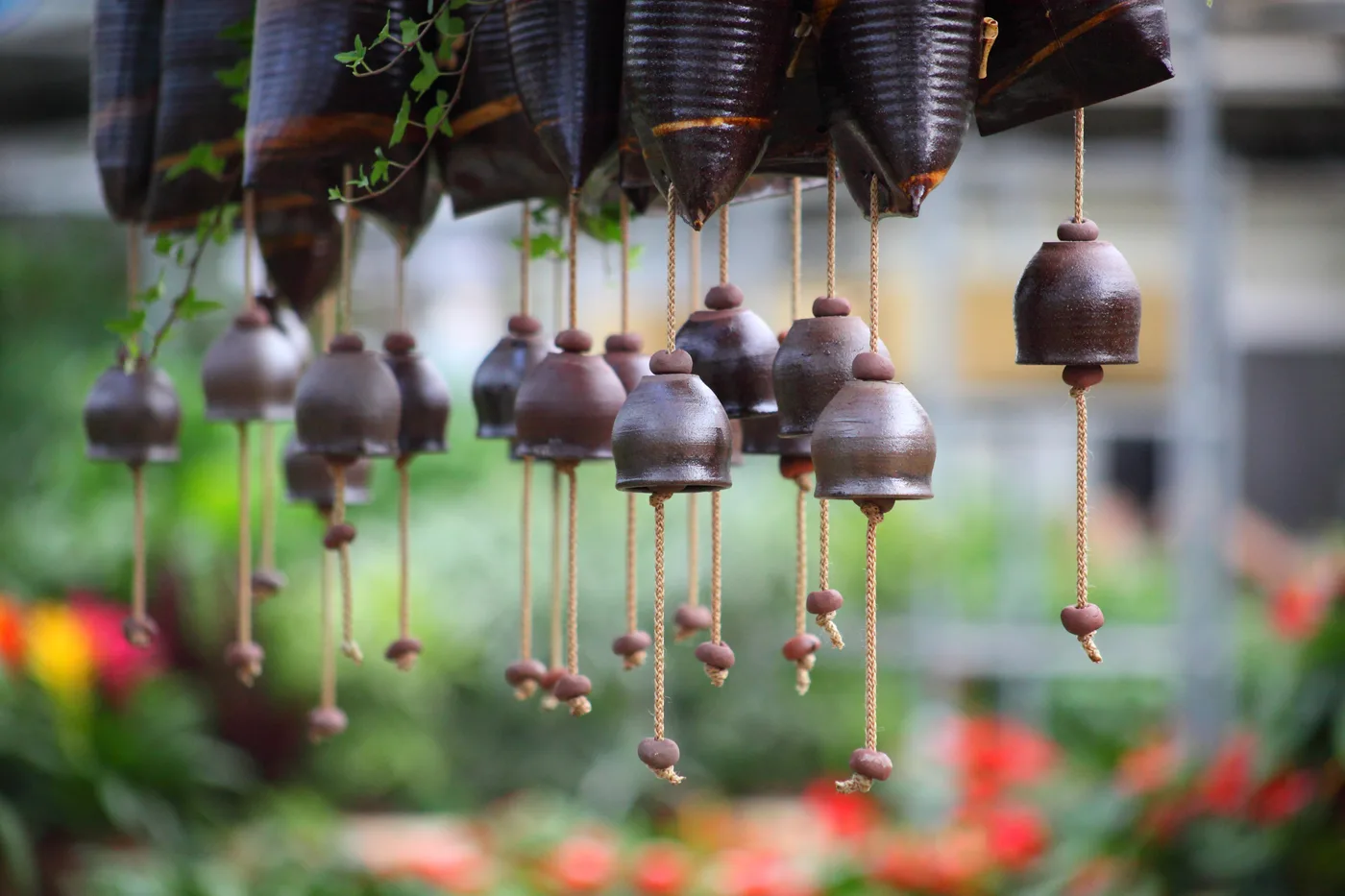
Sound and sudden movement add another layer that visual scares alone cannot. Wind chimes near the beds give you steady noise and motion that makes birds uneasy, especially in a quiet garden where they are used to feeling safe.
A motion-activated sprinkler is about the most reliable scare a gardener has. When a bird lands in range, the sprinkler fires a harmless burst of water that sends it flying. Because the trigger is movement, the birds never learn to ignore it the way they do a static decoy. Ultrasonic devices can help as a supplement, though they work best alongside netting and visual deterrents rather than on their own.
Non Toxic Repellent Sprays
A repellent makes your plants taste or smell wrong to birds without harming them. These are a good supplement to barriers, especially on plants you cannot easily net.
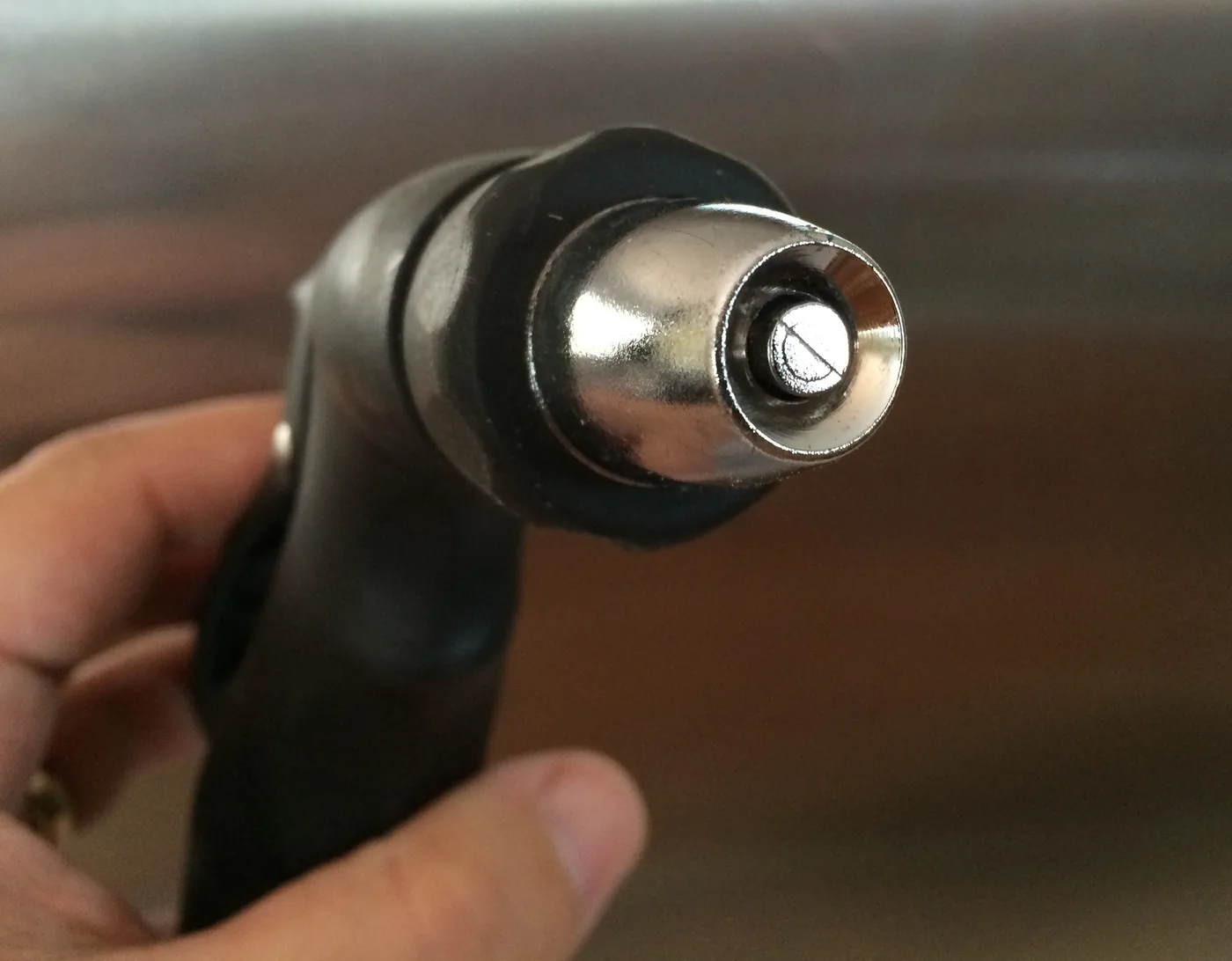
Commercial sprays based on methyl anthranilate, a grape extract that irritates birds but is safe for people, plants, and pets, are the most reliable option. Our bird repellent spray guide covers the products worth buying. For a homemade version, mix water with hot sauce or chili and spray it on the fruit and leaves birds keep hitting. The capsaicin burns birds, washes off in the rain, and does not bother the plants.
Reapply any repellent after rain, since it loses strength once it is rinsed away. For the full range of options, the natural bird repellent pillar walks through what works and what does not.
Remove What Attracts Birds
Deterrents work far better once you stop feeding the birds by accident. Cleaning up the garden makes the whole space less of a draw.
Pick ripe fruit and vegetables promptly, and clear any fallen fruit from the ground daily. Cover compost so birds cannot pick through it, and secure your trash. If you keep bird feeders, move them well away from the vegetable beds so you are not inviting birds straight to the crops you want to protect.
A tidy garden also gives birds fewer places to perch and nest nearby. Trim back dense bushes and overhanging branches next to the beds. The less cover and easy food on offer, the less attractive your garden becomes, and the harder every deterrent you set up will work.
Protect Specific Crops
If the trouble is your orchard rather than the beds, see how to keep birds out of fruit trees for the netting and timing that save a harvest.
Some crops need targeted protection because birds love them most.
- Berries and soft fruit. Strawberries, blueberries, and cherries are bird magnets. Net them as soon as the fruit starts to color.
- Seedlings and seeds. Birds pull up sprouts and eat sown seed. Cover new beds with fleece or chicken wire until the plants are established.
- Tomatoes. Birds peck ripe tomatoes for the moisture. Pick them slightly early and ripen indoors, or net the plants.
- Fruit trees. Drape netting over smaller trees, or hang reflective tape and a decoy in larger ones you cannot cover.
Keep It Legal and Humane
Almost every bird in your garden is protected by law. Robins, crows, and nearly all native birds fall under the Migratory Bird Treaty Act, which makes it illegal to harm them, their eggs, or an active nest. Only house sparrows, European starlings, and feral pigeons are unprotected. The Humane Society recommends exclusion and deterrence over any lethal approach, and for protected birds those humane methods are the only legal option anyway.
If birds are already nesting in your garden, leave the nest alone until the young have fledged. Our guide on how to stop birds from nesting covers the timing and the legal window for removing an empty nest and blocking the spot.
Combine Methods for the Best Results
No single deterrent keeps birds out of the garden on its own, because birds adapt. The gardeners who win stack methods. Net the crops that matter most. Hang reflective tape and move a decoy around the open beds.
Spray a repellent on what you cannot cover, and keep the garden clean so there is less to draw birds in.
Start with netting on your most valuable plants, add a scare tactic or two, and rotate them before the birds settle in. With a few humane methods working together, you can enjoy your garden and your harvest without sharing it with every bird in the neighborhood. For other bird problems around the house, our how to get rid of birds hub points you to the right guide.
Images: Bird netting protecting grapevines near Harvest by Mark Smith, CC BY 2.0. Anti-bird netting close-up by SaturninoOpi, CC BY-SA 4.0. Wind chimes by Kim Dae Jeung, CC0. Garden sprayer by Maury Markowitz, CC BY-SA 4.0. Via Wikimedia Commons.


Free: The 5-Step Bird-Proofing Checklist
Work through the right steps in the right order, before spending money on the wrong deterrents. Printable PDF, straight to your inbox.
No spam. Unsubscribe any time.