How to Stop Birds from Nesting Around Your Home
Contents[hide]
To stop birds from nesting, inspect likely sites before birds start building in your area. Remove food, then seal unused gaps and vents. Fit spikes, mesh, slope covers, or taut netting where each barrier belongs. First confirm that no bird, egg, chick, or active nest is inside.
In this article, we’ll cover active nest checks, physical barriers, and the legal stop point.
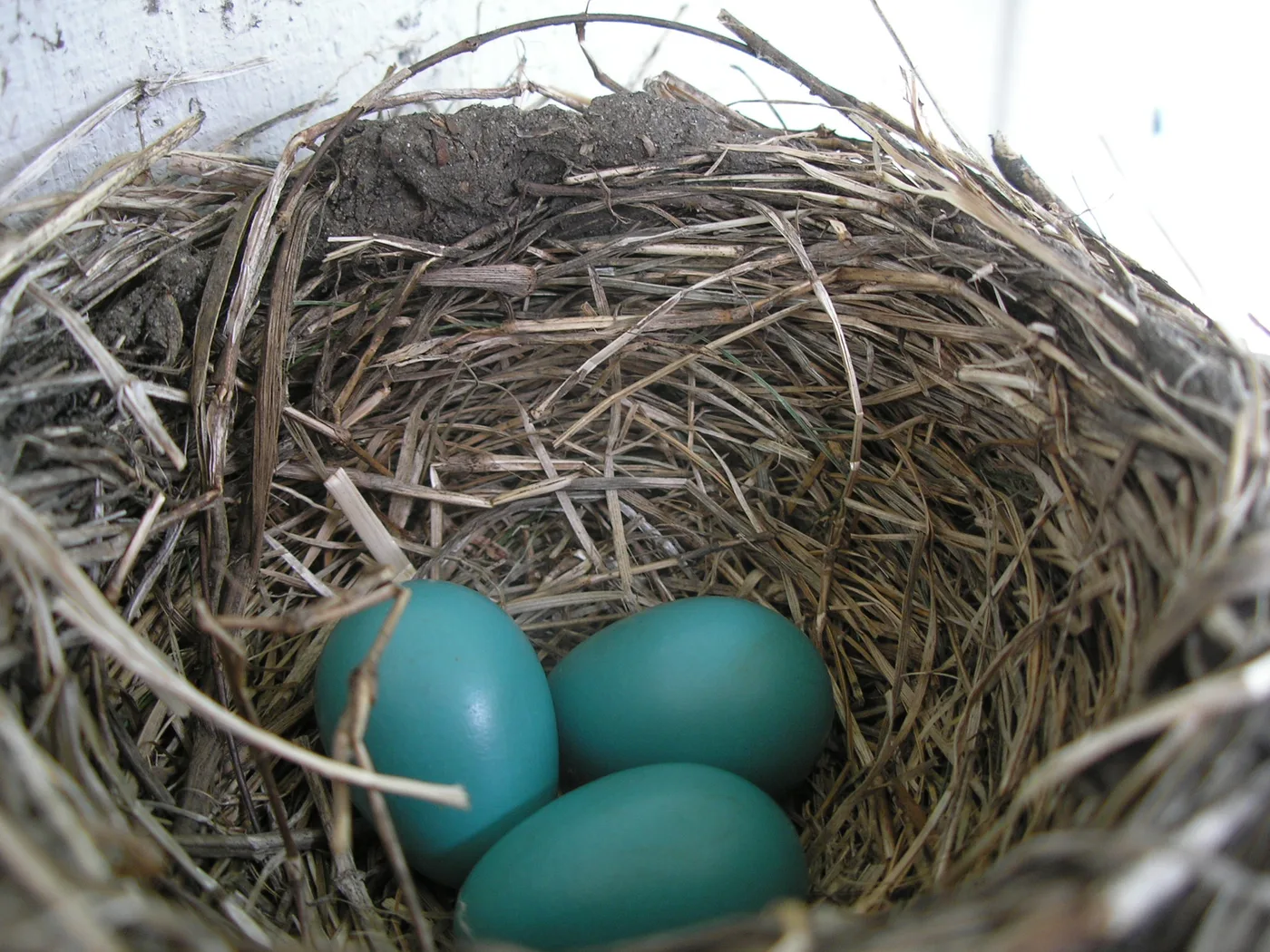
How to Stop Birds From Nesting, Step by Step
Do the work before birds start building in your area. Nesting dates change by species, climate, and location. Late winter is a useful inspection time in many places, but it is not a national deadline.
Most sites fall out of use from late summer through winter. The exact window shifts with the species and the region. That quiet stretch is usually when a ledge or vent can be closed. Check the actual site either way.
Use this order:
- Watch the site and identify the bird or type of nest.
- Remove easy food, loose trash, and spilled seed.
- Seal unused openings and cover empty ledges with a fitted barrier.
Physical exclusion does the lasting work. Food cleanup lowers bird traffic, but it does not close a vent or ledge. Never put a barrier over an active nest or trap birds behind it.
Can You Stop a Bird Once It Starts Building?
Sometimes, but first check whether the site is active. A nest can be active before you see eggs. Birds may still be building, tending hidden chicks, or feeding dependent young nearby.
For birds covered by the Migratory Bird Treaty Act, an active nest needs legal care. Federal staff now call it an in-use nest. A nest stays in use until the young leave and no longer depend on it.
The U.S. Fish and Wildlife Service nest guidance explains in-use nests, empty nests, and permits. Federal law works alongside state and local rules.
If the site is empty and no bird is using it for breeding, you can generally remove the loose start. Block the spot right after removal. Do not keep the nest, since federal possession rules may apply.
Stop if you find eggs, chicks, dependent young, or adults still tending the site. If the species or activity is unclear, wait or call your state wildlife agency. The full bird protection rules explain federal coverage and state limits.
An empty nest of most covered species can generally be destroyed without a federal permit. That assumes removal does not take a bird or egg. Eagle nests remain protected even when inactive.
Limited permits may be available when an active nest creates a real health or safety problem. Ask USFWS and your state wildlife agency before acting. Do not treat this page as legal advice.
A Mourning Dove is a native game bird, so the protected-species route above applies.
House sparrows, European starlings, and feral pigeons are different. These are the three nonnative building pests homeowners meet most often. They are outside federal MBTA protection, though state, local, and animal welfare laws can still apply.
Where Should You Check and Seal?
Watch each site for repeated trips before touching it. A bird entering the same gap with food or nest material may be tending young. Listen for calls from inside a cavity too.
Check these places:
- Dryer vents, bathroom vents, and passive wall vents
- Soffit gaps and loose trim along the roof
- Eaves, porch lights, beams, signs, and narrow ledges
- Gutters and downspout corners
- Attic vents, roof gaps, and chimney openings
- Garage and barn doors, rafters, and wall gaps
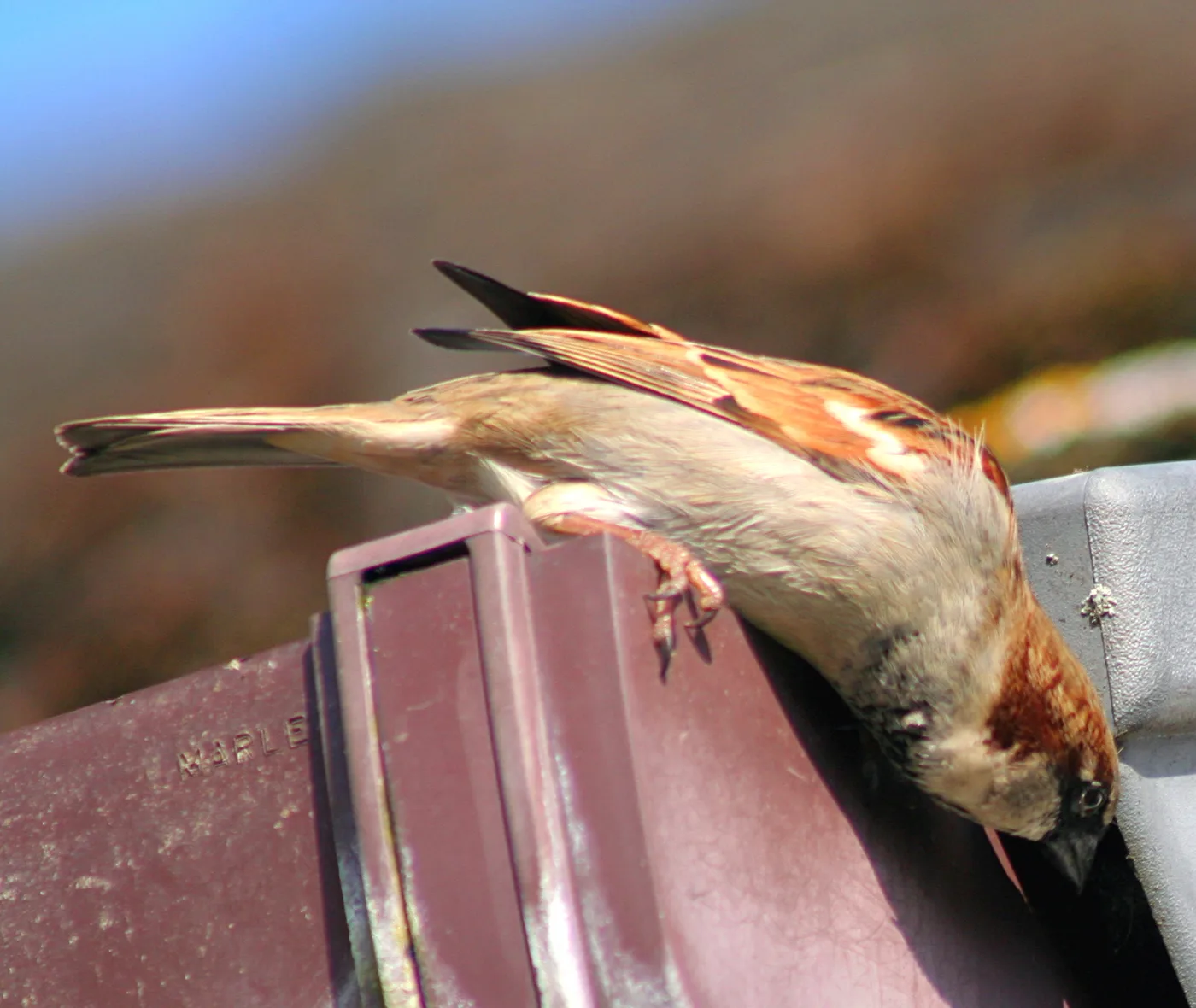
Use a vent cover made for the opening. A nest in a dryer vent or heated exhaust path can create a fire risk. Material touching electrical parts can also be dangerous. Other vents mainly raise blocked airflow and sanitation concerns. The guide to keeping birds out of vents explains which covers belong on dryer, bathroom, gable, soffit, and combustion vents.
Do not seal a vent until you know every bird and chick is out. Detailed attic exclusion steps cover roof gaps and one way exits. For roof drainage, follow the gutter nesting checks.
A bird inside a garage needs an open exit before any gap is screened. Use the garage removal and sealing steps if it keeps returning.
Which Physical Barriers Work?
Match the barrier to the opening, bird, and surface. A product that fits one narrow ledge may fail across an open beam. Confirm the site is inactive before any installation.
Mesh and Vent Covers
Rigid metal mesh works well over soffit and attic openings. A fitted vent cover protects an exhaust opening without blocking needed airflow. Use corrosion resistant fasteners and close every edge.
Do not stuff an opening with loose material. Birds can pull it out, and a blocked vent may stop working safely. High roof work belongs with a professional.
Bird Spikes and Slope Covers
Spikes work best on narrow ledges used by medium or large perching birds. The strip needs full coverage and the right width. Small birds may fit between tines that are too far apart.
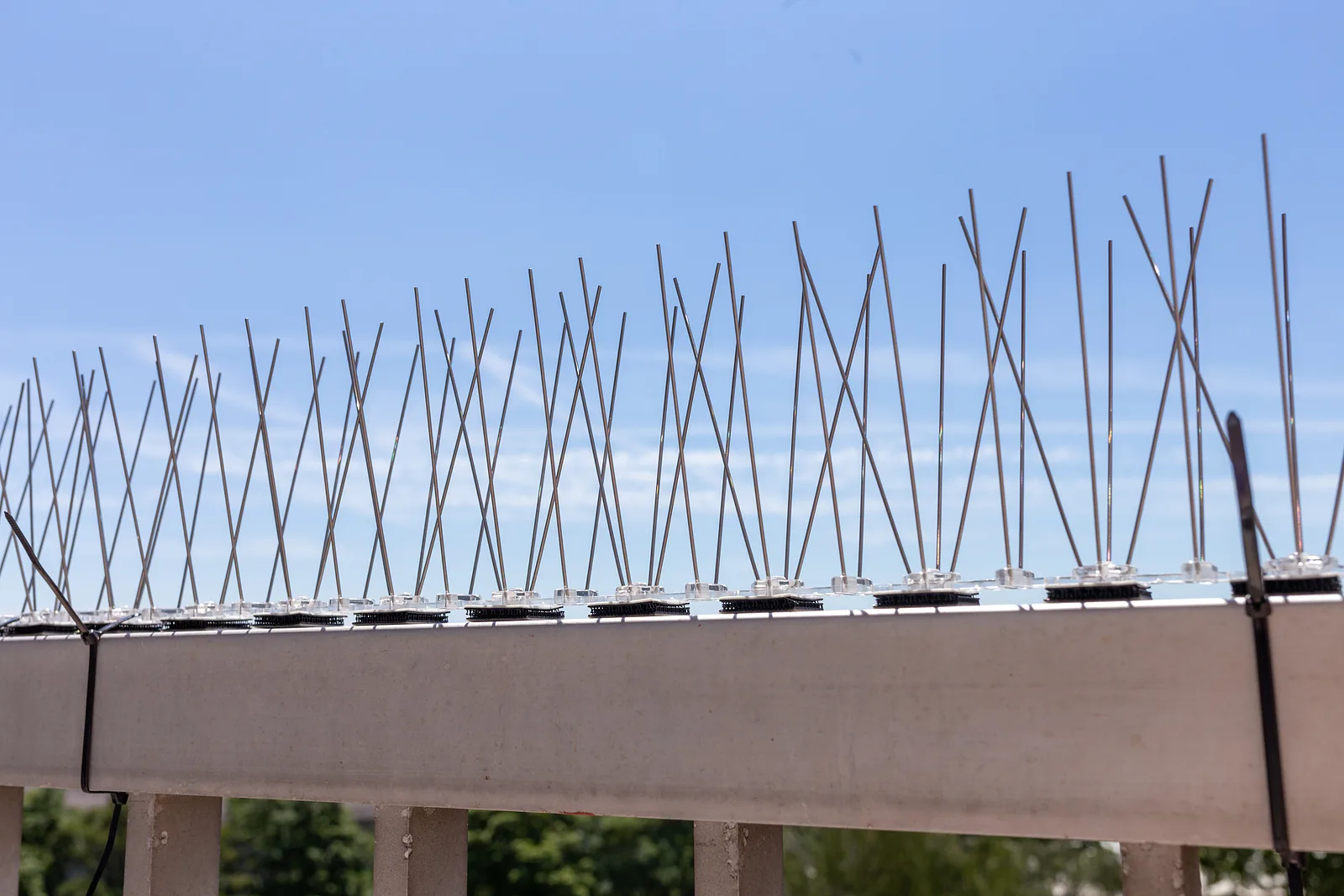
Adhesive can affect painted or sealed finishes. Screws go through the surface, so check what sits below before drilling. Compare spike widths and attachment choices before buying a long run.
Slope covers turn a flat ledge into an angled surface. They work well over a beam or sign where spikes would look awkward. Seal the ends so a small bird cannot nest behind the cover.
Bird Netting
Netting can close an open porch ceiling, rafter bay, or loading area. It must be taut, with every edge closed. Loose netting can trap or tangle birds.
Confirm that no bird or active nest is behind the barrier. Inspect the net often for gaps, tears, and trapped debris. Never seal adults away from hidden young.
Building scale netting and unsafe roof work need a trained installer. The bird netting safety and fit details explain mesh size and installation choices.
What Else Makes a Nesting Site Less Attractive?
Reduce food that draws repeat bird traffic. Sweep spilled seed, bring pet food inside, pick up fallen fruit, and close trash lids. These steps support exclusion, but they do not make an occupied nest legal to remove.
Inspect every shrub and tree before cutting. Repeated trips into one branch, hedge, or cavity can point to a hidden nest. Stop if you see that pattern.
Prune roof touching branches and access routes only when birds are not breeding there. Do not strip a hedge or occupied shrub just to discourage backyard birds.
Reflective strips, moving decoys, and sound may help while you prepare a barrier. Birds often get used to a scare that never changes. Treat these as short supports, not the main fix. Other humane ways to keep birds away can help in open areas.
A nest box is optional habitat, not a guaranteed transfer. Choose a box made for a local cavity nesting species. Place it away from the house and follow NestWatch placement guidance.
What If a Nest Is Already There?
Do not start with removal. First identify the species and decide whether the nest is active. Look for eggs, chicks, dependent young, and adults tending the site.
If a protected nest is active, leave it alone unless an agency approves another route. Keep people and pets back. A genuine health or safety problem belongs with USFWS, your state agency, and a qualified wildlife professional.
If the nest is inactive and removal is legal, clean the area for sanitation. Then block the access point before another pair uses the same safe spot. Return visits usually come from an open site that worked before.
Detailed nest removal steps cover protective gear, cleanup, vents, and professional help. Prevention starts again only after the site is empty and safe to close. The same approach carries over to bird-proofing the rest of the house.
Images: Female House Sparrow carrying nesting material and House Sparrow at a gutter nest by John Haslam, CC BY 2.0. Robin cup nest by Dima Sergiyenko, CC BY-SA 4.0. Via Wikimedia Commons. Bird spikes photo via BirdProofingHQ.


Free: The 5-Step Bird-Proofing Checklist
Work through the right steps in the right order, before spending money on the wrong deterrents. Printable PDF, straight to your inbox.
No spam. Unsubscribe any time.