Bird Nesting Season: When Birds Nest (by Species)
Contents[hide]
Bird nesting season has no single national date. Spring and summer hold much of the activity in temperate areas. Great Horned Owls may start in late winter in the north, while American Goldfinches often wait until July or August. Check the actual site before pruning, sealing, demolition, or bird-proofing work.
In this article, you'll learn when birds nest and how timing varies by species. We'll cover seasonal timing, species patterns, and nesting protections.
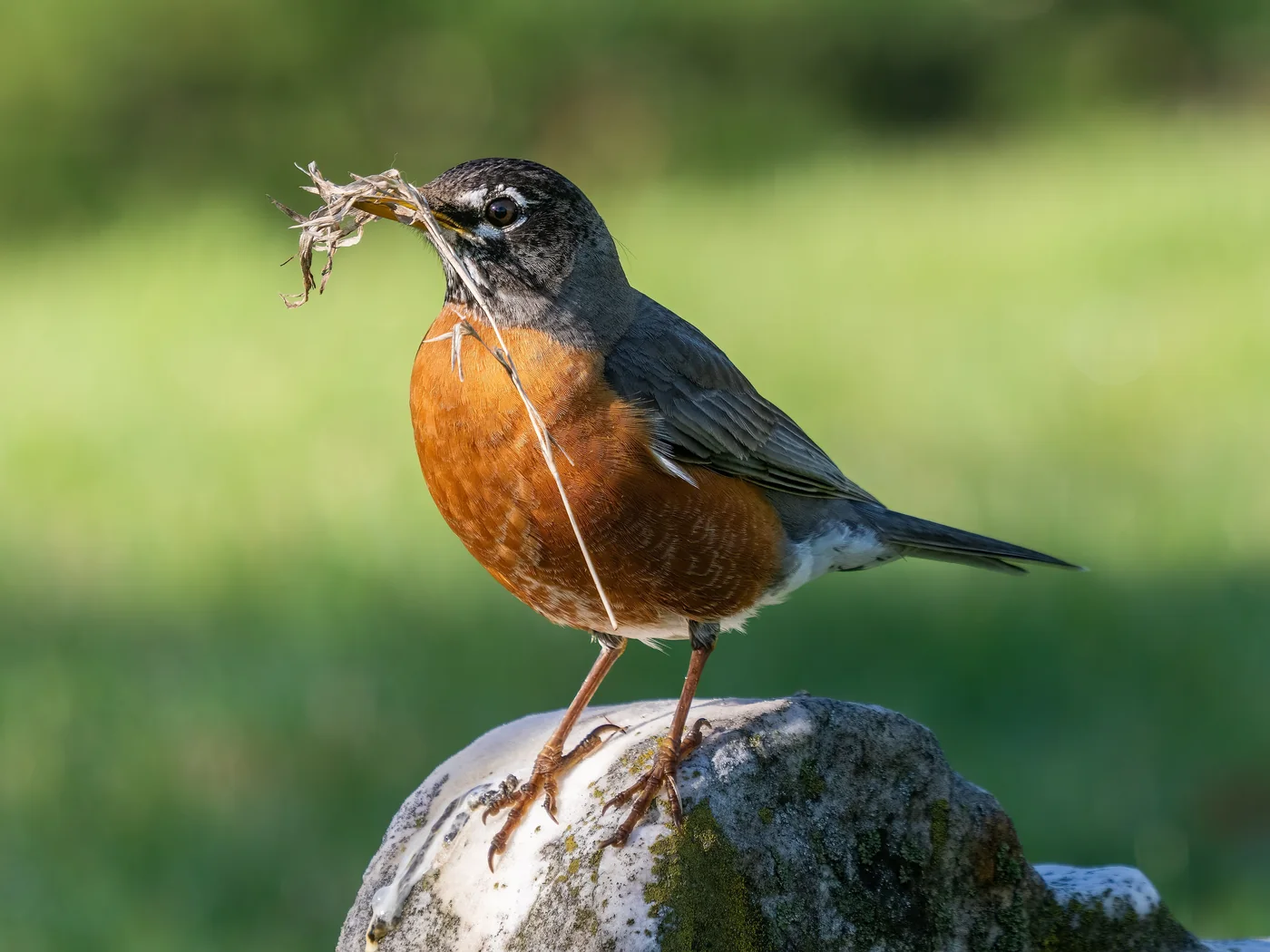
When Is Bird Nesting Season?
For much of the temperate United States, the broad rush begins in spring and continues through summer. But that is a pattern, not a rule.
The Cornell Lab’s NestWatch nesting cycle explains why the calendar moves. Increasing day length helps trigger breeding preparation. Local food peaks help birds feed demanding young.
Migrants first have to reach their breeding grounds and claim territory. Birds that stay all year can get started earlier.
Local nesting dates shift for four main reasons:
- Latitude: Southern birds often begin earlier. Northern birds may still be nesting after a southern population has finished.
- Migration: A Barn Swallow cannot start its local attempt until it returns. A resident owl does not have that delay.
- Food and materials: Insects, seeds, mud, and plant fibers become available at different times.
- Repeat broods: Robins, doves, finches, and swallows can raise more than one brood, stretching activity well beyond the first spring nest.
So when someone says nesting season runs from one exact month to another, ask where and for which bird. Without those two pieces, the dates are not very useful.
Bird Nesting Season by Species
This table gives a rough order for common birds around homes and other buildings. Exact month ranges are labeled by region where the source provides them.
| Species | Rough nesting pattern | What changes the window |
|---|---|---|
| Great Horned Owl | One of the early birds. Audubon notes that nesting may begin in late winter in the north. A Maryland Extension fact sheet places local nesting around late January into February. | Latitude, prey, and nest-site availability |
| American Robin | A spring to midsummer nester in many temperate areas. Oregon State Extension gives April through July as a regional example. | Latitude and repeat attempts, sometimes two or three in a season |
| Barn Swallow | Returns in spring, then builds on barns, eaves, bridges, and similar sheltered structures. Audubon reports one or two broods per year. | Migration timing, flying insects, mud, weather, and nest-site access |
| Mourning Dove | A long, repeat nesting season. University of Maryland Extension records March through October in Maryland, with a local peak from April to July. It says nesting starts earlier farther south and may continue through the year in the Deep South. | Latitude and multiple broods, especially in warm regions |
| House Finch | Pairs may start forming in winter, then make several attempts through the breeding season. Audubon reports up to three broods per year, perhaps more. | Climate, food, and repeated attempts |
| American Goldfinch | One of the latest nesters. Audubon places most activity in July and August in many areas. | The later supply of thistle, milkweed, and other fibrous seeds used for nests and food |
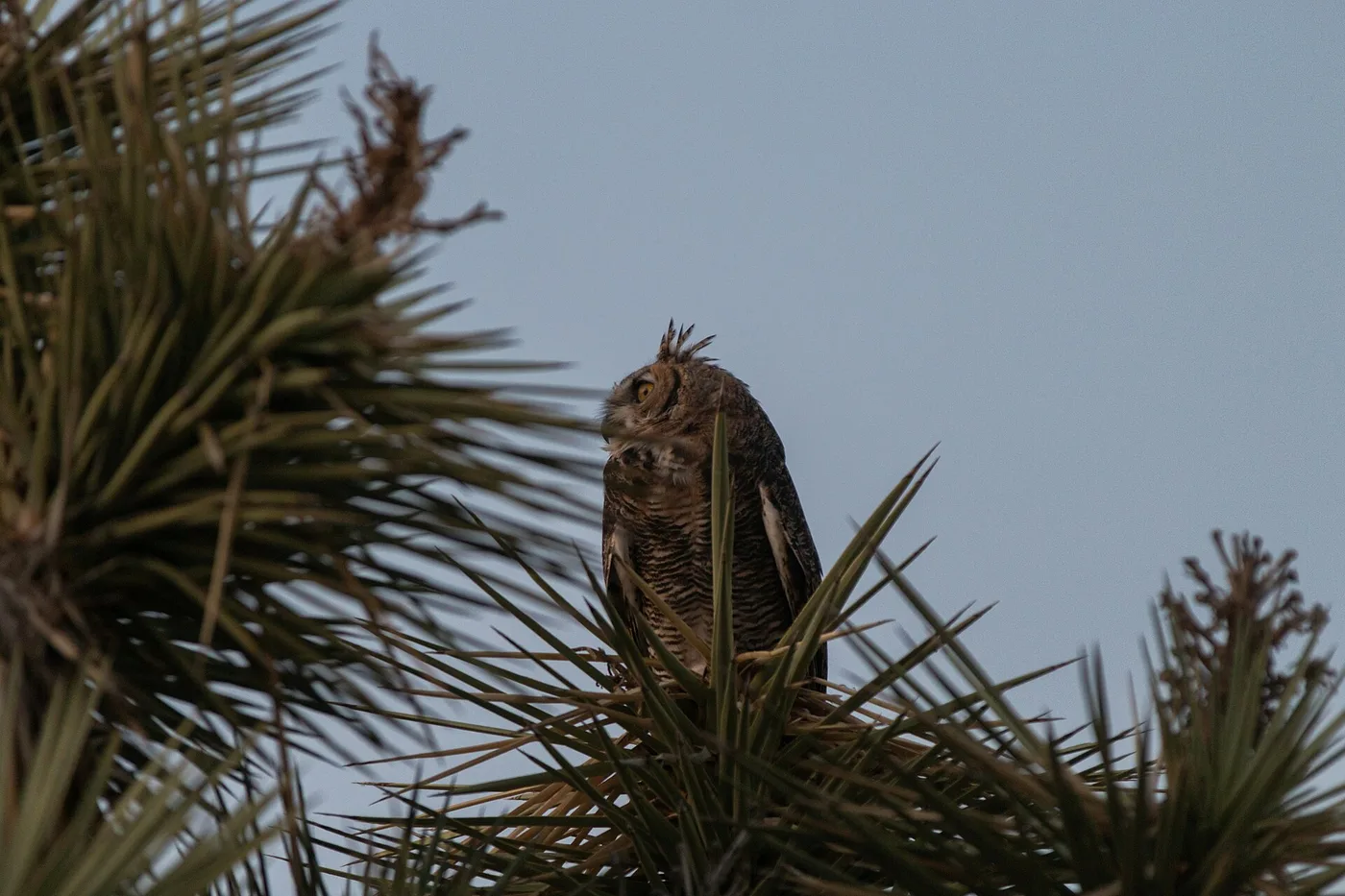
The point is not to memorize six date ranges. It is to notice the sequence. Owls can be underway while winter still has teeth. Many familiar yard birds follow in spring.
Doves and finches keep restarting. Goldfinches start nesting late enough to catch people who assumed the season was over.
Cups, platforms, cavities, scrapes, and mud nests can help you identify common types of bird nests. The nest alone does not always prove the species.
How Long Does One Nesting Attempt Last?
The visible eggs-and-chicks phase can be surprisingly short. That does not make it predictable enough to use as a removal countdown.
Cornell NestWatch gives these incubation and nestling ranges:
- American Robin: 12 to 14 days of incubation, then about 13 days in the nest.
- Mourning Dove: about 14 days of incubation, then 13 to 15 days in the nest.
- Barn Swallow: 12 to 17 days of incubation, then 15 to 27 days in the nest.
- House Finch: 13 to 14 days of incubation, then 12 to 19 days in the nest.
- American Goldfinch: 12 to 14 days of incubation, then 11 to 17 days in the nest.
Those numbers leave out several pieces:
- Adults may spend time choosing and defending the site.
- Building can take place before the first egg appears.
- Eggs are not always laid all at once.
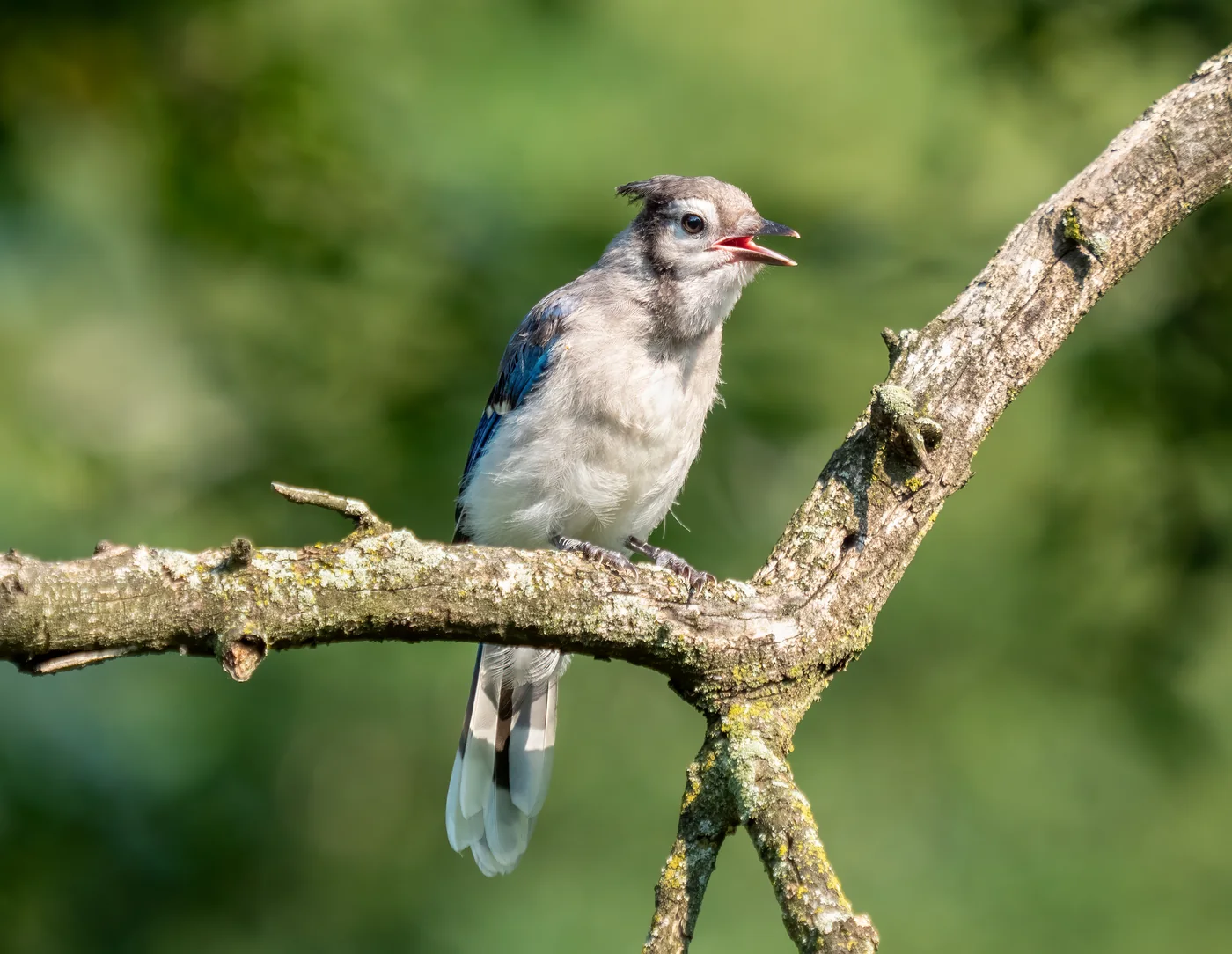
- Young may still depend on their parents after leaving the nest.
- The pair may start another brood nearby.
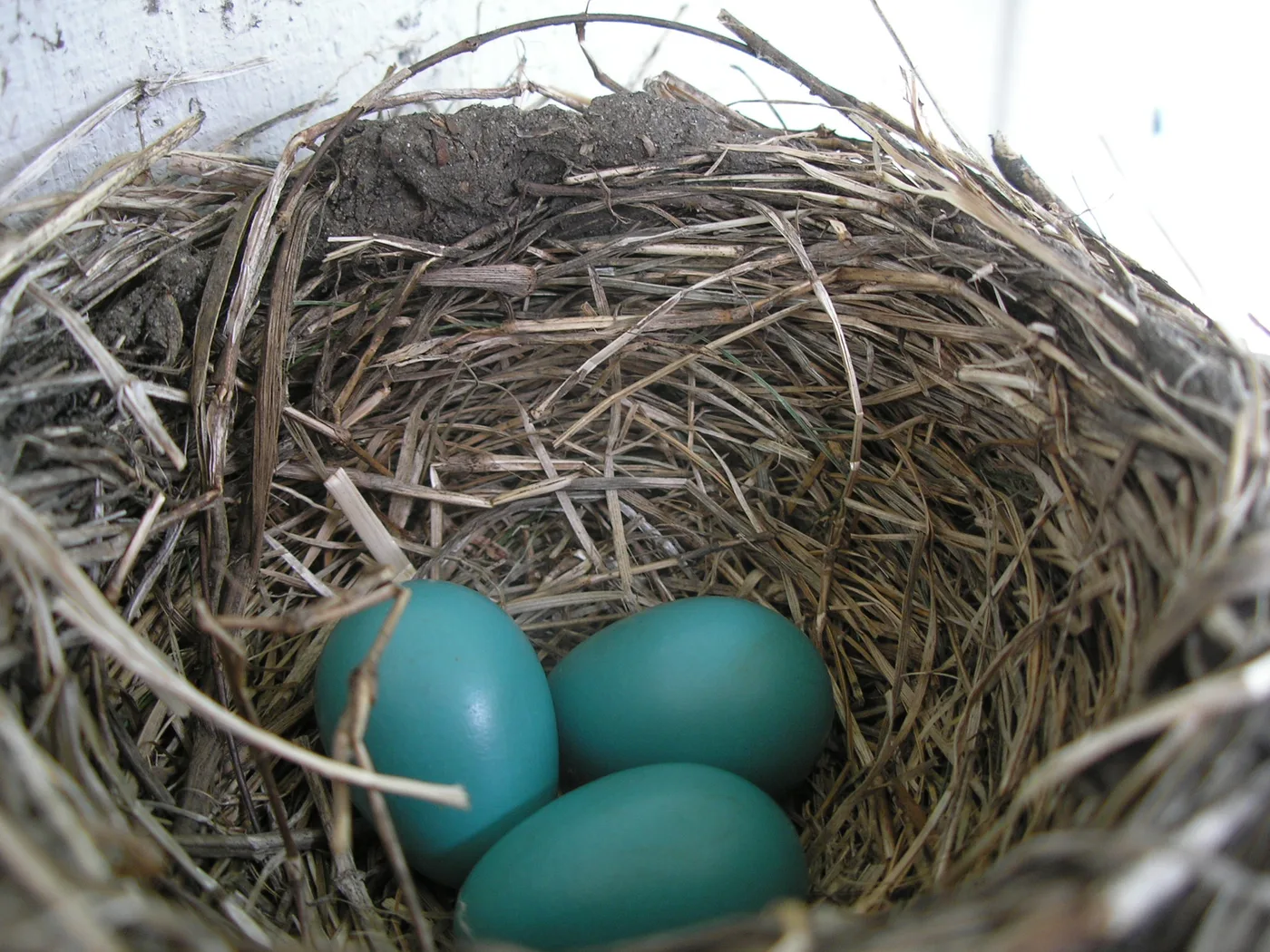
Adding an incubation number to a nestling number is not a safe work calendar. It does not tell you when a ledge, vent, shrub, or eave is clear.
Before You Schedule Work Around Nesting Birds
A calendar is only a planning tool. Before pruning, sealing, demolition, or bird-proofing work, watch the exact site from a distance. Look for adults carrying material or food, sitting for long periods, begging calls, chicks, or recently fledged young being fed nearby. Do not treat one quiet visit as proof that a concealed nest is unused.
The U.S. Fish and Wildlife Service guidance on bird nests says you cannot destroy a protected nest with eggs or chicks. The same rule applies while young still depend on it. Eagle nests have added protection.
Federal, state, and species rules decide what you can do, so check whether the bird is protected by law. Confirm the site is empty before removing a nest.
Once the site is confirmed unused, block access before another attempt begins. If the species or status is uncertain, pause and contact your state wildlife agency or a qualified wildlife professional.
This article provides general U.S. information, not legal advice. Federal, state, local, and species-specific rules can differ.
Images: American robin carrying nesting material and Blue Jay fledgling by Rhododendrites, CC BY-SA 4.0. Great horned owl by Joshua Tree National Park, public domain. Robin cup nest by Dima Sergiyenko, CC BY-SA 4.0. Via Wikimedia Commons.
.jpg)
.jpg)
.jpg)

Free: The 5-Step Bird-Proofing Checklist
Work through the right steps in the right order, before spending money on the wrong deterrents. Printable PDF, straight to your inbox.
No spam. Unsubscribe any time.