Bird Nest Removal: How to Do It Safely (and Legally)
Contents[hide]
To remove a nest, first make sure it is inactive: no eggs, chicks, or adults tending it. Active nests of most native birds are federally protected. House sparrows, European starlings, and feral pigeons are outside the MBTA, but state and local rules may apply. Once removal is legal, wear gloves, bag the nest, and seal the spot.
In this article, we’ll cover how to tell if removal is legal, how to clear an inactive nest safely, and how to seal the spot for good.
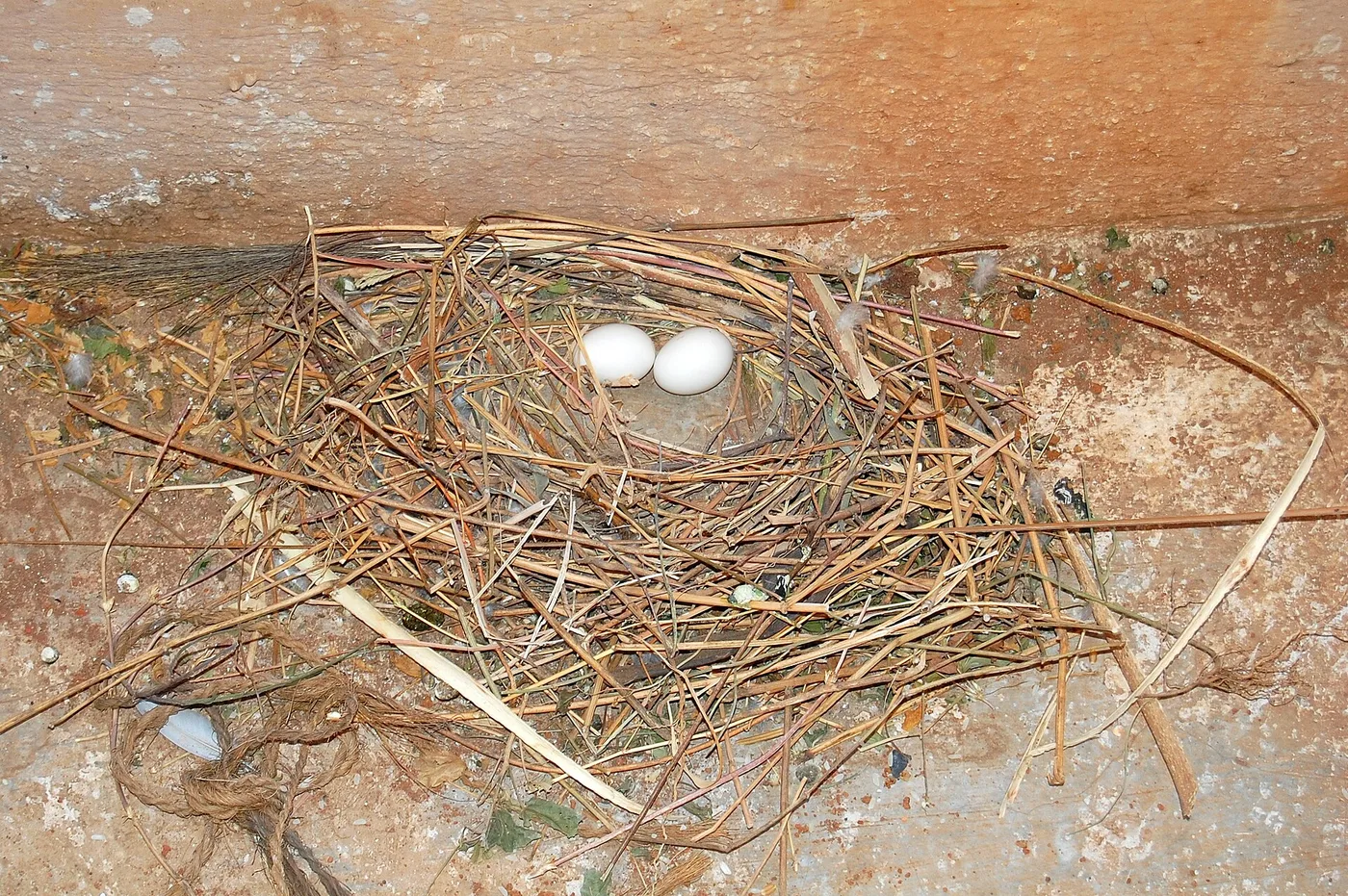
Is It Legal to Remove a Bird Nest?
The Migratory Bird Treaty Act (MBTA) protects nearly all native birds. It generally makes it illegal to take or possess a protected bird, its eggs, or an active nest. This is strict liability, with penalties up to $15,000 and six months in jail regardless of intent.
An inactive nest can generally be removed without a permit, but eagle nests remain protected even when empty. The US Fish and Wildlife Service can issue a permit if an active nest must come out for a genuine health or safety reason. The rules for how bird nests are protected by law explain the species and permit exceptions.
Three common pest birds are not protected by the MBTA at all:
- House sparrows (introduced from Europe in the 1850s)
- European starlings (introduced in the 1890s)
- Feral pigeons (domesticated rock doves gone wild)
These three are outside the MBTA, but state and local rules can still apply. Leave active nests of native protected species alone until the young fledge unless removal is permitted, and check with your state wildlife agency if you’re unsure.
How to Tell If a Nest Is Active
Watch the nest from a distance over a couple of days and read the signs.
- Active: adults come and go regularly, or you can see eggs or chicks inside. Leave it alone.
- Inactive: no adults tending it, nothing moving inside, no eggs or chicks. It is usually legal to remove then, except for eagle nests.
There’s no federal “five-day” rule. What counts is whether the nest is active, not how long an adult has been away foraging. Don’t handle it to check.
Handling or disturbing an active nest can harm birds or eggs and may result in a prohibited take. Watch from a distance instead, and if you’re not sure the young have fledged, wait a few more days or call your state wildlife agency.
Not sure what built the nest? The shape and the spot usually give it away. A mud cup under the eaves points to swallows, while loose grass in a gutter points to sparrows or starlings. Compare it with common nest types and their builders if you are unsure.
How to Remove a Bird Nest Safely
Once the nest is inactive, the job is simple. The real concern is the mess.
Old droppings and nest material can carry bacteria, and large piles can also harbor Histoplasma, the fungus behind histoplasmosis. Nests also draw mites once their bird hosts leave. No EPA-registered disinfectant is approved for Histoplasma, so keep the dust down and match your protection to the size of the mess.
For a small, fresh nest on a ledge, in a gutter, or in a vent, gloves and an N95 mask (better than a cloth one) are enough.
For a large or old accumulation in an attic, a chimney, or a long-used roost, an N95 is not enough. That calls for a P100 or powered air-purifying respirator with a full facepiece, plus disposable coveralls, and it is often a good reason to call a pro. A small amount of fresh droppings is low risk; the danger is built-up, soil-mixed piles that have sat for months.
What you need for a routine job:
- Rubber or nitrile gloves
- An N95 mask, not a cloth one
- Heavy-duty plastic trash bags
- A spray bottle of water
- A standard household bleach cleaning solution (about a third of a cup of bleach per gallon of water)
Steps:
- Put on your gloves and mask before you touch anything.
- Mist the nest with plain water first. Damp material keeps dust and spores out of the air, so never shake or sweep a dry nest.
- Lift the material straight into a plastic bag and seal it. Put it in your outdoor trash; never compost or keep it.
- With ventilation, wipe the vacated surface with the household bleach solution. It handles common surface bacteria, including Salmonella, but does not neutralize histoplasmosis. Never mix bleach with other cleaners.
- Let the spot dry, then seal the entry point so birds cannot rebuild (see the prevention section below).
Wash your hands well once the gloves are off. Change your clothes if you were working in a closed space with heavy droppings.
Removing a Nest by Location
The safe method is the same. The access is what changes from spot to spot.
Dryer Vent
A dryer-vent nest is the most urgent because it can cause a fire. Dryer lint is already flammable, and dry nesting material adds fuel. This is true for gas and electric dryers.
A gas dryer adds a second hazard. A blocked vent can push combustion gases, including carbon monoxide, back into the house. An electric dryer burns no fuel, so it makes none.
Signs of a nest in the vent include longer drying times, a burning smell, or debris around the outside vent opening. You might also hear birds in the wall.
To clear a dryer vent nest:
- Unplug the dryer and pull it away from the wall.
- Detach the flexible duct from the dryer.
- Use a dryer vent brush to push the nest material toward the outside opening, or pull it back through the duct.
- Clear the exterior opening from outside.
- Reconnect everything and run the dryer on air only, no heat, for a few minutes to blow out any leftover bits before normal use.
Fit the outside vent with a metal cover with a spring-loaded or weighted flap. That keeps birds out when the dryer is off. Skip plastic covers because house sparrows can peck and wear through them.
Chimney
Chimney nests usually come from chimney swifts, and in some areas starlings. Chimney swifts are federally protected migratory birds, so if the nest is active you have to wait until the swifts have fledged before you cap the flue. The full cycle from egg to fledging is usually about six to seven weeks.
If the nest is inactive and belongs to starlings or house sparrows, a chimney sweep can clear it during a routine sweep. Never burn a nest out of the flue because it can start a chimney fire.
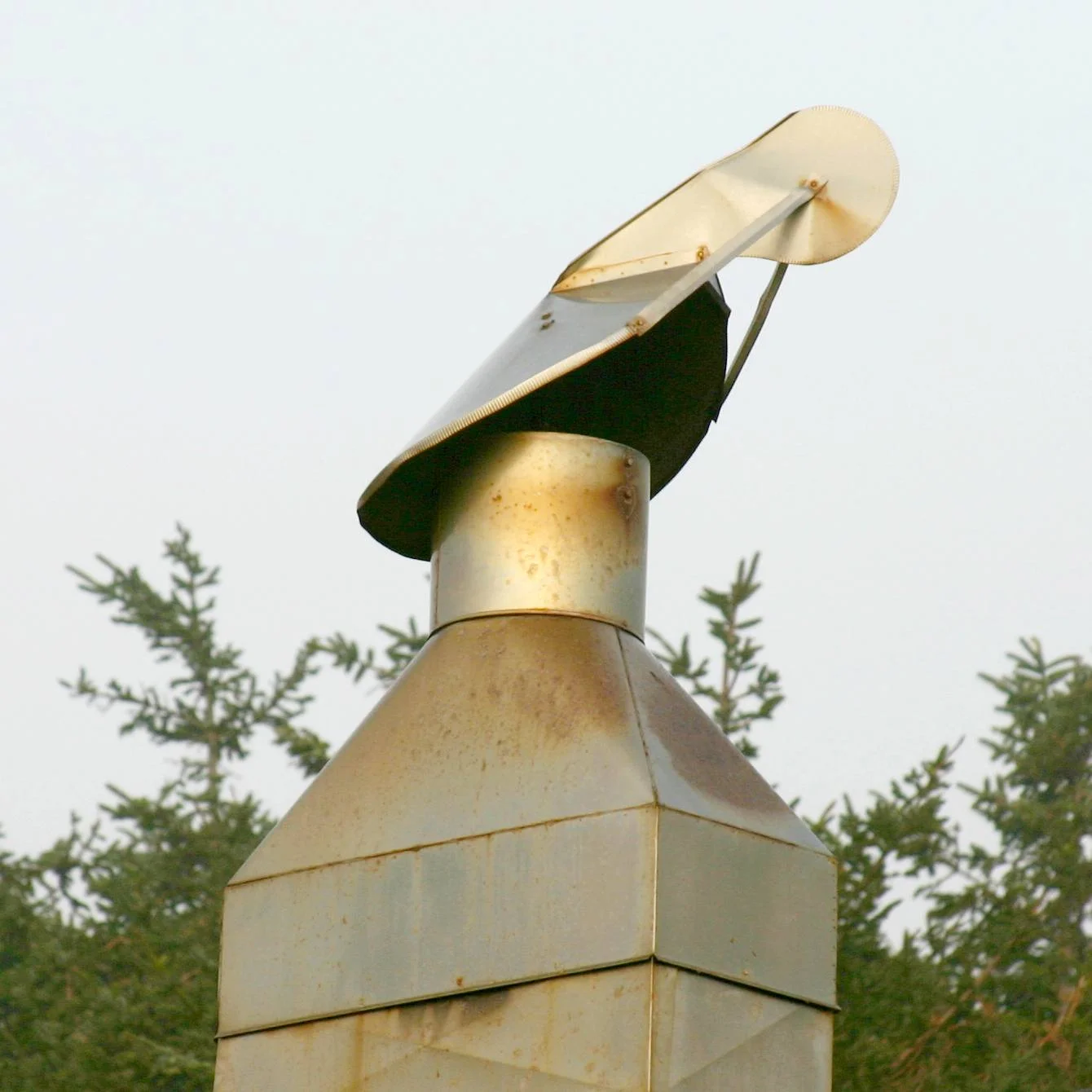
Once the nest is gone, have a chimney cap fitted. A cap with a wire mesh skirt blocks the opening and provides a durable exclusion fix. It matters most for chimney swifts, which return to the same chimney year after year.
Gutter
Gutter nests show up in spring, when house sparrows and starlings are building. A clogged gutter backs up rainwater, leading to fascia rot, roofline damage, and in bad cases trouble in the soffit.
With the nest inactive and legal to remove, clear it by hand with gloves on, then flush the gutter with a hose to wash out leftover debris and droppings. Once it’s clean, add gutter guards or screens before nesting season. The right mesh depends on which birds are nesting in the gutter.
Attic
Attic nesting is usually starlings or house sparrows that found a gap in the soffit, a missing vent screen, or an open eave. The removal steps are the same, but sealing the entry point matters more here, because returning birds head straight back to the same gap.
An attic also tends to hold old, heavy droppings that raise the histoplasmosis risk. That’s where the P100 respirator and coveralls from the safety section earn their keep. If there is a real buildup of droppings and nesting mess in the attic, treat the cleanup with respect or hand it to a pro.
Walk the exterior roofline before you seal. Look for gaps around three-quarters of an inch or wider at soffit joints, torn or missing vent screens, and any spot where two roof planes meet. Close them with hardware cloth, caulk, or expanding foam using the matching bird-proofing method.
How Much Does Bird Nest Removal Cost?
DIY removal costs nothing beyond the safety gear. Most people already own gloves and a mask, and a pack of nitrile gloves and an N95 runs a few dollars if you don’t.
Hiring out is harder to pin down because the price swings by location, species, and access. Fixr’s bird-removal guide, updated August 17, 2022, lists $350 to $650 as the typical national range and $500 as the average. Its examples run from $200 for an assessment and attic nest removal to $2,000 for assessment, capture, nest removal, netting, and sealing. A chimney job may also include a sweep and cap installation.
Because the number hinges on your exact spot, get two or three free quotes from local wildlife-removal pros. Compare the nest job with bird-removal costs by job type, especially for a larger attic infestation.
How to Prevent Birds From Nesting in the Same Spot
After removal, block the opening or landing spot before next spring. Birds have strong site fidelity, so they keep coming back to a place that worked once.
Seal openings. A gap around three-quarters of an inch can admit a house sparrow. Close soffit and eave gaps with hardware cloth or caulk, and replace broken vent screens right away.
Install vent covers. Dryer, bathroom, and kitchen exhaust vents all need covers with flaps that seal when not in use. Metal covers outlast plastic.
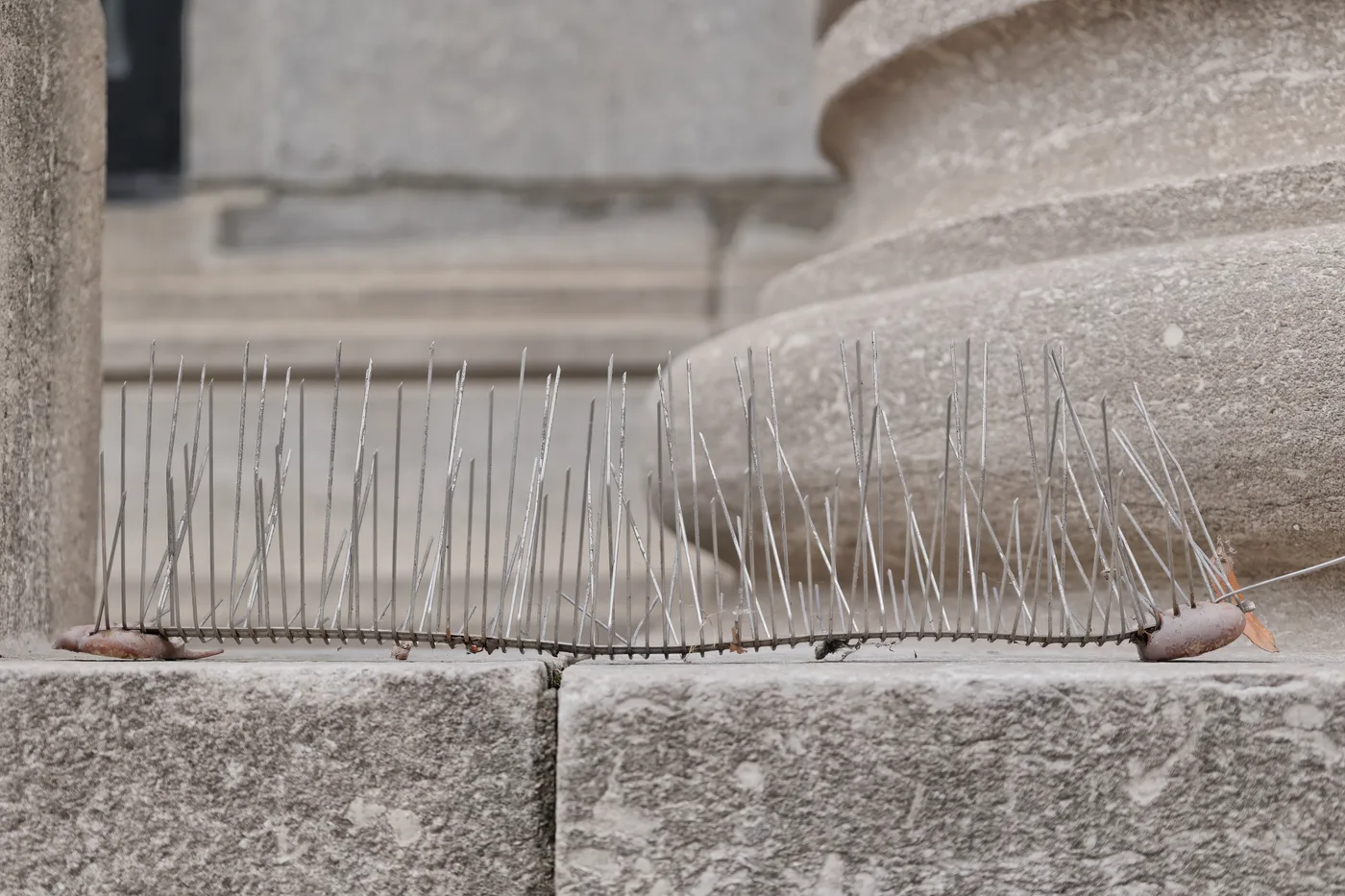
Use bird spikes on ledges. Window sills, ledges, and roofline edges where birds perch can be fitted with bird control spikes that take away the flat landing surface. They are a reliable long-term option for hard surfaces.
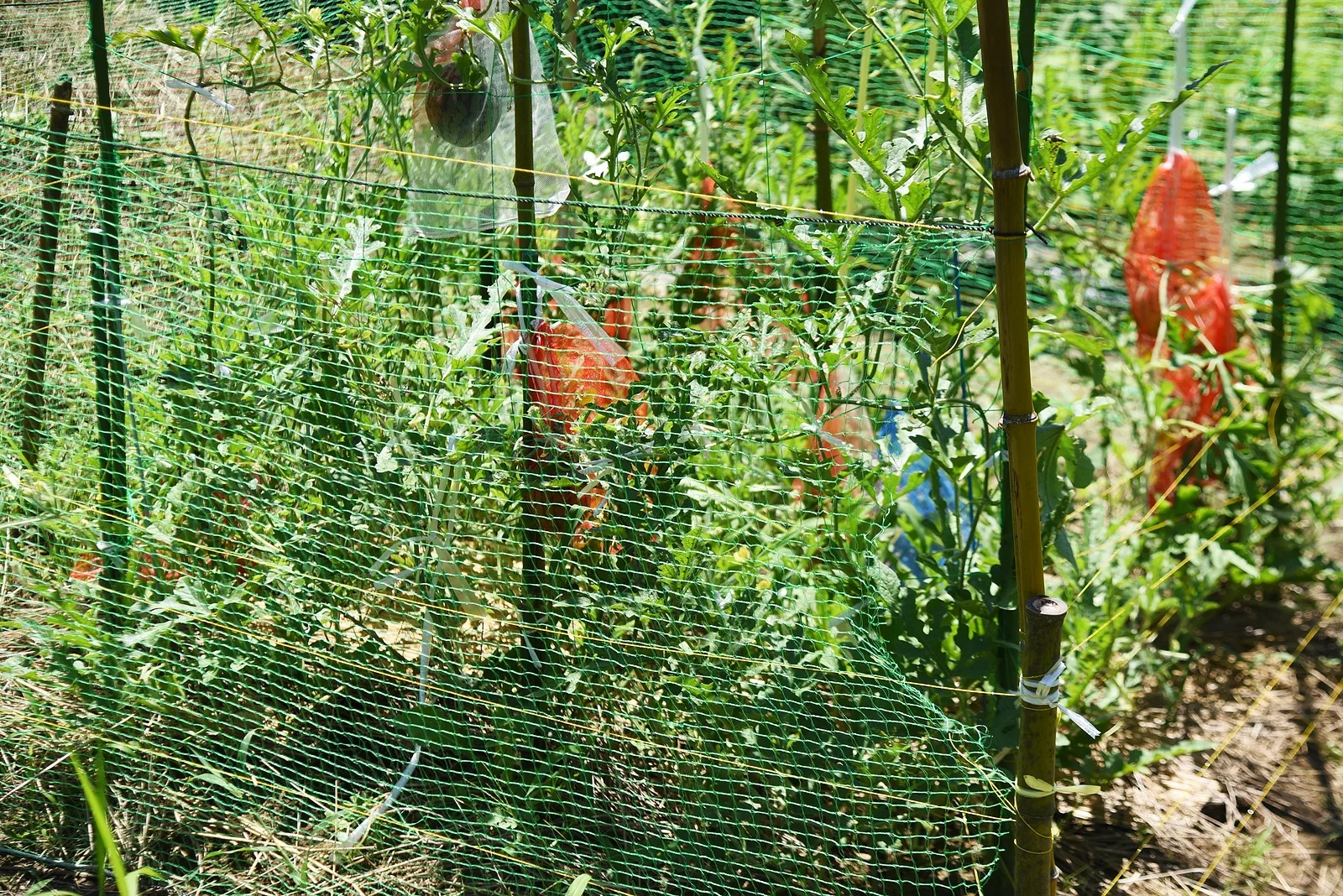
Netting for larger open areas. For covered patios, open rafters, or building eaves, bird netting blocks access and is a practical option when spikes are not suitable.
To get ahead of next season, start with stopping birds from nesting before spring. A few bird deterrents add acoustic and visual backup alongside the physical exclusion.
When to Call a Professional
Most nest removal is a manageable DIY job. A few situations are worth handing off:
- Active nests of protected species. If you are unsure of the bird or the nest is clearly active, a wildlife control pro can identify it and advise on legal timing.
- Hard-to-reach spots. Nests high in eaves, inside walls, or deep in ductwork need gear most homeowners lack.
- Heavy droppings buildup. Large volumes are a real health risk and need the P100 or powered respirator, coveralls, and disposal steps from the safety section. This is the histoplasmosis scenario, not one to rush with a dust mask.
- Repeat infestations. If birds keep returning despite your efforts, a pro can run a full exclusion assessment and find entry points you missed.
Either your local wildlife services office or a licensed pest control company with wildlife experience is a good starting point.
Images: Pigeon nest by Sanjay Acharya, CC BY-SA 3.0. Common chimney cowl, Oregon by Stephen Inoue / R. S. Shaw, public domain. Bird control spikes by Cephas, CC BY-SA 4.0. Bird netting protecting grapevines by Mark Smith, CC BY 2.0. Via Wikimedia Commons.


_01.jpg)

Free: The 5-Step Bird-Proofing Checklist
Work through the right steps in the right order, before spending money on the wrong deterrents. Printable PDF, straight to your inbox.
No spam. Unsubscribe any time.