How to Get Birds Out of the Attic (Humane Steps)
Contents[hide]
To get birds out of the attic, check for a nest first. If there are eggs or chicks, wait until they fledge: most species are protected. With no nest, wait for the adults to leave, then seal the entry with hardware cloth. A one-way exclusion door is faster. Sparrows, starlings, and pigeons are not protected and can be removed anytime.
In this article, we’ll cover how to get birds out of attic spaces legally, how to seal the entry, and how to clean up what they leave.
First, Find Out Which Bird and Whether There Is a Nest
Before you do anything, figure out what is up there and whether it is nesting. This decides everything that follows, because an active nest changes what the law lets you do.
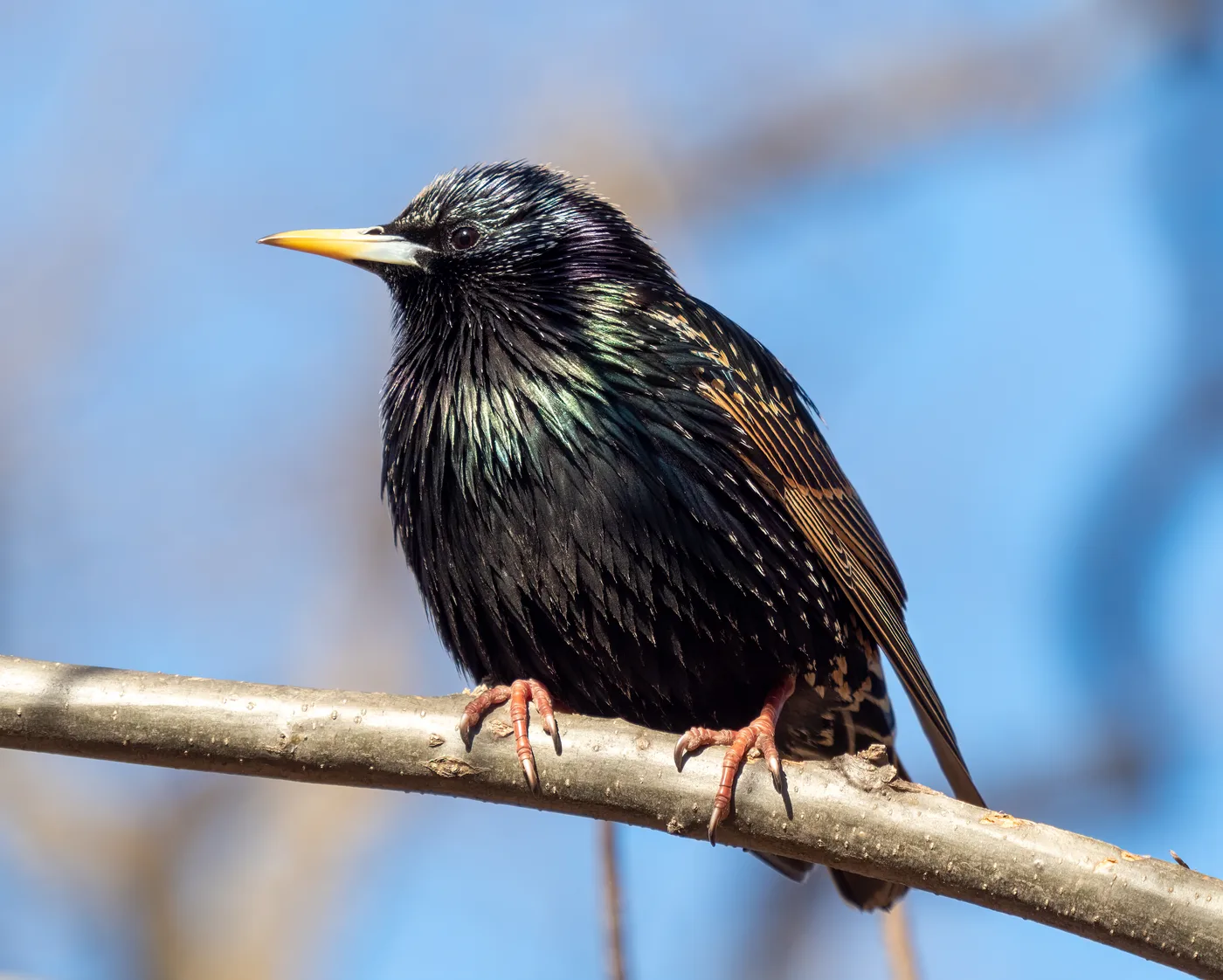
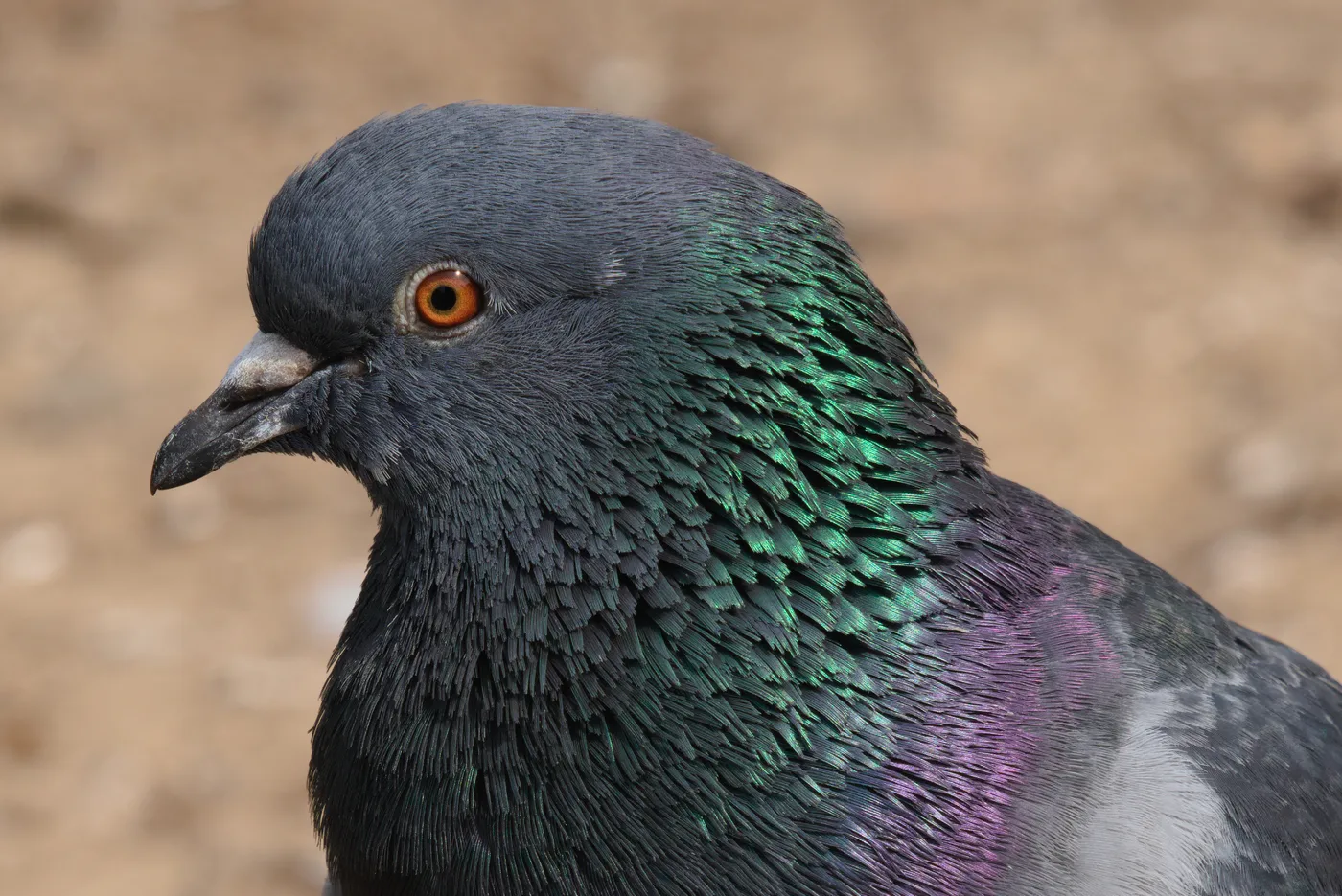
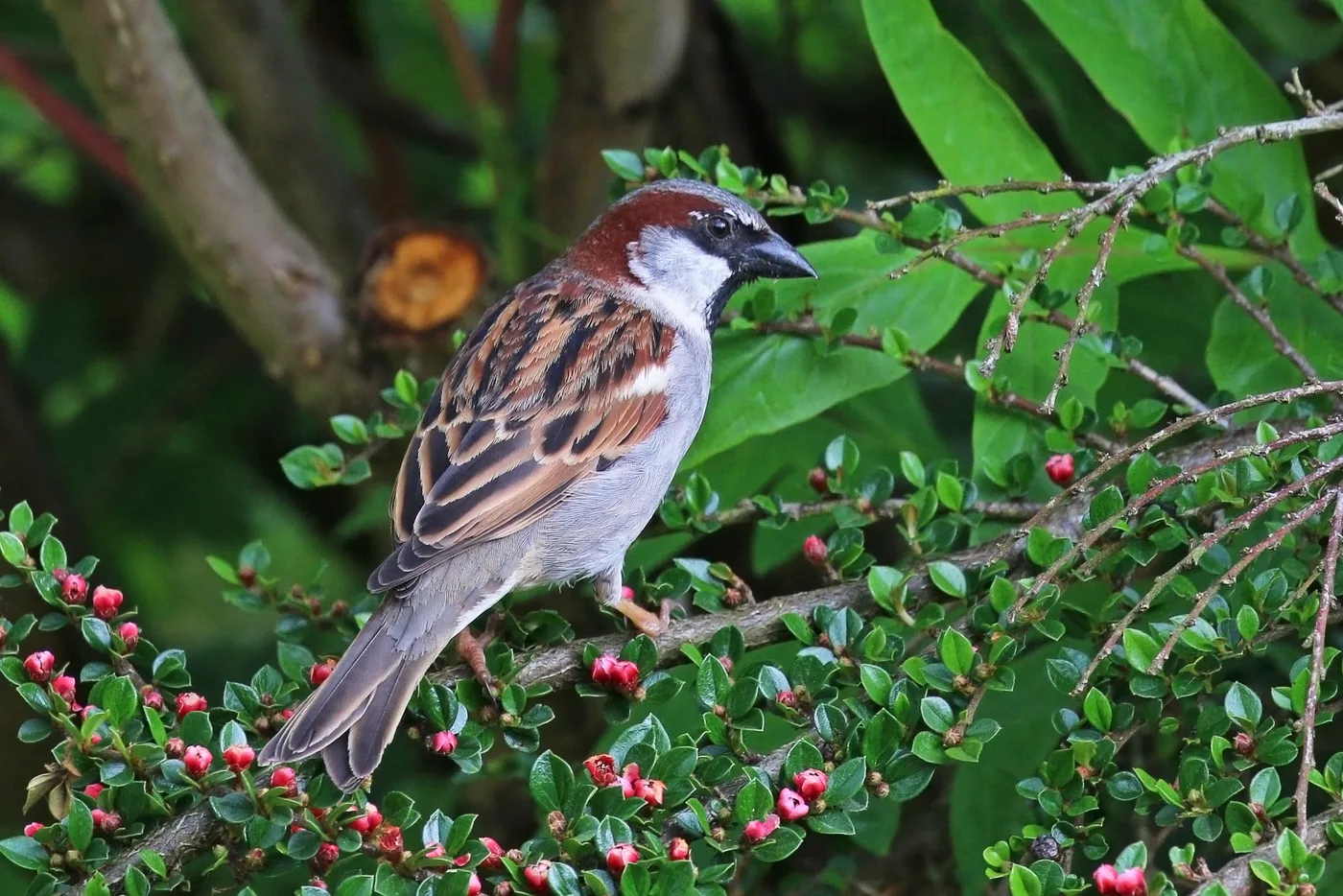
Three birds end up in attics far more than any other. House sparrows are small and brown and squeeze through tiny gaps. European starlings are stocky and speckled, and they love to pack a nest into a vent. Pigeons are bigger and need a wider opening, so they tend to use broken gable vents or open eaves.
If you can, watch the roofline at dawn to see who flies in.
Then listen and look for a nest. Scratching, rustling, and the thin cheeping of baby birds all point to an active nest. A nest with eggs or chicks from a native bird means you wait. The three non-native attic regulars are the exception, covered below.
If there is no nest, you have a roosting bird you can move out right away.
How Birds Get Into Your Attic
Birds do not chew their way in. They find a gap that is already there, and once one bird uses it, others follow. Knowing the usual entry points tells you where to look.
Gable vents and soffit vents with torn screens are the usual way in. So are dryer and bathroom exhaust vents without covers, and the gaps where the roof meets the wall. Loose, warped, or rotten boards along the eaves open up more. A starling needs a hole barely bigger than a golf ball, so even a small gap is enough.
Inside the attic, the hole is easy to spot once you know the signs. Look for a point of daylight, then for droppings, feathers, and nesting materials trailing back toward it. That trail is your entry point, and sealing it is the whole job.
The Law: Which Attic Birds You Can Remove
Here is the part people skip, and it matters. Most wild birds are protected under the Migratory Bird Treaty Act, which makes it illegal to harm them or destroy an active nest, eggs, or chicks.
But you got lucky with attic birds. The three you are most likely to find, house sparrows, starlings, and pigeons, are all non-native and left out of the act. You can legally remove these birds and their nests at any time of year. That covers the large majority of attic cases.
The catch is the other birds. A swallow, robin, or any native species nesting in an open eave is protected. You have to wait out an active nest until the young fledge, meaning they grow up and fly off. If you are not sure which bird you have, treat it as protected until you know.
The fine for guessing wrong is not worth it.
How to Get the Birds Out
Once you know it is safe and legal to act, the method is simple. It relies on the birds doing what they do every day.
Adult birds fly out to feed during the day, and that trip is your window. Wait until they leave, confirm no chicks are left inside, then seal the entry point before they come back. For a cleaner job, fit a one-way exclusion door over the hole.
It is a simple funnel or flap that lets a bird push out but not back in. Over a day or two, the attic empties itself. The Humane Society recommends one-way doors as the standard humane way to clear animals from a building.
The mistake people make is sealing the hole too soon, before every bird is out. Do that and you either shut an adult inside or wall off chicks the parents will tear at the roof to reach. So never seal a hole while baby birds are still inside, and never try to trap or grab an adult bird in the attic.
A panicked bird in an open space is hard to catch and easy to hurt. If a bird gets loose into your living space rather than staying in the attic, that is a different rescue with its own simple trick.
Seal the Entry Points for Good
Getting the birds out fixes today. Sealing the gaps fixes it for good, and it is the step that actually ends the problem. Do this once the attic is empty, working at dusk when you have confirmed the birds are gone for the night.
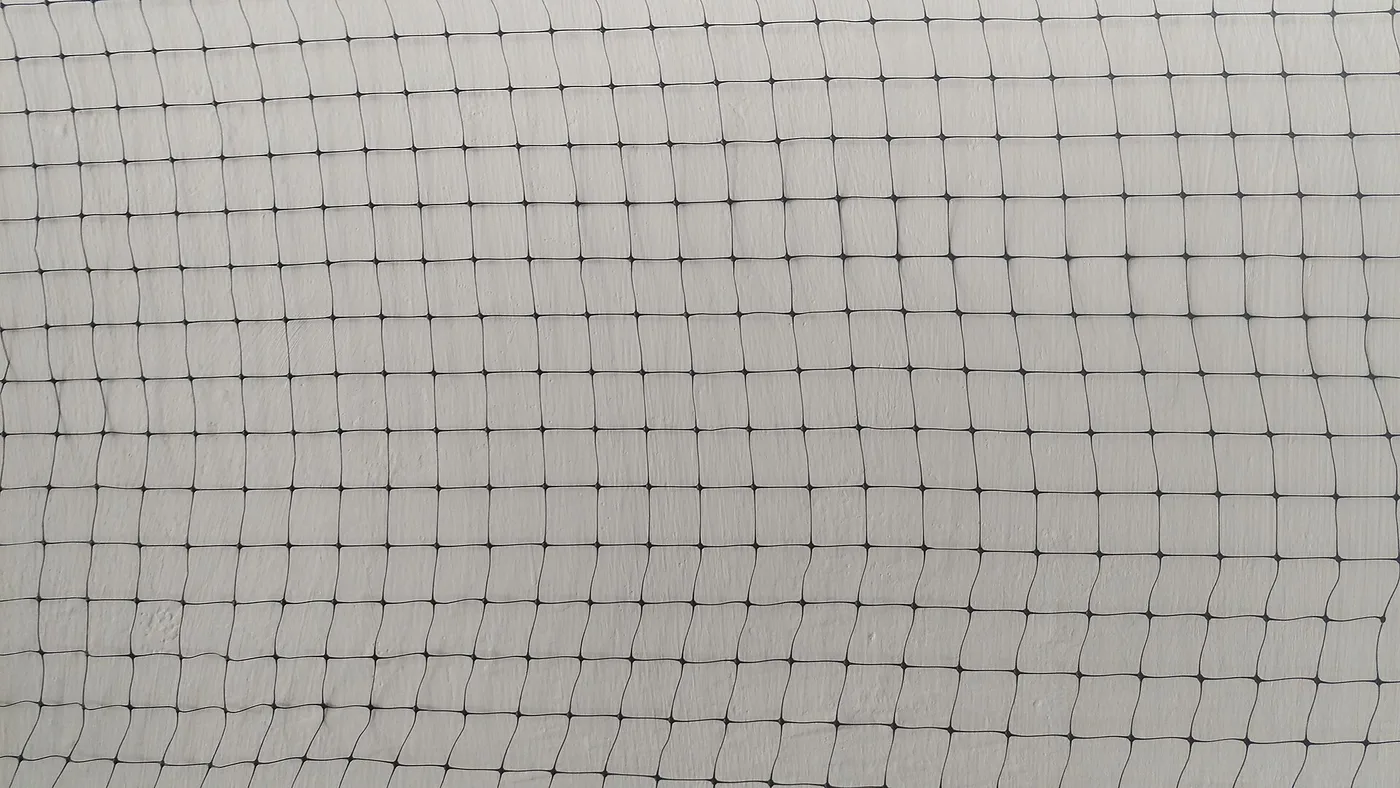
Cover vents with hardware cloth, a stiff galvanized metal mesh that screws over the opening and still lets air through. Plastic screen will not hold up. A determined starling tears right through it. Fit proper covers on dryer and exhaust vents, and repair any loose soffit and fascia boards.
Cap any chimney with a metal chimney cap so birds cannot drop in there next. Working the whole roofline this way is the heart of sealing a house against birds. It is the same thing that keeps them off the rest of the place.
Clean Up the Mess They Leave
An empty, sealed attic still has a problem in it: everything the birds left behind. This part protects your health and your house, so do not skip it.
Old nests and droppings bring real health risks. Dried droppings can carry histoplasmosis, a lung infection you breathe in as dust, and an abandoned nest is a nursery for bird mites that spread once the host is gone. So wear a fitted dust mask and gloves, bag the droppings and nesting material, and clear out any insulation the birds fouled.
A nest jammed against wiring or in a vent is also a fire hazard. That is one more reason to get it all out. For a heavy buildup or a nest deep in a wall, our bird nest removal guide covers the safe way to handle it. Stopping the next nest before it starts is what the nesting guide is for.
When to Call a Professional
Plenty of attic bird problems are a do-it-yourself job, but some are worth handing off. Call a wildlife removal pro when:
- There is an active nest of a protected species and you need help with the timing and the law.
- The birds are deep in a wall cavity or a spot you cannot safely reach.
- The droppings have built up into a real health worry, or you smell a dead bird.
- You have tried sealing the roofline and the birds keep finding a new way in.
A licensed wildlife or pest control pro can clear the attic, seal the building, and clean up the mess humanely and within the law. For real numbers on what that runs, bird removal cost breaks down an attic job against a single-nest job. Whatever bird you are dealing with, our bird removal guides point you to the right fix for that species.
Images: European starling perched by Rhododendrites, CC BY-SA 4.0. Feral pigeon by Satdeep Gill, CC BY-SA 4.0. House sparrow male by Charles J. Sharp, CC BY-SA 4.0. Anti-bird netting close-up by SaturninoOpi, CC BY-SA 4.0. Via Wikimedia Commons.
.jpg)

_male_2.jpg)

Free: The 5-Step Bird-Proofing Checklist
Work through the right steps in the right order, before spending money on the wrong deterrents. Printable PDF, straight to your inbox.
No spam. Unsubscribe any time.