How to Get Birds Out of the Chimney (Humane Steps)
Contents[hide]
To get a bird out of a chimney, first work out whether it is stuck or nesting. If stuck, open the damper, block the fireplace, darken the room, and open a window so it flies toward the light. If nesting, identify the species first, since chimney swifts are protected and cannot be disturbed until fall.
In this article, we’ll cover how to get birds out of chimney flues, the law around active nests, and how to cap it so they cannot return.
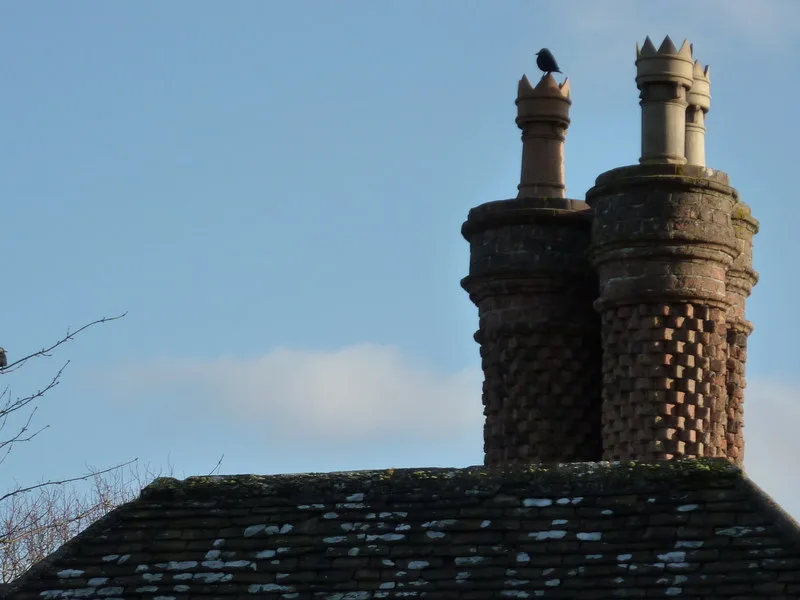
First, Work Out What You Are Hearing
The sounds tell you a lot. A bit of scratching or frantic flapping above the fireplace usually means a single bird fell in. It is sitting on the damper or the smoke shelf, unable to climb back up the slick flue. That bird is trapped and needs help getting out.
A steady loud chittering, or a strange rolling thunder sound in late spring and summer is something else. That is almost always chimney swifts nesting in the flue, and the noise is loudest when their chicks are begging for food. Droppings or a faint musty smell drifting from the fireplace also point to an active nest rather than a one-off visitor.
Knowing which one you have matters. A trapped bird is an emergency you can solve in minutes, while a nest may be protected and have to be waited out.
How to Get a Trapped Bird Out of the Chimney
If a bird fell in and is flapping above the damper, you can usually guide it out yourself. Birds instinctively fly toward light, and that is the whole trick.
- Close the doors to the room so the bird cannot escape into the rest of the house.
- Open the damper fully so the bird can drop down into the fireplace.
- Tape a cardboard box, or hang an old sheet, across the fireplace opening to funnel the bird into one spot.
- Darken the room: close the curtains and turn off the lights.
- Open one window or exterior door wide, so the only daylight comes from the way out.
The bird will head for the light and fly out the opening. Give it space and stay quiet. If it lands and rests, leave it be for a few minutes, since a tired bird needs to gather itself before it flies. Once it is gone, close the damper.
If the bird is stuck up on the smoke shelf and cannot get down to the damper, do not force it. Reaching blindly into a flue risks hurting the bird and yourself. Call a chimney sweep or a wildlife removal service to lift it out safely.
One rule above all: never light a fire or use smoke to drive a bird out. It kills the bird, and a panicked bird or dry nesting material in the flue is a genuine fire hazard.
Birds Nesting in the Chimney, and the Law
If the noise is coming from a nest rather than a trapped bird, stop before you do anything, because the most common chimney nester is protected.
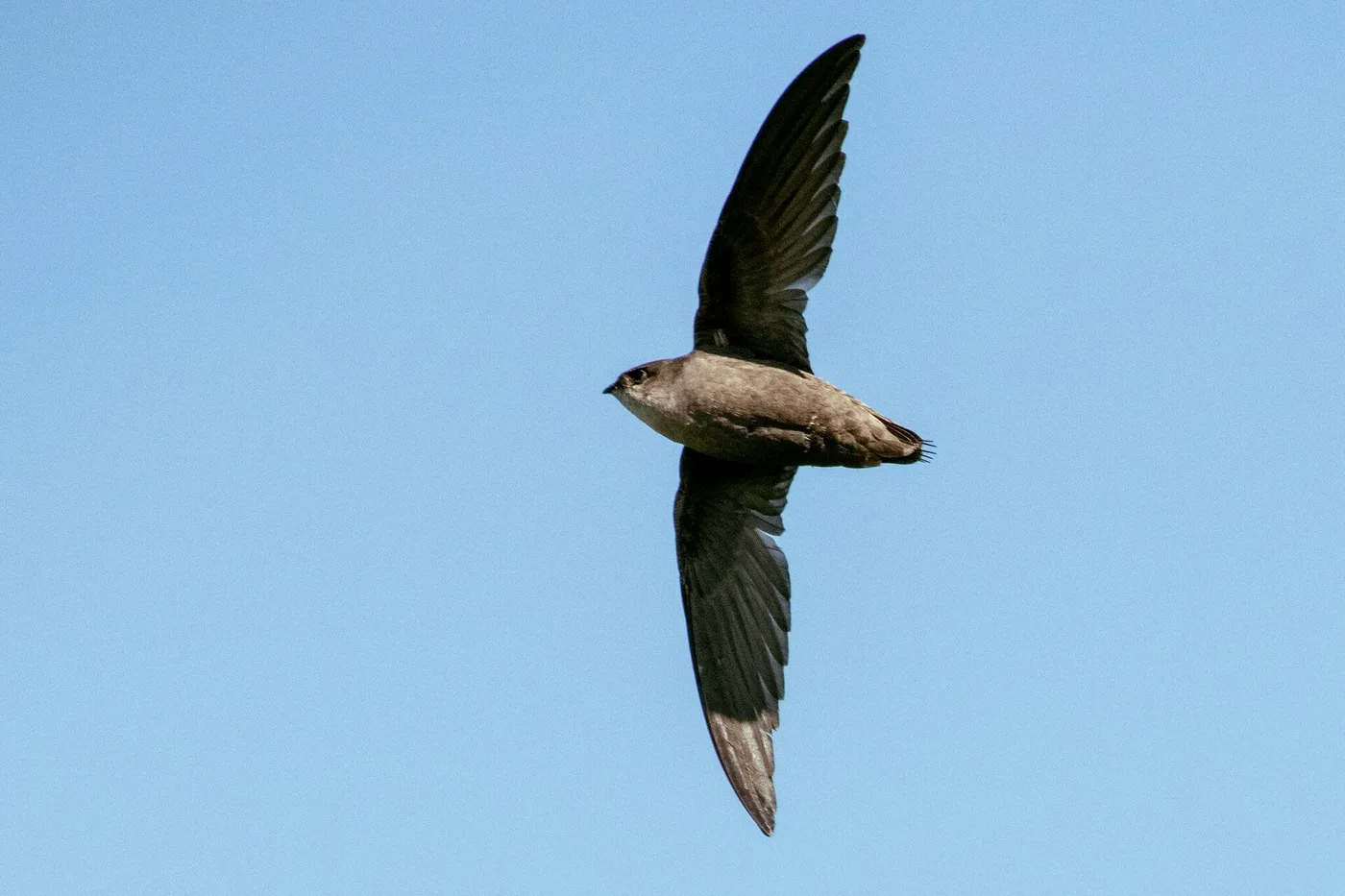
Chimney swifts are small, fast birds that once nested in hollow trees. As those disappeared, they moved into chimneys, which is why an uncapped flue is so attractive to them. They are federally protected under the Migratory Bird Treaty Act, which makes it illegal to remove or destroy an active nest, its eggs, or its chicks. The Cornell Lab of Ornithology notes that a swift colony in a chimney is a temporary summer guest, not a permanent infestation.
The humane and legal answer is to wait. Swifts raise one brood, the chicks fledge in a few weeks, and the birds migrate south in the fall. The noise is temporary. Once they are gone, you clear the flue and cap it so they cannot nest there again next year.
Not every chimney nester is protected. European starlings and house sparrows are non-native and not covered by the treaty act, so their nests can be removed anytime. A starling nest packed into a flue is a serious fire and blockage hazard, though, and needs to come out before you use the fireplace again. Learn how to identify starlings and keep them out for the full picture.
If you are not sure which bird you have, treat it as protected until you know. The fine for guessing wrong on a swift is not worth the risk.
Clearing the Old Nest and Debris
Once the flue is empty, whether the birds fledged or the nest was an unprotected species, the nesting materials have to come out. A buildup of twigs, grass, and droppings blocks the flue and catches fire easily when you light the chimney.
For a small amount of debris near the damper, you can clear it yourself with gloves, a dust mask, and a drop cloth to catch the mess. Bird droppings can carry disease, so wear protection and clean the area well.
For anything deeper in the flue, hire a chimney sweep. They have the rods and vacuums to clear it fully and will check the liner for damage while they are at it. The same bird nest removal steps apply to nests in vents and gutters too.
Cap the Chimney to Keep Birds Out for Good
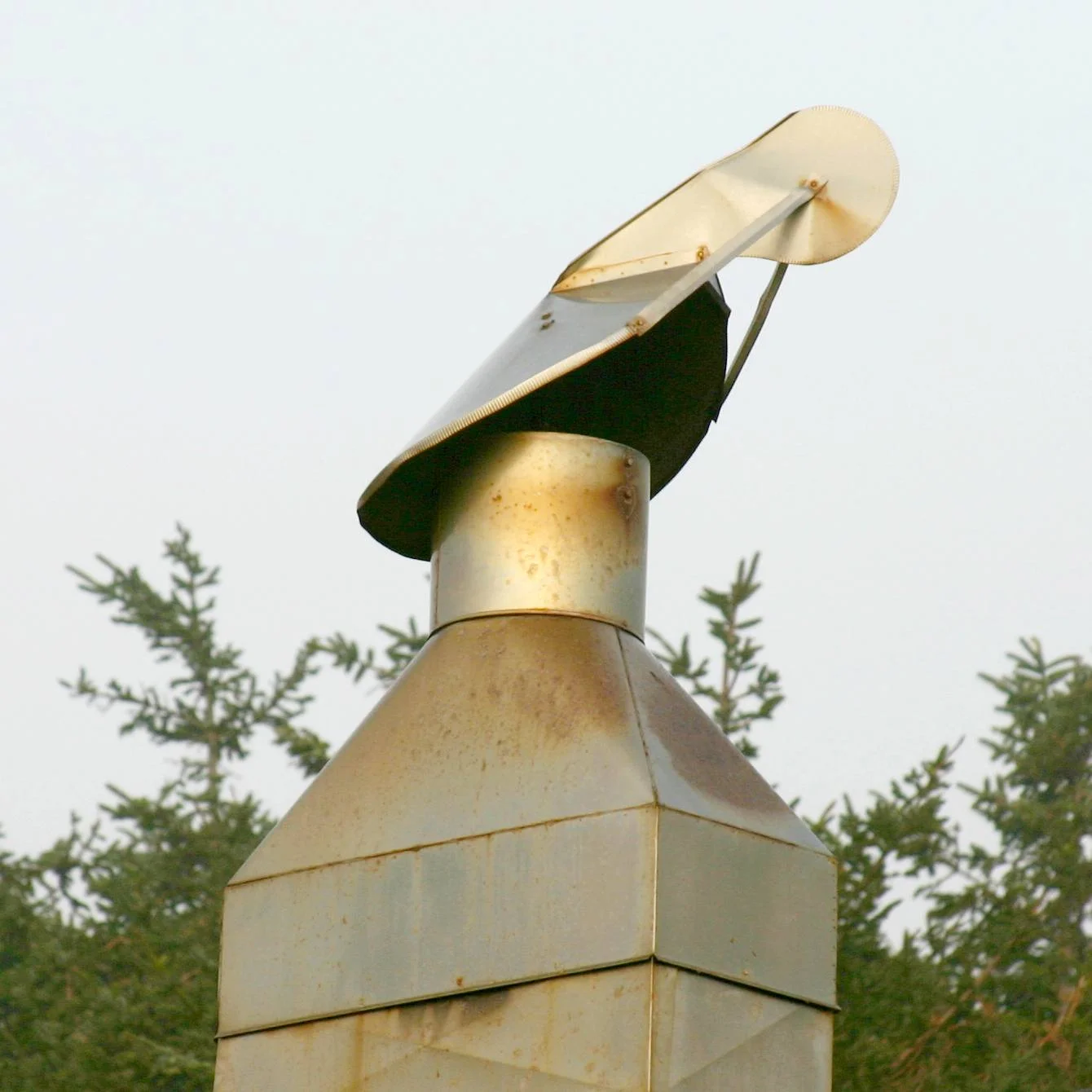
Everything above is a fix for a problem you can prevent permanently with one piece of hardware. A chimney cap with metal mesh, sometimes sold as a spark arrestor, sits over the flue and lets smoke out while blocking birds, squirrels, raccoons, and bats from getting in.
Fit the cap only after the flue is empty and any nest has been cleared, so you are not sealing a bird inside. Choose a stainless steel cap sized to your flue, and check it once a year for rust or storm damage. A good cap is the single most effective way to keep birds out of the chimney. It pairs well with the wider bird-proofing approach for the rest of the house, or humane bird deterrents for other entry points birds are testing.
When to Call a Professional
Most chimney bird problems are ones you can handle, but call a pro when:
- The bird is stuck deep in the flue and you cannot reach it safely.
- You confirm chimney swifts and want help timing the cap install for after they migrate.
- There is a dead bird or a strong smell, which means cleanup and possible disease risk.
- The nest is large or deep and needs a sweep’s tools to clear without damaging the liner.
A chimney sweep or licensed wildlife removal service can do all of this humanely and legally. Has a bird gotten loose inside the house rather than stuck in the flue? That is a different rescue. And to stop the problem coming back across the whole house, block the spots where birds keep trying to nest before next season.
Images: Roof, chimney pots and bird by Peter Barr, CC BY-SA 2.0. Chimney swift in flight by Adam Jackson, CC0. Common chimney cowl, Oregon by Stephen Inoue / R. S. Shaw, public domain. Via Wikimedia Commons.


Free: The 5-Step Bird-Proofing Checklist
Work through the right steps in the right order, before spending money on the wrong deterrents. Printable PDF, straight to your inbox.
No spam. Unsubscribe any time.