Are Birds Protected by Law? MBTA Rules Explained
Contents[hide]
- 1. Are Birds Protected by Law in the US?
- 2. What Is the Migratory Bird Treaty Act?
- 3. Which Birds Are Protected, and Which Aren’t
- 4. Are Nests, Eggs, and Baby Birds Protected?
- 5. What About Eagles and Endangered Birds?
- 6. Do State and Local Laws Add Protection?
- 7. What Can a Homeowner Legally Do About Pest Birds?
Yes. Most birds in the United States are protected. The Migratory Bird Treaty Act covers more than 1,000 native species, so it is illegal to harm them or their nests, eggs, and feathers without a permit. The main common exceptions are house sparrows, European starlings, and feral pigeons.
In this article, you'll learn which birds are protected by law and what homeowners can legally do. We'll cover federal protections, common exceptions, and legal deterrence.
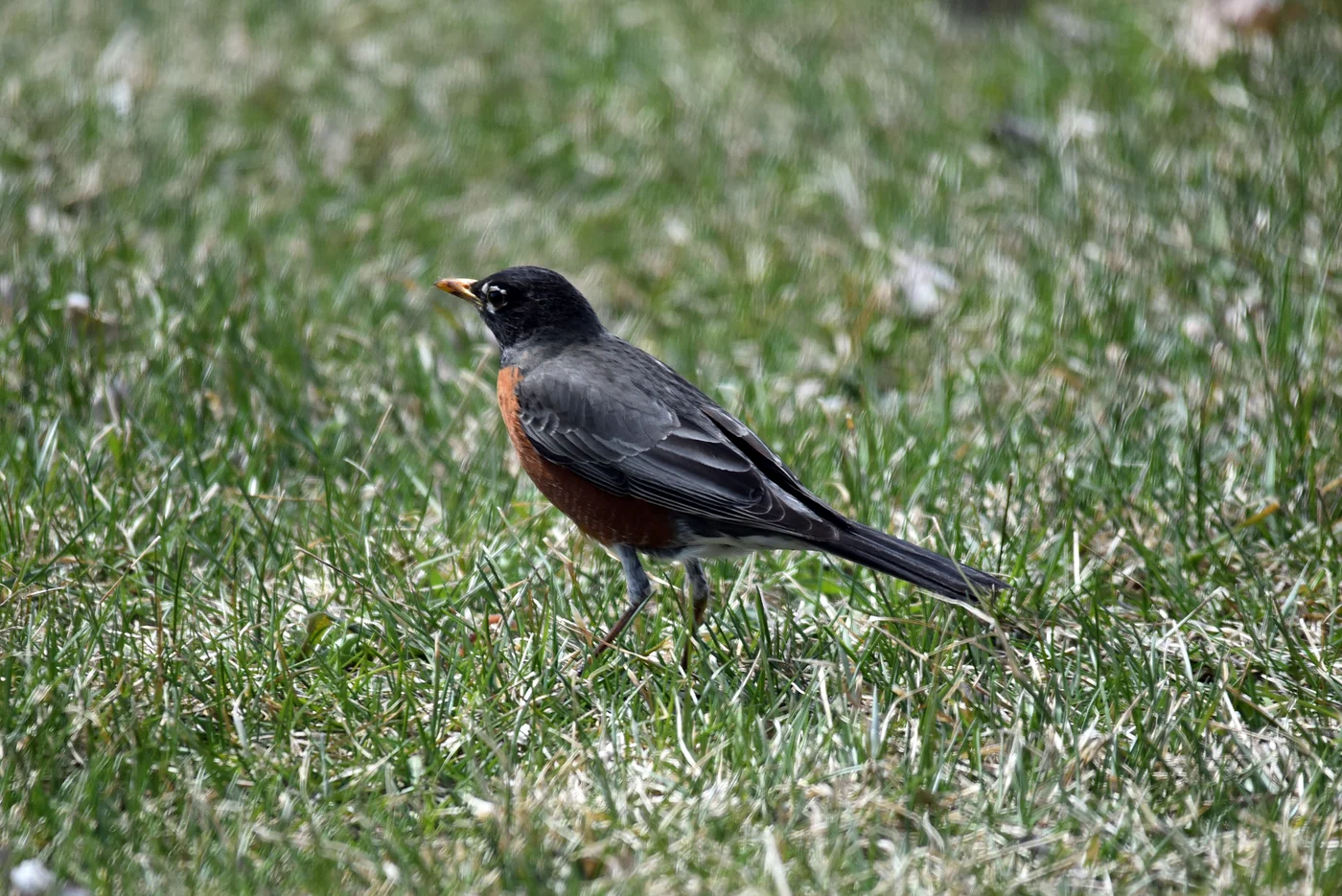
Are Birds Protected by Law in the US?
Most native birds are, and it is easy to break the law without knowing it. Federal protection comes from three laws stacked together. The Migratory Bird Treaty Act covers most native species, the Bald and Golden Eagle Protection Act covers eagles, and the Endangered Species Act covers birds listed as threatened or endangered. Your state adds its own rules on top of all three.
That layered system is why a blanket rule never works. “Protected” does not mean nothing can be done. It means you need the right authorization, and often a humane deterrent is the legal path anyway.
This page is general information, not legal advice. When a real decision is on the line, check with your state wildlife agency or the U.S. Fish and Wildlife Service.
What Is the Migratory Bird Treaty Act?
The Migratory Bird Treaty Act is the big one. Passed in 1918, it protects more than 1,000 native bird species. “Migratory” is a bit misleading here, since the law covers most native birds year-round, whether they migrate or not. The official list lives in 50 CFR 10.13.
The law spells out what you cannot do. Under 16 U.S.C. 703, it is illegal to take, kill, capture, sell, trade, or transport a protected bird.
That covers any part of the bird too, including its nest, eggs, and feathers. “Take” is the umbrella word for harming or removing one.
Here is the part that surprises people. A found feather from a protected bird is covered, so you generally cannot keep it. The rule is broad, and intent does not matter for the lowest level of violation. You can break it by accident.
The penalties are real, though rarely a backyard worry. Under 16 U.S.C. 707, a misdemeanor can bring a fine of up to $15,000 and up to six months in jail. That is the law as written, not a prediction that anyone will come after your garden.
Which Birds Are Protected, and Which Aren’t
Most birds you see are protected. Robins, cardinals, jays, hawks, owls, woodpeckers, swifts, and songbirds of every kind are covered. If it is native to the US, assume it is protected.
Three common pests are the main exceptions. House sparrows, European starlings, and feral pigeons are non-native, so the treaty act leaves them out. You can generally control them without a federal permit. The European starling is the classic case, brought over in the 1890s and never protected here.
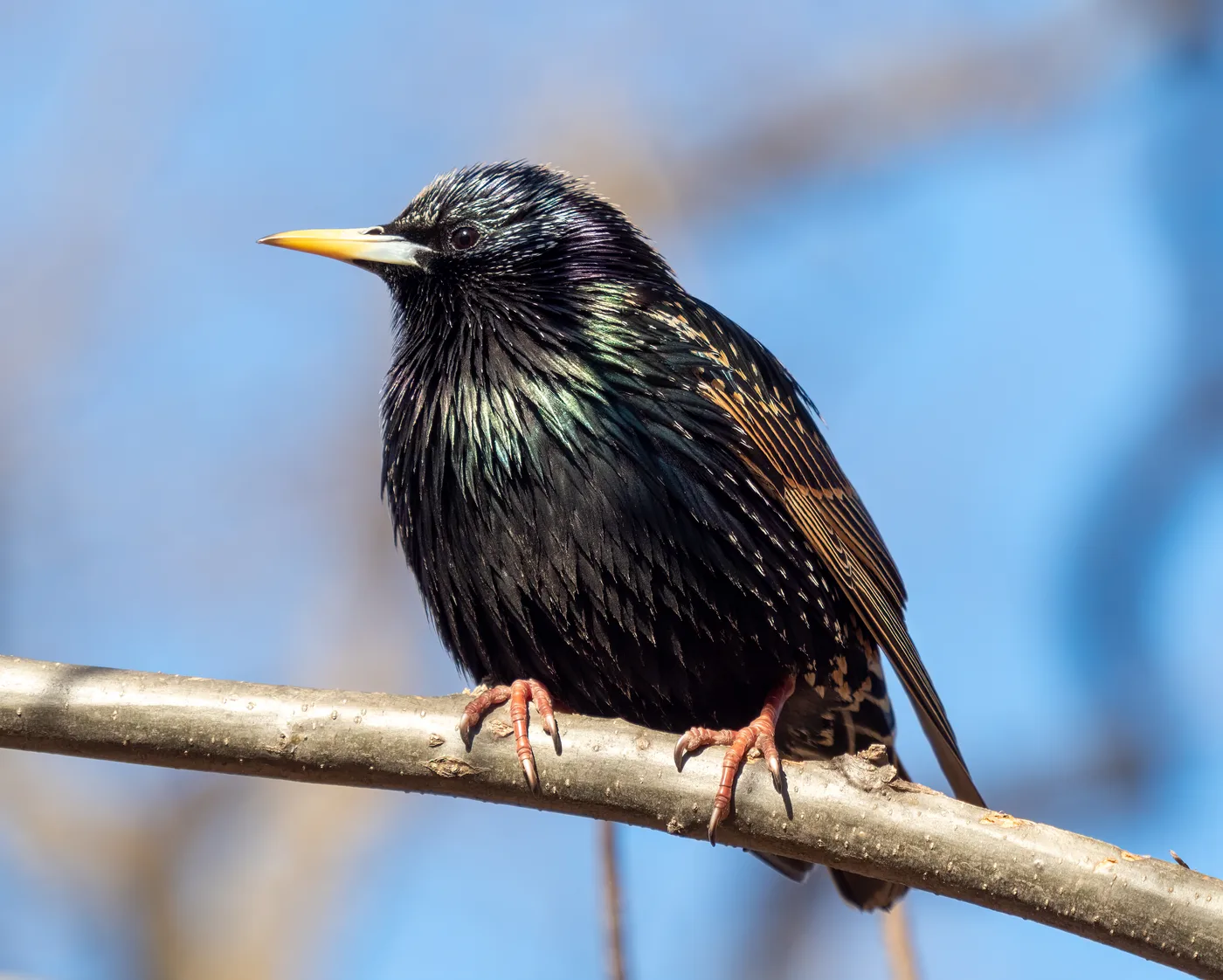
Two warnings before you act. First, state or local law may still apply, and animal cruelty laws always do. Non-native does not mean anything goes.
Second, look-alikes trip people up: native sparrows are protected, and so are native doves like the mourning dove, which is a game bird with its own rules. Get the species wrong and you can break the law with the “unprotected” pest you thought you had.
Are Nests, Eggs, and Baby Birds Protected?
Yes, for protected species. An active nest, one with eggs, chicks, or dependent young, is off-limits. You cannot remove or destroy it. Baby birds and eggs get the same protection as the adults.
An empty, inactive nest is different. Once the young have fledged and the nest is truly empty, most protected species’ nests can generally be removed without a permit, since no bird or egg is harmed.
Bird nest removal covers the step-by-step, but the safe rule is simple. If anything is living in it, leave it alone. Eagle nests are the exception and stay protected even when empty.
Permits do exist. Under 50 CFR Part 21, the Fish and Wildlife Service can issue a depredation or special-purpose permit for real health, safety, or damage reasons. That covers removing a protected bird or an active nest, and it is the legal route when waiting is not an option.
Chimney swifts show how this plays out. They are protected, so a nest in your flue has to stay until the birds leave. Sealing the chimney after the season is how you keep chimney swifts out for good, never while the nest is in use.
What About Eagles and Endangered Birds?
Eagles have their own, stricter law. The Bald and Golden Eagle Protection Act makes it illegal to harm or even disturb bald and golden eagles, their nests, eggs, and feathers. That “disturb” standard is tougher than the treaty act, and the penalties are higher. If eagles are nesting on your property, do not touch anything and call your state agency.
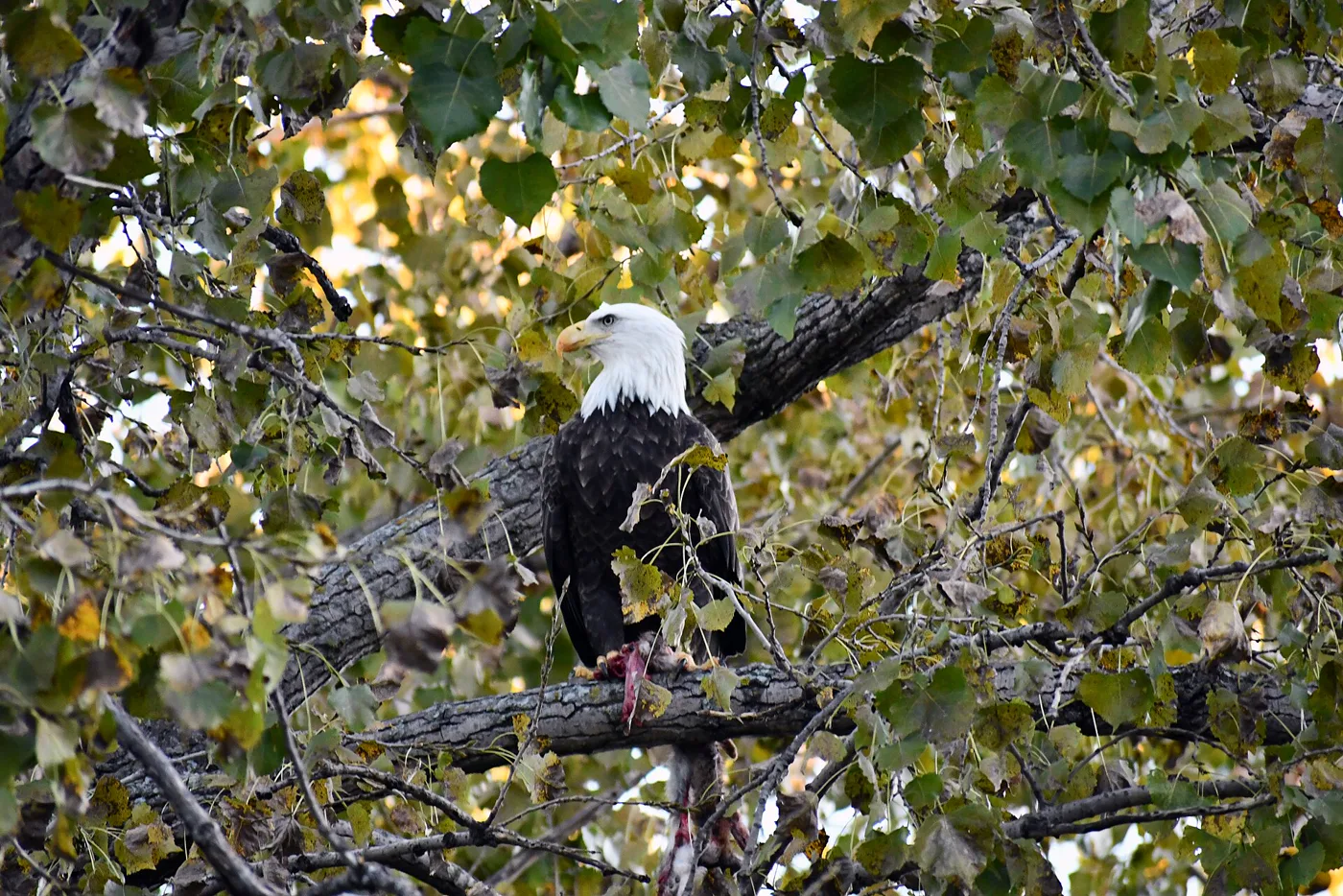
Birds formally listed as threatened or endangered get another layer under the Endangered Species Act. It has its own ban on “taking” a listed species.
Some plovers, cranes, and other rare birds fall under it. You can check current listings through the U.S. Fish and Wildlife Service endangered-species program instead of guessing.
Do State and Local Laws Add Protection?
Federal law is the floor, not the ceiling. States run their own wildlife codes, and some protect birds the federal government does not. Game birds, like doves and ducks, have set hunting seasons and bag limits that vary by state. A few cities regulate even non-native pests.
So the same bird can be legal to control in one state and restricted in the next. Never assume. Your state wildlife agency is the place to check before you act, and it is a free phone call.
What Can a Homeowner Legally Do About Pest Birds?
Plenty, and most of it is legal for any bird, protected or not. The humane, no-permit path is to deter, not harm.
- Block and exclude. Netting, spikes, slope covers, and sealing gaps keep birds off ledges and out of vents. A handful of deterrents handle most problems without touching a bird.
- Remove the draw. Take down feeders, sweep up spilled seed, and cut off standing water. No food, no reason to stay.
- Time nest work right. For a protected bird nesting somewhere inconvenient, wait until the young fledge, then clear the empty nest and seal the spot. To stop it before it starts, treat it as a nesting problem and block the site early.
- Know your species. Telling one nest from another helps you act within the law. When you are not sure of the bird or the rule, call your state agency or the Fish and Wildlife Service.
For the three non-native pests you have more room federally, but stay humane and still check state law.
That is the whole system in one line. Deter first, never harm a protected bird, and when in doubt, ask before you act.
Images: American robin foraging by U.S. Fish and Wildlife Service, Midwest Region, public domain. European starling perched by Rhododendrites, CC BY-SA 4.0. Bald eagle perched in a cottonwood tree by U.S. Fish and Wildlife Service, Midwest Region, public domain. Via Wikimedia Commons.
.jpg)
.jpg)
.jpg)
Free: The 5-Step Bird-Proofing Checklist
Work through the right steps in the right order, before spending money on the wrong deterrents. Printable PDF, straight to your inbox.
No spam. Unsubscribe any time.