Pigeon Trap: Legal, Humane Limits and When to Call a Pro
Contents[hide]
Quick Answer
Consider a pigeon trap only after you confirm the birds are rock pigeons and check your local rules. It also requires close daily care and a lawful plan for every bird caught. Trapping lowers the flock temporarily. Removing food and blocking the roosts keeps pigeons from returning. When the species, the law, or the plan for captured birds is unclear, call a professional instead.
In this article, you'll learn when pigeon trapping is legal and humane. We'll cover legal limits, live-trap welfare, and professional help.
When Trapping Is Worth the Work
A trap earns its place when a flock has grown too large for spikes or netting to handle on their own. It may buy time during exclusion work until the pigeons’ route into the building is closed.
For a few birds on one ledge or balcony rail, netting or another exclusion method is usually enough. That solves the smaller problem without adding days of cage checks. A cage may make more sense as a short bridge while a larger flock is being reduced and the building is prepared for exclusion.
Local Law Comes Before the Cage
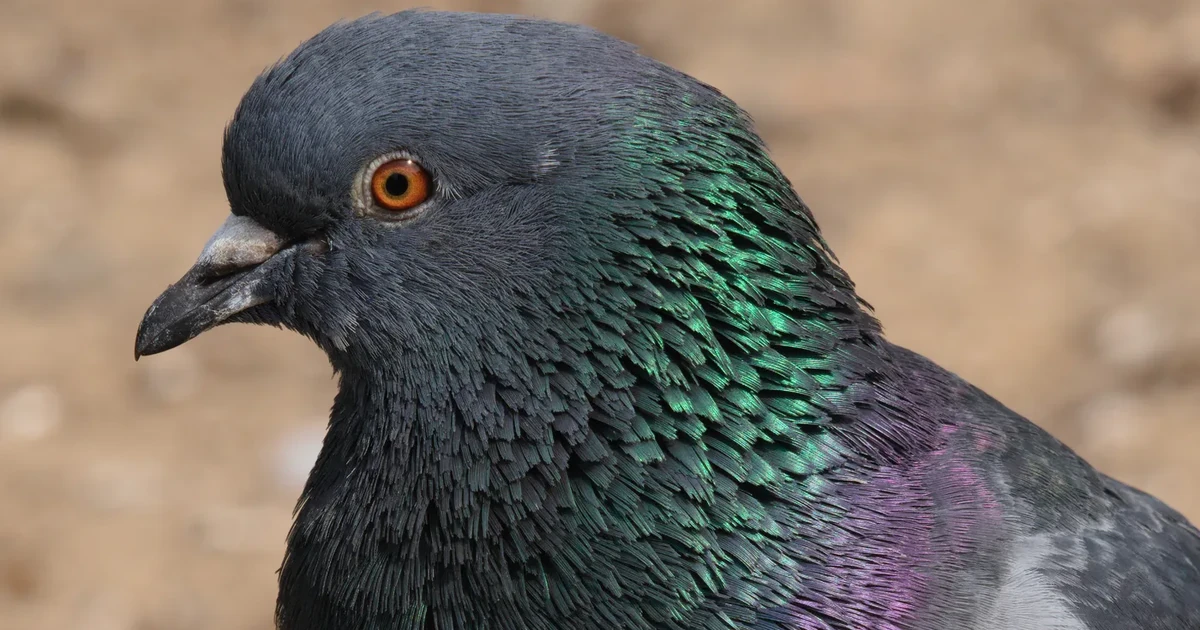
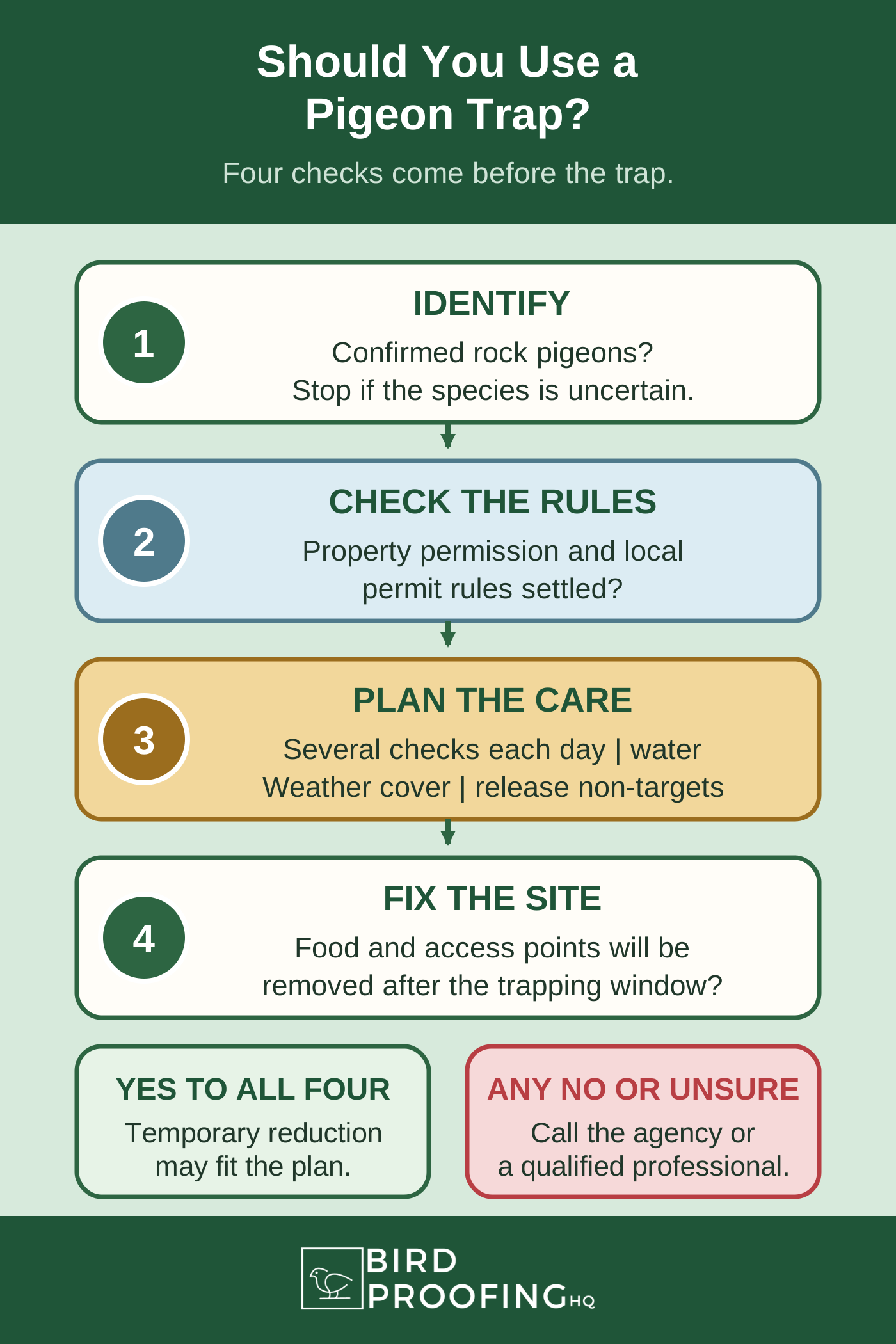
Species identification matters here. Rock pigeons are the familiar gray birds crowding city ledges and sidewalks. They sit outside the federal Migratory Bird Treaty Act’s protected list. Most native birds are protected, including native doves. A cage cannot tell a rock pigeon from a mourning dove walking in for the same bait. A bird-control professional can confirm the identification before you buy anything.
The rule for your address comes before the cage. Ordinary animal-cruelty and property laws still apply, and local ordinances may protect pigeons even where state and federal wildlife laws do not. Connecticut uses the owner’s approval plus a free state permit. In New York City, the work requires a permit and state-licensed exterminator. Your state wildlife agency or local animal control office can tell you what applies.
The Care Plan Comes Before the First Catch
The cage itself is simple. Making the whole setup safe takes more thought. Someone needs to own the daily checks, the care of captured birds, and the lawful handling plan after a catch.
How a Pigeon Trap Door Works
A wire live-capture cage with a one-way door or funnel entrance is the standard setup. The bait draws pigeons inside through an entrance door, and the angle of that door makes the exit difficult to find. Some pigeon traps have an entrance on more than one side so birds can enter from different directions.
That door design is only useful when every moving part works freely. Before the bait goes in, work each entrance by hand and watch it return to the closed position without pinching. The larger service door matters just as much, since one loose latch turns a live trap into an easy exit. Bent wire, sharp ends, or a gap that could catch a wing or foot means the cage needs repair first.
Which Cage Fits the Site?
A useful live-bird cage has smooth wire, rigid sides, and doors that close properly every time. Captured pigeons need enough floor space to stand without crowding, which makes a wide cage a better fit than a tall, narrow one. Price does not tell you whether the mechanism is safe, so an inexpensive model deserves the same close inspection as any other.
Cage size matters when several birds may enter. A properly constructed cage gives them a wide floor area, stays easy to check from all sides, and does not leave them pressed together for long.
Use a live-bird cage for this job. A rat trap is built for a different animal and should not be adapted for pigeons. Never shoot at a trapped or free-flying bird; a licensed professional or local agency must decide how any captured pigeon is handled.
Easy access matters more than a clever hiding place. At a house or small commercial site, the cage belongs on a stable surface you can reach without a ladder. Part of it needs protection from direct sun and rain, while the entrance stays open and the birds remain visible during each check. A high roof fails that test before trapping even begins.
The Best Bait Is Already Familiar
The best bait is usually the grain or seed the pigeons already eat on the property. Leaving it out for a week or two before the trap goes live lets the flock get comfortable feeding there and tends to improve results. Choose something that does not also draw a crowd of native birds.
What the First Day Looks Like
The best first day is one you can spend close to the site. Set the pigeon trap where the flock already feeds and use the same bait they accepted during pre-baiting. Most of that food belongs inside the cage; otherwise, the pigeons can eat around the sides and never test the entrance.
Watch the first few approaches. Pigeons may walk around a new trap before they enter, even after they accept the bait. When pigeons keep feeding beside the cage, move the bait farther inside and check that the entrance door is easy to reach. Adding another trap rarely fixes a poor location.
The first catch changes the workload because the humane-care routine below starts immediately. If there is no time to care for every pigeon the cage may hold, the trap stays closed. The goal is a controlled reduction that keeps the birds safe while the property is prepared for exclusion.
The handling plan also needs to be clear before birds are waiting inside. Ask a licensed bird-control professional or local agency what must happen after a catch. Killing a captured bird is not a DIY job; when euthanasia is required, that decision and the humane handling belong to the professional or agency.
Humane Trapping Takes Active Care
A legal trap can still harm a bird when nobody checks it often enough. A frightened bird may injure itself against the wire. Direct sun can overheat the cage. These problems are documented in a USDA APHIS review of cage traps.
Several checks each day let you catch a problem before a bird spends hours without help. A captured bird cannot leave to drink, so water must stay available. Keep the cage shaded and use a cover to block the rain. Check the cage in person before you leave the property for any length of time.
Other species should be released unharmed at the capture site as soon as you find them. With the bird out, look over the doors and sides again. Bent wire or a door that will not close keeps the cage out of service until it is repaired.
Short Holding Times Matter
Keep the holding time as short as you can. Stay nearby, plan the next inspection before you open the pigeon trap, and return quickly when birds are inside.
Why Relocation Rarely Works
Releasing pigeons across town rarely solves anything. Pigeons are strong homers and often find their way back, sometimes from 50 miles away or more. Birds that do not return may settle on another property, where they have to find the basics again in unfamiliar territory.
Food and Roosts Keep the Cycle Going
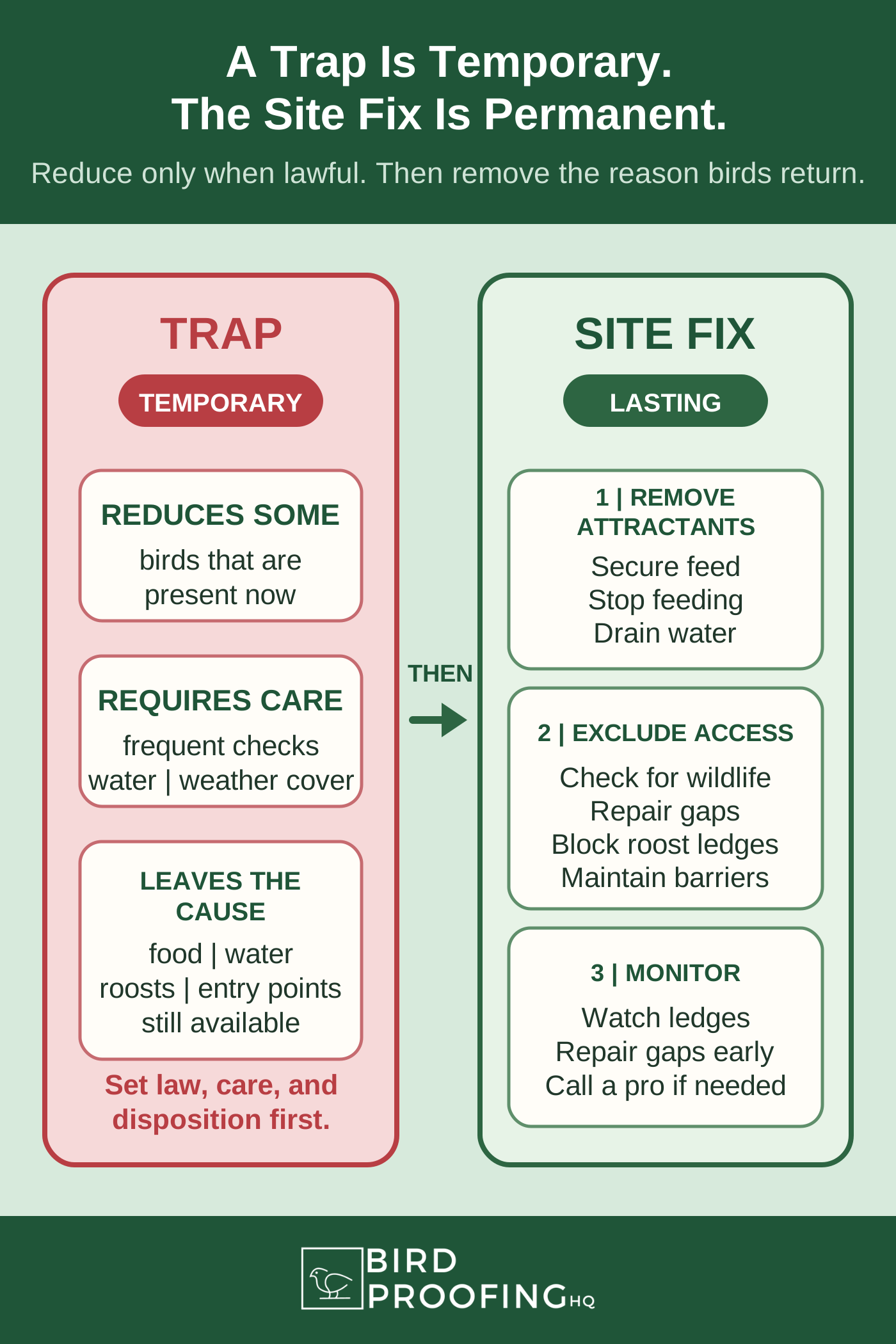
Trapping the birds you have now will not stop new ones from moving in. Pigeon trapping takes plenty of labor and offers only short-term relief unless the site itself changes. A property that still offers easy meals and a safe roost will attract more birds.
The lasting fix starts with whatever drew the flock there. Clean up spilled feed and secure the trash. Any deliberate feeding needs to stop too. Then use netting or another form of exclusion to close the ledges and roosts the flock has been using. Our guide to getting rid of pigeons for good walks through the full plan.
Be careful with dried droppings at a site with a long pigeon history. Disturbing a large amount, especially somewhere enclosed like an attic or shed, can send fungal spores into the air and cause histoplasmosis, a lung infection. Large deposits and enclosed spaces call for a trained cleanup professional, not dry sweeping.
When a Pigeon Trap Needs a Professional
Most small, ground-level roosting problems do not need a trap. Exclusion is usually the cleaner answer. Call a professional when you cannot confirm the species. An active nest with eggs or young still in it needs the same caution. Local permit rules may put the work in licensed hands from the start.
Large flocks create more cage work than one person can safely monitor. Roof access is another clear handoff because a routine cage check should never become a fall risk. A professional can run the operation and work with the proper agency if a captured pigeon must be euthanized.
Heavy droppings in an enclosed space may need trained cleanup during the same visit. One qualified crew can handle the cage work and close the roost after the cleanup is finished.
A professional may find that a small roosting problem needs exclusion rather than a trap. That saves days of cage checks and removes the uncertainty over captured birds. Our guide to professional bird removal and pricing explains what that kind of help may cost.
Photo: Feral pigeon by Satdeep Gill, CC BY-SA 4.0. The decision and site-fix graphics are original BirdProofingHQ visuals, created 2026-08-24.

Free: The 5-Step Bird-Proofing Checklist
Work through the right steps in the right order, before spending money on the wrong deterrents. Printable PDF, straight to your inbox.
No spam. Unsubscribe any time.