Bird Poop: Health Risks and How to Remove It
Contents[hide]
Bird droppings are dark food waste topped with a white uric acid cap. The same spot hit repeatedly means a bird is roosting above you. Never scrub it dry: dried droppings carry histoplasmosis and other pathogens. Soften with water, wipe with gloves and a mask, and disinfect. To stop it, block the perch overhead.
In this article, we’ll cover why uric acid eats into paint and stone, how to clean it safely without spreading pathogens, and how to block the perch so it stops.
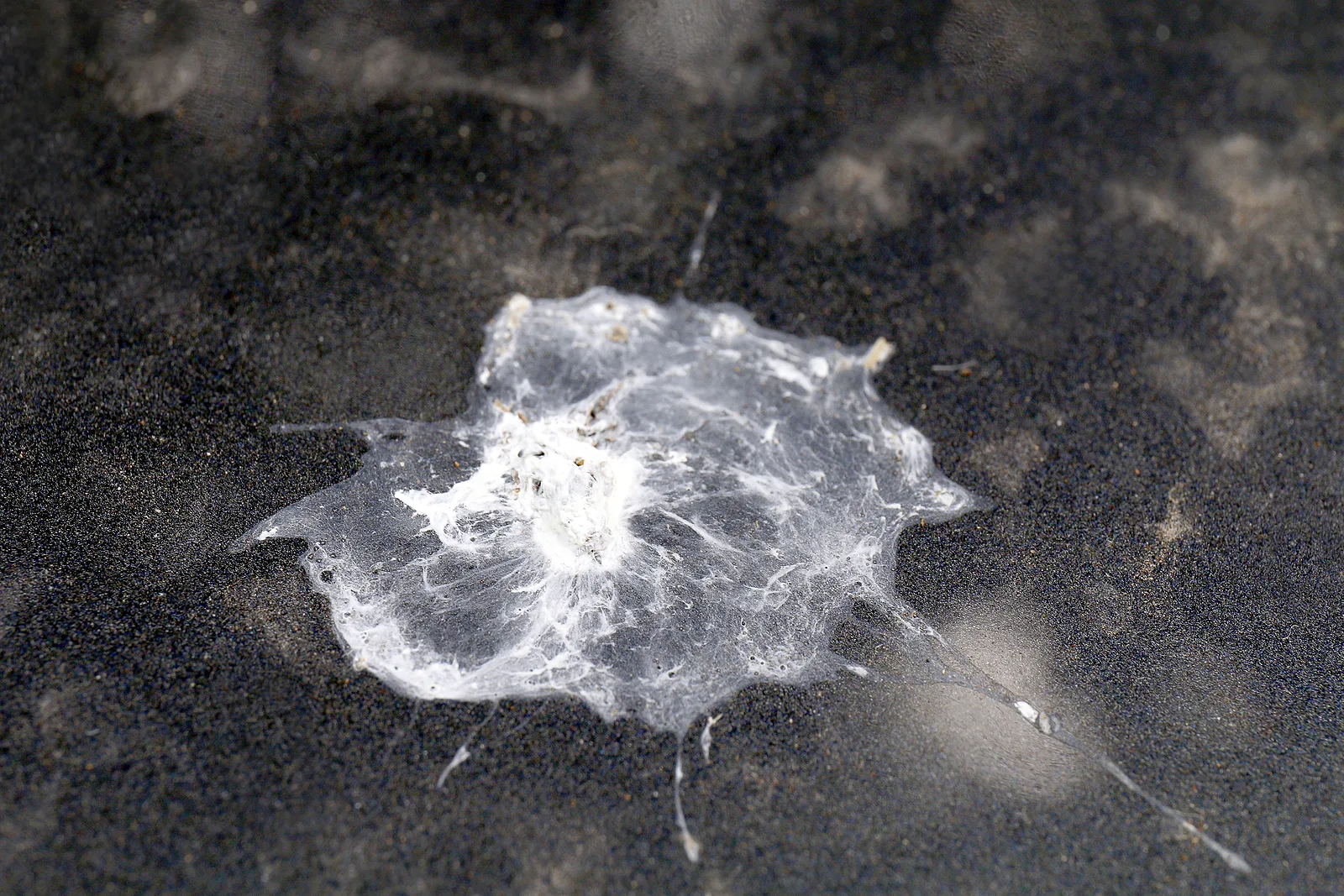
What Bird Poop Actually Is
A bird dropping is really two wastes in one. The dark or green blob is the food waste, the actual poop. Sitting on top, the chalky white cap is uric acid, how birds get rid of the waste a mammal would pee out.
Birds do not make liquid urine. Their kidneys handle the waste in a single step, with no separate liquid stage, which saves water and keeps them light for flight. It also explains why droppings stick like glue: the paste does not dissolve easily in water.
The colors come from diet. Berries leave purple stains, a seed eater leaves browner droppings, and a bird grazing on greens leaves green ones. The white part never changes no matter what they eat, since it is not food at all.
Is Bird Poop Dangerous?
Bird droppings can carry germs that make people sick, though most healthy adults who wipe up a splat are fine. The risk goes up with volume and with dust.
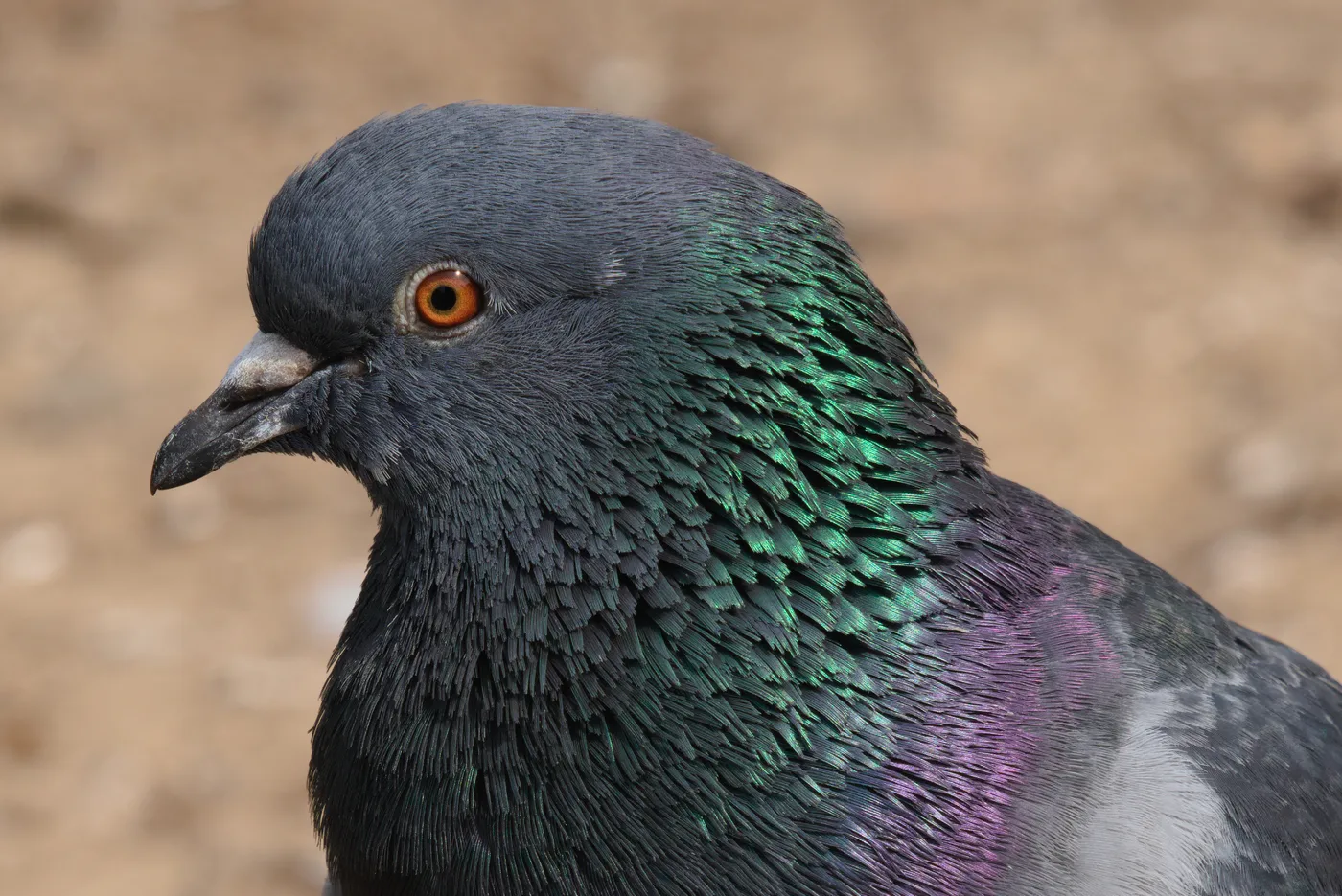
The big concern is dried droppings. When a pile dries out and gets disturbed, it sends spores and bacteria into the air, and that is what you breathe in.
Histoplasmosis, a lung infection from a fungus that grows in old droppings, is the one health agencies warn about most. According to the CDC, histoplasmosis spreads through dust from bird and bat droppings, especially where droppings have built up for a long time.
Droppings can also carry psittacosis, salmonella, and cryptococcosis.
So the danger is less about one fresh splat and more about a roost that has been fouling the same spot for months.
Clearing a heavy buildup is different. If it is in an attic, a barn, or under a long-used pigeon roost, treat it seriously. Wet the pile down first, and wear a proper respirator mask, not just a paper one.
How to Clean Bird Poop Safely
The golden rule is never scrub a dropping dry. Dry scrubbing grinds it into the surface and throws dust into the air. Soak it first, every time. For a full surface-by-surface breakdown, the how to clean bird poop guide covers cars, concrete, wood, and fabric in detail.
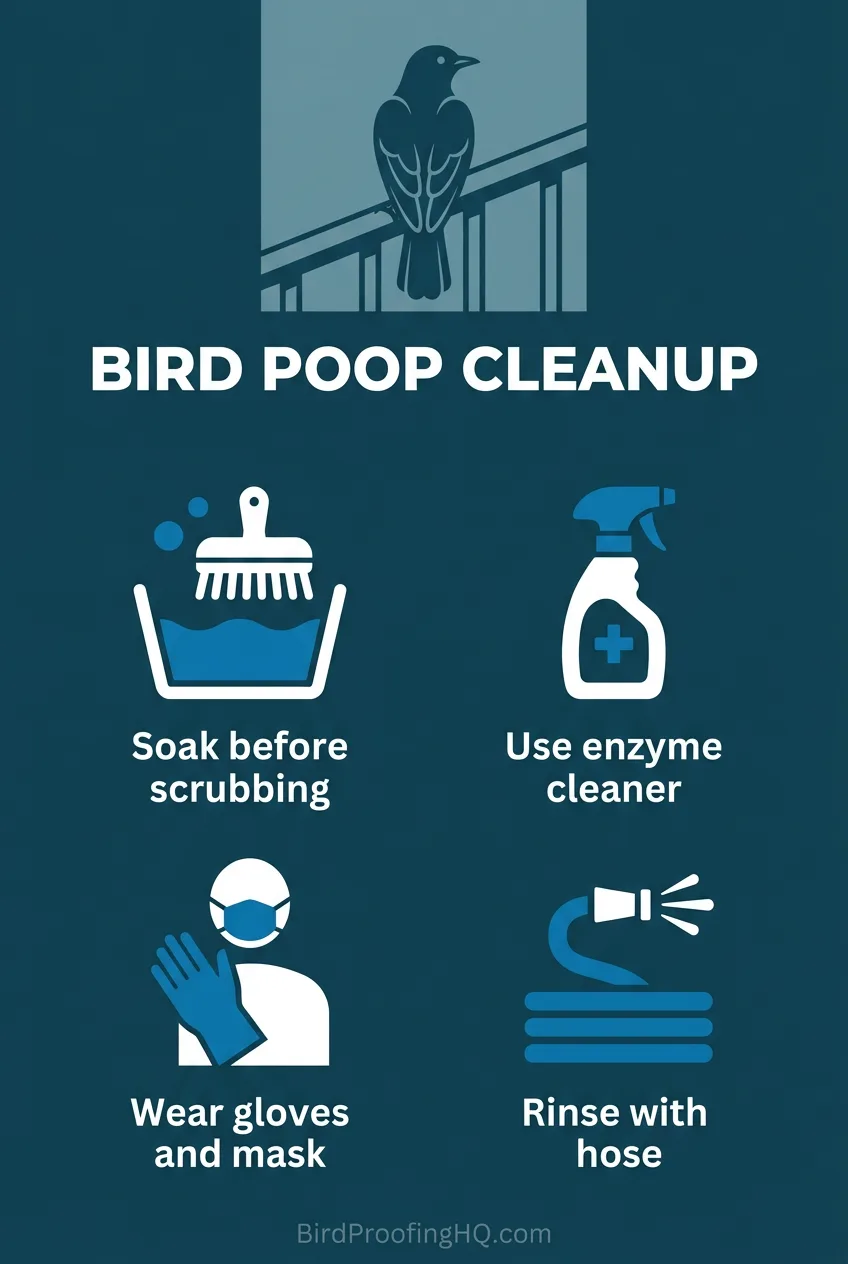
Start by gearing up. Put on disposable gloves, and add a mask and eye protection for anything bigger than a fresh spot.
Then wet the dropping with water or a cleaning spray and let it sit a few minutes so the uric acid softens. Wipe it up with a paper towel instead of scrubbing, drop the towel straight in a bag, and disinfect the spot afterward.
Wash your hands well when you are done.
For fresh droppings, plain water and a little dish soap handle most jobs. Dried, crusted spots need more: an enzyme cleaner made for organic stains beats scrubbing harder. Seal the waste in a bag before it goes in the trash so nothing dries out and blows around again.
How to Get Bird Poop Off Different Surfaces
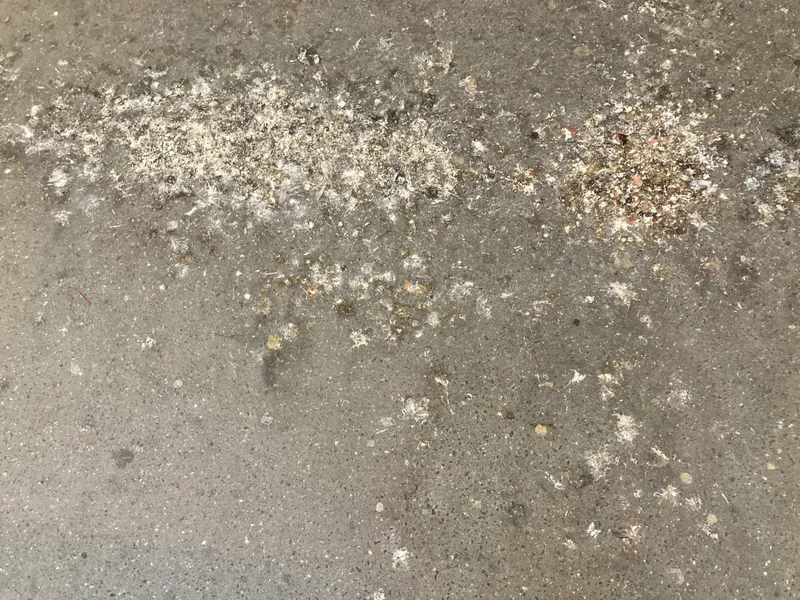
The surface decides the cleaner. A few quick rules cover the spots droppings hit most:
- Car paint: Soak with water or seltzer, then lift it with a microfiber cloth. Act fast, because uric acid etches clear coat within a day or two in the sun.
- Wood decks and furniture: Warm water with a mild detergent, then rinse. Skip harsh bleach on bare wood.
- Concrete and stone: An enzyme cleaner or a dedicated dropping remover, left to soak, then rinsed with a hose.
- Glass and solar panels: Water and a soft cloth. Avoid abrasive pads that scratch.
Whatever the surface, sooner is easier. A dropping you hit the same day wipes off. One you leave for a week has bonded to the finish.
Does Bird Poop Damage Car Paint?
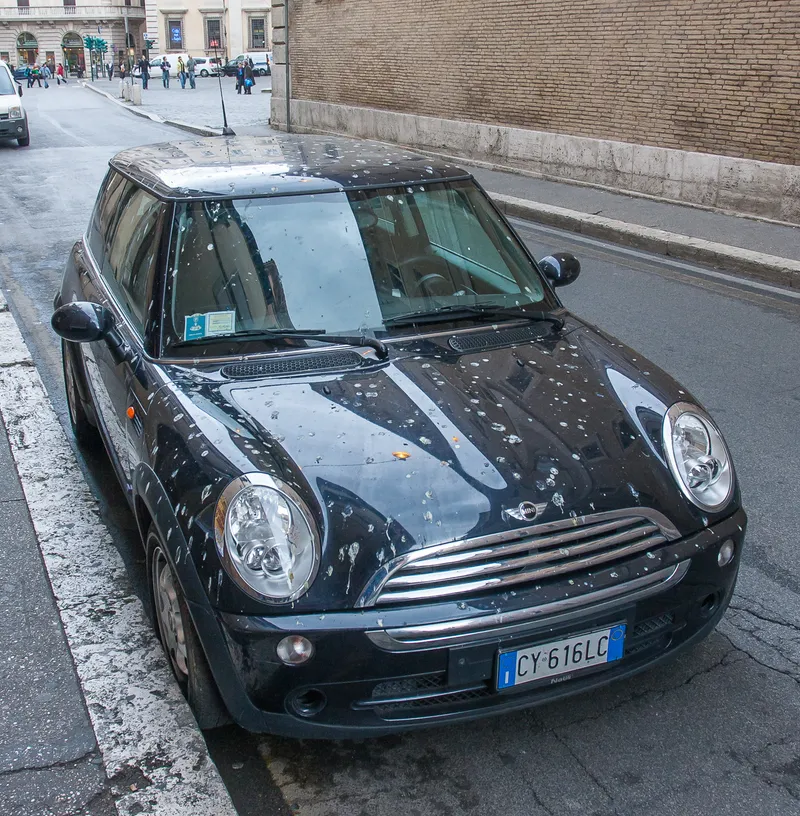
Yes, and faster than most people expect. Bird droppings have a pH of 3.5 to 4.5. The uric acid starts etching clear coat within hours of landing, especially in direct sun where heat accelerates the reaction.
A splat left overnight can etch a dull, foggy mark into the clear coat that wax will not fix.
Left for a week in sun, it can cut through to the base coat. The dropping’s own grit adds a second kind of damage too, scratching the clear coat as it drags across the surface.
The fastest response is the most protective one. Flood the spot with water, let it soak for 30 seconds to soften the uric acid, then lift it with a microfiber cloth. For spots that have already dried hard, a dedicated bird dropping remover or a diluted detailing spray will soften them without scratching.
Is Bird Poop Good for the Garden?
Bird droppings are actually decent fertilizer, and almost nobody mentions it. They are rich in nitrogen and phosphorus, the same nutrients you pay for in a bag. Seabird droppings, called guano, were sold as fertilizer for over a century for exactly this reason.
You can use it, with care. Do not put raw droppings straight on plants you eat, because the same germs that worry you indoors can reach your food.
Compost the droppings first instead. A few months in a compost pile breaks down the pathogens and turns the nutrients into something safe for the garden.
Use droppings from your own healthy birds if you can, and skip raw wild-bird waste.
How to Stop Birds From Pooping on Your Property
Cleaning is the symptom. The fix is to stop birds perching above the spot they keep fouling. Look up from the mess and you will usually find the cause: a wire, a beam, a ledge, or a branch right overhead.
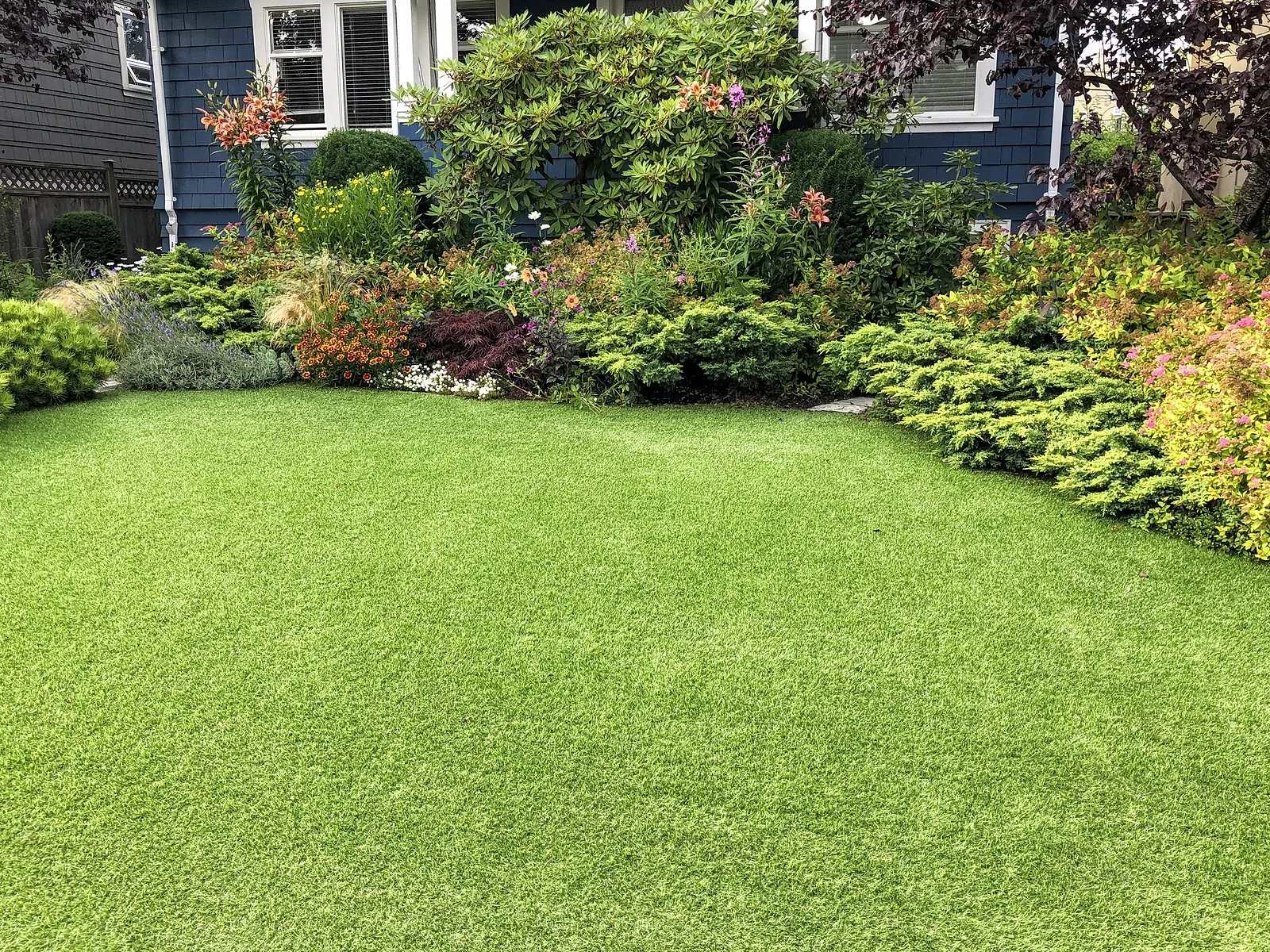
Take away the perch and the droppings move with it. On a flat ledge or beam, spikes or sloped covers that leave nowhere to stand do the job. Over a patio or balcony, hanging reflective deterrents or netting off the cover works well. And cutting the food supply matters as much as the perch, so move feeders, lock down trash, and clear fallen fruit that pulls a flock in.
For a stubborn problem on a specific bird, the full plan for getting rid of the birds causing the mess walks through it species by species. Deal with the perch and the food, and the cleanup mostly takes care of itself.
Images: Bird droppings, clean-yard photos, and infographic via BirdProofingHQ. Feral pigeon roosting by Satdeep Gill, CC BY-SA 4.0; Pigeon droppings on surface (CC0); Car with bird droppings by Sergey Ashmarin, CC BY-SA 3.0. Via Wikimedia Commons.


Free: The 5-Step Bird-Proofing Checklist
Work through the right steps in the right order, before spending money on the wrong deterrents. Printable PDF, straight to your inbox.
No spam. Unsubscribe any time.