How to Get Rid of Birds Nesting in Gutters, Legally
Contents[hide]
- 1. Why Do Birds Nest in Gutters?
- 2. Signs You Have Birds Nesting in Your Gutter
- 3. Is It Legal to Remove a Bird Nest From a Gutter?
- 4. How to Remove a Bird Nest From a Gutter
- 5. Do Gutter Nests Actually Cause Water Damage?
- 6. Ladder Safety Before You Start
- 7. Other Wildlife That Gets Into Gutters
- 8. How to Keep Birds From Nesting in Gutters Again
- 9. When to Call a Professional
To get rid of birds nesting in gutters, confirm the species first. House sparrows and starlings are not protected, so their nests come out anytime. Clear the material by hand, flush the gutter with a hose, then install gutter guards or mesh so the channel cannot be used again next spring.
In this article, you'll learn how to remove gutter bird nests legally and prevent returns. We'll cover nest legality, safe removal, and gutter guards.
Why Do Birds Nest in Gutters?
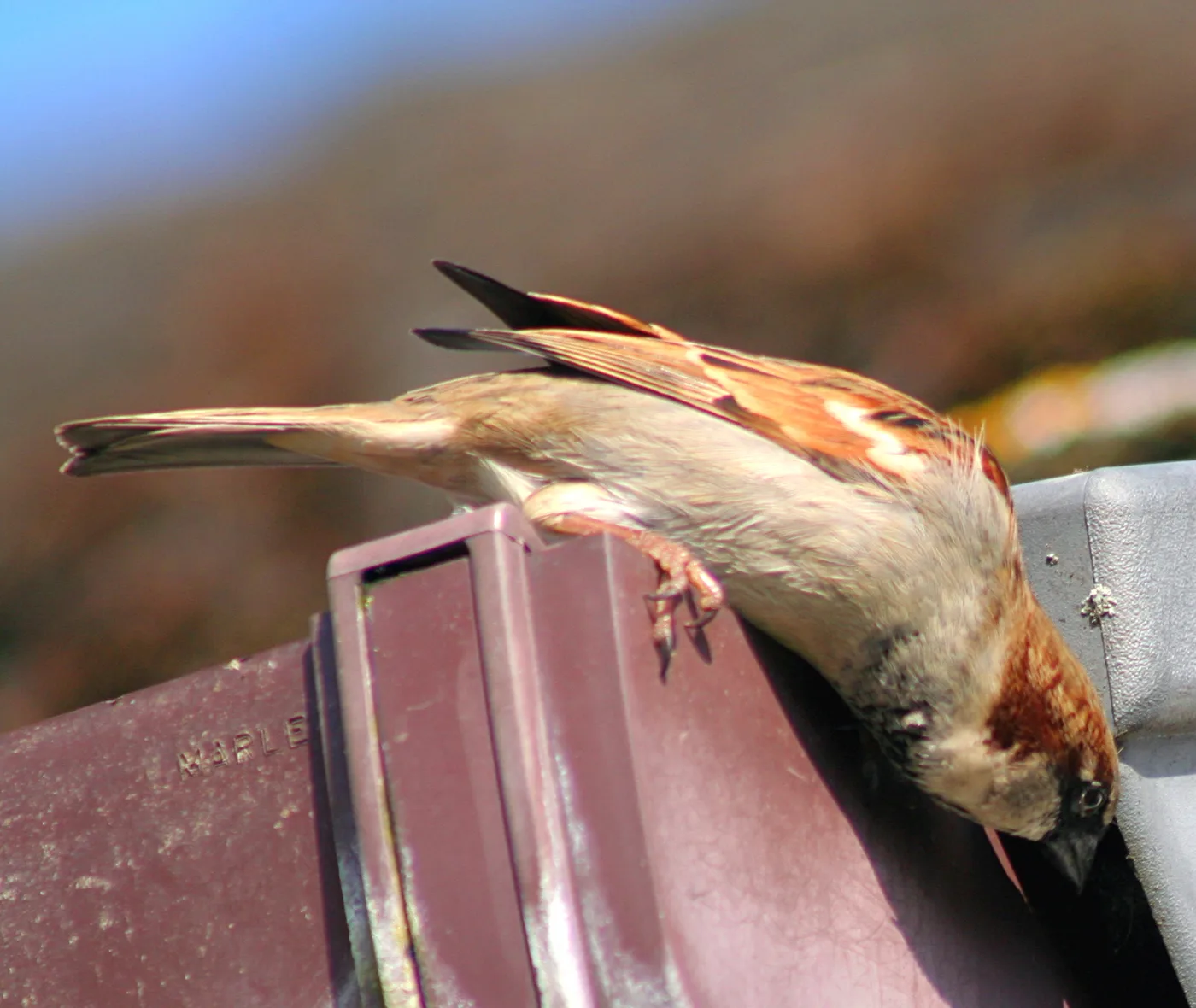
Knowing how to get rid of birds nesting in gutters starts with knowing why they pick the spot. A gutter gives a small bird almost everything it wants. It is a narrow, enclosed channel, sheltered from rain and hidden from most predators, right under a roofline that already blocks the wind. To a house sparrow or starling, it reads as a ready-made cavity nest, no building required beyond stuffing it with grass and feathers.
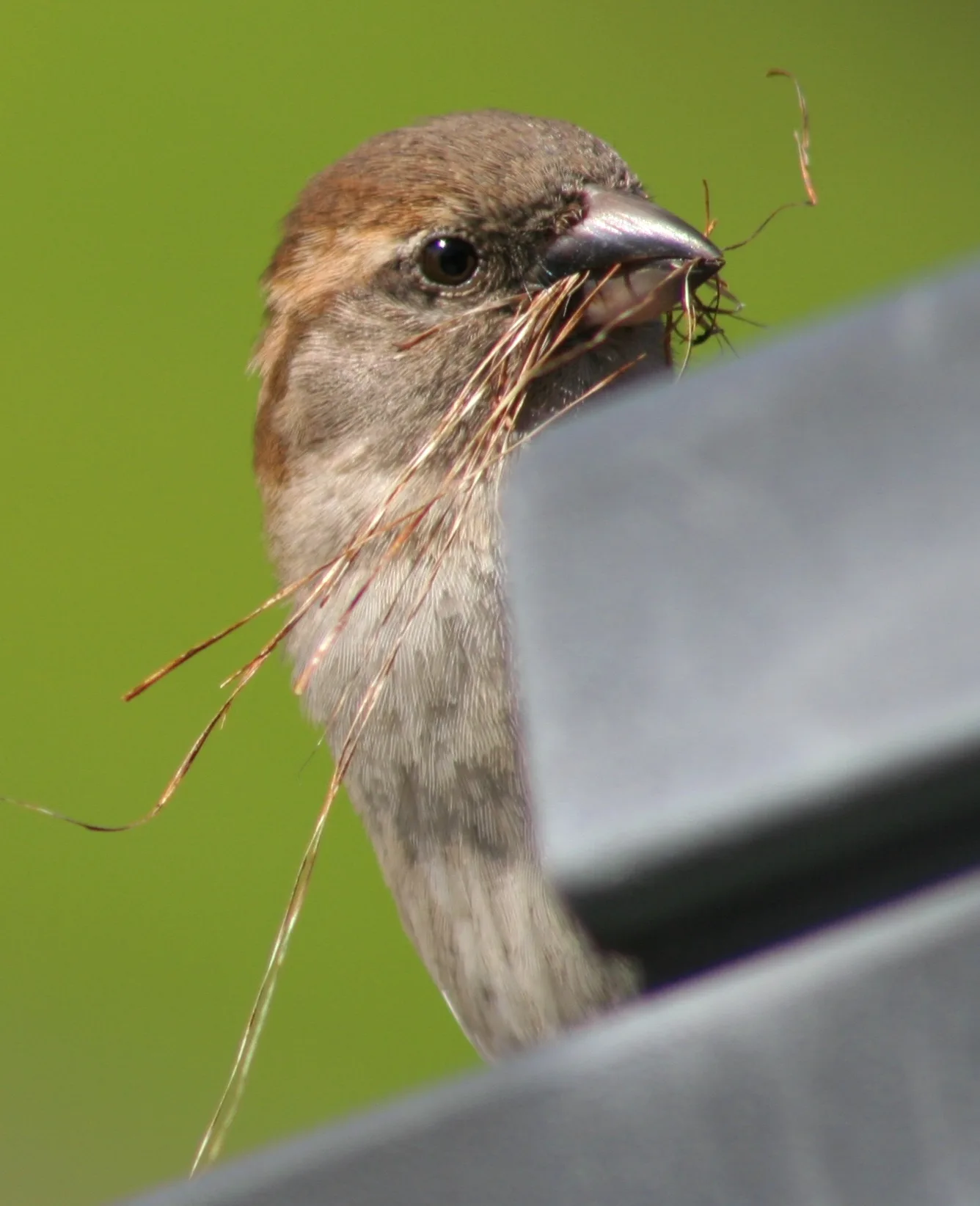
Both species also nest close to people without much hesitation. That is why gutters on an occupied house fill up just as often as ones on a barn or shed. Once a pair succeeds in one gutter run, expect them back in the same spot next spring.
Signs You Have Birds Nesting in Your Gutter
Chirping or scratching sounds from the roofline, especially in the early morning, are usually the first clue. Grass or twigs poking out over the gutter edge is the next one. It means the nest is far enough along that climbing up will disturb it.
Watch for birds flying to the same spot on the gutter over and over. That repeated flight path is a much stronger signal than one bird passing overhead. Streaking droppings running down the fascia below a specific section point straight to where the nest sits, often before you can see any material at all.
Is It Legal to Remove a Bird Nest From a Gutter?
Almost always, yes. House sparrows and European starlings build the overwhelming majority of gutter nests, and neither species is protected under the Migratory Bird Treaty Act. Their nests, eggs, and young can be removed at any time, active or not.
A native species nesting in a gutter is uncommon but not impossible. If you are not certain of the species, treat the nest as protected and wait until it is empty. Removing an active nest of a protected bird is a federal offense, regardless of where it is built.
What About Swallows?
Barn swallows build a different kind of nest right at the gutter line. It is a cup made of packed mud pellets, stuck to the fascia or the underside of the gutter. Sparrows and starlings instead pack loose grass into the channel itself. That mud cup is the tell.
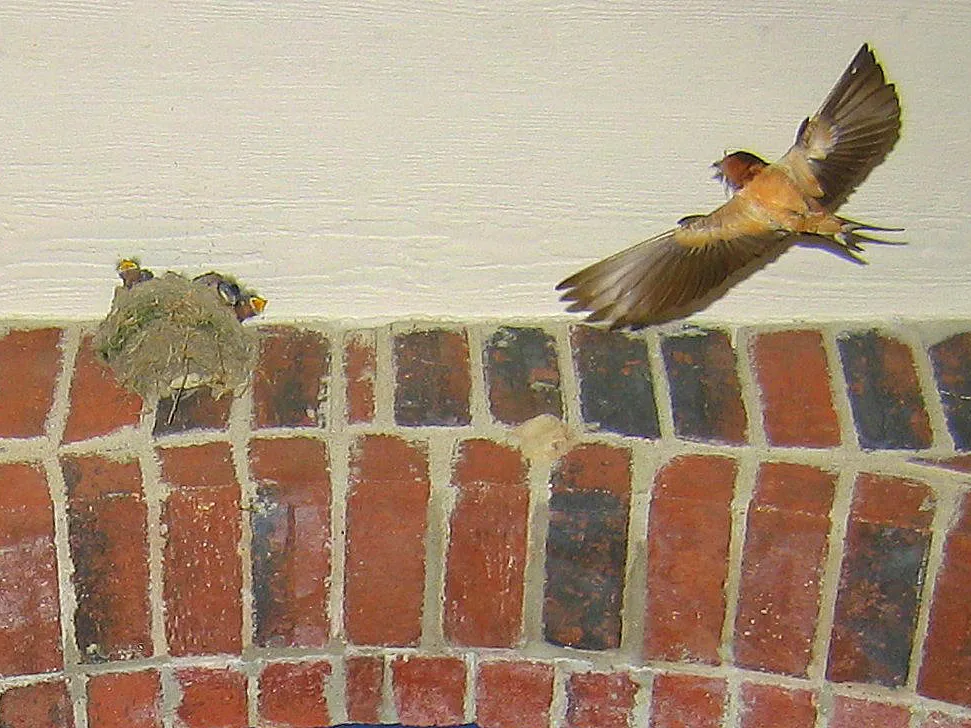
Swallows are native and protected, so an active nest with eggs or chicks has to stay until the young leave on their own.
An empty mud nest from a prior season is legal to knock down, and doing so before spring often stops the same pair from rebuilding in the identical spot.
How to Remove a Bird Nest From a Gutter
Once you have confirmed the nest is legal to touch, the job itself is straightforward.
Put on gloves and an N95 mask before you start. Old nest material and the droppings around it can carry bacteria and, in heavier buildups, the fungal spores that cause histoplasmosis, a lung infection. Pull the nest material out by hand or with a small trowel, and bag it directly rather than shaking it loose over the yard.
Flush the gutter section with a hose once the material is out. Work toward the downspout so the leftover debris and droppings wash all the way through rather than collecting farther down the run. Check that water flows freely afterward. A partial clog left behind defeats the point of clearing it.
Do Gutter Nests Actually Cause Water Damage?
Yes, and it is worse than most homeowners expect from something the size of a fist. A packed nest blocks the channel, so rain backs up and spills over the gutter edge instead of running down the downspout.
That overflow runs straight down the fascia board, the trim piece along the roof edge, and soaks it every time it rains. A season or two of that rots the wood. Left long enough, the runoff pools next to the foundation instead of draining away. That is a much bigger repair than a bag of old nest material.
Constant damp wood behind the gutter is also a mold risk, especially where the fascia meets the soffit vents under the roofline. Mold on exterior trim is mostly a cosmetic and repair problem, but it can spread toward the attic if the soffit vents stay wet long enough.
Ladder Safety Before You Start
A gutter nest is rarely reachable from the ground. Use a ladder rated for your weight plus tools, and have someone hold it steady rather than working alone on a multi-story house. Never lean out to the side to reach a nest a few feet over. Move the ladder instead.
Wet gutters and wet ladder rungs are a bigger risk than anything in the nest itself. Skip the job after rain and wait for a dry day.
Other Wildlife That Gets Into Gutters
Not everything in a gutter is a bird nest. Squirrels pack in far more material, chew visible gouges into the fascia, and make a heavier scratching sound than any bird. Mice leave a similar debris pile but stay quiet and mostly nest at night.
Wasps are the one to watch for before reaching in with bare hands. A paper wasp nest looks like a gray, papery honeycomb rather than a pile of grass or a mud cup, and disturbing one is a real safety risk. If you see anything papery or hear buzzing before you see grass, back off and call a pest control company, not a wildlife or bird removal service.
How to Keep Birds From Nesting in Gutters Again
Removing one nest without blocking the spot just resets the clock until next spring. Gutter guards or fine mesh screens installed over the whole channel are the most reliable fix, since they physically block a bird from getting inside the gutter at all.
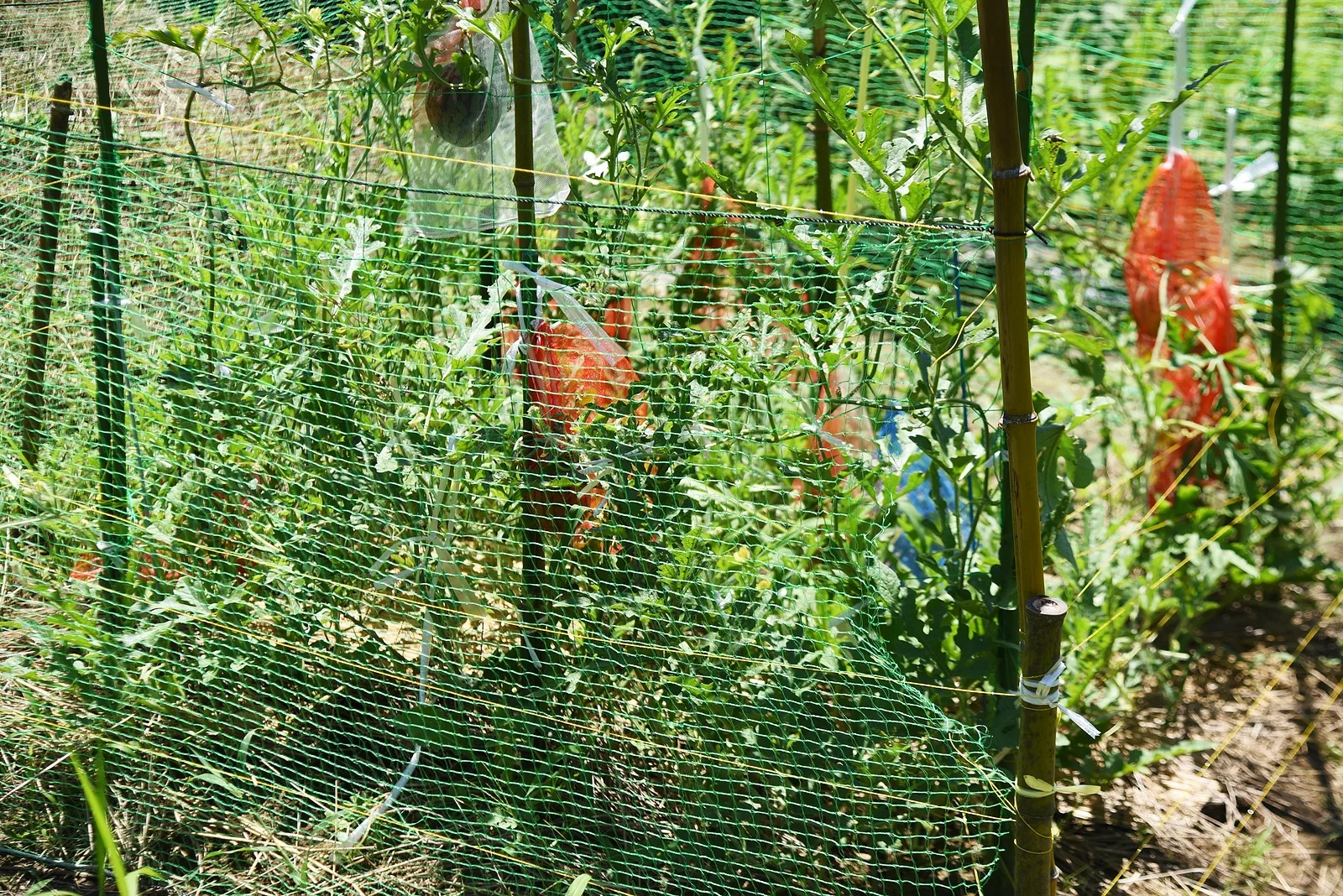
Birds sometimes perch on the outer edge before working their way in. For that, a strip of bird spikes along the edge adds a second layer. Install guards or spikes in late winter, before birds start scouting nest sites in March. A gutter that is already occupied is much harder to seal without disturbing an active nest.
Check gutters each fall after leaves come down. A guard clogged with debris can create the same sheltered pocket a bare gutter does, which defeats the purpose of installing one.
Which Type of Gutter Guard Actually Holds Up
Fine mesh screens block birds and most debris and cost the least to install, but they need an occasional rinse once they collect fine grit. Reverse-curve guards shed leaves well and last longer under heavy tree cover, though they cost more per foot. Brush inserts are the cheapest option and the least durable. They still leave gaps a determined sparrow can work through.
For a bird problem specifically, any of the three works, since the goal is just closing off the cavity. Durability against your local tree cover and rainfall matters more than the bird-blocking difference between them.
When to Call a Professional
Most gutter nest removal is a ladder-and-gloves job, but a few situations are worth handing off. A multi-story gutter run you cannot safely reach is one. A heavy droppings buildup or a nest you cannot confidently identify are two more reasons to bring in a wildlife control company instead of guessing.
Bird removal costs vary by access and job type. The bird removal cost breakdown covers real pricing. The bird nest removal guide covers the legal and safety side for every location.
Images: House sparrow at nest in guttering by John Haslam, CC BY 2.0. Female house sparrow with nesting material by John Haslam, CC BY 2.0. Barn swallow with nest by Sarum blue, CC BY-SA 3.0. Via Wikimedia Commons. Netting photo via BirdProofingHQ.


Free: The 5-Step Bird-Proofing Checklist
Work through the right steps in the right order, before spending money on the wrong deterrents. Printable PDF, straight to your inbox.
No spam. Unsubscribe any time.