How to Keep Birds Out of Vents (Fire-Hazard Fix)
Contents[hide]
- 1. Why a Vent Is Not Just a Hole in the Wall
- 2. Check for an Active Nest Before You Install Any Guard
- 3. Dryer Vents Need a Different Guard
- 4. Bathroom and Kitchen Exhaust Vents
- 5. Furnace, Water Heater, and Gas Appliance Vents: The Carbon Monoxide Risk
- 6. Soffit, Gable, and Roof Vents
- 7. What to Do If You Find Fire Damage or a Melted Vent
- 8. When to Call a Professional
- 9. Frequently Asked Questions
- 9.1. How do I keep birds out of a dryer vent?
- 9.2. Can I put a screen over my dryer vent to keep birds out?
- 9.3. Is it legal to remove a bird’s nest from a vent?
- 9.4. What size mesh keeps birds out of vents?
- 9.5. Can a bird nest in a vent cause carbon monoxide poisoning?
- 9.6. When should I call a professional about birds in vents?
Quick Answer
To keep birds out of vents, check for an active nest first, then fit the right guard for that vent type. Use a louvered or spring-flap cover on a dryer vent, never mesh, since screens there trap lint and conflict with standard dryer vent requirements. Use rust-proof wire mesh on passive gable and soffit vents instead.
In this article, you'll learn which vent guard stops fire and carbon monoxide risk. We'll cover dryer vent guards, combustion vent risks, and nest removal law.
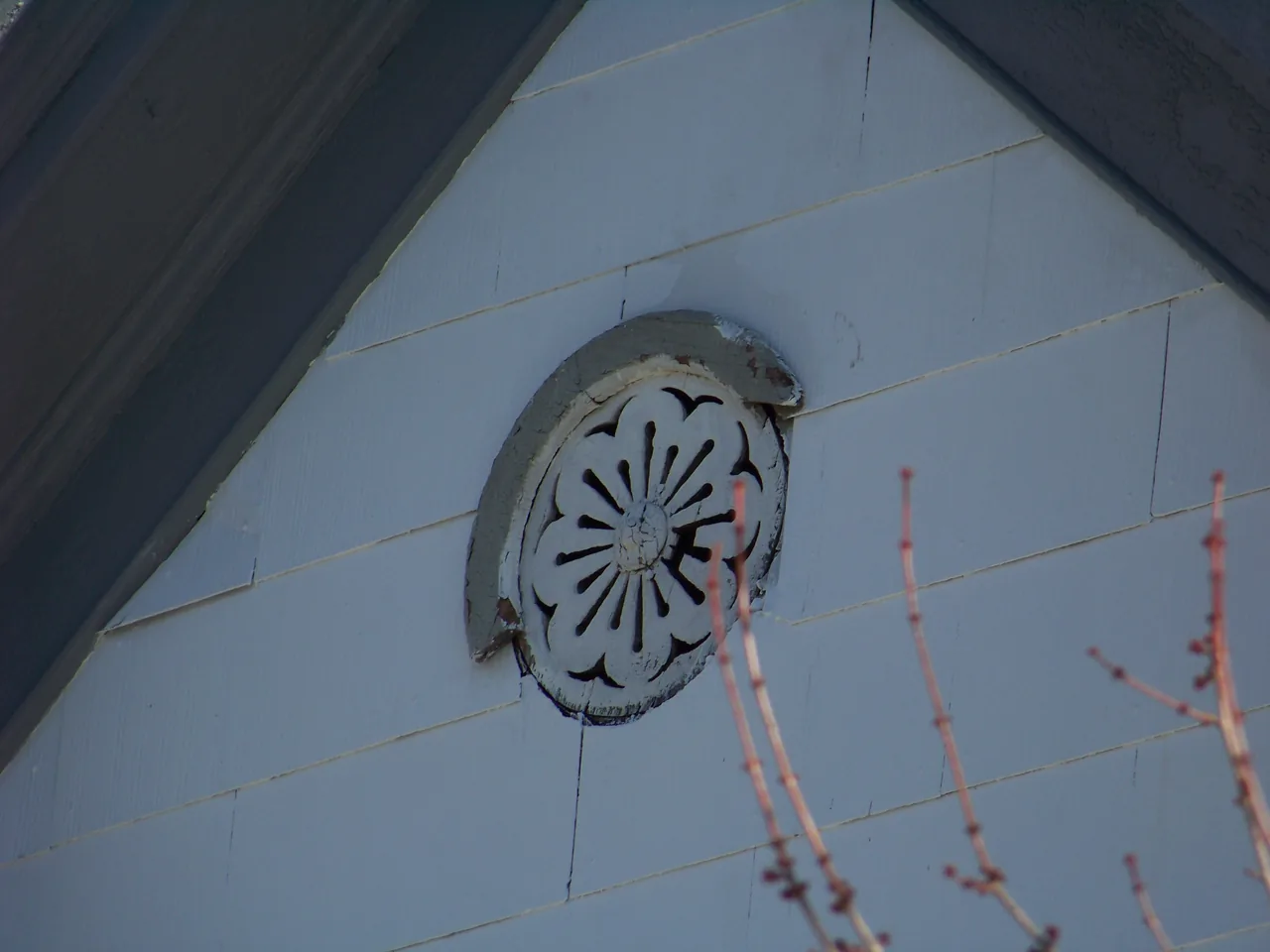
Why a Vent Is Not Just a Hole in the Wall
Every vent on a house does a specific job, and birds do not care which one it is. House sparrows, European starlings, and pigeons all look for a small, dark, sheltered cavity that is off the ground and out of the weather, and a vent opening matches that description almost perfectly. Once one gets in, it starts packing the space with twigs, grass, and feathers, and the material stays there until someone removes it.
That is where the fire risk starts. A dryer vent already carries flammable lint. Add dry nesting material on top of it, and you have fuel sitting inside a duct that gets hot every time the dryer runs. The U.S. Fire Administration reports that failure to clean the dryer and its vent was the leading factor behind residential clothes dryer fires from 2018 to 2020. A nest is exactly the kind of blockage that causes that failure.
Not every vent carries the same risk, though, and that is the part homeowners usually get wrong. A dryer vent and a bathroom exhaust vent both move air, but they need different guards. A furnace or water heater vent is a different problem again, because a blockage there does not just raise fire risk, it can push carbon monoxide back into the house. Treat each vent type on its own terms, and check for a nest before you touch anything.
Check for an Active Nest Before You Install Any Guard
Before you buy a cover or cut a piece of mesh, look inside and around the opening for eggs, chicks, or an adult bird that will not leave. Most wild birds in the United States are protected under the Migratory Bird Treaty Act, which makes it illegal to disturb an active nest, meaning one with eggs or young still dependent on it, without a federal permit. An inactive nest with no eggs or chicks can generally be removed, but confirm it is actually empty first.
There is an important federal exception. House sparrows, European starlings, and rock pigeons were introduced to North America and are explicitly excluded from the Migratory Bird Treaty Act’s protection, according to the U.S. Fish and Wildlife Service. These three species also happen to be the ones most likely to nest in a vent. A federal MBTA permit is not required for them, but state, Tribal, local, species-specific, or site rules may still restrict removal. Check the rules that apply where you live before acting. If you are not sure what species you are looking at, treat the nest as protected until you know.
If the nest already has eggs or chicks and the species is protected, wait. Installing a guard over an active protected nest can trap the birds inside or destroy the nest, and both are illegal. What the law actually protects covers the broader rules if you want the full picture before you act. Once the nest is confirmed empty, or the birds have fledged, you can clear the debris and move on to the guard that fits the vent.
Dryer Vents Need a Different Guard
A dryer vent is the one place where the usual bird-exclusion advice, cover it with mesh, actually works against you. Dryer lint is highly flammable, and the Consumer Product Safety Commission warns that when lint builds up in the vent or exhaust duct, it blocks airflow, drives up heat inside the dryer, and can start a fire.
A screen at the outlet makes that buildup worse, not better, because lint catches on the mesh instead of blowing clear. The International Residential Code addresses this directly: a dryer exhaust duct must terminate outdoors with a backdraft damper, and “screens shall not be installed at the duct termination.” That rule exists because of the fire risk, not as an arbitrary restriction, so do not improvise around it with hardware cloth or insect screen.
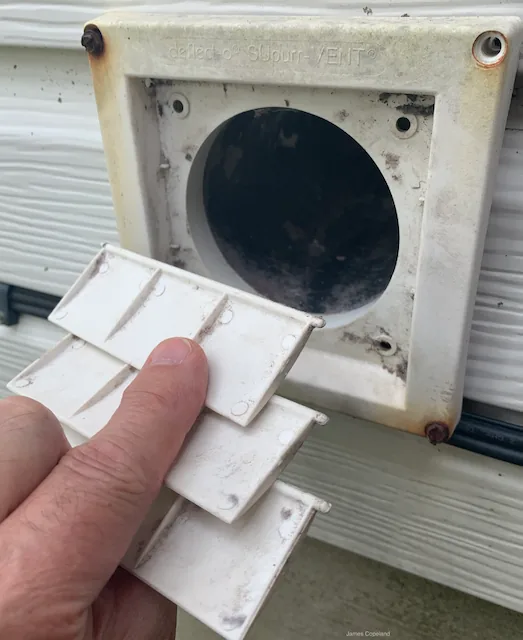
The fix is a purpose-built vent cover with a spring-loaded or gravity flap, the kind shown above. It closes on its own between loads, which keeps birds out without trapping lint the way a screen does. A few things keep it working:
- Clean the flap and the first foot of duct at the start of each season. A flap gummed shut with lint will not close, and one that will not open makes the dryer work harder.
- Choose a metal or heavy-duty composite cover over a thin plastic one. It holds up longer against weather and a persistent bird trying to force its way back in.
- If you already have a nest packed into the duct, clearing it is a separate job from installing the cover. Removing a nest from a dryer vent walks through that process, including when to call a professional instead of pulling the duct apart yourself.
Longer drying times, a burning smell, or debris scattered around the outside vent opening are all signs something, a nest or otherwise, is blocking the duct. Treat any of those as a reason to check the vent before running another load.
Bathroom and Kitchen Exhaust Vents
Bathroom fans and kitchen range hoods do not carry the same lint hazard as a dryer, but that does not make generic mesh safe for every outlet. Use the listed exterior hood or cap specified by the fan or range manufacturer. For passive openings such as gable and soffit vents, the Internet Center for Wildlife Damage Management recommends rust-proof 1/4-inch wire mesh, sized to keep out small birds while still letting air pass through.
Where the listed vent design allows screening, fit it at the exterior opening rather than deep inside the duct, so you can remove it for cleaning and see if it needs repair. Do not add mesh when it conflicts with the hood or cap manufacturer’s instructions. A gap at the edge is as good as no barrier at all, since birds will find and use it.
Skip plastic mesh if you can. It is easier to install, but a persistent bird or weather damage can open it again, and you will be back out on a ladder repeating the job. Galvanized steel mesh or hardware cloth is usually the more durable choice for a passive opening.
Furnace, Water Heater, and Gas Appliance Vents: The Carbon Monoxide Risk
This is the vent type that deserves the most caution, and DIY mesh has no place on it. A furnace, water heater, or any other fuel-burning appliance vents its exhaust, including carbon monoxide, directly outside. If a nest blocks that path, the gas has nowhere to go but back into the house.
The CDC lists a blocked or clogged vent as a real source of carbon monoxide buildup indoors, and the EPA points to a flue that is “improperly sized, blocked, or disconnected” as a specific cause. Carbon monoxide has no smell, taste, or color, so a blocked combustion vent can be dangerous well before anyone notices a problem. The CDC lists headache, dizziness, weakness, nausea, chest pain, and confusion as the common symptoms of exposure.
Because of that risk, do not install your own screen or cage on a furnace, water heater, or gas appliance vent, and do not try to clear a nest from one yourself. Both the CDC and EPA recommend an annual professional inspection and tune-up of heating systems, water heaters, and other fuel-burning appliances, which is also the right time to have a technician fit a proper, code-compliant vent cap. Install carbon monoxide detectors near sleeping areas regardless of whether you suspect a blocked vent, since that is the backstop if a blockage happens between inspections.
If a nest built up over the warm months when the furnace or water heater’s pilot or standing exhaust was not in heavy use, the blockage may not show up until the first cold snap, when the system runs longer and harder. A pre-season inspection catches that before it becomes a gas-buildup problem.
Soffit, Gable, and Roof Vents
These vents keep an attic breathing, and unlike a dryer vent, they take mesh well. Soffit vents under the roof edge and gable vents at the peak of the roofline are common nesting entry points, especially where the original screen has torn or rusted through.
Cover the opening with rust-proof 1/4-inch wire mesh, fitted flush against the vent frame so there is no gap at the corners. Check it after storms, since wind-driven debris and ice can tear a screen that was otherwise sound. If a nest has already been in place long enough that it is packed against attic insulation or wiring, that is a broader attic problem, and sealing the rest of the attic’s entry points covers the full job, not just the vent itself.
European starlings are especially persistent at gable and soffit vents because the cavity behind the opening suits their nesting style. A mesh repair that stops one attempt does not guarantee the birds will not try the next weak spot on the roofline, so a full pass around the house is worth the extra hour.
What to Do If You Find Fire Damage or a Melted Vent
If you find scorch marks, melted plastic, a strong burning smell, or a duct that feels unusually hot to the touch, stop and treat it as a fire safety issue, not a bird problem. That vent needs a professional inspection before it runs again, whether or not a bird was ever involved. Do not simply install a new guard over damage like this and consider the job finished.
When to Call a Professional
Handle a dryer vent cover, a bathroom exhaust screen, or a soffit vent repair yourself if you are comfortable with basic tools and safe ladder use. Bring in a professional when:
- The vent connects to a furnace, water heater, or any gas appliance. That is combustion safety, not a bird-proofing task.
- You see scorch marks, melted duct material, or smell burning.
- The vent sits above the second story, or reaching it safely would need scaffolding or a lift.
- You cannot identify the bird or confirm whether the nest is still active.
A wildlife control operator can handle nest removal and species identification, while an HVAC technician or chimney sweep is the right call for anything tied to combustion. Get both involved when a job touches both a nest and a fuel-burning appliance.
Frequently Asked Questions
How do I keep birds out of a dryer vent?
Fit the exterior outlet with a louvered or spring-loaded flap cover, the kind that closes on its own between drying cycles. Do not add a mesh screen. Building code bars screens at a dryer duct termination because lint clogs the mesh and chokes airflow, and a blocked dryer vent is a leading cause of dryer fires. Keep the duct itself clean so the flaps can close fully.
Can I put a screen over my dryer vent to keep birds out?
No. The International Residential Code’s dryer exhaust section requires a backdraft damper at the termination and states that screens shall not be installed there, because lint collects on the mesh and blocks airflow. Use a manufactured hooded vent cover with a damper flap instead, and never a bird screen or hardware cloth on a dryer vent specifically.
Is it legal to remove a bird’s nest from a vent?
It depends on the bird, the nest’s stage, and the rules where you live. Most native species are protected by the Migratory Bird Treaty Act, and a nest with eggs or dependent chicks cannot be disturbed without a federal permit. House sparrows, European starlings, and rock pigeons are excluded from that federal law, but state, Tribal, local, or site-specific rules may still apply. Confirm those rules before removal. If you cannot identify the bird, treat the nest as protected until you can.
What size mesh keeps birds out of vents?
Rust-proof 1/4-inch wire mesh (hardware cloth) can protect passive gable and soffit vents while still letting air move. Bathroom and kitchen exhausts need a listed exterior hood or cap installed according to the manufacturer’s instructions. Do not use mesh on a dryer vent outlet or on a furnace, water heater, or other combustion appliance vent.
Can a bird nest in a vent cause carbon monoxide poisoning?
Yes, if the vent serves a furnace, water heater, or other fuel-burning appliance. A nest can block the exhaust path and force combustion gases, including carbon monoxide, back into the house instead of outside. Carbon monoxide has no smell or color, so the first sign is often a headache, dizziness, or nausea. Have a qualified technician clear and inspect a blocked combustion vent rather than checking it yourself.
When should I call a professional about birds in vents?
Call a professional for any vent tied to a furnace, water heater, or gas appliance, since that work involves combustion safety. Also call one if you find scorch marks, melted duct material, or a burning smell, if the vent is above the second story, or if you cannot tell whether a nest is active.
Images: Gable vent by Lvklock, CC BY-SA 3.0, via Wikimedia Commons. Home clothes dryer outside vent showing 3 flaps back side by Vick648, CC BY-SA 4.0, via Wikimedia Commons. Images were converted to WebP and resized where needed.


Free: The 5-Step Bird-Proofing Checklist
Work through the right steps in the right order, before spending money on the wrong deterrents. Printable PDF, straight to your inbox.
No spam. Unsubscribe any time.