Best Bird Repellent Spray: What Works (And What to Skip)
Contents[hide]
Buy a spray based on methyl anthranilate (MA), a grape extract that irritates birds on contact without harming them. It is the only spray ingredient with solid evidence. Use it on grass, ledges, and roosting spots, and reapply every two weeks. For nesting and structural problems, skip the bottle and use physical exclusion; nothing in a bottle beats netting.
In this article, we’ll cover the one ingredient that makes a bird repellent spray work, where sprays are useful, and where you need a physical barrier instead.
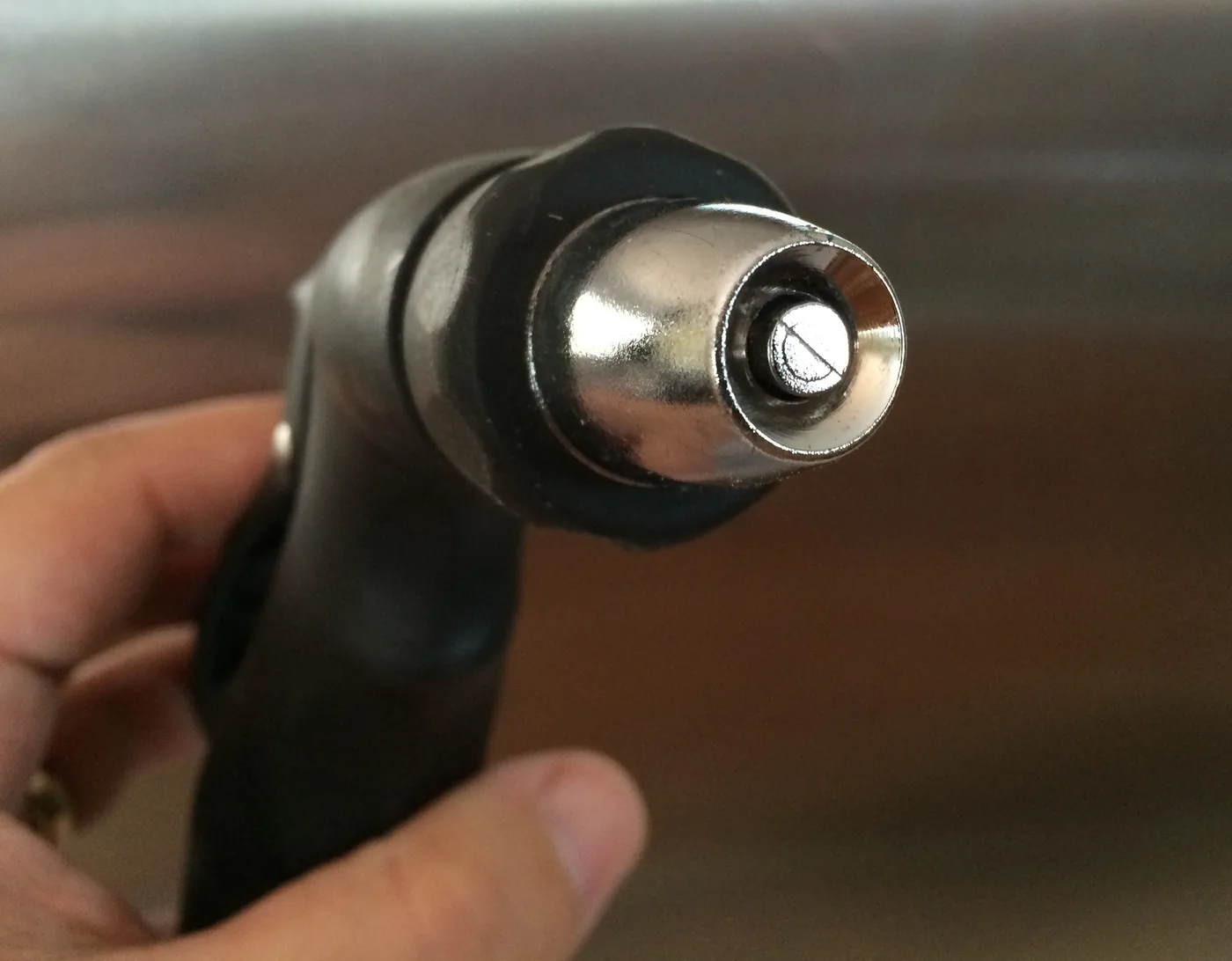
How Bird Repellent Spray Works
The active ingredient that matters is methyl anthranilate (MA), a compound derived from Concord grapes. It is the same grape flavoring used in candy and soda, which is why MA sprays are non toxic and safe around people and pets. Birds experience it completely differently: MA irritates the trigeminal nerve in their beak and throat on contact, something like the way chili burns a mammal’s mouth. Birds learn fast, too: grazing birds get the message in a mouthful or two, and birds that take the grape burn once associate the whole area with it.
Two important details follow from that. First, MA works on contact, not by smell. Birds have sharp eyes and weak noses, which is why scent-only products disappoint.
Contact with a treated surface is what delivers the message. Sprays work where that contact is guaranteed.
Second, the effect is irritation, not harm. Birds leave annoyed, not injured. That keeps MA sprays legal to use even on protected species.
MA has been researched for decades. It was developed to protect airport turf and crops, and it is the only bird repellent ingredient registered with the EPA on that evidence.
The Best Bird Repellent Sprays to Buy
Skip the brand confusion. The commercial sprays worth buying all use MA. They differ mainly in strength and format, and each has its own coverage sweet spot:
Avian Control is a concentrated MA product designed for larger areas. Mix and apply with a garden sprayer for turf, shrubs, and trees. It is the go-to when geese or flocks of birds are the trouble and you have real square footage to cover.
Bird Stop (Bird B Gone) is a ready-to-use MA liquid suited to ledges, sills, railings, and other surfaces where pest birds land and roost. It is a good first product for a porch or balcony bird problem.
Flight Control Plus is the turf specialist. It coats grass blades and stays effective through light watering, which makes it the standard recommendation for goose grazing. Our geese guide covers how it fits a full goose strategy.
Avian Block pouches are the no-spray option: passive dispensers of the same non toxic MA that create a zone birds avoid in semi-enclosed spaces like porches, garages, and carports. Each pouch offers weeks of coverage and suits anyone who would rather hang something once than re-treat on a schedule.
Most offer subscribe-and-save discounts at big retailers. Some brands also take direct refill subscriptions. That matters: repellent spraying is a recurring chore, not a one-time purchase. Compare per-ounce prices so you are not overpaying for small ready-to-use bottles when a concentrate would cover more.
The DIY Bird Repellent Spray Recipe
You can create a workable homemade bird repellent spray at home from kitchen ingredients, and for small areas it is worth trying before you spend money. The standard recipe:
- Crush a head of garlic and a handful of dried chili peppers (or two tablespoons of cayenne).
- Steep in a quart of warm water for a few hours or overnight.
- Strain, add a splash of white vinegar, and pour into a spray bottle.
- Apply to railings, ledges, and plants where birds are causing trouble.
It is cheap, easy, and safe. It is also weak compared to MA. Capsaicin affects mammals far more than birds (birds cannot taste it the way squirrels can, which is why chili-treated birdseed exists).
The garlic and vinegar smell does most of the work, and outdoor smells fade within a day or two. Some recipes swap in peppermint oil, which works about as well, meaning mildly. Expect to reapply every few days, and know that most birds shrug it off after rain.
For the fuller menu of home remedies, what works, and what is folklore, our natural bird repellent guide goes deep, and the homemade robin repellent post covers a robin-specific recipe.
Where Sprays Work on Pest Birds (And Where They Fail)
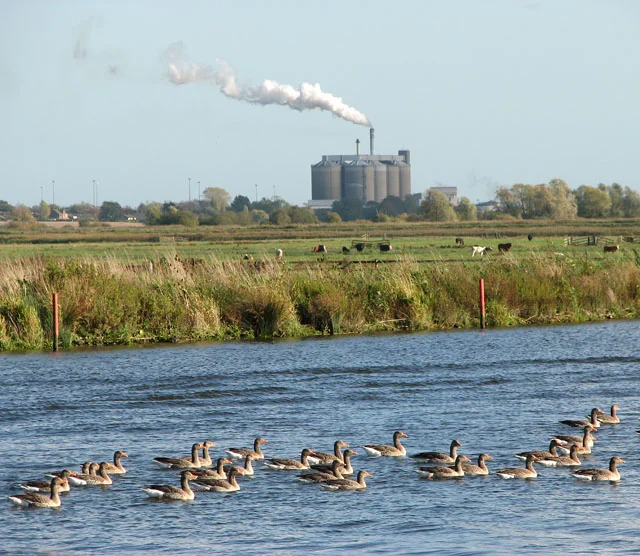
The honest map, because no spray solves every bird problem:
Sprays earn their keep on:
- Grass and turf where geese graze. The best use case, full stop.
- Ledges, railings, and sills where birds loiter and leave droppings around your home.
- Fruit trees and garden beds during ripening season, to protect the harvest from hungry birds.
- Semi-enclosed spaces (porches, garages) using passive MA pouches.
Sprays fail on:
- Nesting birds. Birds with eggs will tolerate nearly anything. Prevention has to happen before nesting season, and physical exclusion works far better.
- Feeders. You cannot spray birds away from a feeder they love. Feeder design solves that, and the right bird-deterrent hardware is what does it.
- Large roosts. Hundreds of birds in a tree will not relocate over treated bark. That calls for sound-and-light dispersal instead.
- Anywhere it rains a lot and you will not keep reapplying. An expired application is the same as no application.
If your situation is in the second list, that is not spray territory, it is exclusion territory, and our bird-proofing guide covers the permanent fixes by structure type.
How to Apply It Right
Most spray failures are application failures. A few tips that fix the common errors:
- Clean first. Use a stiff brush and soapy water to scrub droppings off the area before treating. Droppings signal “birds feed here safely” to all the birds passing through, and they physically block contact with the treated surface.
- Apply in dry weather with no rain forecast for 24 hours, so the product bonds to the surface.
- Cover the whole zone, not a stripe. Birds will find and use the untreated corner of a ledge. Treat the full landing area and a margin around it.
- Reapply on a schedule: every two weeks outdoors, plus after heavy rain or mowing. No spray stays effective past its window. Put it on the calendar; this is the entire difference between those who swear by sprays and those who swear at them.
- Pair it with one visual deterrent. A spray plus reflective tape outperforms either alone, because the birds get both an unpleasant landing and a reason to avoid the area in the first place. Different types of pressure, one message for the birds: this spot is more trouble than the yard next door.
Sprays Are One Layer of Avian Control
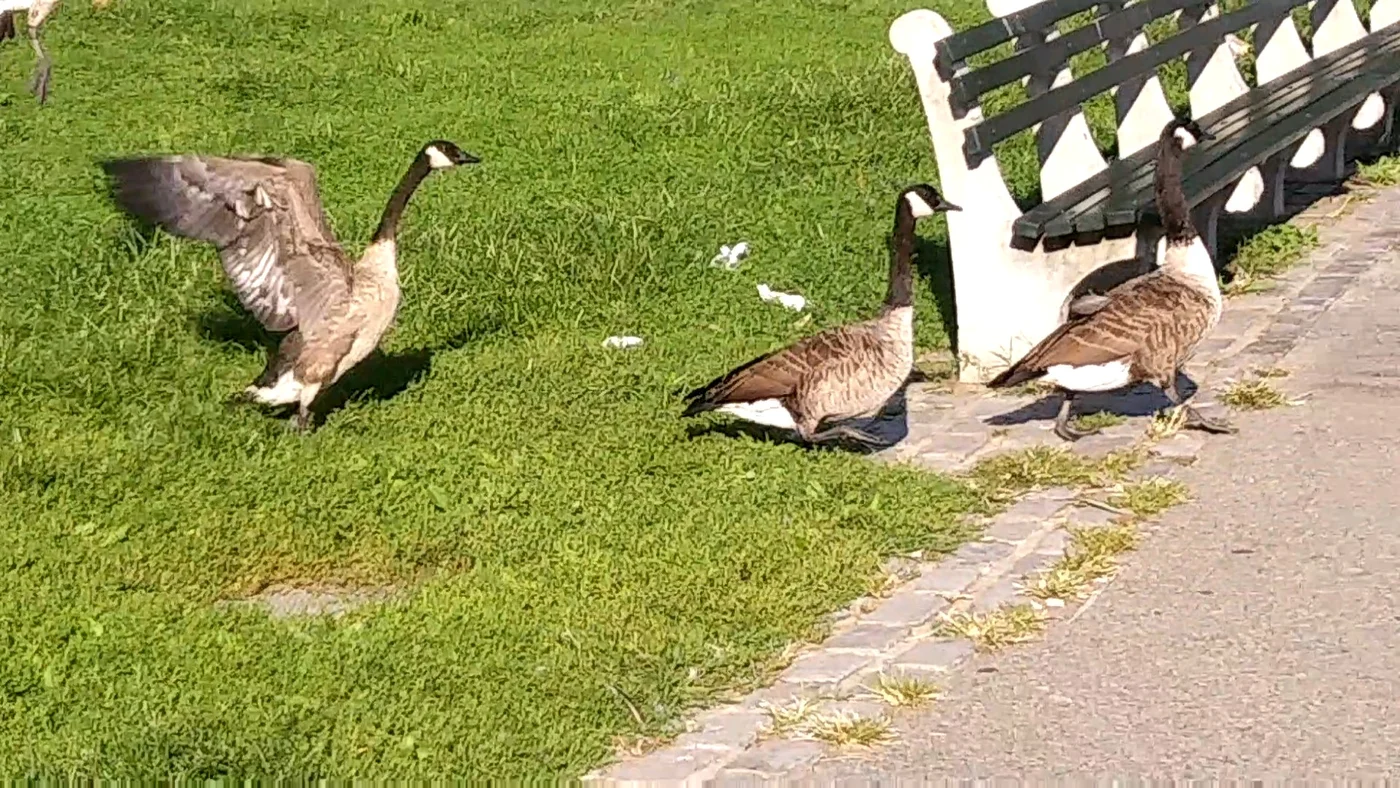
A repellent spray is the supporting actor in avian control, not the lead. The reliable sequence: remove what draws the birds in, block where they nest or roost, and use repellent to make the remaining areas less inviting. No product out-argues a free meal. Birds vote with their wings.
For the bird-by-bird playbook, start with the steps that work for whichever birds are on your roof, lawn, or ledge, plus the products that actually repel birds in each situation. For most homeowners the spray is the easy part; where it fits in the plan is what separates a quick fix from a quiet spring.
Images: Garden sprayer by Maury Markowitz, CC BY-SA 4.0. Greylag geese grazing via Geograph, CC BY-SA 2.0. Canada geese in Central Park by UrielAcosta, CC BY-SA 4.0. Via Wikimedia Commons.


Free: The 5-Step Bird-Proofing Checklist
Work through the right steps in the right order, before spending money on the wrong deterrents. Printable PDF, straight to your inbox.
No spam. Unsubscribe any time.