Homemade Robin Repellent: 4 DIY Recipes That Work
Contents[hide]
To repel robins, steep crushed chili or cayenne in water overnight, strain, and spray where robins land. Peppermint, garlic, and vinegar sprays work the same way. Apply to surfaces around robin activity, never to the birds or a nest, and reapply every few days as the scent fades.
In this article, we’ll cover which homemade robin repellent recipes actually work, how to apply them safely, and when you need something stronger.
4 Homemade Robin Repellent Recipes
Each of these uses a scent robins avoid. They are simple to make and safe around a garden when used correctly.
Chili Pepper Spray
This is the one to try first. Crush a handful of chili peppers, or use a few tablespoons of cayenne, and mix with about a quart of water. Let it steep in the sun for a day or two, strain it, and pour it into a spray bottle.
Spray it on surfaces, ledges, and the edges of garden beds where robins land and feed. The capsaicin irritates a robin’s senses without hurting the bird, and it washes off your plants in the next rain.
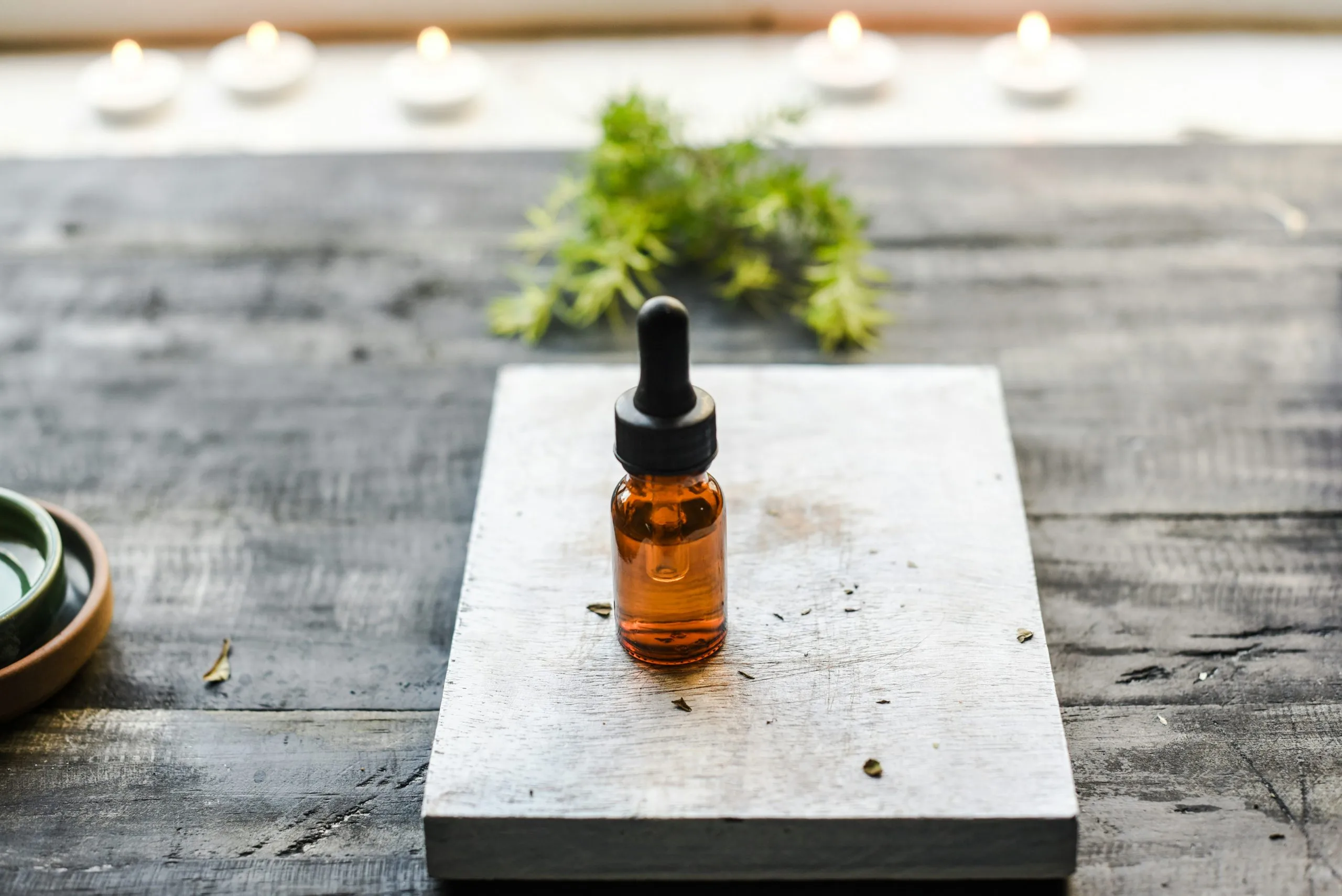
Peppermint Oil Spray
Robins find the strong scent of peppermint unpleasant. Mix 10 to 15 drops of peppermint essential oil with a cup of water in a spray bottle. Shake it well, then spray fences, railings, and the garden beds the robins use.
Garlic Spray
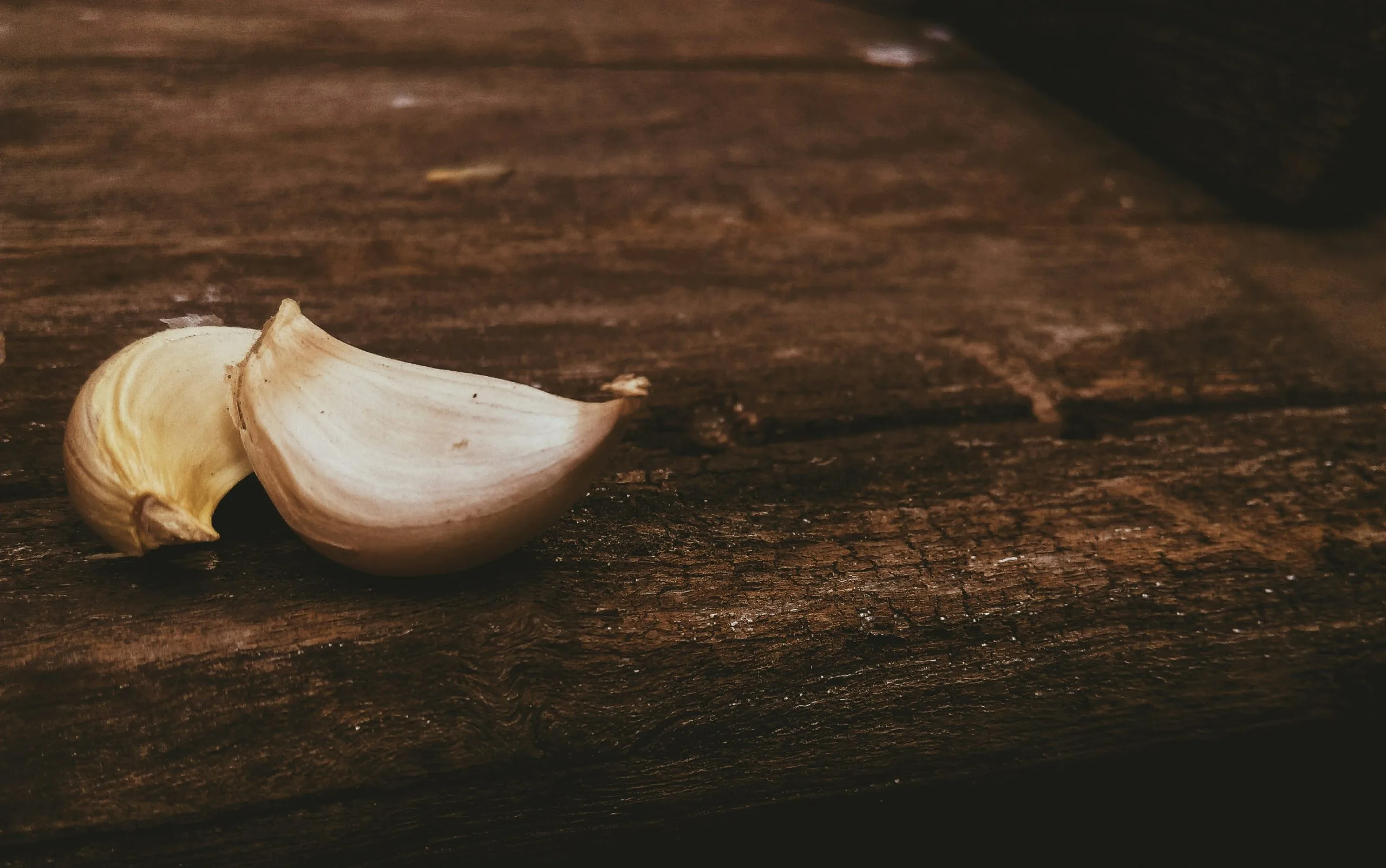
Garlic is another smell robins dislike. Crush a few cloves, mix with water, and let it sit for a few hours. Strain it, then spray it around the spots robins perch or linger. Keep it near the nesting areas you want to protect, but never spray an active nest.
Vinegar and Water Mixture
The sharp smell of vinegar repels robins too. Mix equal parts vinegar and water and spray it on hard surfaces and ledges where robins perch. Keep vinegar off leaves and stems, since it can scorch plants.
How to Apply Homemade Robin Repellent
A homemade robin repellent only works if you apply it well and keep it fresh.
Shake the bottle before each use so the ingredients stay mixed. Apply it to surfaces and the areas around robin activity, not to the birds or their nests. Reapply every three to five days, and again after rain, because the scent fades as it dries.
Target the spots robins actually use: eaves, fences, ledges, low branches, and garden beds. If robins are nesting nearby, spray around the area but leave the active nest alone. Disturbing it can violate wildlife law.
When Spray Is Not Enough
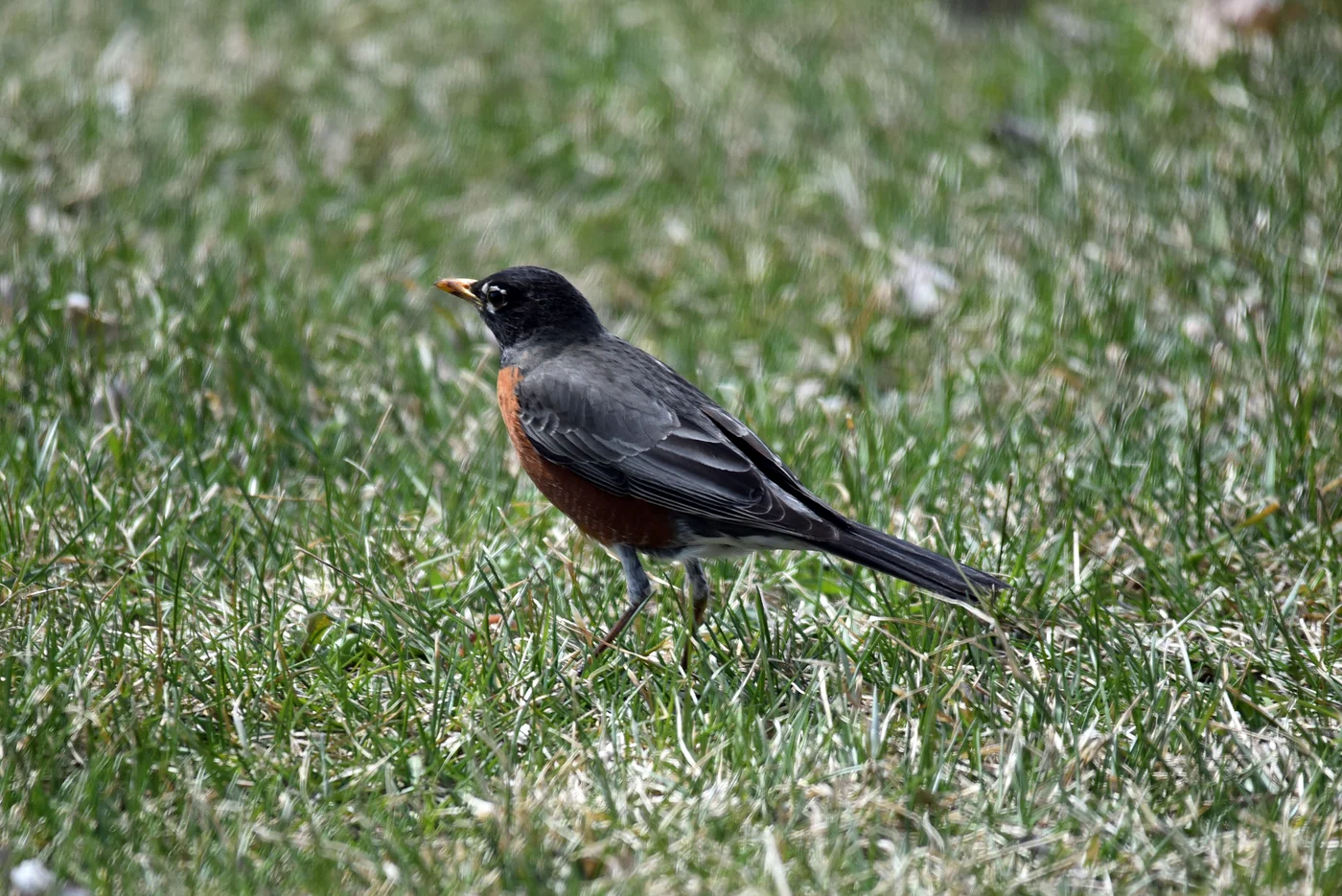
Scent repellents are a great first step, but a determined robin may push through them, and they need constant reapplication. Two things make them far more effective.
First, add a physical barrier on the spots that matter. Bird netting over fruit and berries, or bird spikes on a favorite railing, blocks robins where a spray only discourages them. There are more barrier and decoy options for when the sprays are not enough.
Second, cut off what draws robins in. Rake up fallen fruit, cover bare soil with mulch, and keep the garden tidy so there are fewer worms and berries on offer. If birds are working your whole vegetable patch, how to keep birds out of the garden covers the full protection plan. A homemade robin repellent works best as one layer in that mix, alongside the broader natural bird repellent approach.
Frequently Asked Questions
What is the best homemade robin repellent?
A chili pepper spray is the simplest and most effective. Mix crushed chili peppers or cayenne with water, let it steep, and spray it where robins land, feed, or perch. The capsaicin irritates robins but does not harm them, and it rinses off plants in the rain.
What smell do robins hate?
Robins dislike strong scents like peppermint, garlic, chili, and vinegar. Sprays made from any of these work as a homemade robin repellent. Reapply every few days and after rain, since the scent fades.
Is homemade robin repellent safe for my garden and pets?
Yes, when used correctly. Peppermint, garlic, and chili sprays are non toxic to pets and people. Keep vinegar off leaves and stems, since it can scorch plants. Apply repellents to surfaces and around the area, never directly on the birds or an active nest.
Will a homemade repellent keep robins from nesting?
It helps, but scent alone rarely stops a determined robin. Pair the spray with physical barriers like netting or spikes on the spot they favor, and block the nest site before nesting season starts. Never disturb an active nest, as robins are protected by law.
How often do I reapply homemade robin repellent?
Every three to five days, and again after any rain. Scent-based repellents lose strength as they dry out or wash away, so consistent reapplication during spring and summer is what keeps robins moving on.
Images: American robin foraging by U.S. Fish and Wildlife Service, Midwest Region, public domain. Peppermint oil and garlic photos via Wikimedia Commons.
.jpg)
Free: The 5-Step Bird-Proofing Checklist
Work through the right steps in the right order, before spending money on the wrong deterrents. Printable PDF, straight to your inbox.
No spam. Unsubscribe any time.