How to Get Rid of Blue Jays (Without Scaring Other Birds)
Contents[hide]
To deter blue jays, switch to safflower seed. Jays avoid it, most songbirds eat it, so that one swap solves most of the problem. If they linger, add a caged feeder for smaller birds, pull the peanuts and sunflower, and hang reflective tape. The goal is not elimination, just getting the other birds a fair turn.
In this article, we’ll cover how to get rid of blue jays at feeders, how to protect smaller birds they bully, and what you can and cannot do legally.
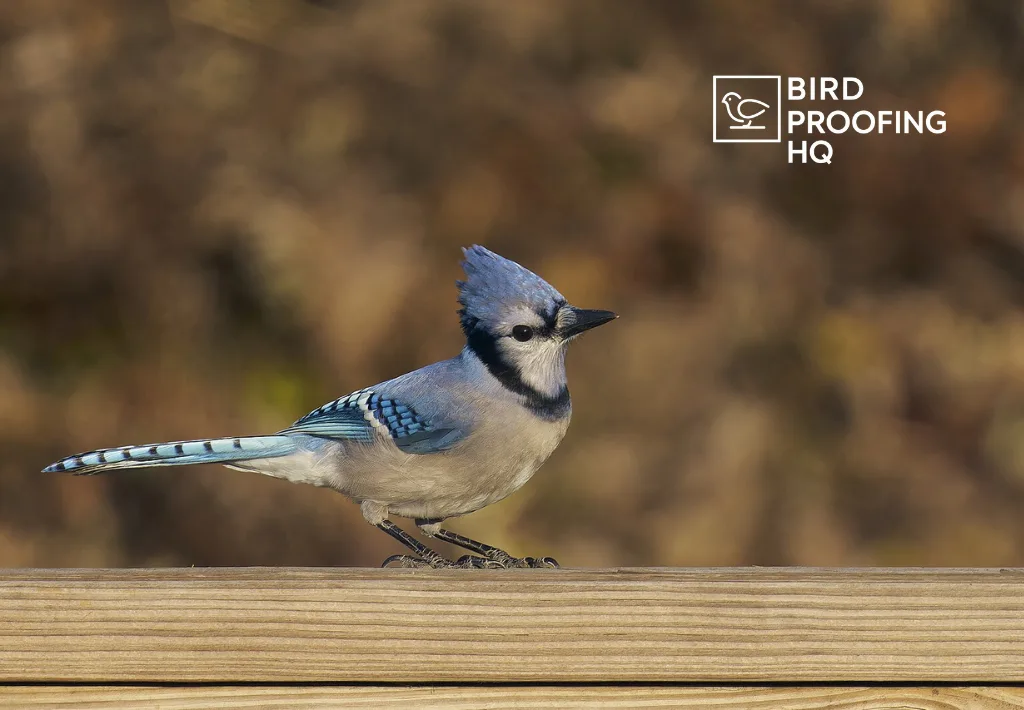
Why Are Blue Jays Taking Over Your Yard?
Blue jays are corvids, the same brainy family as crows and ravens, and it shows. Smart, social, and aggressive, they form small groups to protect food and territory and will chase off bigger birds, squirrels, and even dogs. They watch your bird feeders, learn which ones are easiest to access, and come back to the same yard at the same time every day.
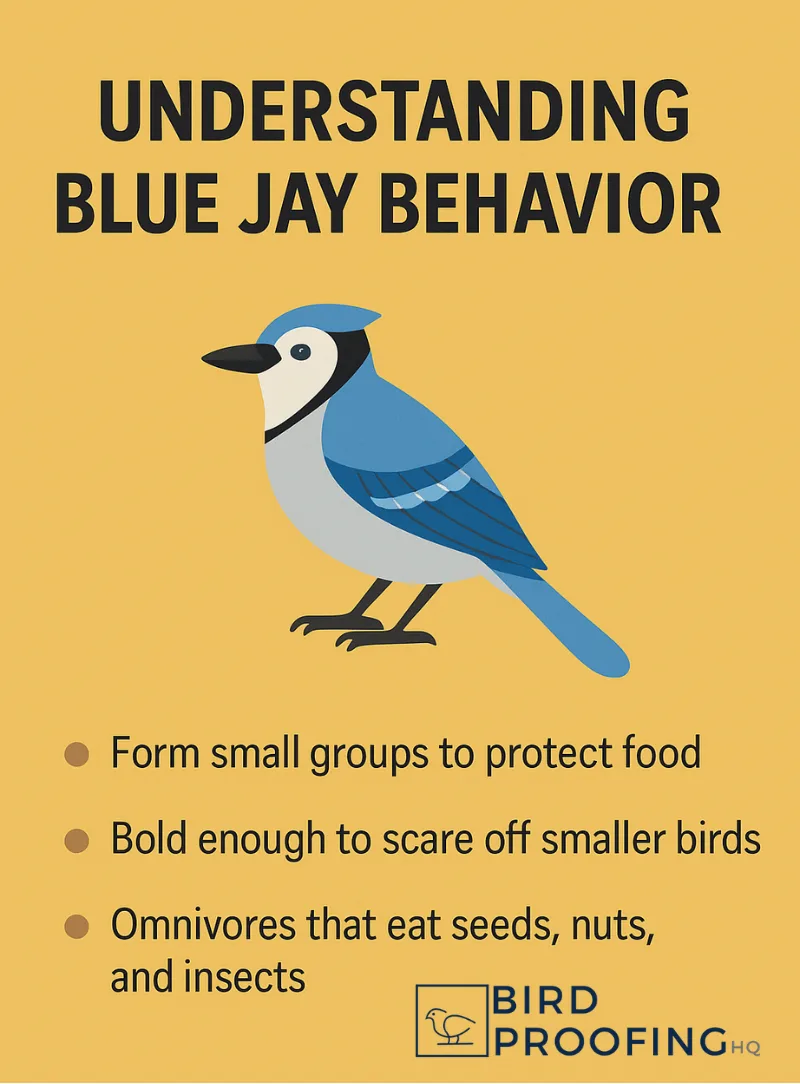
Blue jays are omnivores. Peanuts, corn, and black oil sunflower seeds are their favorites. But they also eat insects, berries, and the eggs and nestlings they raid from robins, doves, and other songbirds. If your bird feeders are stocked with these foods, and your yard has water and tall trees for cover, jays have no reason to leave.
The way you set up your bird feeders matters. Most birds prefer feeding spots spaced apart and placed at different heights. When everything is clustered together, large birds like blue jays dominate and the blue jay population at your house climbs fast. Spacing stations at least 10 feet apart gives smaller species room to eat without being chased.
Fun fact: blue jays can mimic hawk calls to clear other birds off so they can raid the tray in peace. They also bury acorns and nuts for later, and the ones they forget often grow into new oak trees. Around the world, people either love or hate them.
How to Keep Blue Jays Off Your Feeders
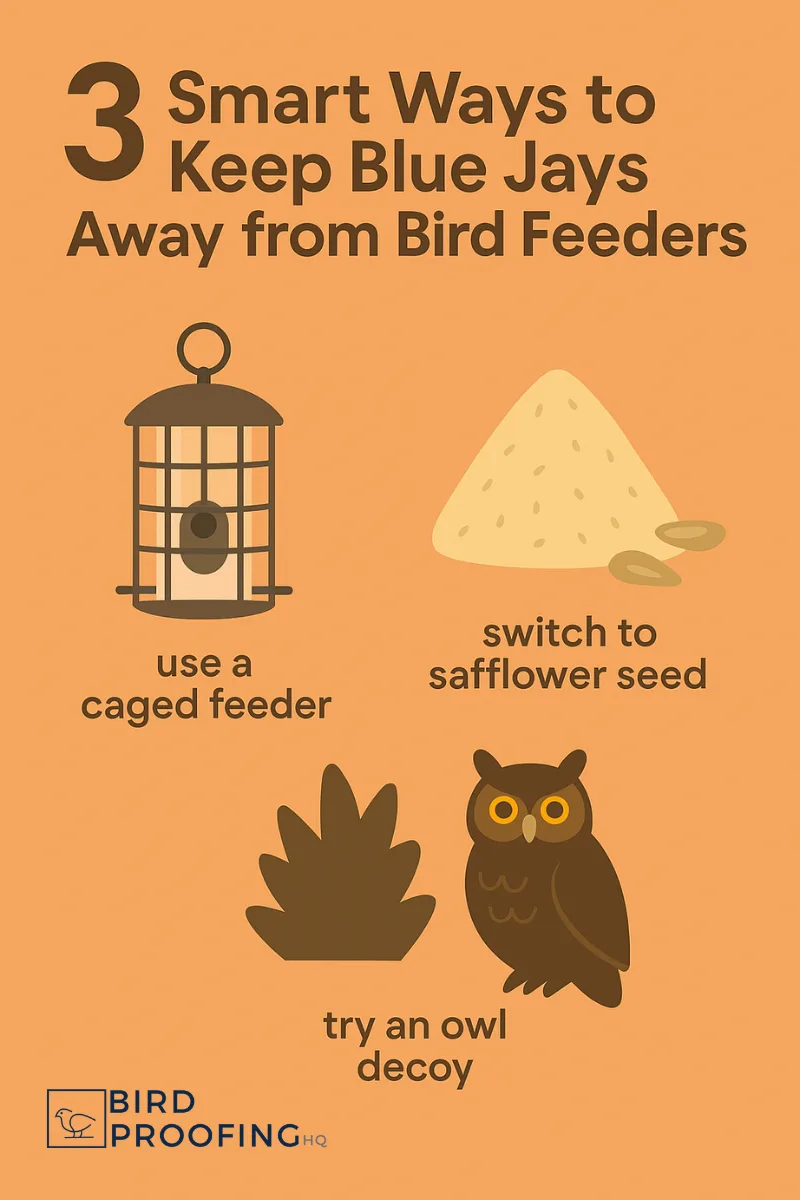
The fastest fix is changing what you feed. Safflower seed is the one food blue jays refuse to eat, but cardinals and finches love it. Swap out the black oil sunflower and peanuts for safflower, and you will see an immediate difference.
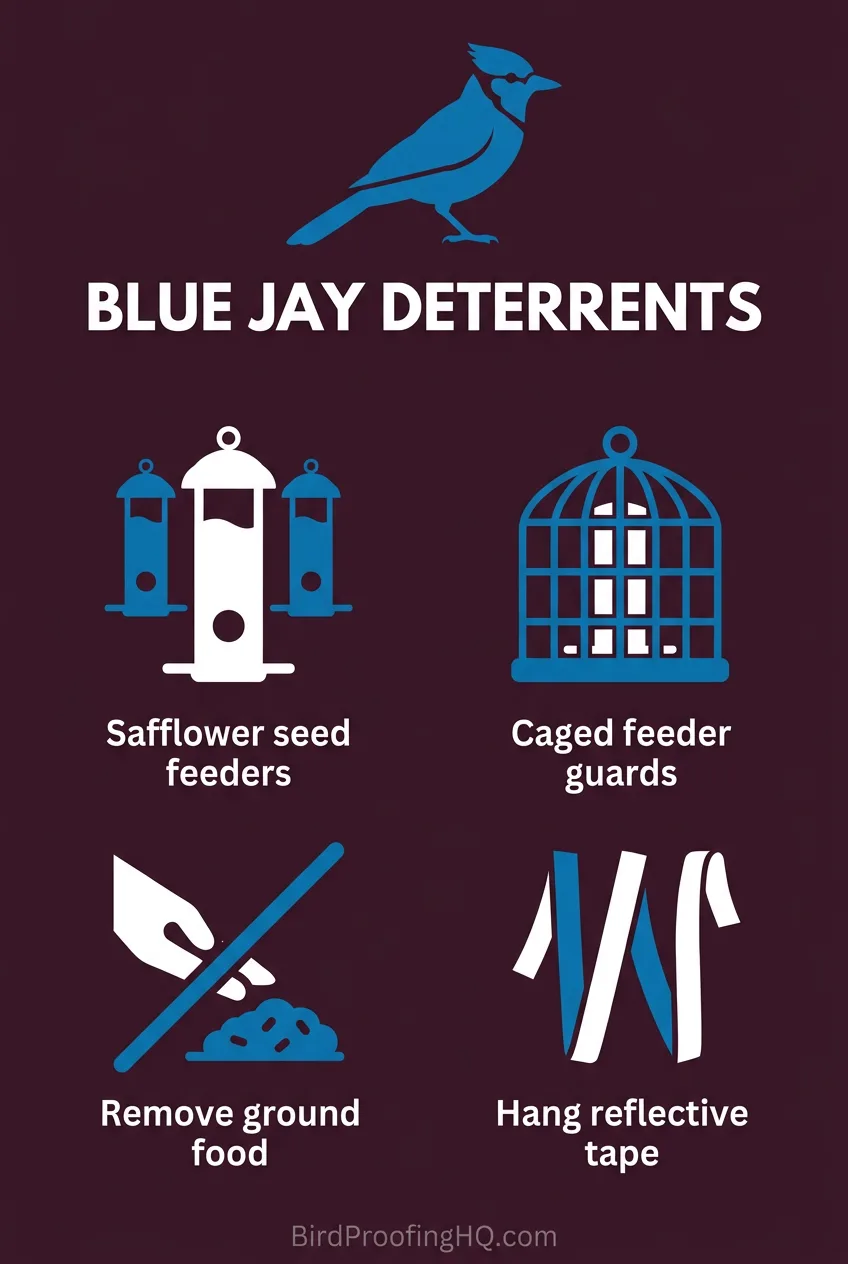
Next, upgrade your feeder design:
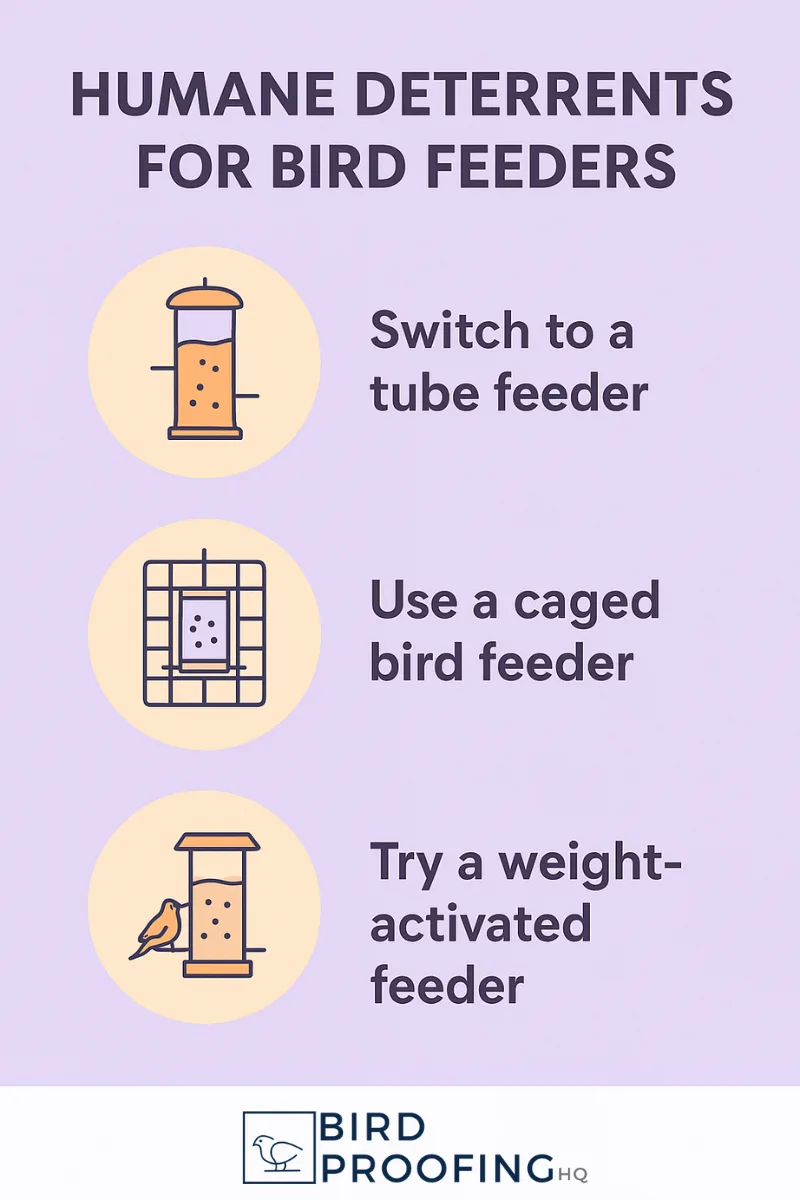
- Tube feeders with small perch openings let finches and chickadees feed while keeping large birds out. A tube feeder is the simplest starting point.
- Caged tube feeders have a wire mesh enclosure that only smaller birds can fit through. Blue jays, grackles, house sparrows, and gray squirrels are all blocked.
- Weight-activated feeders close the food ports when a heavy bird or squirrel lands on the perch. Jays weigh about 3 ounces, so the ports shut them right out.
Also watch for spilled seed on the ground. Blue jays, crows, and grackles will forage underneath all day, and crows in particular will clean you out. Sweep up the fallen scraps regularly, or fit a catcher tray below to stop them landing there.
Giving Blue Jays a Separate Feeder
Honestly, the easiest approach is giving jays their own dining spot. Set up a platform feeder far from your main station and fill it with peanuts in the shell, corn, and suet cakes. Blue jays will prefer the easy access and leave your other birds alone.
You can also offer suet (a dense fat cake sold near bird feeders) in a caged suet holder. Woodpeckers and nuthatches both visit it, and pretty soon jays learn the platform is their designated spot and leave the main feeders alone.
Most yards see the switch happen within one to two weeks, especially if you stop stocking the main feeders with peanuts and corn at the same time. Patience and consistency matter more than the specific setup.
Keep food fresh. Moldy food can harm all birds, not just jays. Clean your feeders every week or two and replace anything stale.
What Are Blue Jays Afraid Of?
If feed changes alone are not enough, add visual and sound deterrents to your backyard.
Hang strips of reflective tape, old CDs, or small mirrors near the feeders. The flashing light startles blue jays and makes them feel exposed. Move these objects every few days so the jays do not get used to them.
Predator decoys also work. A fake owl or hawk placed on a fence post near your feeders can scare jays away. Blue jays are naturally wary of predators like hawks, owls, and other raptors, so a realistic decoy catches their attention. Move it to a new spot every couple of days, because jays are smart enough to figure out that a decoy that never moves is not real.
Wind chimes add both sound and movement. The unexpected noise makes blue jays cautious about coming into the area. For a more high-tech option, ultrasonic devices emit sounds that birds dislike but humans cannot hear.
What Happens During Blue Jay Nesting Season?
Nesting season runs from late spring through early summer. During this time, jays become even more aggressive and territorial. Aggressive blue jays will swoop at people, dogs, pets, and any bird that lands too close to their nest.
Blue jays build nests in the forks of tree branches using twigs, grass, and scavenged material. Baby birds hatch after about 17 days, and young birds leave the nest roughly three weeks later. Parents are fiercely protective during this entire period.
Removing an active nest is illegal under the Migratory Bird Treaty Act. But you can take steps in fall or winter to prevent nesting in the same spot again. Block access to ledges, gutters, and window overhangs with netting or bird spikes. Pruning dense branches away from your house reduces nesting space near your home.
How Blue Jays Affect Other Nesting Birds
Blue jays eat eggs and raid active nests from robins, cardinals, doves, and smaller songbirds. This behavior peaks in spring and early summer when jays need extra protein to raise their young. It is the main reason smaller birds disappear from a yard once a jay pair moves in.
The fix is habitat, not deterrents. Dense shrubs and thick hedges give smaller birds sheltered nesting spots jays cannot easily access. Plant them away from your main feeding station. Cardinals in particular nest low in dense vegetation, and giving them cover keeps jays from finding the nest.
Caged feeders protect smaller birds at the food source. A caged tube feeder lets chickadees, cardinals, and house sparrows eat while physically blocking jays from landing on the same station.
If jays are already collecting nesting material for a spot near your house, act before the nest is built. Once eggs are present, you cannot legally disturb the nest. Block the location in late winter or early spring, before nesting season peaks.
Blue jays have white plumage markings on the wings and tail that make them easy to spot while scouting. You can often catch them evaluating a nesting site before they commit to it, which gives you a window to block the spot.
Why Blue Jays Are Worth Keeping Around
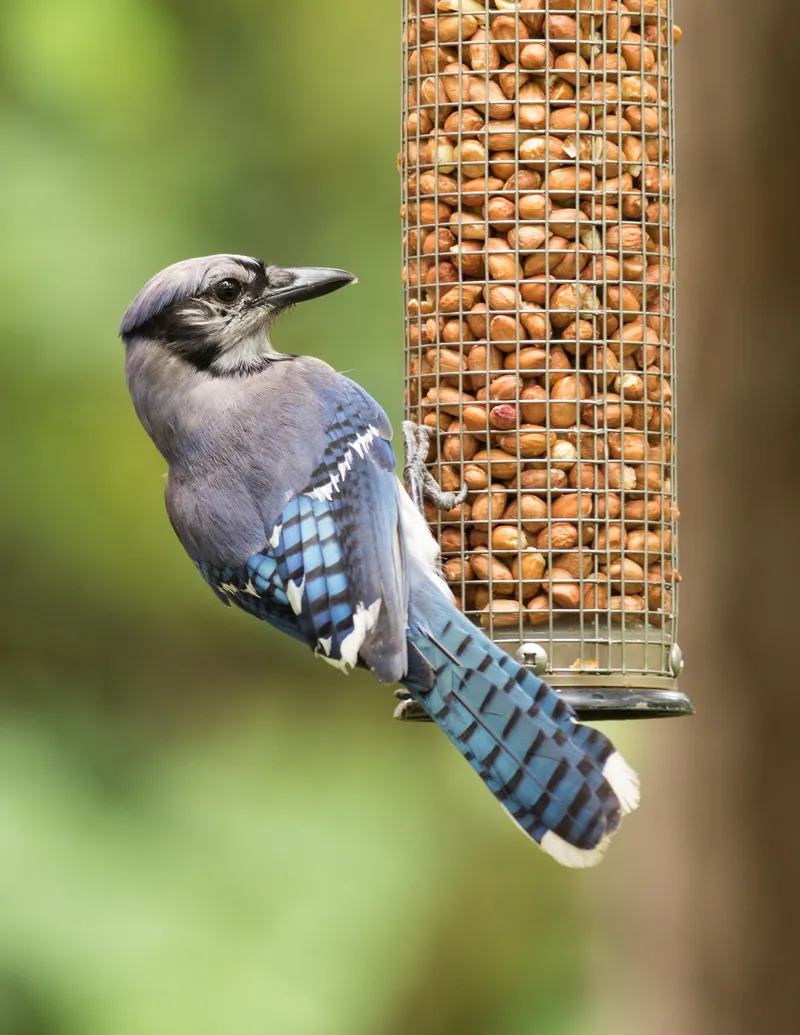
Blue jays are a nuisance at feeders, but they play a real role in the ecosystem. In nature, a single jay buries thousands of acorns and nuts every year, and the forgotten ones sprout into new trees. Experts credit blue jays with planting whole stands of oak woods and helping the species expand its range after the last Ice Age.
They are also natural pest controllers. Jays eat beetles, caterpillars, and other insects that damage gardens. Their alarm calls warn the whole yard when a hawk or cat is nearby, which smaller birds depend on more than most people realize. Blue jays (you will also see them spelled bluejays) earn their keep in nature, even when they are a headache at the feeder.
The goal is not to eliminate jays entirely. It is to stop attracting them to the wrong spots and redirect their behavior, so everybody gets a fair chance at the feeders.
How Do I Manage Blue Jays Through the Seasons?
- Spring: Nesting season starts. Block potential nesting spots early, before jays begin collecting nesting material. Avoid hanging anything too close to your window or porch where they might decide to build.
- Summer: Jays are most active, foraging insects and peanuts to feed their young. Use tube and caged feeders to protect smaller birds. This is when nest-raiding of other birds is at its worst.
- Fall: Jays shift into acorn-caching mode. In the front yard and back yard, they bury acorns by the hundreds and compete with squirrels for cache spots. A dedicated platform tray with corn or peanuts helps redirect them away from your main feeding station. Squirrels and blue jays raiding the same area tends to end badly for the feeder.
- Winter: Scarcity brings jays in daily. Stick with safflower in your main feeders. Suet cakes in a caged holder will attract woodpeckers while keeping jays out. Sunflower hearts are another good option for smaller birds in cold months, since the shells are already removed and only small species tend to eat them.
Images: Blue Jay at Goodwin Dock by Paul Danese, CC BY-SA 4.0; Blue jay on bird feeder by Frank Schulenburg, CC BY-SA 4.0. Via Wikimedia Commons.

_on_bird_feeder.jpg)
And if jays are not your only visitors, find the right guide for whatever else is in your yard.
Free: The 5-Step Bird-Proofing Checklist
Work through the right steps in the right order, before spending money on the wrong deterrents. Printable PDF, straight to your inbox.
No spam. Unsubscribe any time.