Crows: How to Identify and Deter Them
Contents[hide]
Crows are large, all-black birds that rank among the most intelligent animals in North America. They gather wherever food is easy, including trash, pet food, and gardens, and a flock can strip a crop or dominate a yard fast. They are protected by the Migratory Bird Treaty Act, so deterrence is the only legal route.
In this article, we’ll cover why crows are harder to deter than most birds, what actually works to move them, and what the law says about removing them.
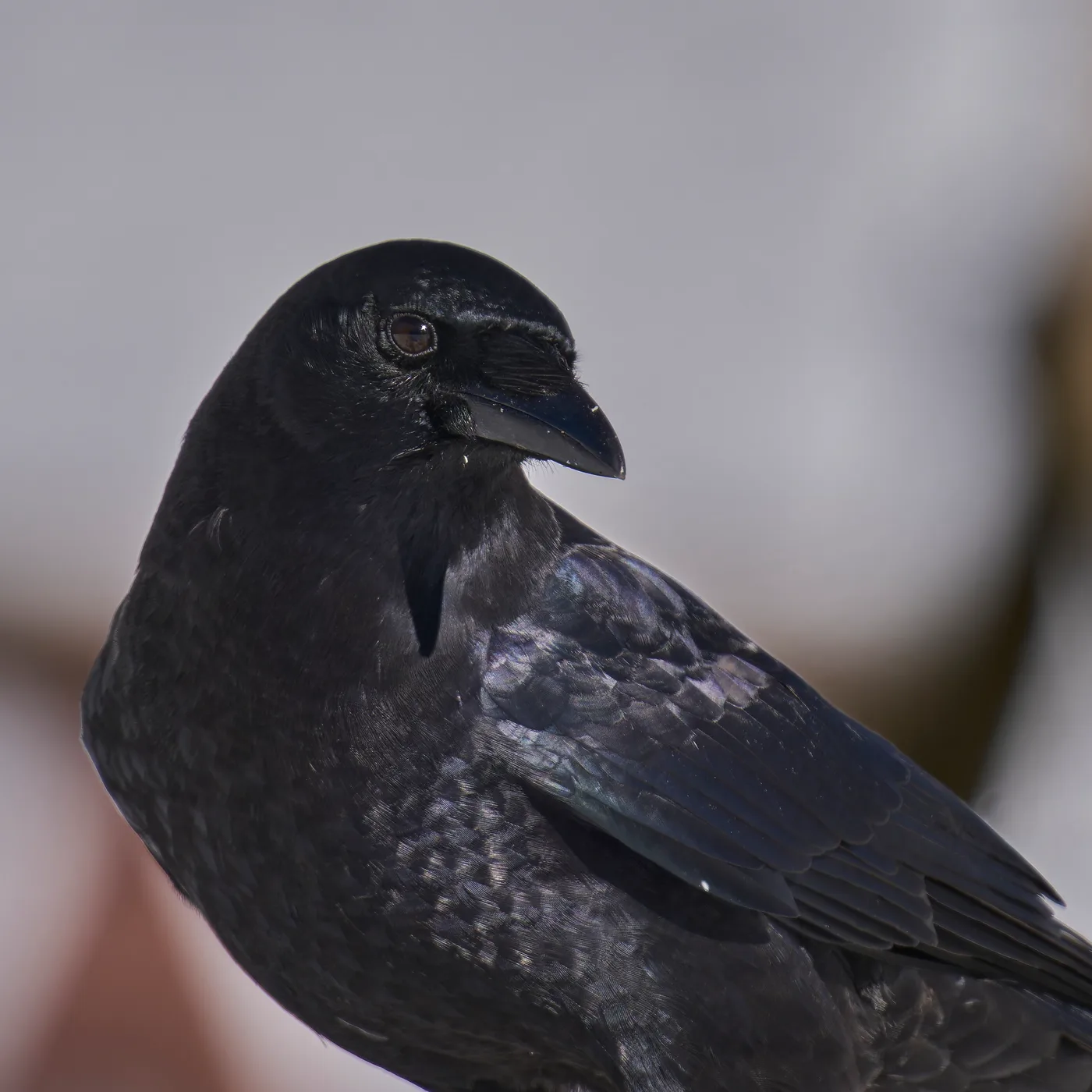
How to Tell a Crow From a Raven or Grackle
A crow is a stocky, all-black bird, roughly 17 to 21 inches from beak to tail. Up close, the black feathers show a faint purplish sheen. The bird in most US yards is the American crow, with its flat “caw caw” call. Near the southern coast you may instead get the smaller fish crow, which sounds different, a short nasal “uh-uh.”
People most often mix up crows with ravens. A raven is bigger, with a heavier beak, a shaggy throat, and a wedge-shaped tail, and it croaks instead of caws. A crow has a neat, fan-shaped tail. Both are corvids, the brainy bird family that also includes jays and magpies.
If a raven is the actual problem on your property, see how to get rid of ravens for what’s different about deterring them.
Grackles get mistaken for crows too, but they are smaller and slimmer, with a long keel-shaped tail and a bright yellow eye.
What Crows Want From Your Property
Crows are drawn to anywhere food is easy. The usual magnets are open garbage cans, pet bowls left outside, fallen fruit and nuts, unsecured compost, and ripening crops like corn. A feeder packed with cheap seed pulls them in too. They also need a safe lookout, so tall trees over an open lawn make a yard more inviting.
Crow Behavior That Makes Them Hard to Deter
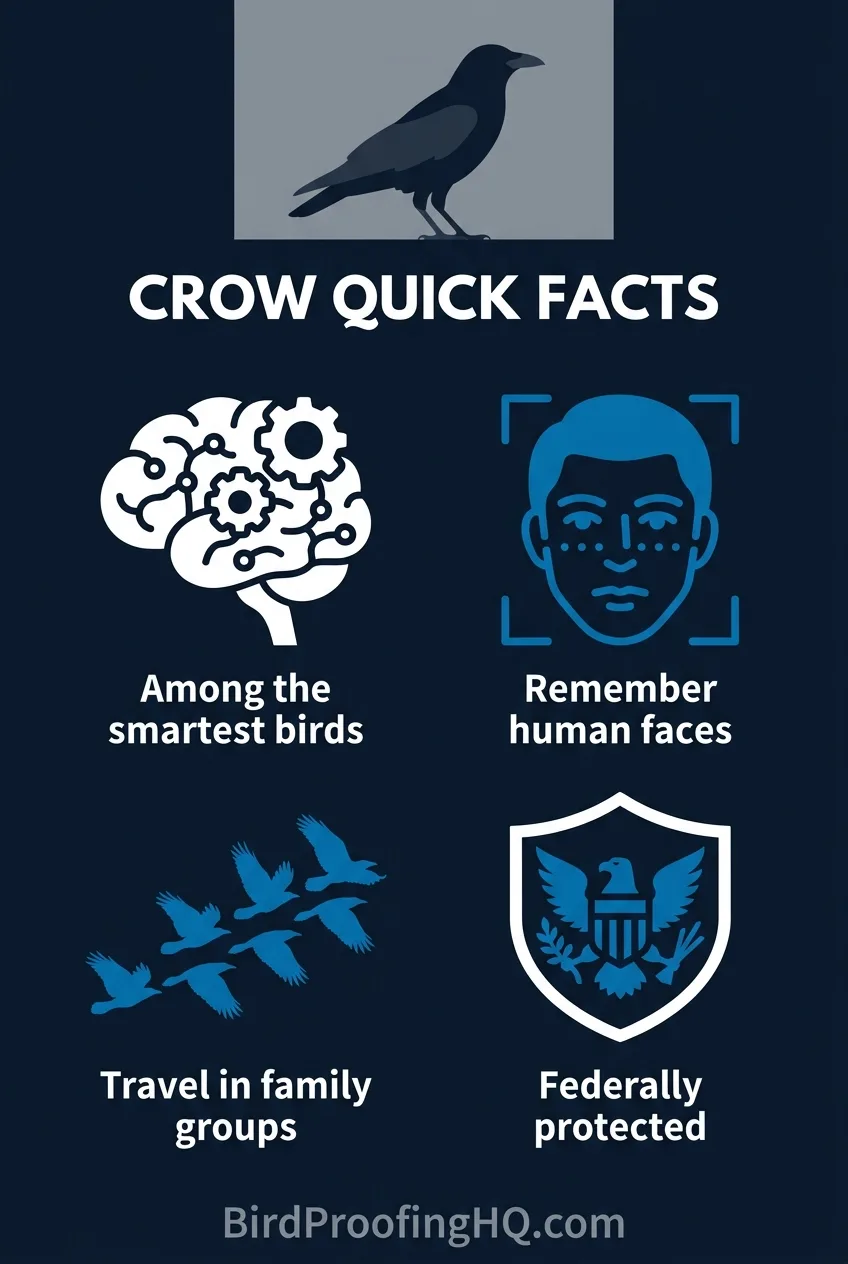
This is where crows differ from most yard birds. Crows recognize individual human faces and remember them. While the group feeds, one bird often acts as a lookout. A still decoy or a one-off bang stops working within days, and large roosts can turn a few crows into a crowd.
The Cornell Lab of Ornithology has documented their tool use and problem-solving. That is exactly why variety beats any single gadget when you try to move them on.
What Crows Eat
Crows eat almost anything, which is the whole reason they end up in your yard. They are true omnivores. In the wild they take insects, grubs, worms, small mammals like mice, carrion off the road, and even the eggs and chicks of other birds.
Around people they add the easy stuff: spilled feeder seed, fruit and nuts off the tree, pet food, compost, and torn-open garbage bags. A crow that finds a reliable meal brings the whole family back to it.
How Crows Nest and Raise Young
Crows pair for life and nest high in a tall tree in early spring. The female lays four to six eggs, and the young fledge about five weeks after hatching. Crows are one of the few birds that breed cooperatively, so the young from last year often stay on to help feed the new brood.
Outside the breeding season they gather in huge communal roosts, sometimes thousands of birds, then break back into family groups by day. That family teamwork is what makes a crow problem stubborn once it takes hold.
Are Crows Protected?
Yes. In the United States crows are protected under the federal Migratory Bird Treaty Act, though some states allow regulated hunting seasons. So the right approach is always humane: deter them, never harm them, and leave any active nest alone.
How to Keep Crows Away
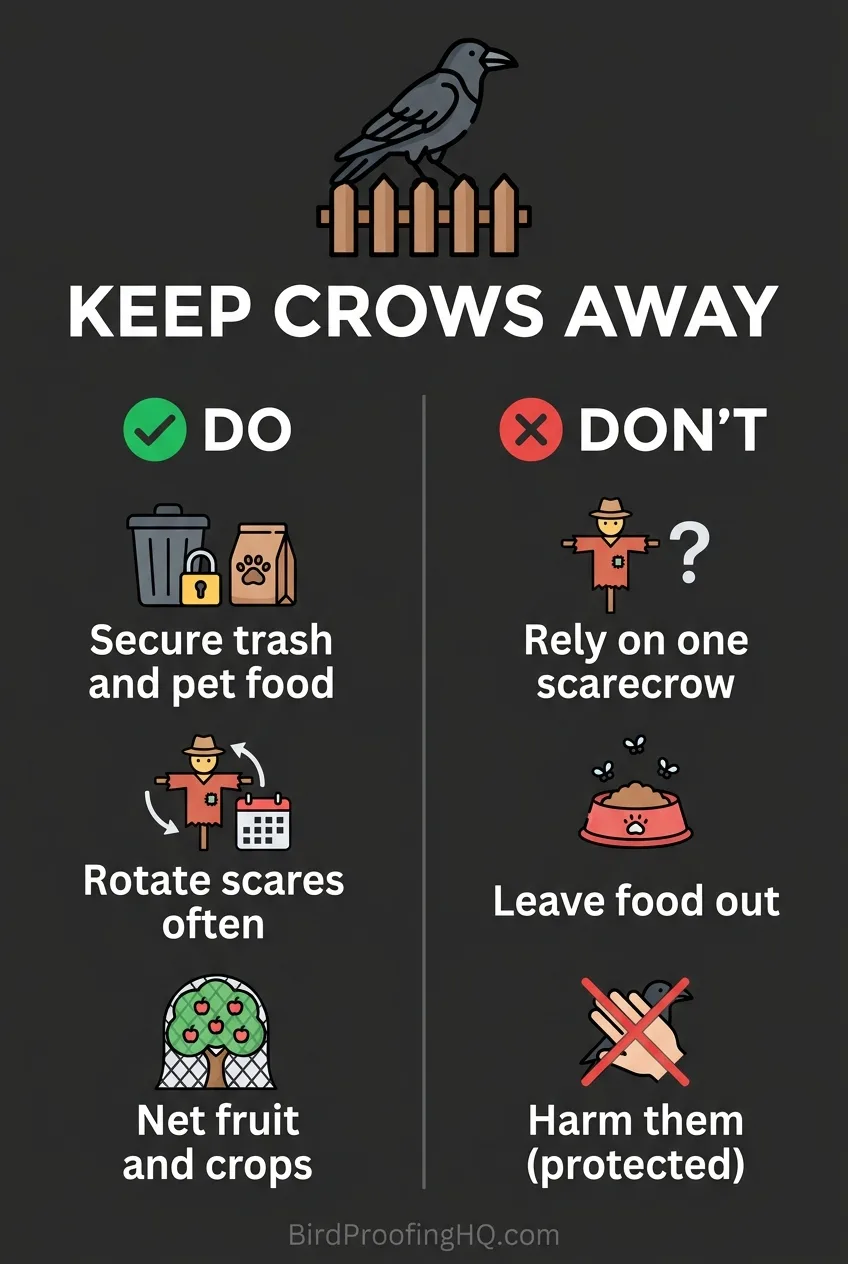
The plan is simple even if the bird is clever. Take away the food first. Then back it up with deterrents you rotate so they never feel settled.
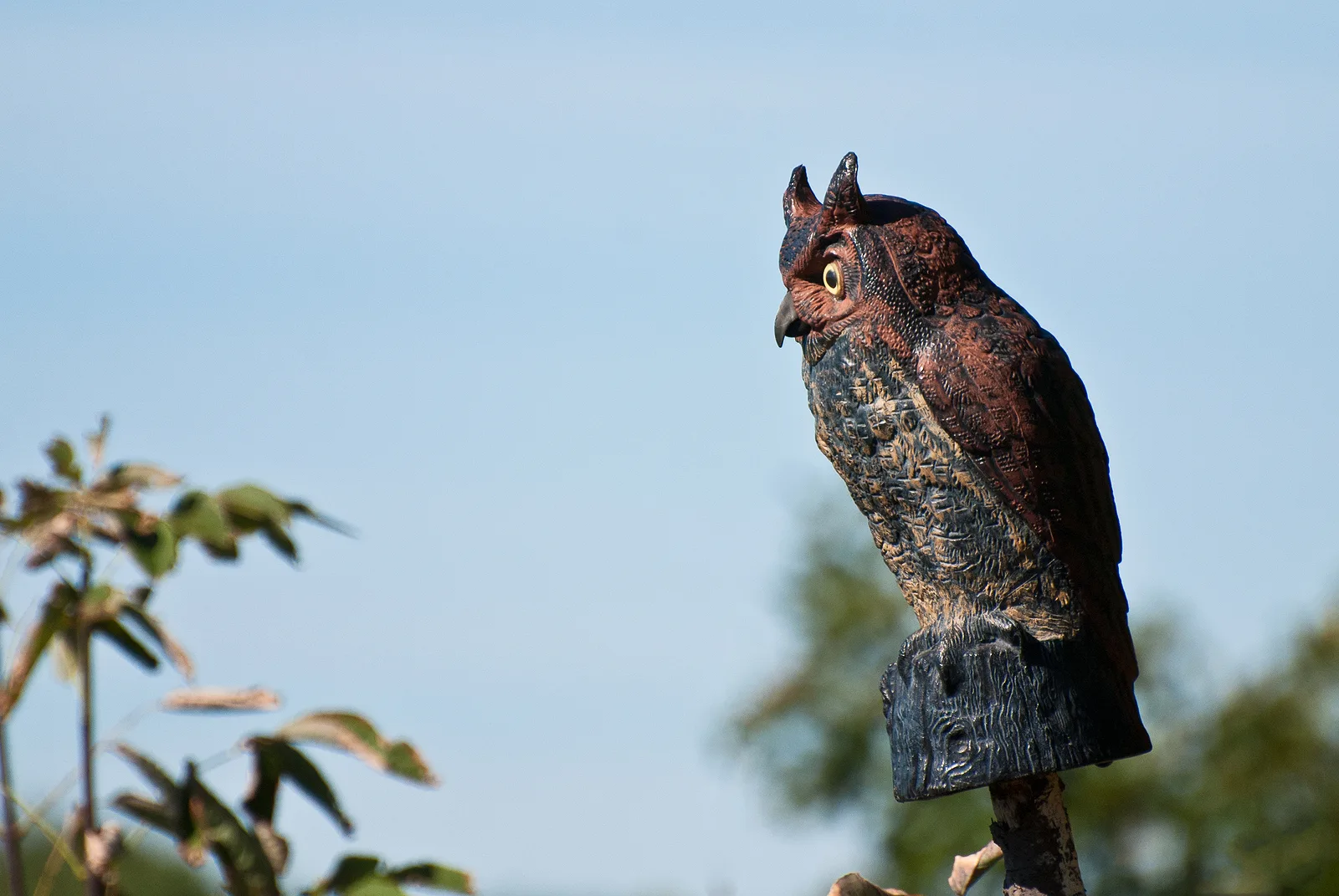
Reflective and moving scares help, and crows react to their own alarm calls, so the right deterrent sounds can break up a roost. The plastic owl on a post is the classic letdown, since a crow clocks that it never moves within a day or two.
When you are ready, work through the deterrents one by one so they never settle.
Images: American crow by Paul Danese, CC BY-SA 4.0. Via Wikimedia Commons.

Free: The 5-Step Bird-Proofing Checklist
Work through the right steps in the right order, before spending money on the wrong deterrents. Printable PDF, straight to your inbox.
No spam. Unsubscribe any time.