In this guide6 sections
Quick Answer
Scarecrows scare crows only for a short time, because crows learn a still figure is harmless. A scarecrow works longer if it moves, gets moved often, and goes up before crows find the crop.
In this article, you'll learn whether a scarecrow is worth putting up. We'll cover why crows stop fearing it, how to make it last, and when to use netting.
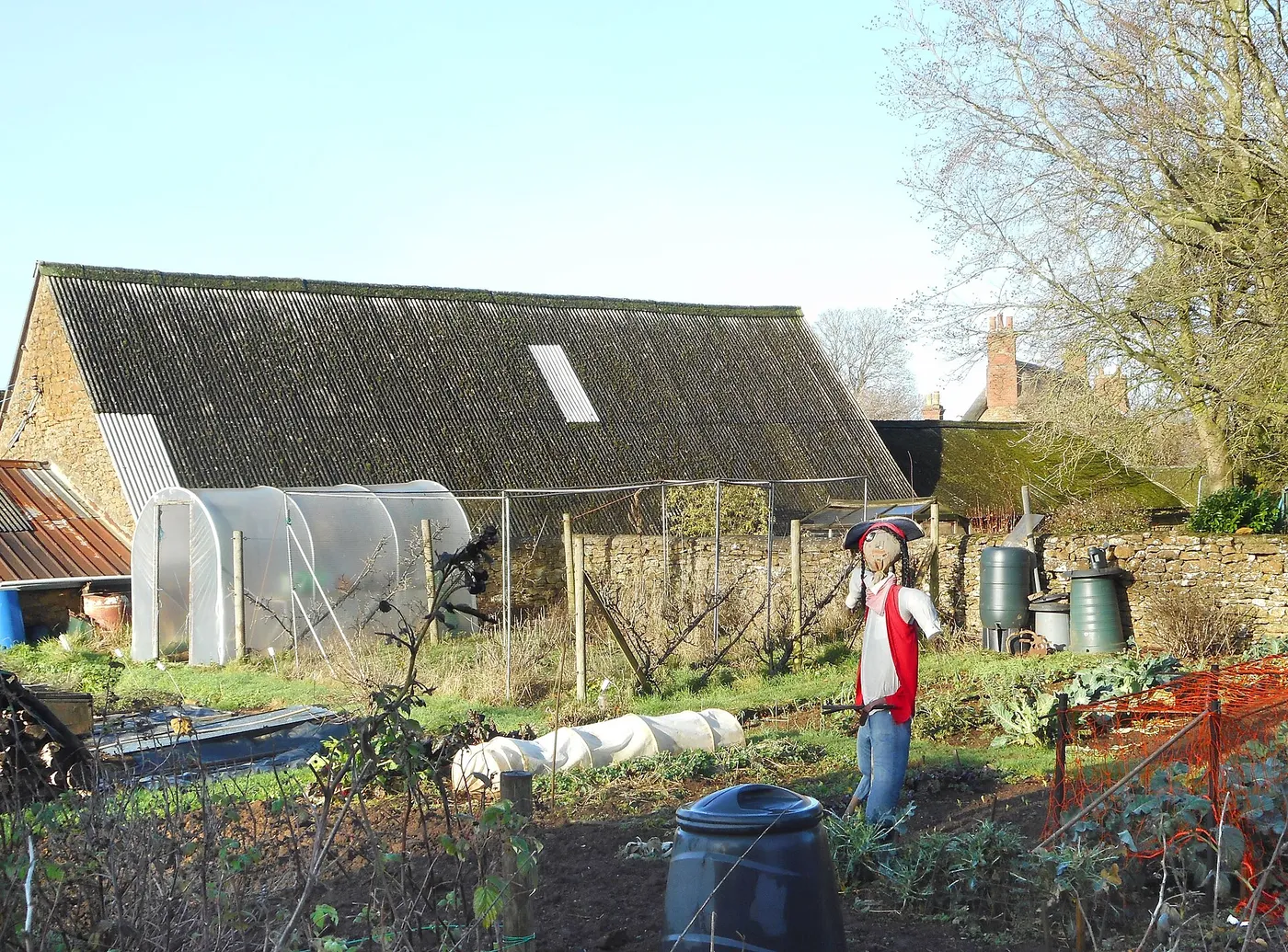
A new scarecrow can frighten crows out of a garden or small field. The catch is how long that lasts. If you’re deciding between building one this weekend and buying something else, a scarecrow is worth putting up as a first layer, but it shouldn’t be the only protection.
Why Crows Stop Fearing a Scarecrow
Birds are intelligent, and they may habituate to visual deterrents after repeated exposure. Habituation just means a bird gets used to something that never hurts it. A scarecrow that stands in the same pose all week, through feeding time and rain and your own trips to the garden, turns into part of the scenery.
Some birds always get used to a scarecrow, so its effect fades. How fast depends on your site and the species, which is why Washington’s wildlife agency calls it temporary protection.
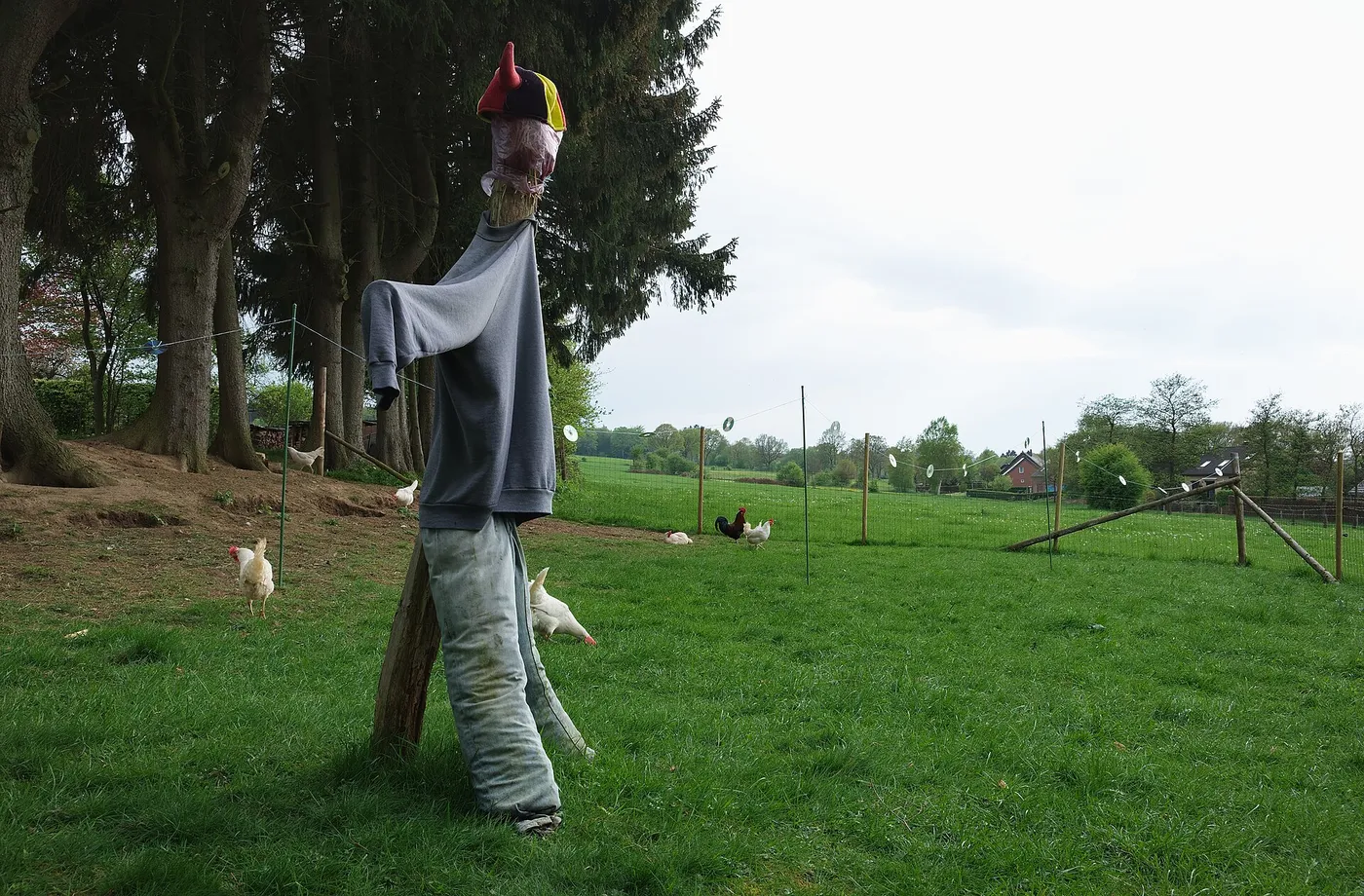
The chickens in that photo show what habituation looks like: the figure is just part of the field. Animals that see a still figure every day tend to stop noticing it. There’s no reliable number of days before crows reach that point. You’ll know it has stopped working when crows land nearby or feed in its view.
How to Make a Scarecrow Work Longer
You can’t stop habituation, but you can slow it down with a few changes that work together.
- Make it look real. The best results come from models that are the most lifelike and have motion. A stuffed sack with a hat is a weaker threat than a figure in a loose jacket with arms and a head that look like a person standing guard.
- Give it motion. Animated models are often more effective than immobile ones. Loose sleeves, a flapping coat, or arms that swing in the wind all help.
- Put it up early. It’s best to act before crows become habituated to a location. For sweet corn, scare techniques need to start before the birds find the field, roughly 7 to 10 days before harvest. That advice comes from sweet corn research on blackbirds and starlings, not crows. For seedlings, that means before crows find the rows, ideally at planting.
- Move it and change it. Aim to vary the location, intensity, and types of devices. There’s no set schedule, so don’t count days. Move it often and whenever crows start returning. A change of clothes is an easy way to vary how it looks. It also helps to rotate visual deterrents over time.
- Add sound. Pairing a model with loud startling sounds or recorded distress calls generally enhances effectiveness. Crows expect to see a predator when they hear distress or alarm calls, so the call makes the scarecrow more believable. Skip ultrasonic gadgets, though, because ultrasonic sounds are not effective on crows.
This setup stretches a scarecrow’s useful life, but it doesn’t make it permanent. If crows are an ongoing problem on your property, the bigger crow deterrent plan covers the other tools and the legal limits.
Scarecrows Versus Moving Scare Devices
A scarecrow is one of several visual scares. Pie tins, Mylar tape, Mylar balloons, scarecrows, and flags can all provide temporary protection.
Moving devices are harder to ignore. Inflatable tube air dancers improve on the scarecrow with active motion and noise. Cornell’s sweet corn trials show what moving devices can do. Pooled over three years, scare-eye balloons cut bird damage by 63% and an air dancer by 77% compared with untreated plots.
Those numbers come with a big caveat. The birds in those trials were mostly blackbirds, starlings, grackles, and cowbirds, not crows. Read them as a sign that moving scare devices can cut damage, not as a measure of how they’d do against crows.
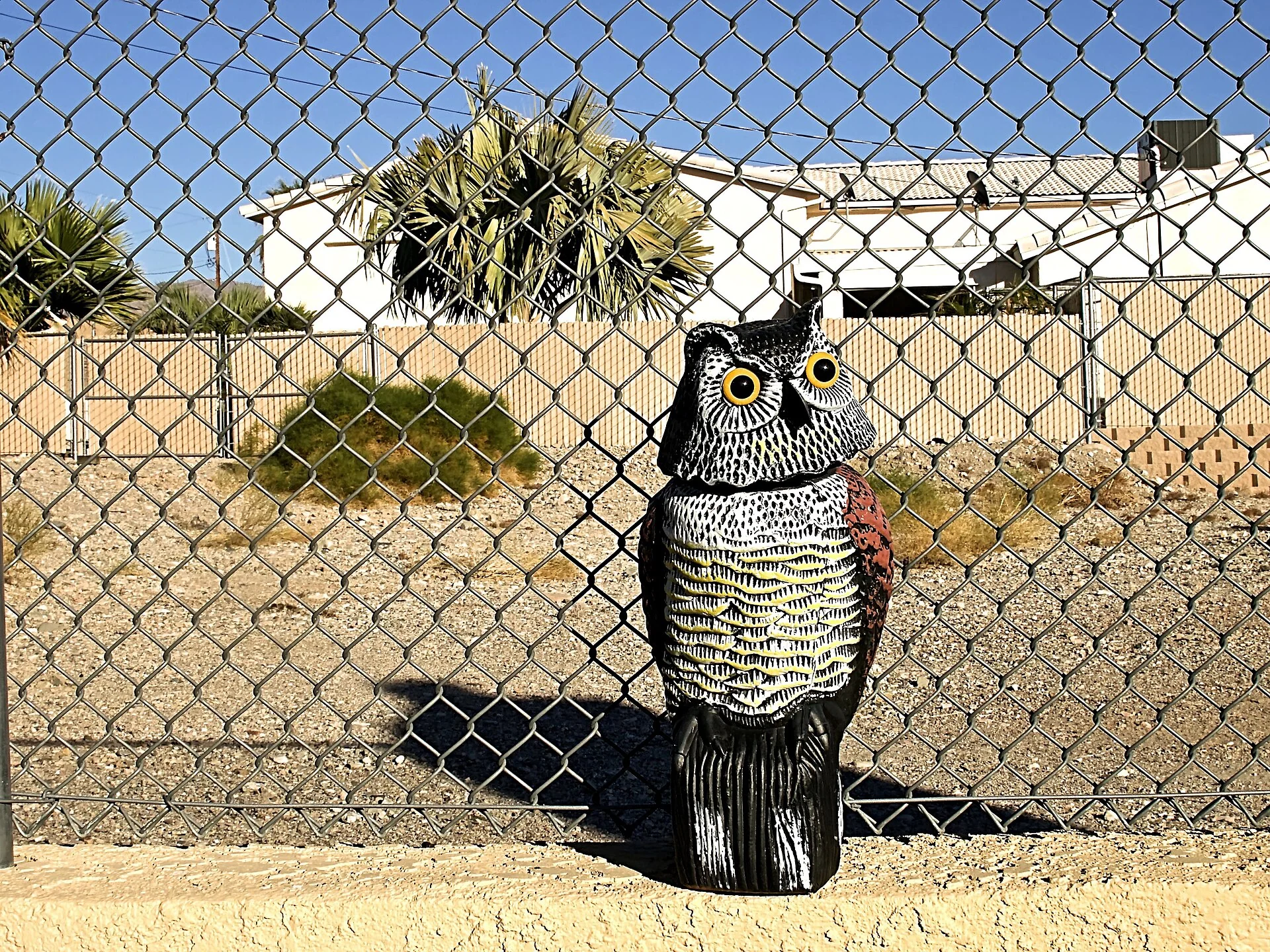
A plastic owl is a visual scare too, and fake owls run into the same problem. Flash tape adds movement and glare, but like the other visual scares it only gives temporary protection. For a surprise that involves the body as well as the eyes, a motion-sensor sprinkler appears effective by combining physical sensation with a startling stimulus.
When to Skip the Scarecrow and Cover the Crop
Some plantings are too important to leave to a figure in a hat. Seedlings are the clearest case. Washington’s wildlife agency recommends netting for germinating corn and other crops until plants are about 8 inches tall. Crow-damage specialists also suggest nylon or plastic nets for high-value fruit or vegetable crops and small areas.
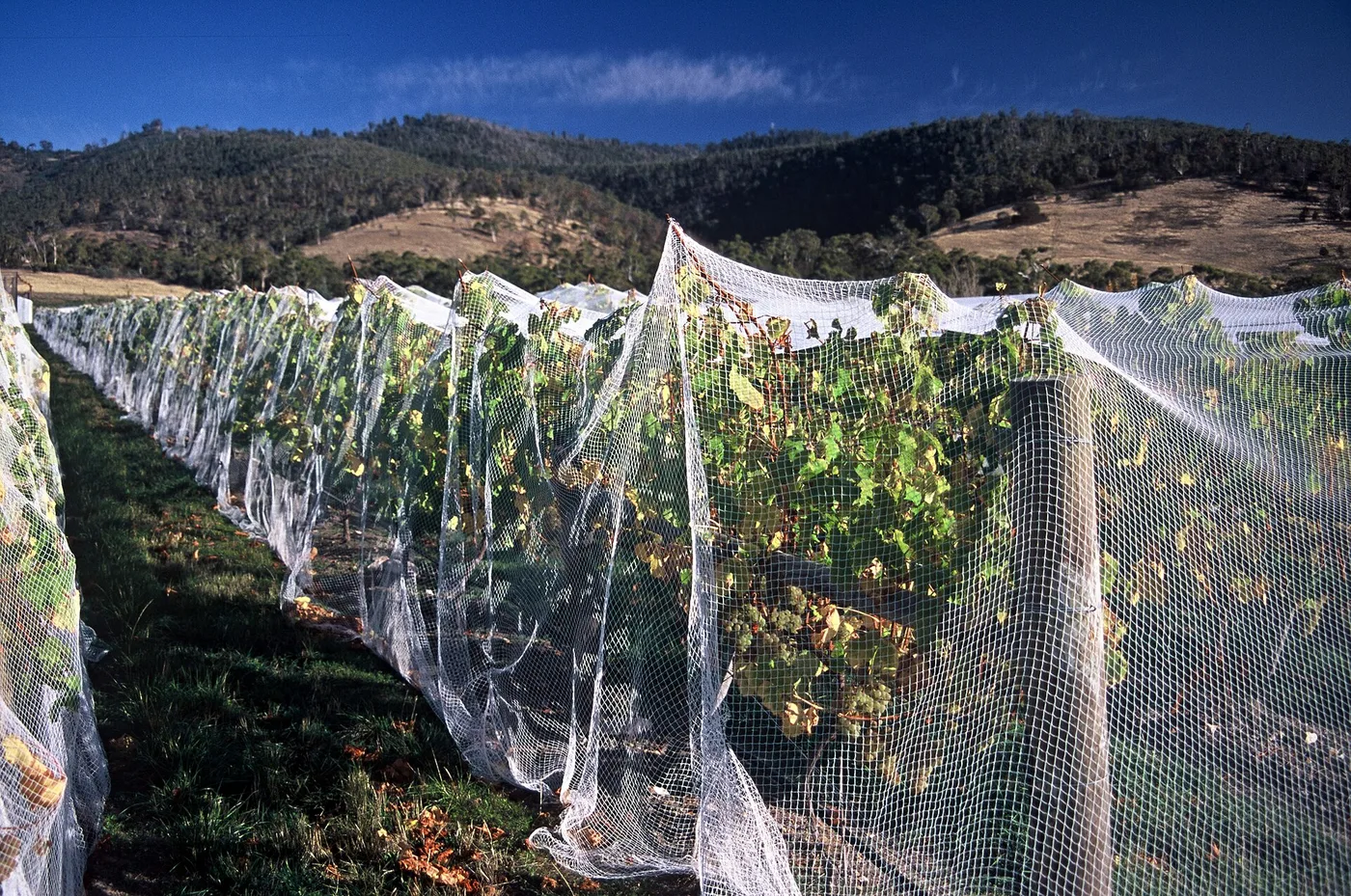
Netting works because it doesn’t depend on the crow staying nervous. It keeps protecting berry bushes, young corn, or a raised bed after the birds have stopped fearing every scare device in the yard. For mesh size and how to support it, see choosing and hanging bird netting.
Netting needs care to be safe for wildlife. The RSPB says problems arise when netting is badly installed or poorly maintained, and birds can get tangled or trapped in loose or damaged netting. So keep it taut and secure the edges. Check it regularly for looseness, damage, gaps and trapped wildlife, and fix problems right away.
Is a Scarecrow Worth Putting Up?
For a small garden, yes, as a cheap first layer. It costs little, it can frighten crows when it’s new, and the steps above give it a fair chance. Put it up before crows find the crop, make it move, change it often, and add a sound if you can.
For anything you can’t afford to lose, no. If crows are pulling up your corn seedlings or working through the berries, don’t wait for the scarecrow to fail. Cover the crop, and keep the scarecrow as backup. When the problem is wider than one bed, the broader garden bird control options help you plan the whole space.
Images: Scarecrow in the vegetable garden by Des Blenkinsopp, CC BY-SA 2.0; Scarecrow in a chicken field by Trougnouf (Benoit Brummer), CC BY 4.0; Bird netting protecting grapevines by Mark Smith, CC BY 2.0. Via Wikimedia Commons. Photos were resized and converted to WebP; no other edits were made.
Frequently Asked Questions
Do scarecrows scare crows?
Scarecrows scare crows only for a short time. A new figure can frighten crows away from a garden or small field, but crows learn that a still figure is harmless. A scarecrow lasts longer if it moves, gets moved often, and goes up before crows find the crop.
How long does a scarecrow keep crows away?
There's no reliable number of days. Some birds always get used to it, so the effect fades with time, and how fast depends on the site and the birds. Watch your crows. When they land near the scarecrow or feed in its view, it has stopped working.
How often should I move a scarecrow?
Move it often, and right away when crows start returning or feeding near it. There's no proven schedule. Changing its location and varying the other scare devices around it helps slow habituation.
Do scarecrows scare other birds?
Sometimes, but the results depend on the site and the species, and the effect fades over time. A scarecrow is a visual deterrent, and birds may habituate to visual deterrents after repeated exposure, so it works best combined with other tactics.
What works better than a scarecrow for crows?
Netting works better, because it keeps working after crows stop being afraid. Washington's wildlife agency recommends netting germinating corn until plants are about 8 inches tall, and crow-damage specialists say nets can be useful for high-value fruit or vegetable crops and small areas. Moving or noisy scare devices can add protection for a while.
Free printable PDF
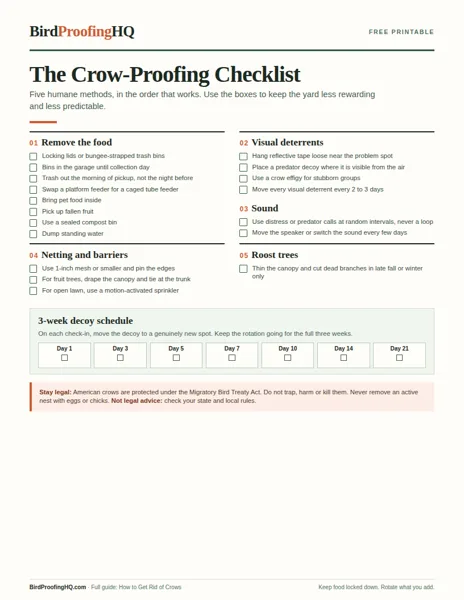
The Crow-Proofing Checklist
Five humane methods in the order that works, plus a 3-week decoy-moving schedule you can tick off.
Free download right after you sign up. No spam. Unsubscribe any time.