How to Get Rid of Ravens Legally (Protect Livestock Too)
Contents[hide]
- 1. How to Tell a Raven From a Crow
- 2. Why Are Ravens Coming to My Property?
- 3. Do Ravens Kill Livestock?
- 4. Why Do Ravens Nest on Power Poles and Cell Towers?
- 5. What If a Raven Nest Is Already Active?
- 6. Do Decoys and Scare Tactics Work on Ravens?
- 7. Do Sound Deterrents Work on Ravens?
- 8. How to Get Rid of Ravens
- 9. How to Raven-Proof Compost, Feed, and Carcasses
- 10. How Long Does It Take for Deterrents to Work?
- 11. When Should I Call a Professional?
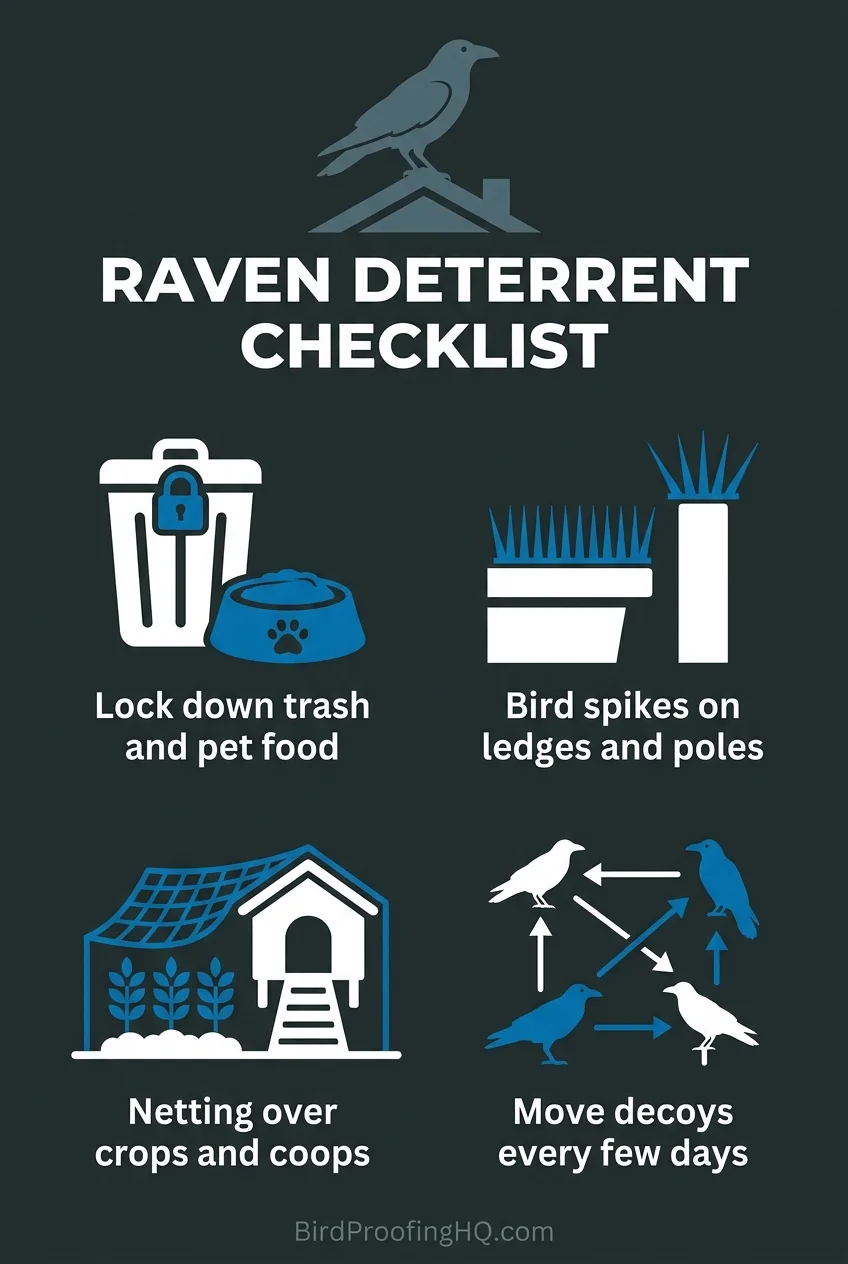
To get rid of ravens, cut off what draws them in first: lock down trash, pet food, and any roadkill or livestock afterbirth. Add bird spikes to ledges and poles, net crops and coops, and move a decoy every few days since ravens are smart enough to learn a fake predator fast. Killing or trapping one requires a federal permit.
In this article, you'll learn how to manage ravens legally while protecting livestock. We'll cover raven identification, livestock protection, and legal deterrents.
How to Tell a Raven From a Crow
Ravens and crows get mixed up a lot. A few details settle it fast.
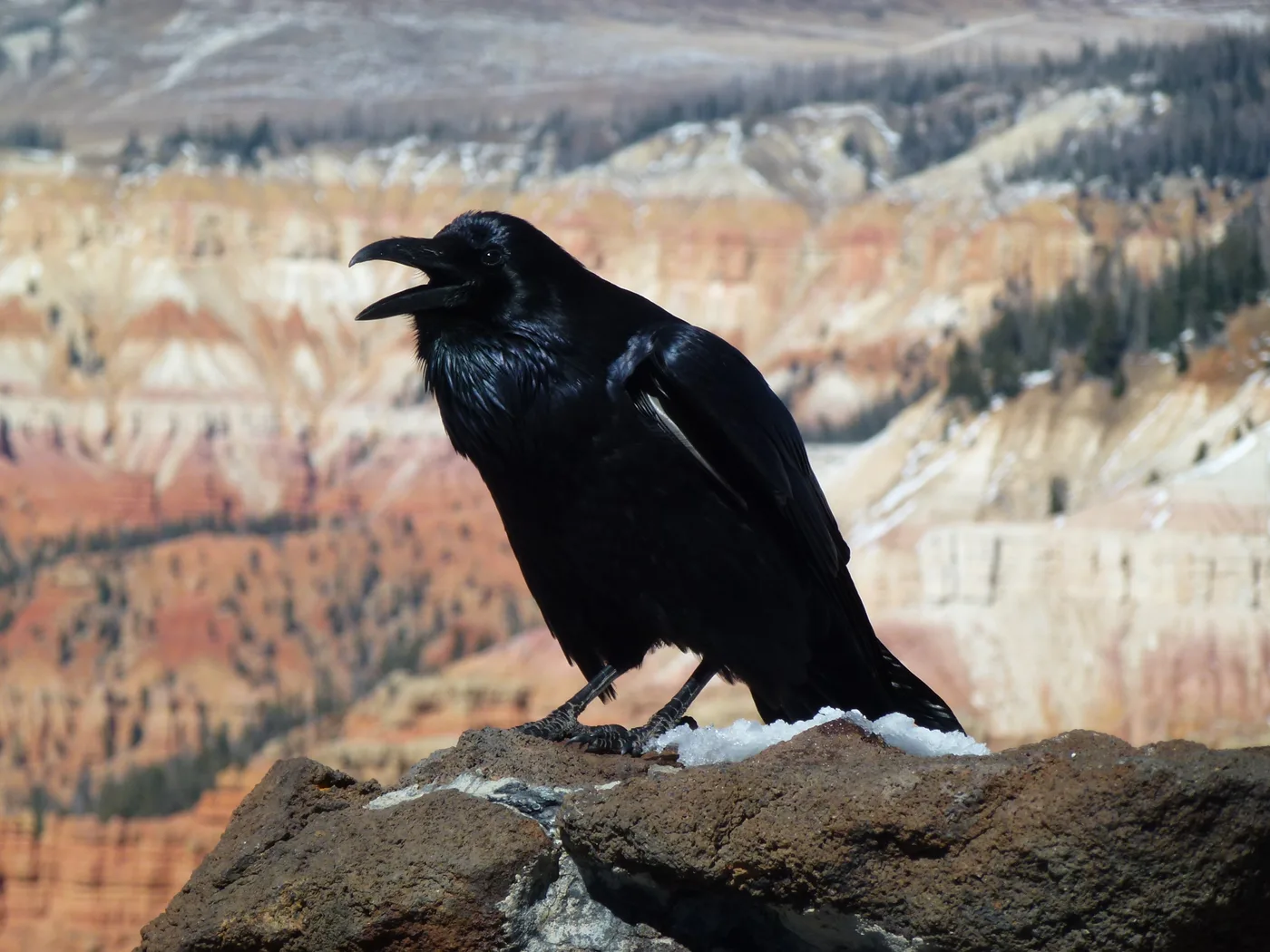
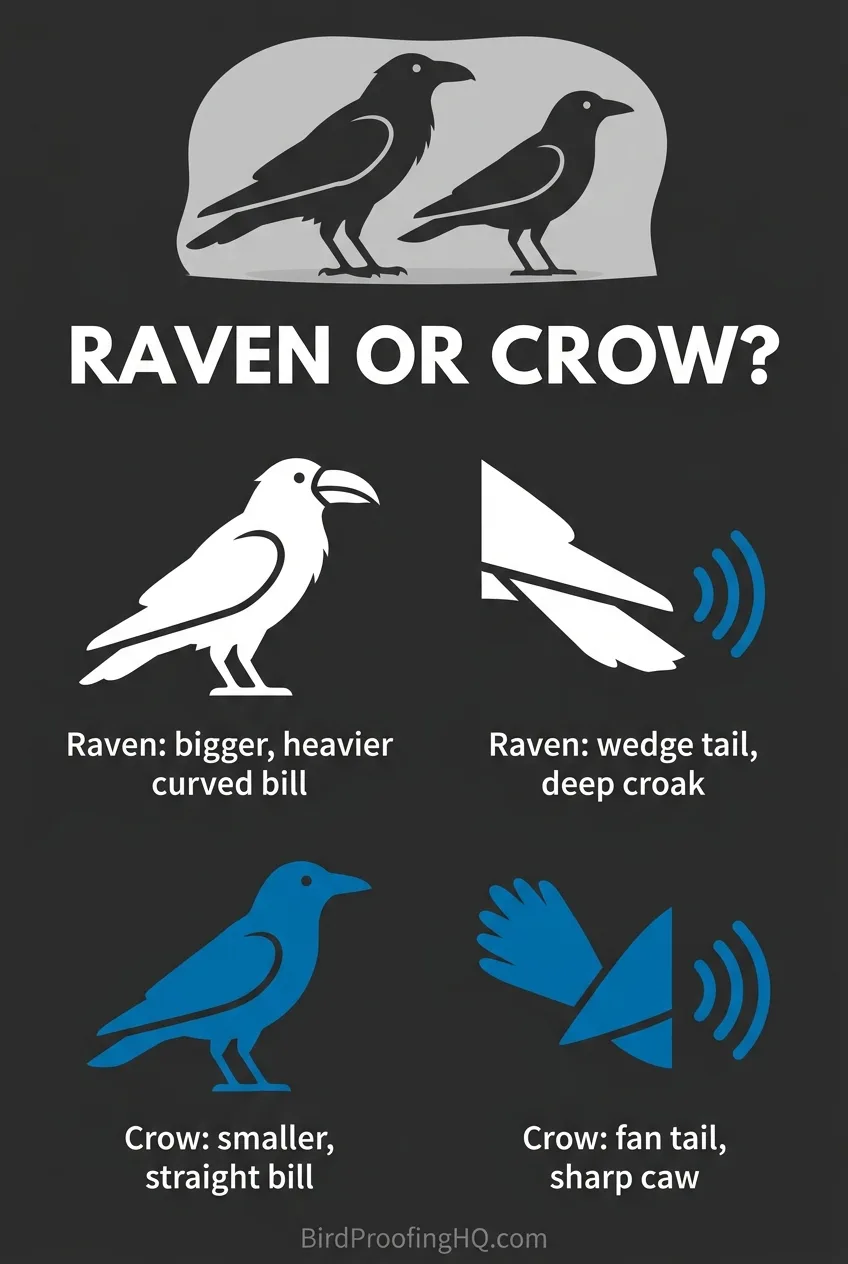
A raven is noticeably bigger, close to the size of a red-tailed hawk, with a heavier, more curved beak and shaggy throat feathers. Crows do not have any of that.
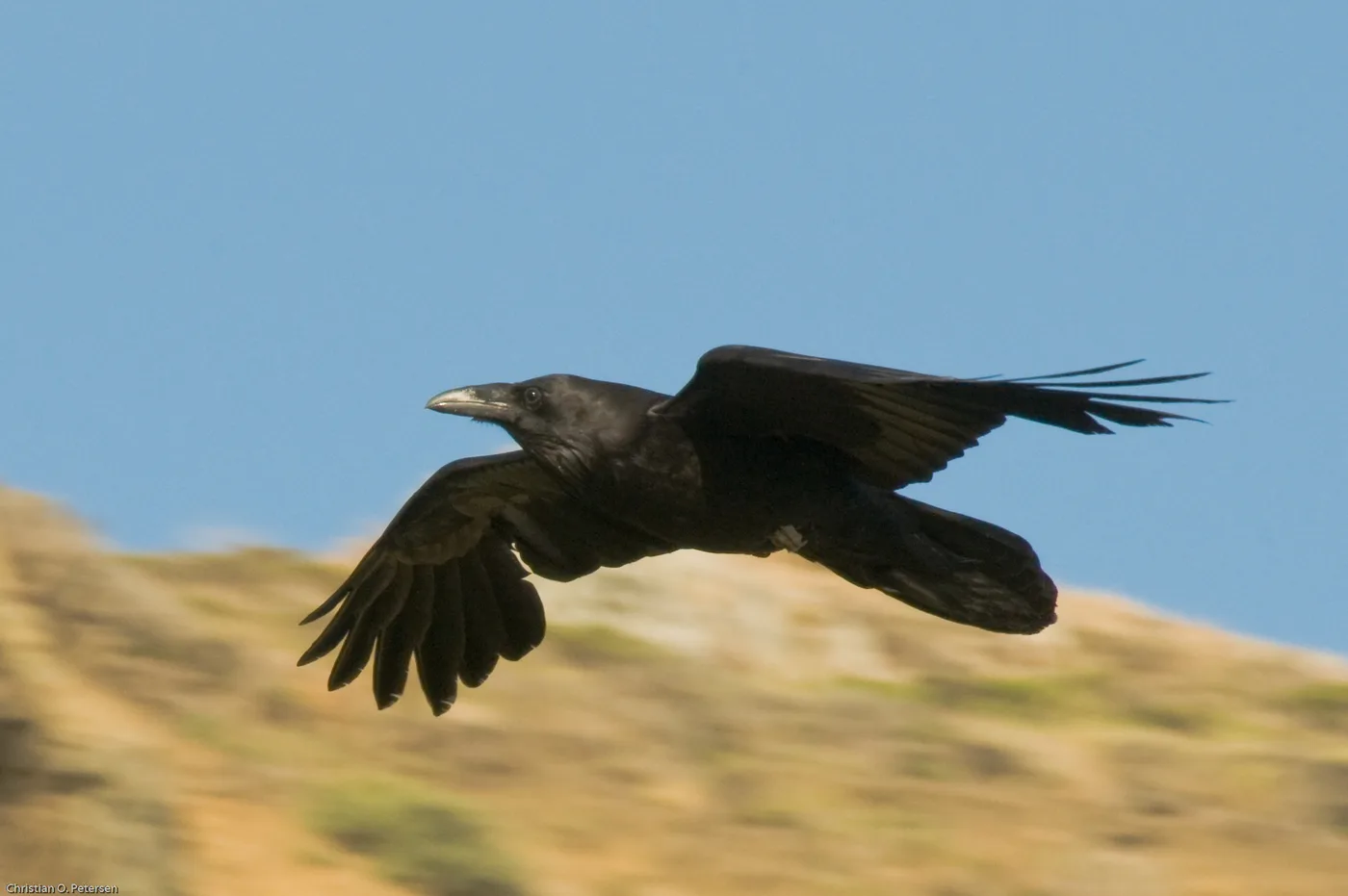
The clearest difference shows up in flight. A raven’s tail fans out into a wedge shape. A crow’s tail stays flat and square at the tip.
Ravens also soar on flat wings, more like a hawk, while crows flap steadily and rarely glide far. Listen for the call too: a raven gives a deep, rough croak, and a crow gives the sharp, familiar caw.
Both birds are corvids, the same brainy family as jays and magpies, and they get the same legal protection.
Are Ravens Protected by Law?
Yes. Common ravens are protected under the Migratory Bird Treaty Act. This federal law covers nearly every native bird species in the United States.
That protection also covers an active nest that has eggs or chicks, and it holds even when ravens are causing real problems on your property.
The legal path for serious, documented damage is a federal permit, covered further down. Everything else here works within the law: removing what attracts ravens, blocking the spots they use, and making the area feel unsafe to land on.
Why Are Ravens Coming to My Property?
Ravens will eat almost anything: trash, pet food left outside, garden scraps, roadkill, eggs, and small animals. An open dumpster, an unsecured chicken coop, or a compost pile without a lid is an easy meal. Ravens remember a reliable food source for years.
They also need a place to perch and nest. Tall trees, rooflines, chimneys, barns, and utility structures all work. A raven that finds food and shelter close together will keep coming back, and it often brings its mate.
Do Ravens Kill Livestock?
Ravens are scavengers first. But they are also documented predators of weak or newborn livestock. USDA Wildlife Services’ Common Ravens technical series documents ravens causing injury and death in newborn lambs, calves, and goats. They usually go after the eyes and umbilical area first, while the animal is still down.
This is a real, ongoing problem for sheep and cattle producers. Lambing and calving season is the highest risk window, since newborns are out on open pasture. Two changes cut the risk most: move animals somewhere sheltered during that window, and never leave afterbirth or a stillborn animal sitting out in the open.
Producers with this kind of ongoing loss are the clearest candidates for a permit, covered further down.
Protecting Livestock During Lambing Season
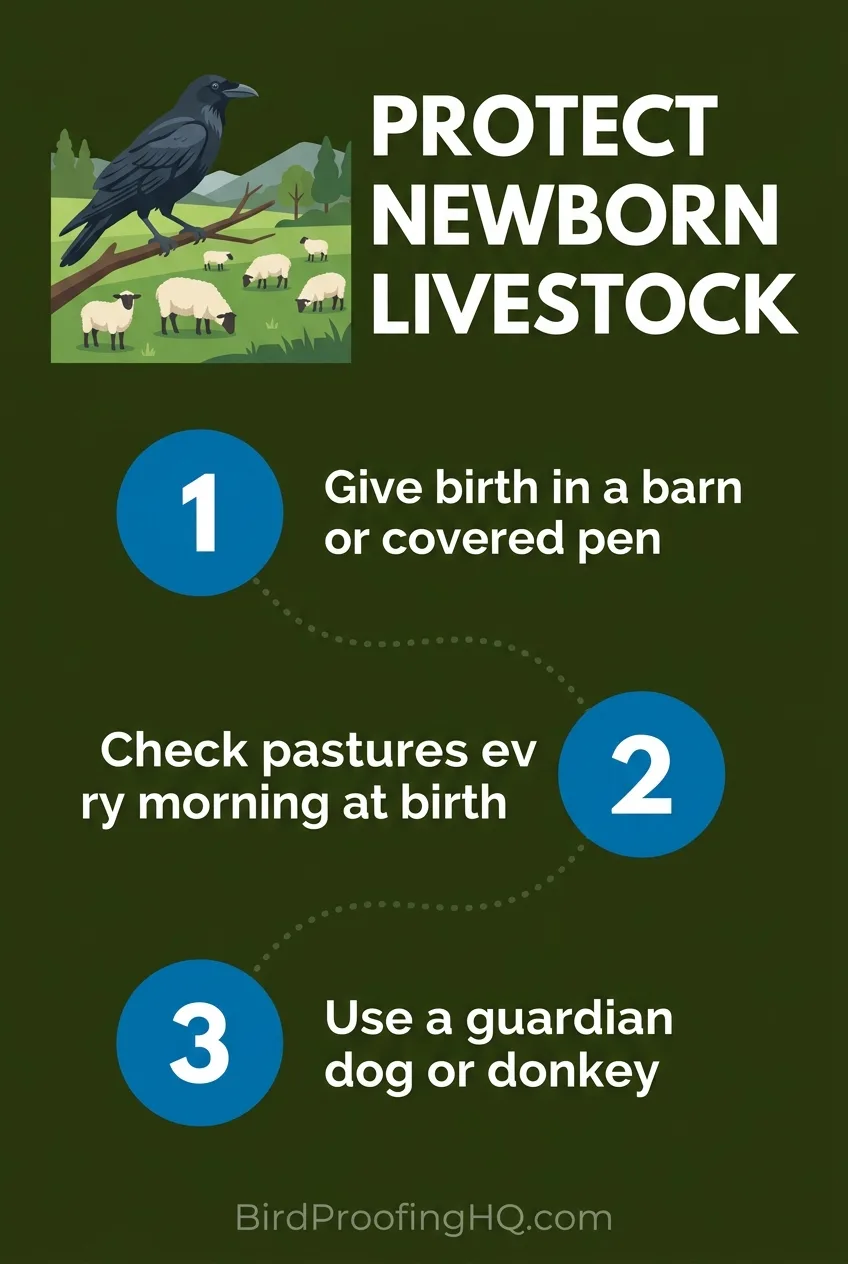
A few changes lower the risk without any permit. Bring ewes and cows inside a barn or covered pen to give birth, if that is an option. Check pastures each morning during lambing and calving, since a raven attack is most likely in the first hours after birth.
Guard animals help too. A livestock guardian dog or a calm donkey in the pasture will chase off ravens before they settle in. Move any newborn that seems weak or slow to a covered pen until it is steady on its feet.
Why Do Ravens Nest on Power Poles and Cell Towers?
Ravens build large stick nests on the tallest structure around. In open country, that is often a power pole, transmission tower, or cell tower rather than a tree. Height keeps the nest safe from ground predators and gives a clear view for spotting food and rivals.
Nest material, droppings, and the birds themselves can bridge electrical equipment. That causes power outages, equipment damage, and fire risk. Utility companies deal with this often. Many work with wildlife agencies on permitted nest removal, and some install nest platforms nearby to redirect ravens away from live equipment.
A raven nest on utility infrastructure is the utility company’s call, not a homeowner project. Never attempt removal yourself around live lines.
What If a Raven Nest Is Already Active?
If a raven nest on your property has eggs or chicks, leave it alone. Federal law protects an active nest, and disturbing it is illegal even if it is in an inconvenient spot like a barn rafter or a tree over your driveway.
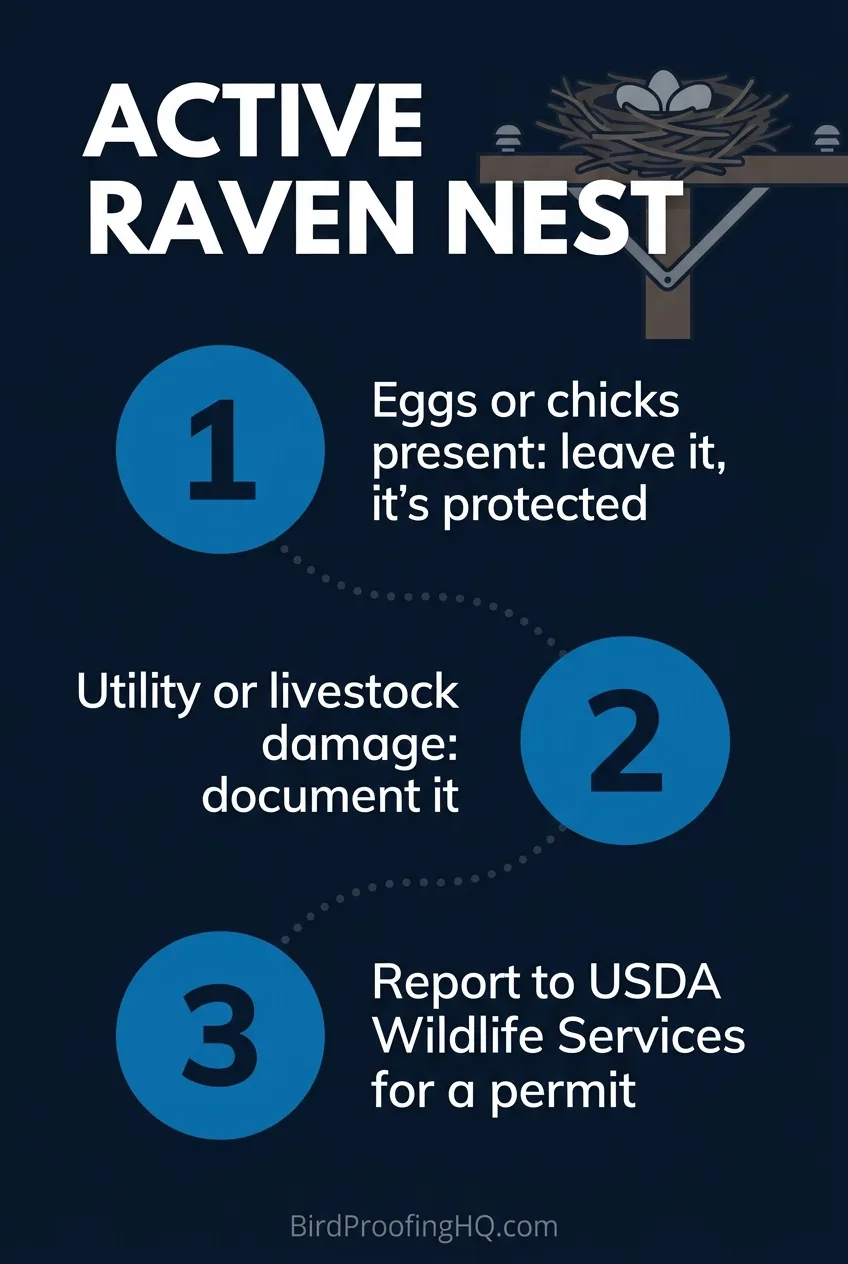
Ravens raise one brood a year, and the young leave the nest around six weeks after hatching. Once the nest is empty for the season, you can remove it and block the spot so ravens do not rebuild there next year.
If the active nest is causing real damage, meaning it sits on live utility equipment or a working farm structure, start documenting the problem with photos and dates.
Do Decoys and Scare Tactics Work on Ravens?
Only for a short window. Ravens rank among the smartest birds. They learn fast that a fake owl or hawk that never moves is not a real threat. A stationary decoy usually stops working within days.
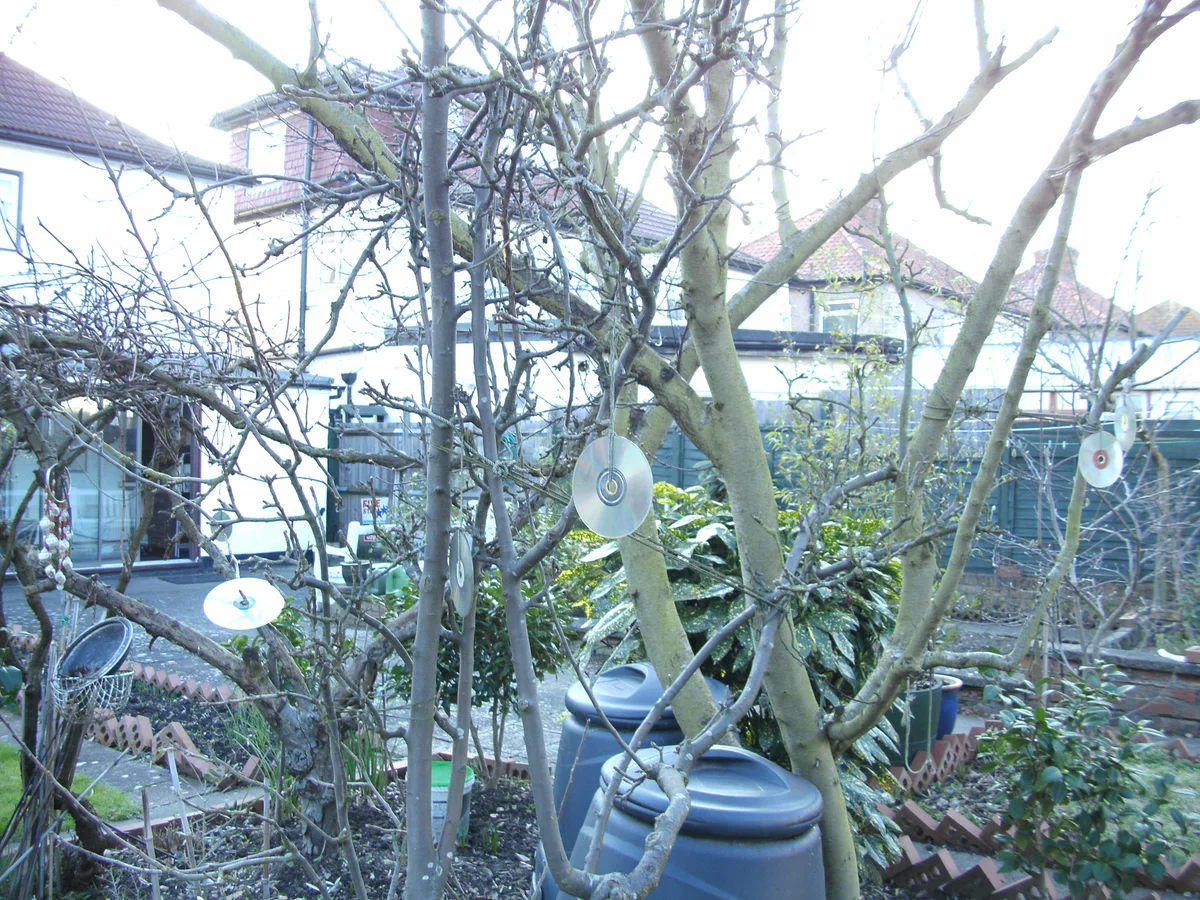
To get more out of visual deterrents, move the decoy every two to three days. Change its location entirely every week or two. Combine it with reflective tape, wind chimes, or a motion-activated sprinkler for a stronger effect.

Do Sound Deterrents Work on Ravens?
Sound can help, but it wears off at about the same pace as a decoy, sometimes within a week.
Propane Cannons and Distress Calls
Propane cannons fire a loud bang on a timer and are common on farms with open acreage. Recorded raven distress calls, played through a speaker, can scatter a flock temporarily. Both work best in the first few days after ravens arrive, before they learn the sound is not a real threat.
Change the timing and location of any sound device regularly, the same as a decoy. In town or near neighbors, a propane cannon is usually not workable due to noise, so save it for rural properties with enough distance from other houses.
How to Get Rid of Ravens
Start with exclusion and food removal. Those changes last without ongoing effort.
- Secure trash and pet food: Use lidded, locking bins and bring pet bowls inside overnight. An easy meal is the single biggest reason ravens keep returning.
- Net gardens, crops, and coops: Bird netting over vegetable beds, fruit trees, and chicken runs keeps ravens off eggs, seedlings, and feed.
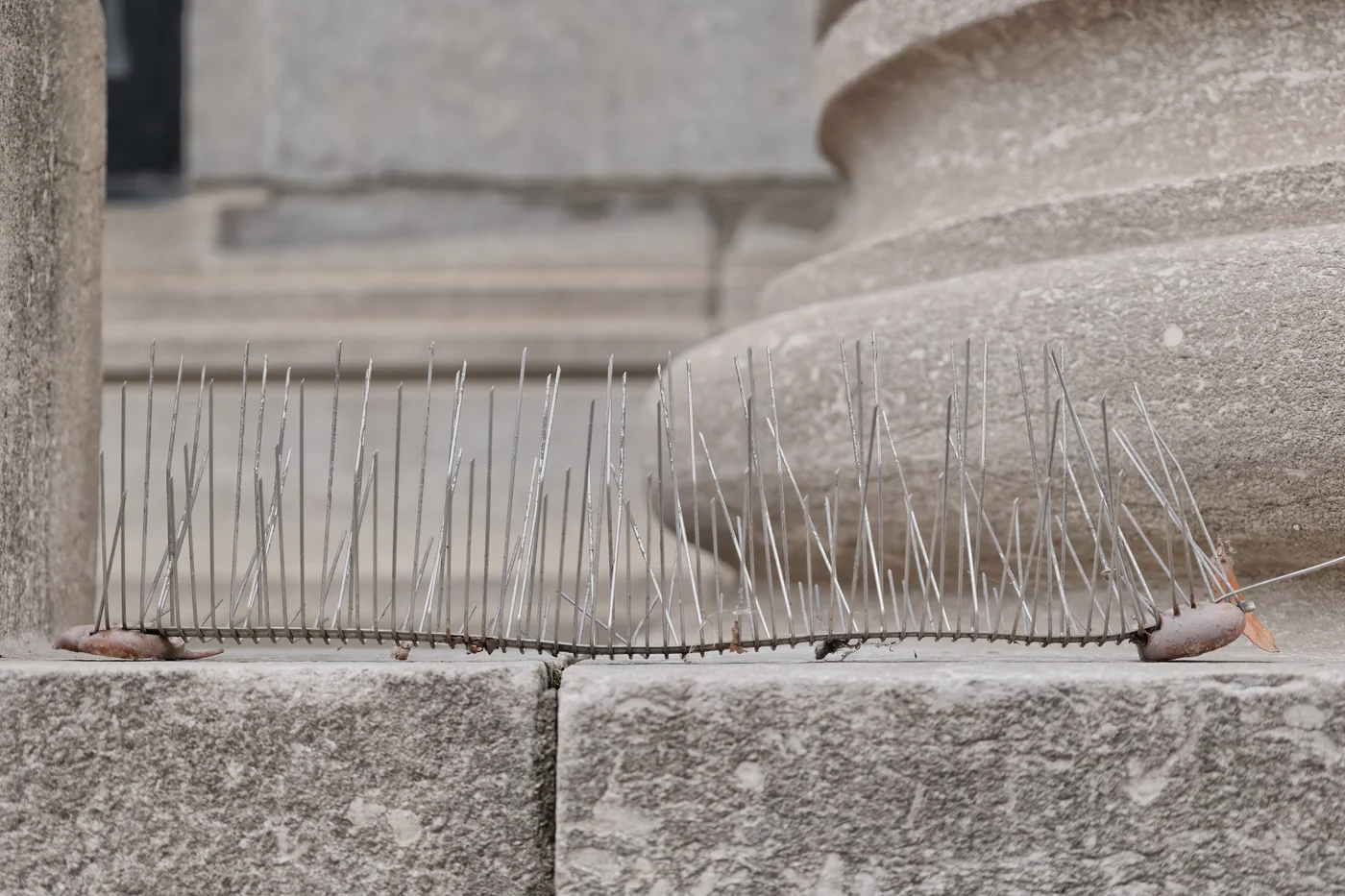
- Install spikes on ledges and poles: Bird spikes on rooflines, chimneys, and fence posts remove the comfortable perches ravens use to watch a property.
- Clean up roadkill and carcasses promptly: Anything dead near a driveway or field edge is a standing invitation.
- Rotate visual and sound deterrents: Reflective tape, wind chimes, and a decoy, changed up regularly.
Combine at least two or three of these at once. No single method covers every angle, and a layered setup holds up far better than any one alone.
Is Bird Netting Safe for Ravens?
Yes, if you install it correctly. The main risk is a loose edge or a gap large enough for a raven to push through and get tangled trying to get back out.
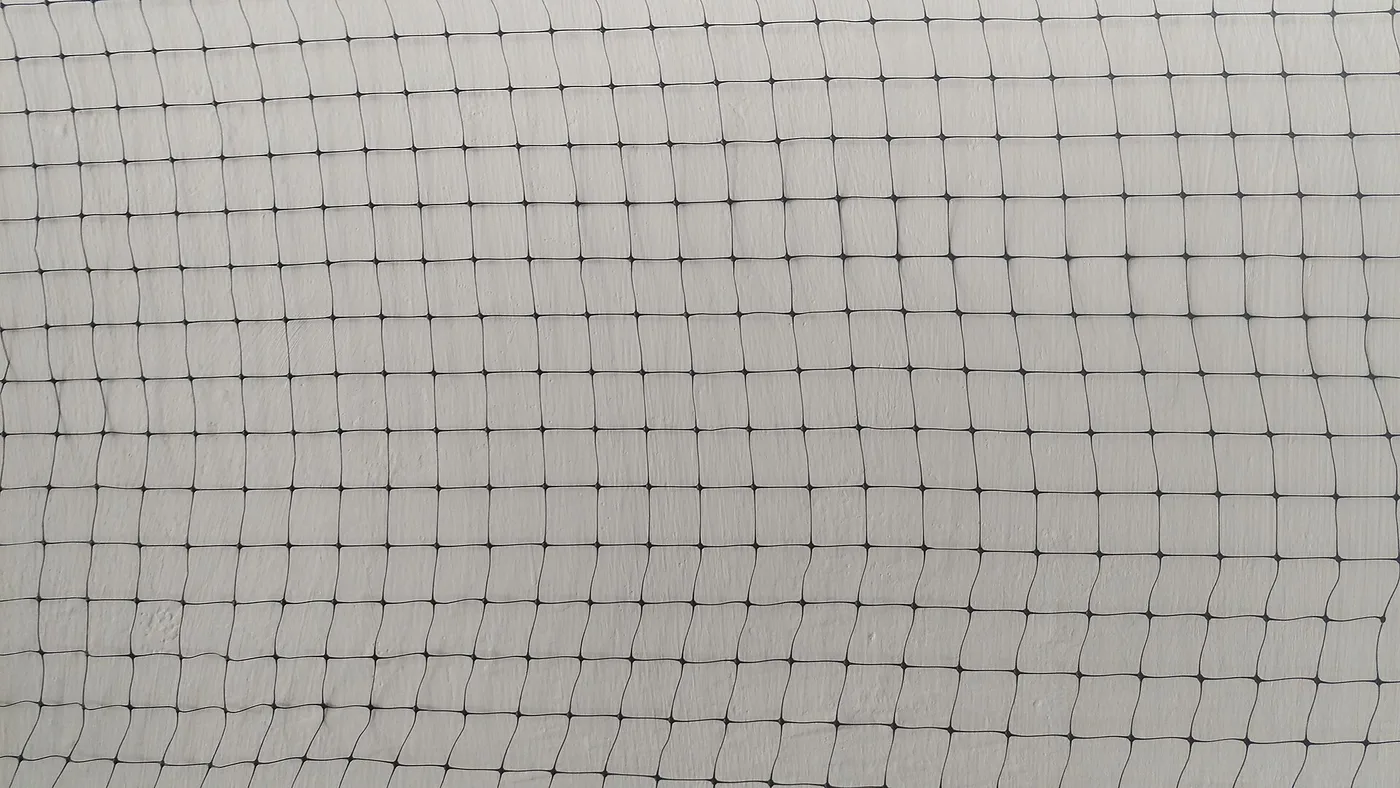
Pull the netting fully taut and anchor every edge, with no loose flaps a bird could work its way under. Check it every few weeks, especially after wind or heavy rain. Free any trapped bird right away, and repair anything that has torn or sagged.
Can You Get a Permit to Remove Ravens?
If ravens are causing documented, ongoing damage to livestock, crops, or utility equipment, you can apply for a federal depredation permit through the U.S. Fish and Wildlife Service. Livestock producers typically coordinate with USDA Wildlife Services, which can help document losses and support the application.
Permits go to specific, provable damage, not general annoyance or a raven raiding the trash. Keep records (photos, dates, dead or injured animals) if you plan to apply. The application needs evidence, not just a complaint.
How to Raven-Proof Compost, Feed, and Carcasses
The food sources ravens rely on most are usually the easiest to fix. A compost bin, a bag of livestock feed, or a dead animal left in the open all read as an easy meal.
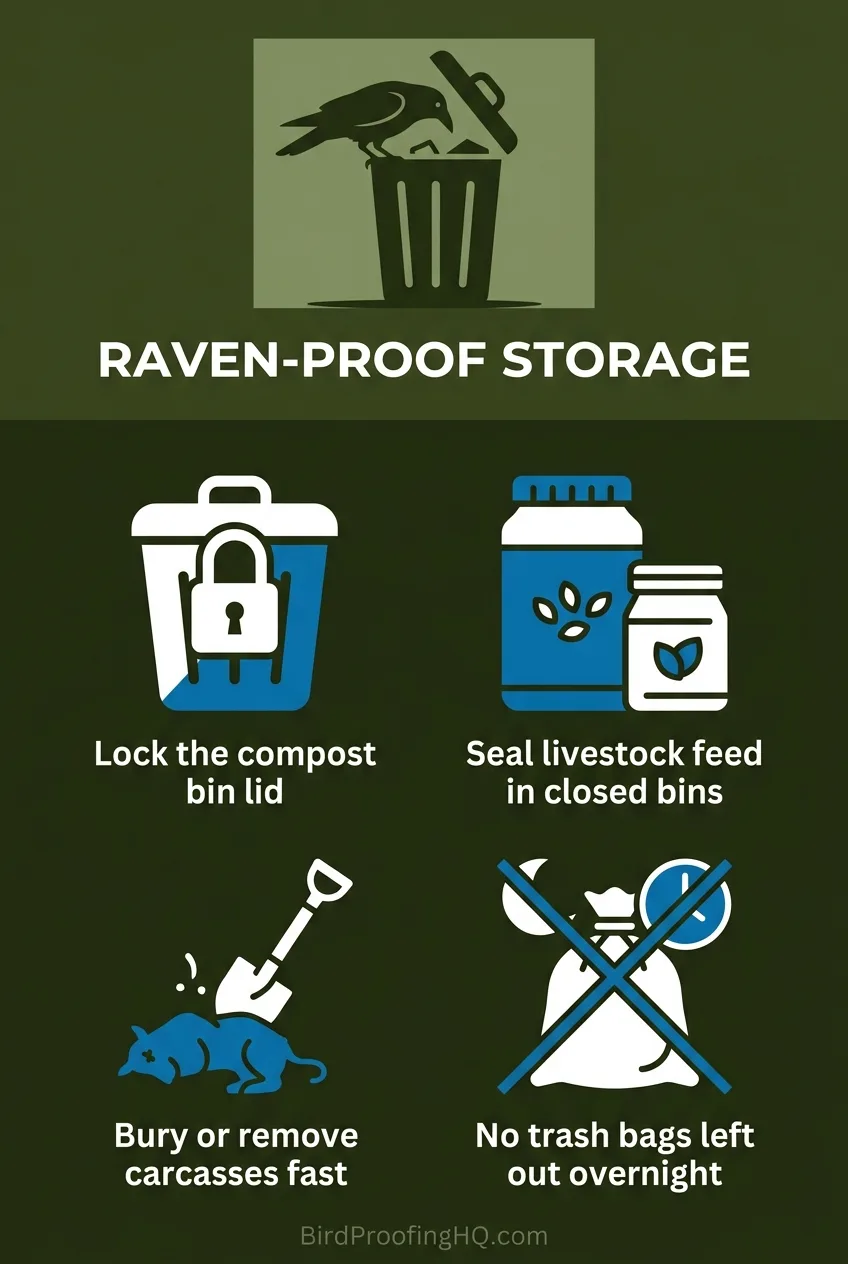
Use a compost bin with a locking lid rather than an open pile, and skip meat scraps and eggshells if ravens are already a problem. Store livestock feed in a closed metal or heavy plastic bin, not an open sack in the barn. Bury, compost properly, or arrange pickup for any carcass or stillbirth within a day, since ravens will find it fast otherwise.
How Long Does It Take for Deterrents to Work?
Most yards see a real drop in raven activity within one to two weeks of removing food and adding a layered deterrent setup. A well-established roost or a farm with an ongoing food source can take longer.
If ravens keep coming back after a few weeks, walk the property again. Check whether trash, feed, or compost has come open, and confirm every deterrent is still in place and working.
When Should I Call a Professional?
Call a wildlife control professional or your local USDA Wildlife Services office if ravens are nesting somewhere hard to reach safely, like a chimney or high roofline. Also call if you keep losing livestock despite securing food and shelter. They can assess the property and handle anything that needs a permit. They also know the state and local rules on top of the federal baseline.
If another bird is the actual problem, the full species guide covers every bird on the site.
Images: Common raven perched by NPS, public domain. Common raven in flight by Christian O. Petersen, CC BY-SA 3.0. Anti-bird netting close-up by SaturninoOpi, CC BY-SA 4.0. Bird control spikes on ledge by Cephas, CC BY-SA 4.0. Wind chimes by Kim Dae Jeung, CC0. Compact disc bird scarers by KTo288, CC BY-SA 3.0. Via Wikimedia Commons.


_01.jpg)


Free: The 5-Step Bird-Proofing Checklist
Work through the right steps in the right order, before spending money on the wrong deterrents. Printable PDF, straight to your inbox.
No spam. Unsubscribe any time.