Bird Netting for Carports: Sizing, Anchoring, and Access
Contents[hide]
- 1. When Bird Netting Works on a Carport
- 2. Map Every Opening Before You Size the Enclosure
- 3. Plan Vehicle, Door, Drainage, and Service Access First
- 4. Check the Attachment Surface Before You Guess at Hardware
- 5. Treat Wind and Weather as Design Conditions
- 6. Check for Active Nests Before You Close Anything
- 7. Inspect the Finished Barrier and Keep Access Usable
- 8. When Professional Design Is the Safer Choice
- 9. Frequently Asked Questions
- 9.1. How do I measure bird netting for a carport?
- 9.2. Do I need to close every side of the carport?
- 9.3. Can bird netting attach directly to rafters?
- 9.4. How can vehicle and service access stay usable after netting goes up?
- 9.5. What should I do if birds are already nesting in the carport?
- 9.6. Will wind damage bird netting on a carport?
Quick Answer
Bird netting for carports works when it closes every path to the roof and rafters. It must do this without creating loose pockets or blocking safe access. Check for active nests first, then map every opening, support surface, vehicle path, door, drain, and utility line.
In this article, you'll learn how to plan a carport enclosure. We'll cover opening geometry, safe attachment points, and vehicle access.
When Bird Netting Works on a Carport
A carport is basically an unfinished cage. It has a roof, some framing, and open sides that still need to be closed. That’s why bird netting can work so well here, and why it’s easy to get wrong.
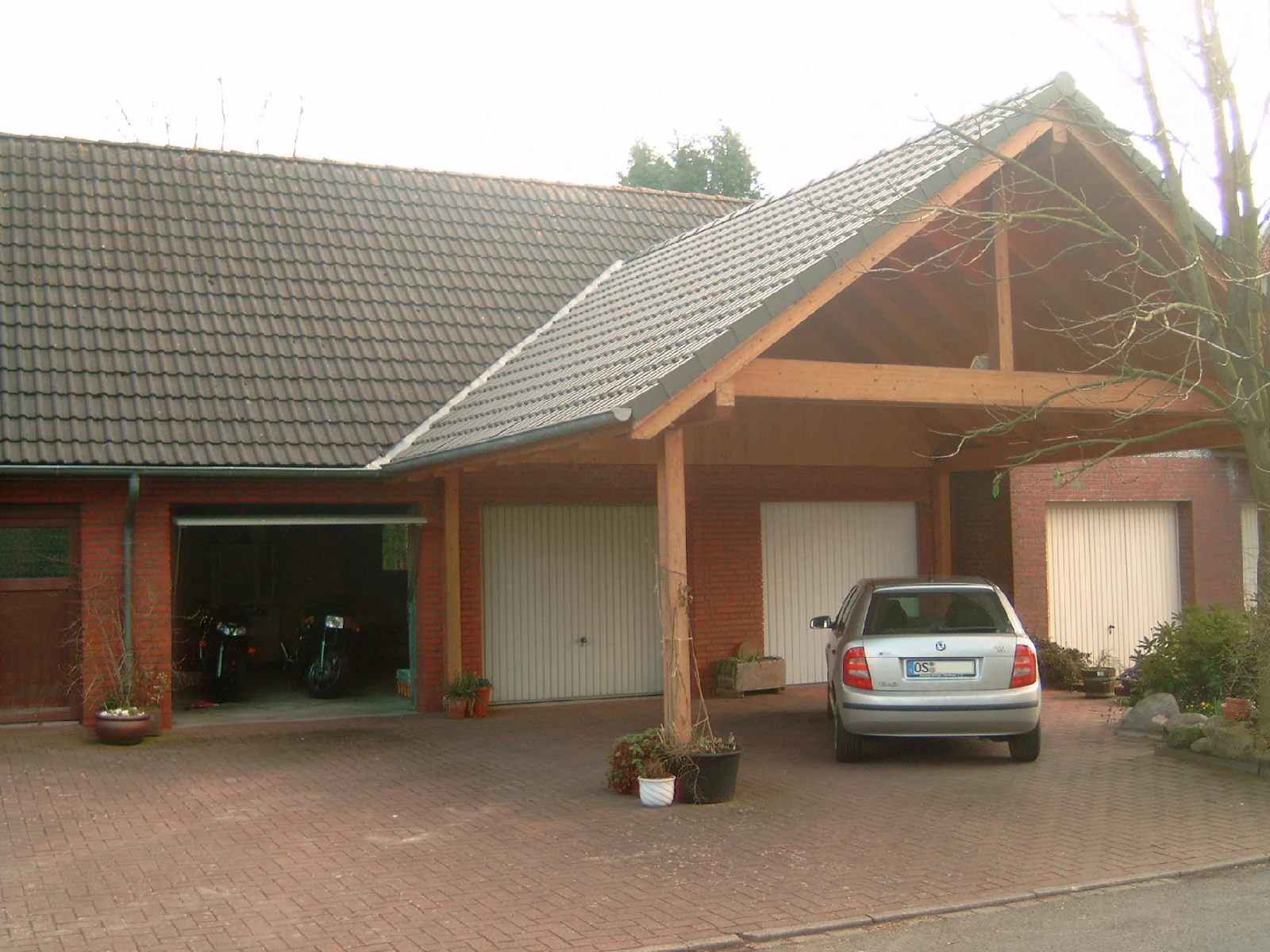
The photo above shows a real timber carport with no netting yet installed. It has a pitched roof on wood posts and beams. The carport is attached to a garage building and partly enclosed by brick piers, with a car parked underneath.
Physical exclusion denies birds the entry path they’ve been using. A barrier planned around every real opening, obvious or not, supports long-term control. It does not guarantee birds stay out forever, so plan to inspect and maintain it over time.
A carport with clear rafters, beams, and roof edges is usually a good candidate for netting. An unusual roofline is a harder fit. So is a walkway that must stay open around the clock, or openings you can’t identify from the ground. Get a second opinion before you buy materials in cases like these.
Walk the whole structure before you decide netting is the right bird control solution for this property. Birds can move to another accessible section of a building. If you close one bay while a neighboring rafter stays open, you just relocate the problem instead of deterring it. Treat the carport as one connected space, not a set of patches.
Map Every Opening Before You Size the Enclosure
Every opening you leave unmapped is one more path in. The goal is to block birds before they find a gap, not patch holes after they do. To size the enclosure, map and measure every real opening across the structure. Then hand that full set of measurements to the supplier or installer who cuts and fits the netting to it.
Start With the Roofline
Start with the roof. Note every edge, corner, and place where the roofline changes. This includes a return where two roof planes meet, or where the roof ties into a house or fence.
These transitions are easy to miss from the ground. A bird moving along a roofline will still find them.
Check the Framing for Gaps
Next, check the framing. Rafters, beams, and posts create small gaps and ledges wherever they meet the roof deck or each other. Pigeons and other cavity-nesting birds often find these ledges first.
A corner post, a beam end, or an overlapping joint can leave a slot that’s easy to miss. That same slot can be large enough for smaller birds to use as a perch or roosting spot. Walk the full perimeter, including the side that’s harder to see from the driveway.
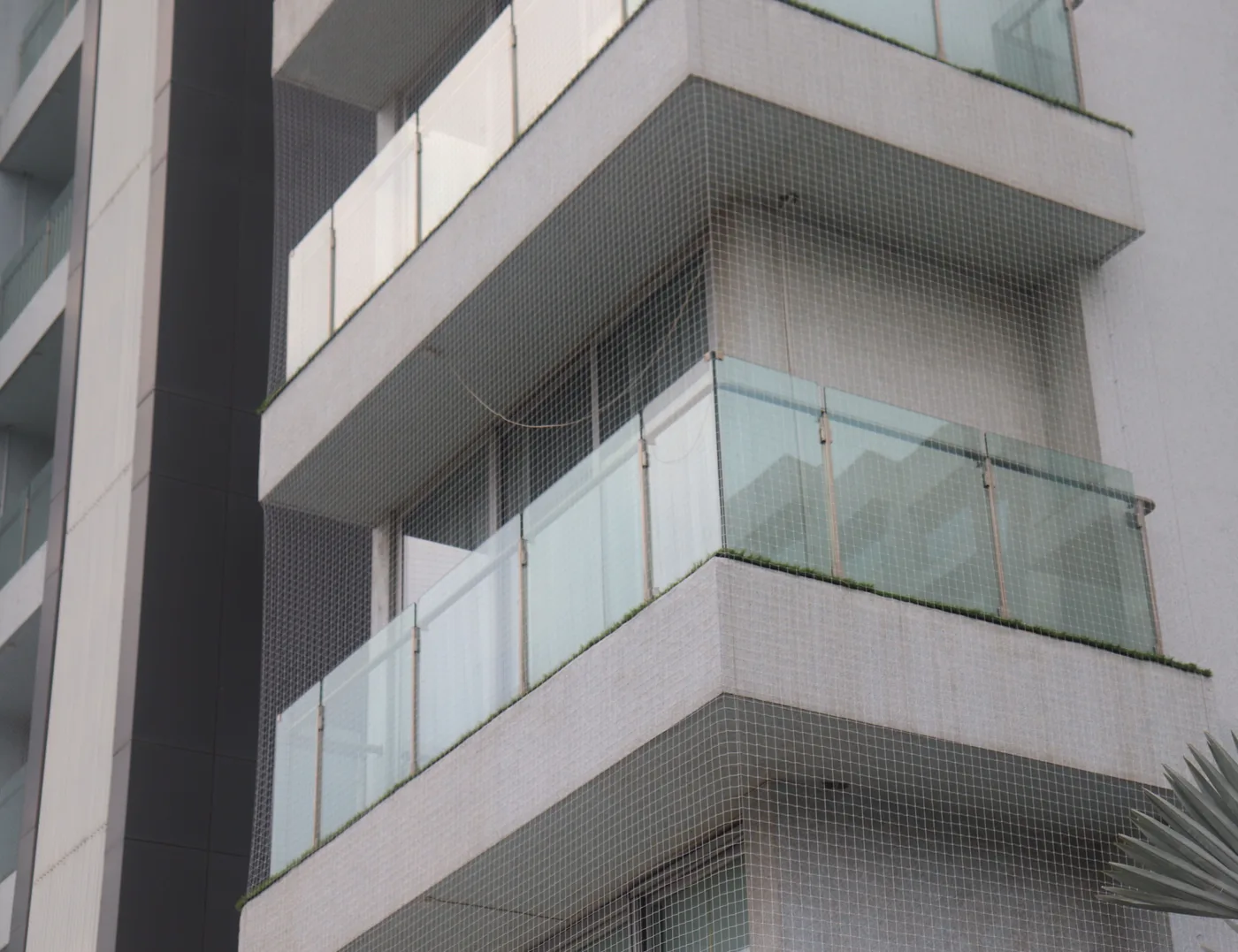
A larger building wrapped in netting faces the same requirement. The barrier has to account for every opening it protects. A carport is that same problem, just smaller.
Plan Vehicle, Door, Drainage, and Service Access First
Vehicle and Door Clearance
A carport that’s technically closed but blocks the car, a side door, or a downspout isn’t finished. It’s a new problem.
Map how the vehicle enters and exits, including its turning space, before you choose where to attach the netting. Note every door the carport serves, including a connecting door into a garage or house. Make sure each one still opens fully.
Drainage and Utility Access
Drainage and utilities need the same attention. Gutters, downspouts, conduit, and lighting fixtures on the carport all need to stay reachable for normal maintenance.
Equipment and structure behind a barrier have to stay reachable for inspection and upkeep. A workable design usually includes a section that opens, unzips, or lifts away, instead of one sealed panel. Plan this on paper before you install the netting, so reaching areas behind the barrier later doesn’t mean cutting it open.
Check the Attachment Surface Before You Guess at Hardware
Anchoring a carport net means finding a continuous route over sound framing for the netting’s edge. This should be one solid path, not a string of disconnected points. Then follow the documented system or installer plan for how that edge gets secured.
Wood framing, metal posts, masonry piers, and finished roofing all hold hardware differently. An aging or damaged surface may not hold hardware safely, whatever attachment method you’re considering. Test any questionable section before you commit hardware to it. That final call still belongs to whoever installs the system and can inspect the actual framing.
Once you know what you’re attaching to, and confirm the surface is sound, mesh and installation choices cover the general options. Heavy-duty bird netting covers duty-level choice for years of exposure or frequent vehicle traffic.
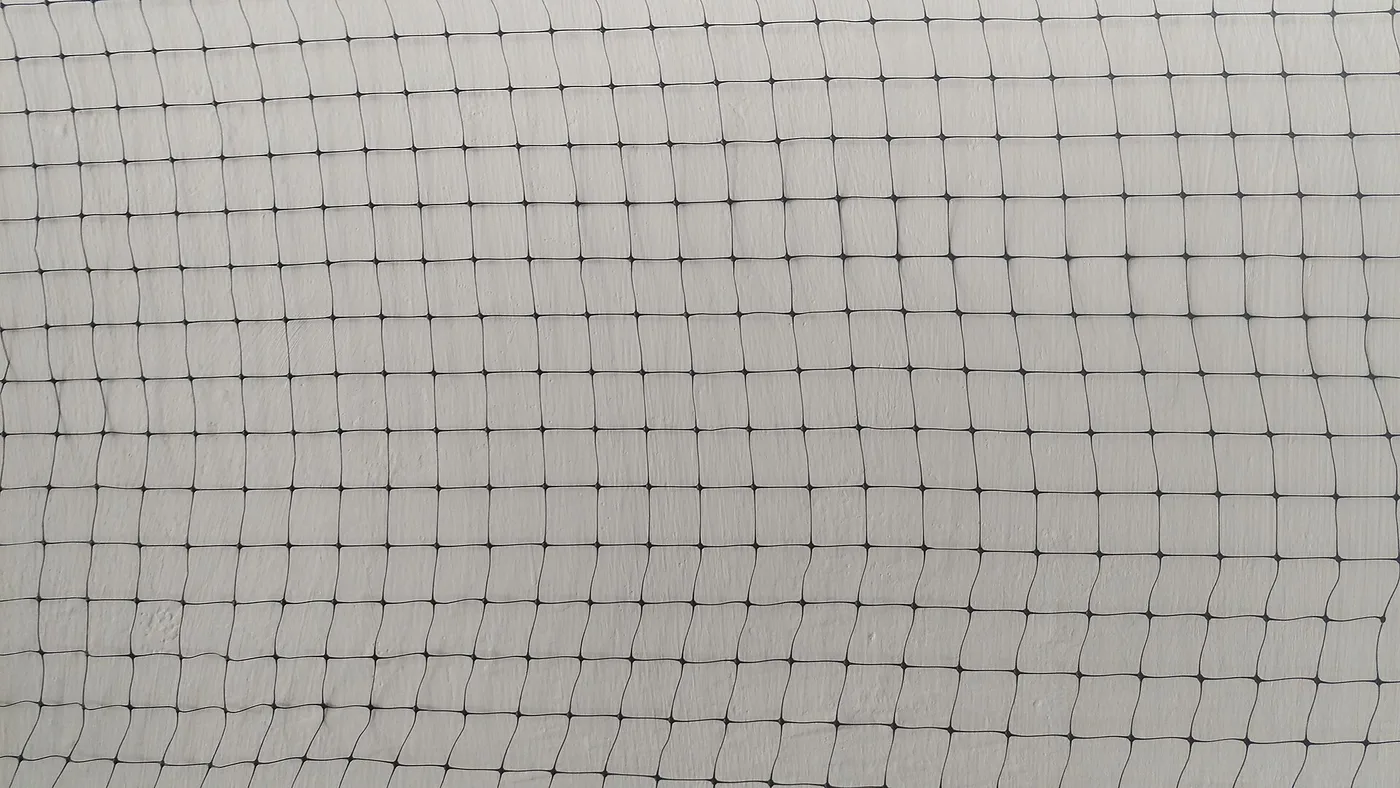
Mesh choice follows the bird you need to exclude and the documented system it belongs to. Match the opening size to the species before you order anything.
Treat Wind and Weather as Design Conditions
An open-sided carport catches airflow differently than an enclosed building. Wind, snow, and freezing rain can damage netting over time. A broad, exposed span asks more of a net and its support than a small, sheltered bay. Plan the support system around the site’s real conditions, rather than assuming one setup fits every shape.
Check for Active Nests Before You Close Anything
Before any work starts, look for birds already using the space. Some birds that nest on a structure may be protected under federal law. Identify the species and its stage in the nesting cycle before you act.
If the nest holds eggs or dependent young, postpone exclusion until it’s no longer active. Not every empty nest carries the same protection, but an active one is where the job stops.
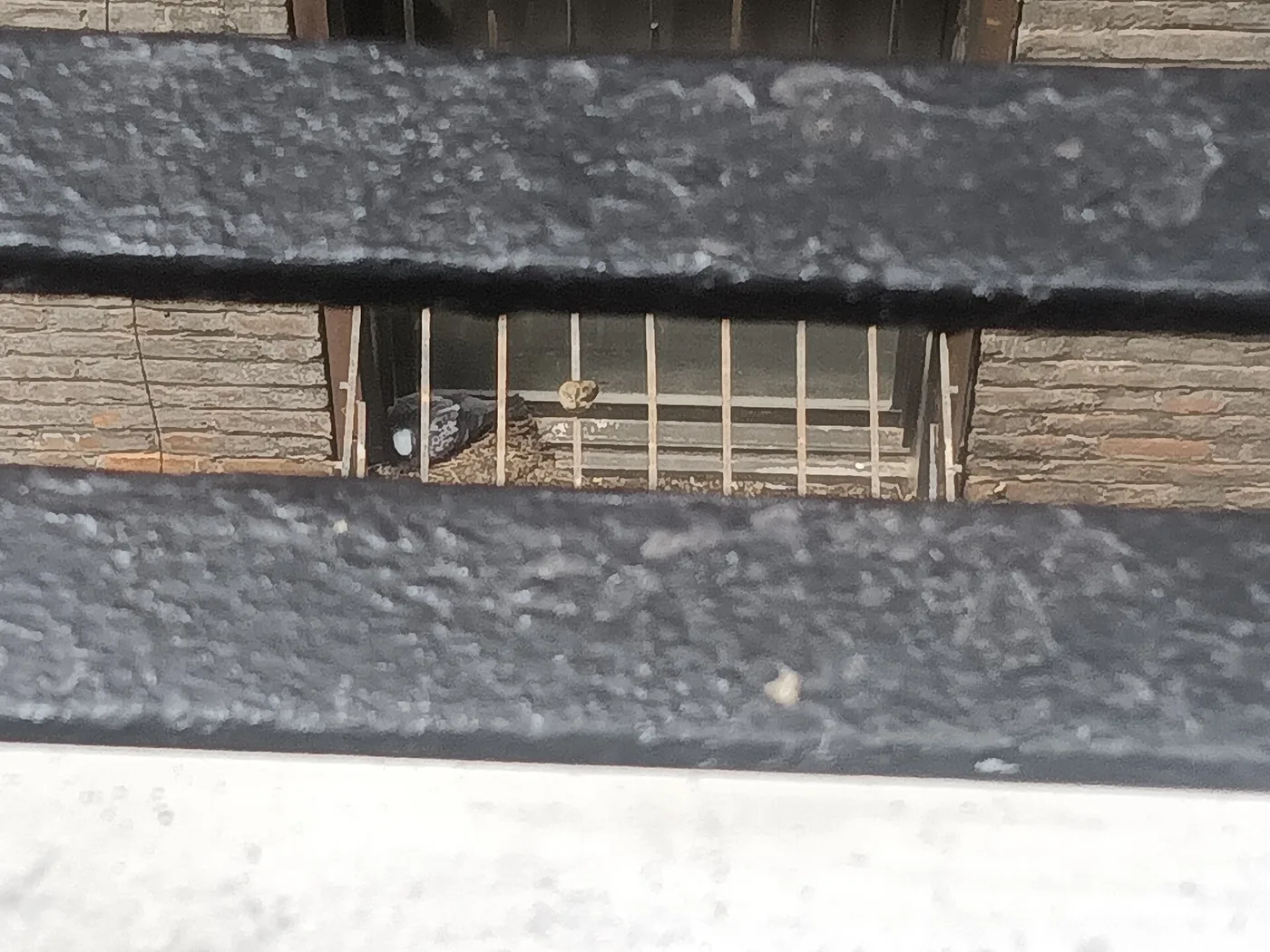
Check rafter pockets, beam joints, and any recess in the framing. These are the same kind of hiding spot as the air-conditioner cage above.
If you find an active nest, don’t close it in or move it yourself. Confirm what the law protects and review what to do about an existing nest before continuing. If a bird ends up trapped inside an attached garage, handling that safely is a separate, more urgent step.
Inspect the Finished Barrier and Keep Access Usable
Once netting is up, the job isn’t done. Maintaining a physical barrier over the long term means checking back on a regular schedule. A single post-install check isn’t enough.
Netting should stay taut, since loose pockets can harm birds that get tangled in them. Flapping sections can also damage their own mounting points. Walk the perimeter for gaps at seams, tears from wind or debris, sagging over the vehicle path, and any spot where the netting has pulled loose. Damaged netting can also fold into a pocket that birds use as a nesting spot, which defeats the purpose of installing it.
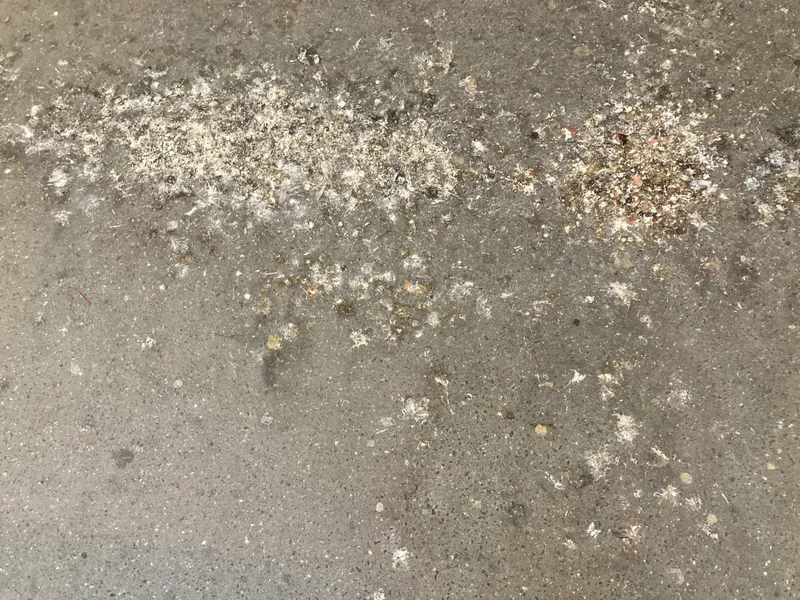
Fresh droppings after installation are a signal worth acting on. They point to a missed opening, or a damaged or loose section. Either one means a bird may already be inside. Check for that possibility right away, and confirm doors, vehicle clearance, and drainage are still working before you call the project finished.
When Professional Design Is the Safer Choice
Some carports are simple enough to plan and close yourself. Others need a second set of eyes. Extensive or elevated netting can warrant a bird-control professional, especially for a tall carport, an unusually wide span, uncertain framing condition, or a structure shared across a property line.
Work at height carries real fall and overhead electrical hazards. A site that needs a tall ladder, or sits near power lines, is a strong signal to bring in someone qualified. A professional can also confirm the right attachment hardware for your framing and weather exposure. Long-term success depends on matching the fastener to the actual structure and the documented system it’s part of.
Beyond one carport, bird-proofing across a property covers how exclusion fits alongside other deterrents.
Frequently Asked Questions
How do I measure bird netting for a carport?
Start by mapping the openings. Don’t just grab a tape measure and a roll of net. Walk the whole carport. Note every open face, roof edge, gap where the roof meets a wall or fascia, and any gap around a post or beam. Sketch the shape and mark the height and width at each opening. If you miss one, birds can simply move to that open section. A netting supplier or installer can turn your sketch into cut dimensions once every opening is mapped.
Do I need to close every side of the carport?
In most cases, yes. Netting around a structure should close every side and get checked regularly for holes and wear. Leaving one side open just gives birds another way in. A carport with a wall on one side, and framing to attach to on the others, is still not fully enclosed. Any open gap, including one at a roof return or post, leaves a way in.
Can bird netting attach directly to rafters?
Rafters and beams are common attachment points, but the surface has to be checked first. Wood, metal, and masonry all behave differently. An aging or damaged surface may not hold hardware safely. This is a site-specific decision for the installer or supplier, not a one-size-fits-all fastener recipe.
How can vehicle and service access stay usable after netting goes up?
Plan the vehicle’s turning path, the doors, and any drainage, lighting, or utility lines the carport carries before you finalize the layout. Everything behind the barrier still needs to stay accessible for regular use and inspection. A workable enclosure usually includes a section that opens, or a gate, instead of one solid sealed wall.
What should I do if birds are already nesting in the carport?
Stop before you close anything. Some birds nesting on a structure may be protected under federal law. Identify the species and its stage in the nesting cycle before you act. If the nest holds eggs or young that still depend on it, wait. Postpone exclusion until the nest is no longer active. Confirm the right next step for that specific nest before any enclosure work continues.
Will wind damage bird netting on a carport?
It can, if the design ignores it. Wind, snow, and freezing rain can damage netting over time. A broad, exposed carport span asks more of the net and its support than a small, sheltered bay. Plan the support system around the site’s actual wind exposure. Have the installer confirm the setup fits that condition. Don’t assume one design works for every carport.
Images: Carport In Front Of Garages by Andreas -horn- Hornig, CC BY-SA 3.0. Building bird netting by Best Bird Netting, CC BY-SA 4.0. Anti-bird mesh close-up by SaturninoOpi, CC BY-SA 4.0. Pigeon nesting in air conditioner cage by Jay Dobkin, CC BY-SA 4.0. Pigeon droppings on surface (CC0). Images were converted to WebP and resized where needed. Via Wikimedia Commons.


Free: The 5-Step Bird-Proofing Checklist
Work through the right steps in the right order, before spending money on the wrong deterrents. Printable PDF, straight to your inbox.
No spam. Unsubscribe any time.