How to Keep Birds Off Your Roof (Spikes, Wire, and Netting)
Contents[hide]
To keep birds off your roof, put spikes along the ridge and chimney stack, run tensioned wire on ledges and parapets, and mesh over any eave gaps. Install the whole run, not just part of it: birds just shift three feet to the uncovered section. Visual scares fade fast. Spikes and netting do not.
In this article, you'll learn how to keep birds off a roof and prevent nesting. We'll cover spike placement, eave exclusion, and professional help.
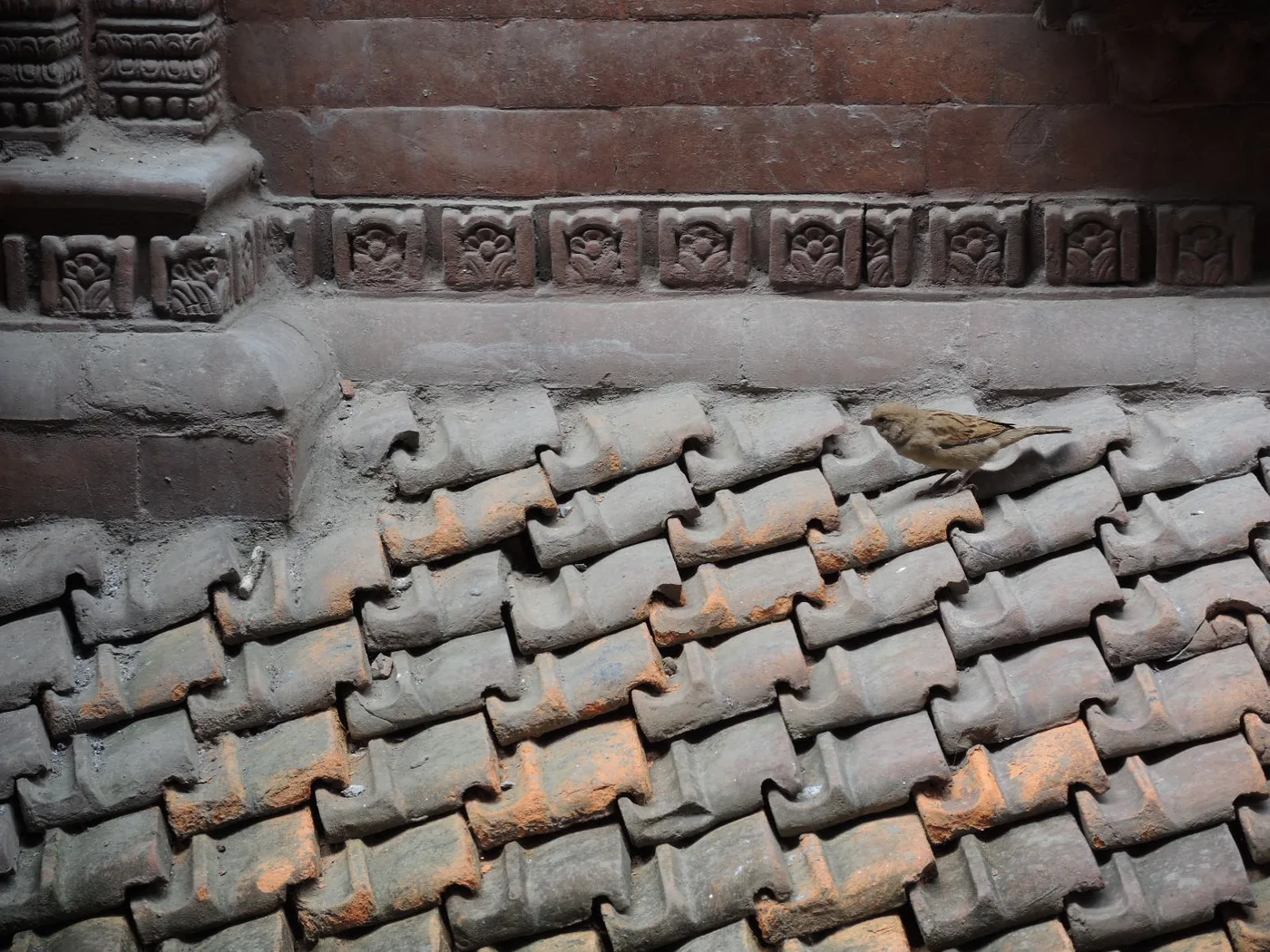
What Actually Keeps Birds Off a Roof?
Bird spikes on the ridge and chimney, wire on ledges, and mesh over any eave gaps physically remove the landing surface. That is the whole game.
The species changes the specific tool but not the approach. Pigeons roost on ridges and chimney stacks. Starlings and house sparrows nest in eave gaps and wall cavities. Crows and seagulls prefer flat roofs.
Swifts and swallows are legally protected under the MBTA, so never block an active nest. For pigeon-specific problems on a ridge or solar array, the guide to keeping pigeons off roof goes deeper on that one species.
Do Bird Spikes Work on Roof Tiles?
Yes, and they do not damage tiles when fitted correctly. Most spike strips use adhesive or clip-based fixings that grip the surface without drilling. On slate or clay, a clip-on system is safer than adhesive, since adhesive can lift a tile if removed.
Bird spikes are rows of stainless-steel or polycarbonate prongs. The prongs make it hard for a bird to get a flat footing, so it moves on to the next available perch. They do not harm birds. A pigeon that touches the strip simply looks for a clear edge elsewhere.
Spikes are the standard fix for ridge caps, chimney ledges, and parapet walls: anywhere birds land repeatedly on a flat horizontal surface.
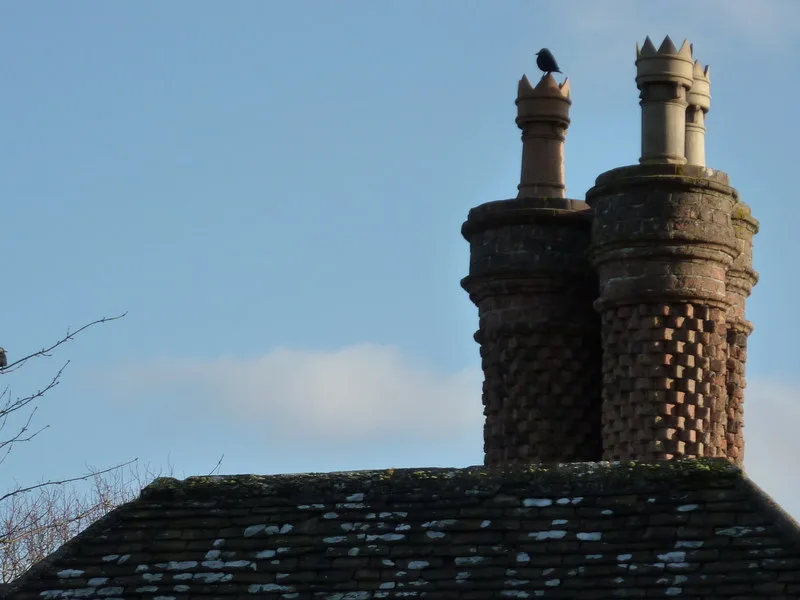
Where to Put Spikes (Ridge, Chimney, Parapet)
Start with the ridge cap, then move to the chimney stack. Spike the flat ledge at its base, and fit a mesh cap over each pot so birds cannot drop inside. Finish with the parapet wall, spiked along its top edge.
On a terraced or semi-detached house, check the party-wall line. Birds roosting on the neighbor’s section will sidestep onto yours as soon as you block your side.
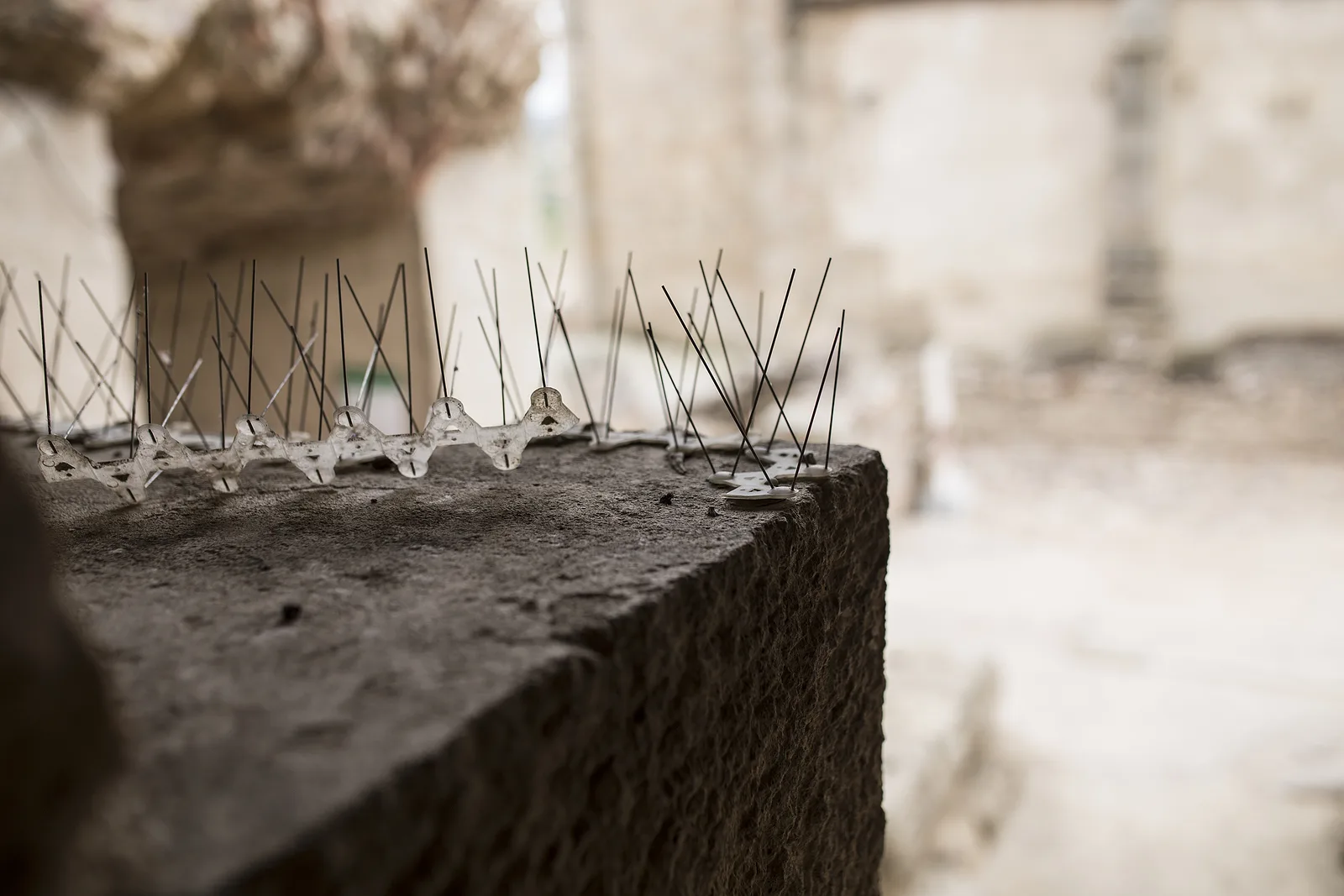
Bird Spikes vs Bird Wire: Which Do You Need?
Spike strips come in three widths: narrow for sparrows and small birds, medium for starlings and pigeons, and wide for seagulls and larger birds. For a ridge with mixed species, go wide enough to block the largest bird you see there. The bird spikes guide has product recommendations by size.
Bird wire is the alternative when looks matter. It is a tensioned stainless-steel cable strung above a surface on spring-loaded posts. Any bird that approaches feels the line and veers off. It is nearly invisible from street level.
Wire wins on narrow or irregular ledges and parapet walls of period buildings where spikes would look out of place. Spikes win on wide flat surfaces: ridge caps, broad chimney ledges, flat concrete parapets. The full wire setup is in the bird wire guide.
How to Stop Birds Nesting in Your Roof
A nesting pair is harder to deal with than a bird that merely perches. Nest material blocks gutters and drainage outlets. Droppings build up under the nest. Once a species chooses a site, it comes back year after year.
How to Block Eave Gaps and Vents
House sparrows and starlings squeeze through gaps as small as 25mm and build a nest inside in a few days. Inspect the eaves each February before nesting season begins. Look for open fascia gaps, cracked or missing mortar at the roof-wall joint, uncapped vents, and any void under the ridge tiles.
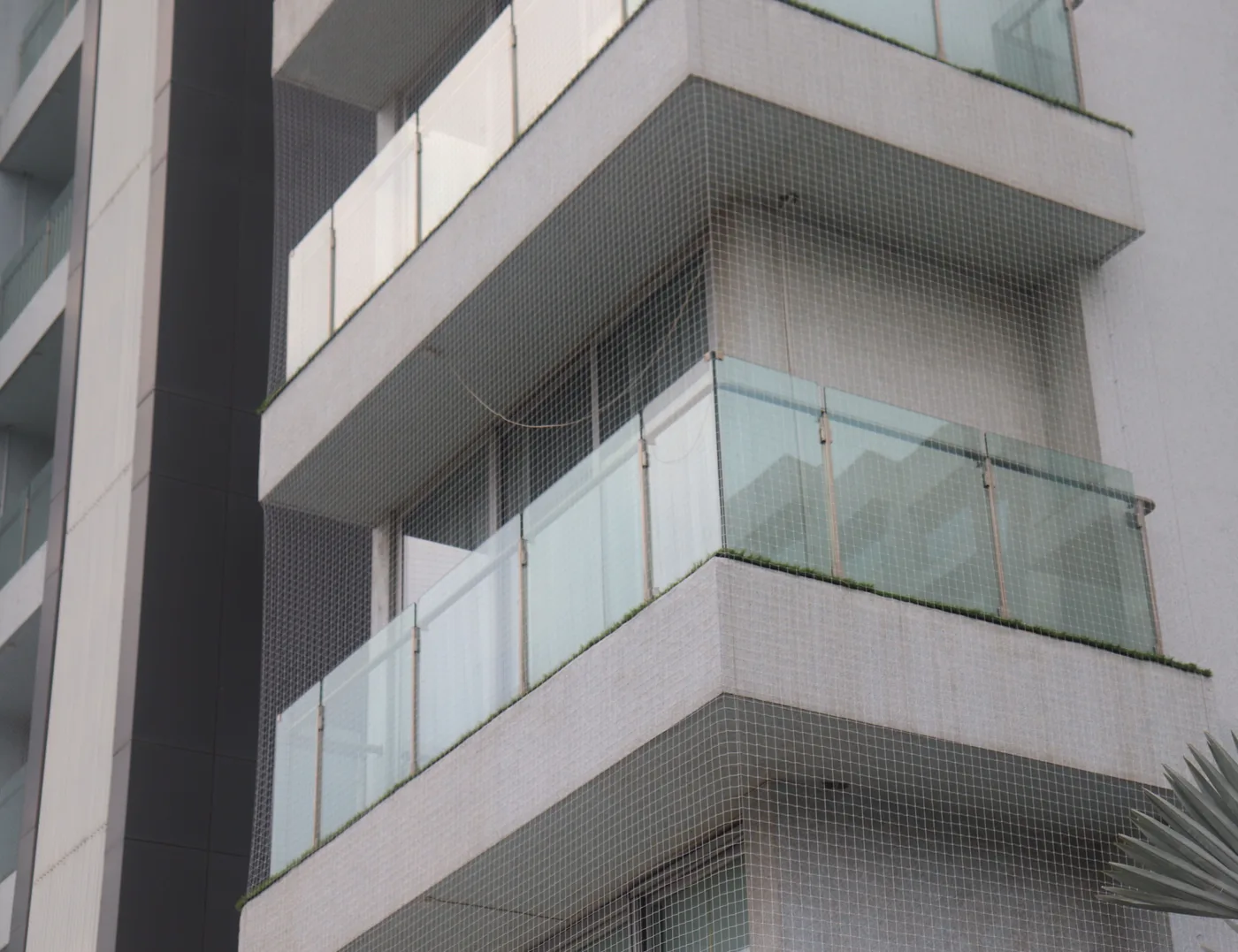
Block each gap with 19mm galvanized wire mesh stapled or screwed into the fascia. A gap that stops sparrows also stops starlings; a 50mm mesh stops pigeons but not smaller birds. For a gap under ridge tiles, comb filler (a foam strip shaped to fit the tile profile) seals the void without mortar.
For wide eave overhangs, netting on a frame holds the mesh off the surface so birds cannot reach the gap behind it. Full mesh and netting options are in the bird netting guide.
What to Do If Birds Are Already Nesting (The Law)
Most birds are protected under the Migratory Bird Treaty Act. Disturbing an active nest (one with eggs or chicks) is illegal without a federal permit. If you find an active nest when you go to seal a gap, stop. Mark the spot and come back in late summer, after the birds have fledged.
Then seal the entry point before the next spring.
How to stop birds from nesting walks through the full spring-inspection and sealing routine.
How to Keep Birds Off a Flat Roof
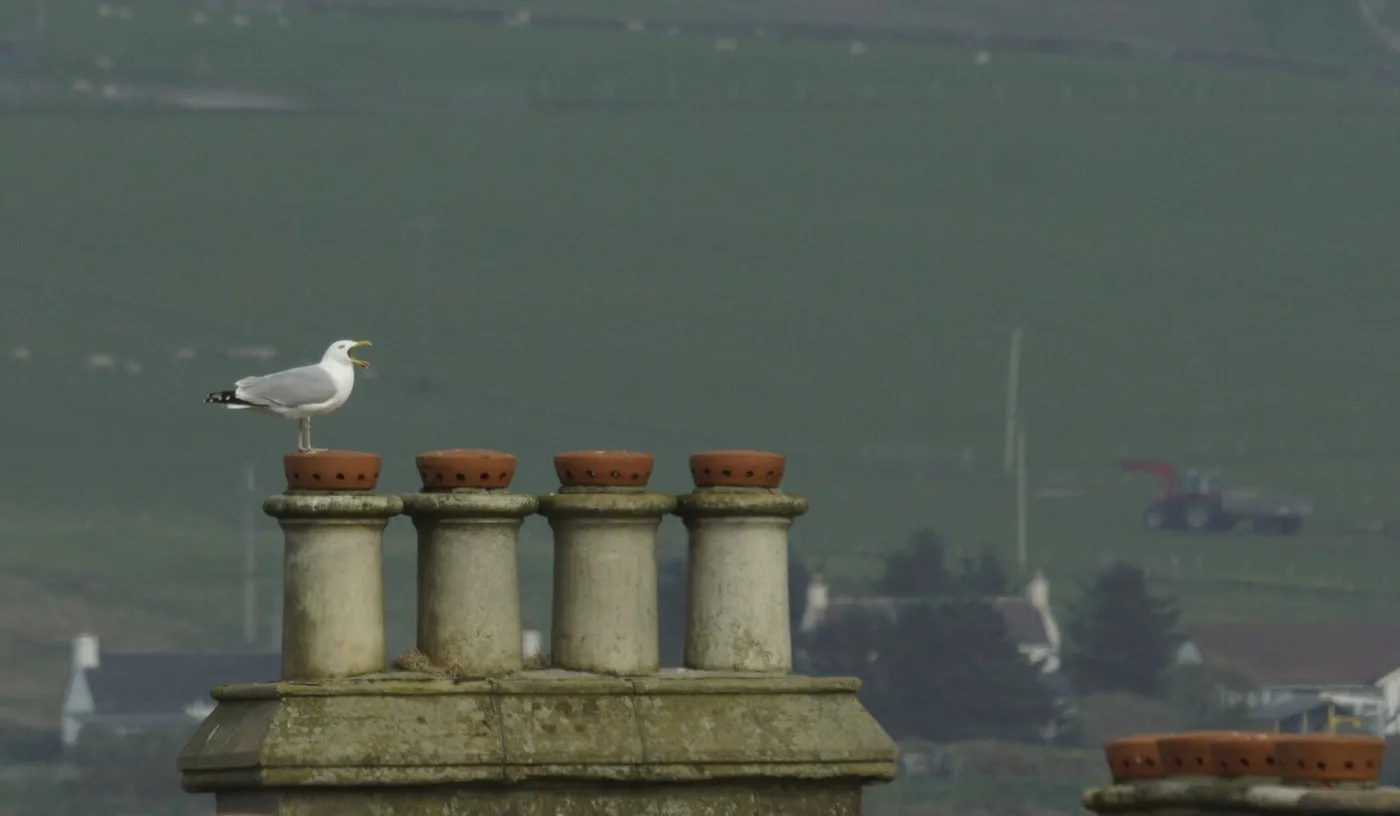
A flat roof is the hardest surface to protect. Without a ridge or pitch, the whole deck is open, and there are no obvious choke points. Pigeons and gulls treat a flat roof like a clear, open field.
The most effective flat-roof fix is a wire grid criss-crossed at 200mm spacing across the full surface. The wires sit on spring posts at about 100mm height: too low for most birds to walk under comfortably, but nearly invisible from below. Spike strips around the parapet close the perimeter.
A flock that has roosted there for months rarely leaves on the first day. Give the wire grid a week or two to take effect before judging whether it worked.
What Keeps Drawing Birds Back to Your Roof?
Spikes and wire deter birds from landing, but removing what draws them in speeds the process. Three food sources keep birds around: seeds blown from a nearby feeder, food waste in an open bin below, and insects collecting in a blocked gutter. A fouled ledge smells like a proven roost to the next bird. Clean it promptly, because the uric acid also eats into roofing materials over time.
Water is the other draw. Puddles in gutter corners, flat-roof drains, and low spots give birds a regular drinking stop. Keep gutters clear so water drains in hours rather than days. A roof that offers no food, no water, and no flat perch loses its appeal fast.
Do Fake Owls and Scare Devices Actually Work?
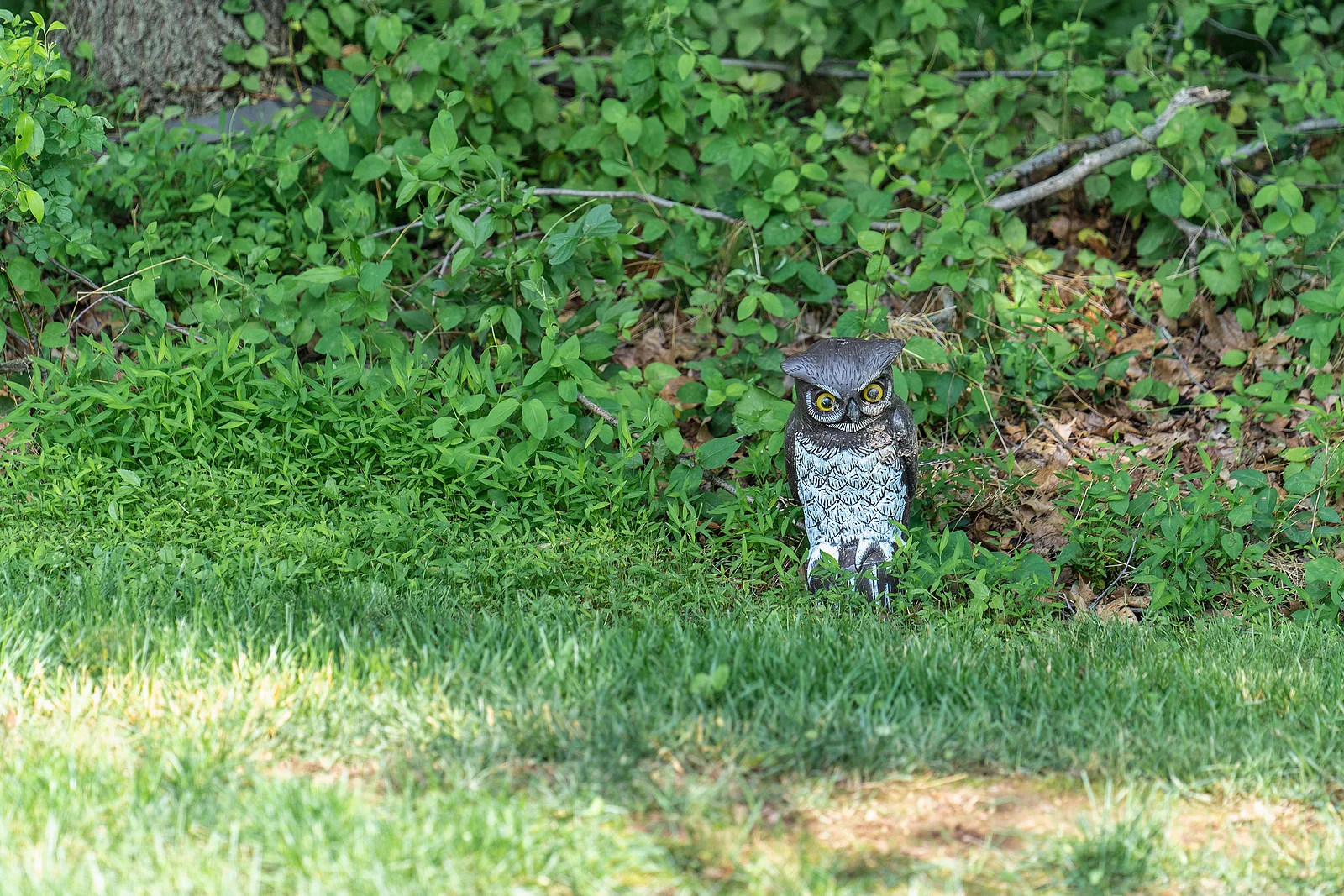
A plastic owl, a hawk kite, or reflective scare tape will work for a week or two. The novelty wears off fast, so move any decoy every few days and pair it with a physical barrier. A decoy alone is not a lasting fix.
Reflective tape and scare-eye balloons work on a startle reflex. An unexpected flash or shimmer triggers alarm. Hang several pieces at different heights around the roofline for broader coverage, since a single strip in one spot only protects that spot.
When to Call a Bird Control Company
Spiking a single ridge on a single-story addition is a straightforward DIY job. A multi-story house, a wide flat commercial roof, or a bird problem that has run for several years calls for a professional bird control company instead. Pros carry fall-arrest gear for high or steep roofs. They can also handle active nest removal under permit for species that require it.
A bird deterrents overview covers the full product range, from physical barriers to electronic options, if you want to compare approaches before deciding what to install.
Images: Sparrow on roof tiles by mebrett, CC BY 2.0, via Wikimedia Commons. Roof, chimney pots and bird by Peter Barr, CC BY-SA 2.0, via Wikimedia Commons. Bird netting on building by Best Bird Netting, CC BY-SA 4.0, via Wikimedia Commons. Herring gull on a rooftop chimney by Mike Pennington, CC BY-SA 2.0, via Wikimedia Commons. Bird spike and owl deterrent photos via BirdProofingHQ.
.jpg)


_on_a_rooftop,_Lerwick_-_geograph.org.uk_-_8034808.jpg)
Free: The 5-Step Bird-Proofing Checklist
Work through the right steps in the right order, before spending money on the wrong deterrents. Printable PDF, straight to your inbox.
No spam. Unsubscribe any time.