Solar Panel Bird Guard: Stop Pigeons Nesting Under Panels
Contents[hide]
A solar panel bird guard is steel mesh that clips around your panels and seals the gap underneath, so pigeons cannot nest there. It is the cheapest fix that actually lasts. Clear out any old nests and droppings first, then clip the mesh on without drilling the panels.
In this article, we’ll cover how solar panel bird guards work, which mesh type lasts, and how to fit it so pigeons cannot find a gap.
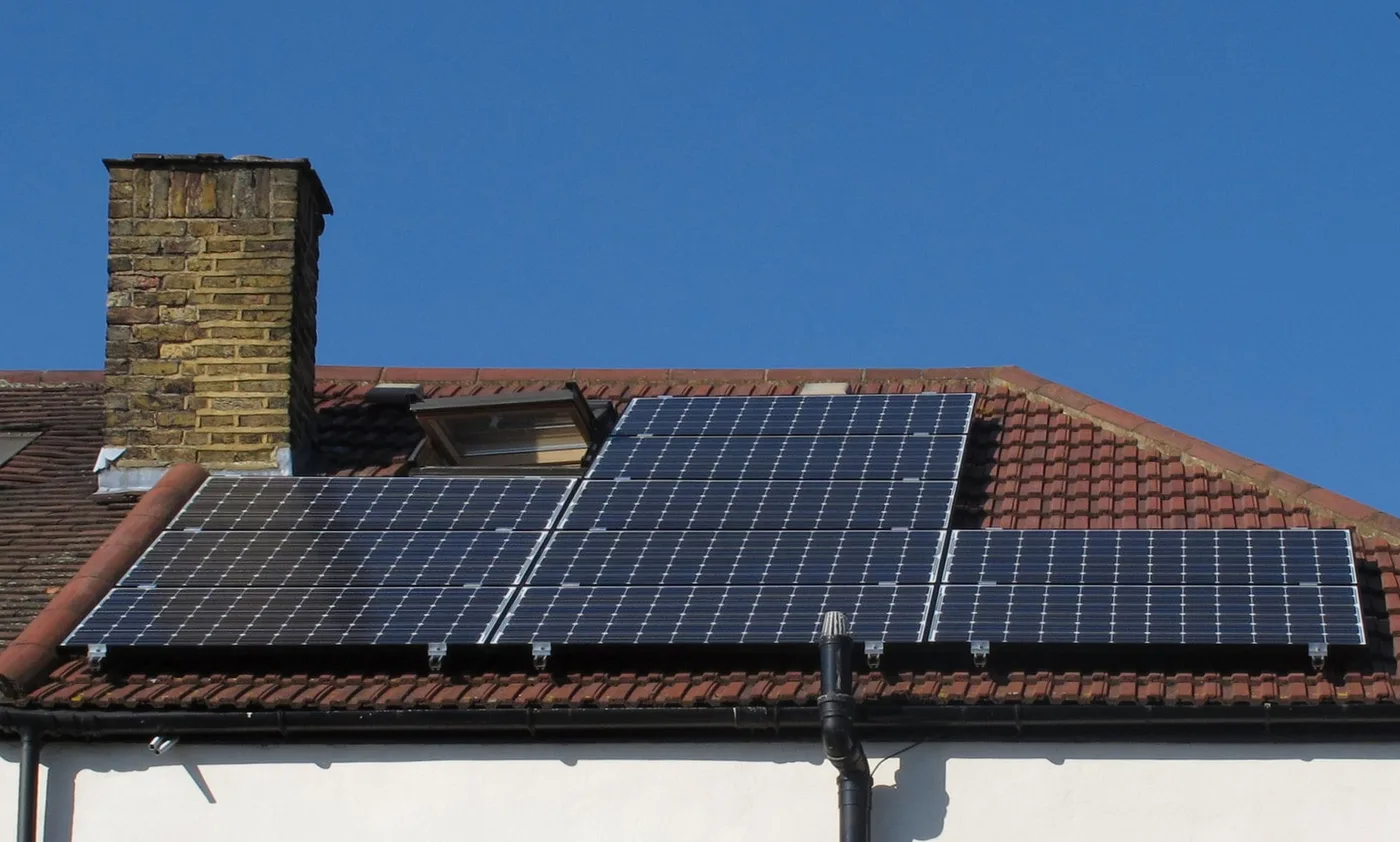
Why birds love the space under your panels
The cavity under a panel sits a few inches off the roof. It traps heat from the glass above, stays dry in the rain, and hides the bird from anything that hunts it. To a pigeon, that is a free penthouse.
The birds doing this are almost always pigeons. House sparrows and starlings use the gap too, but pigeons cause the most mess because they keep coming back to the same spot. They sleep there at night, safe from cats and hawks, then build flimsy nests in spring.
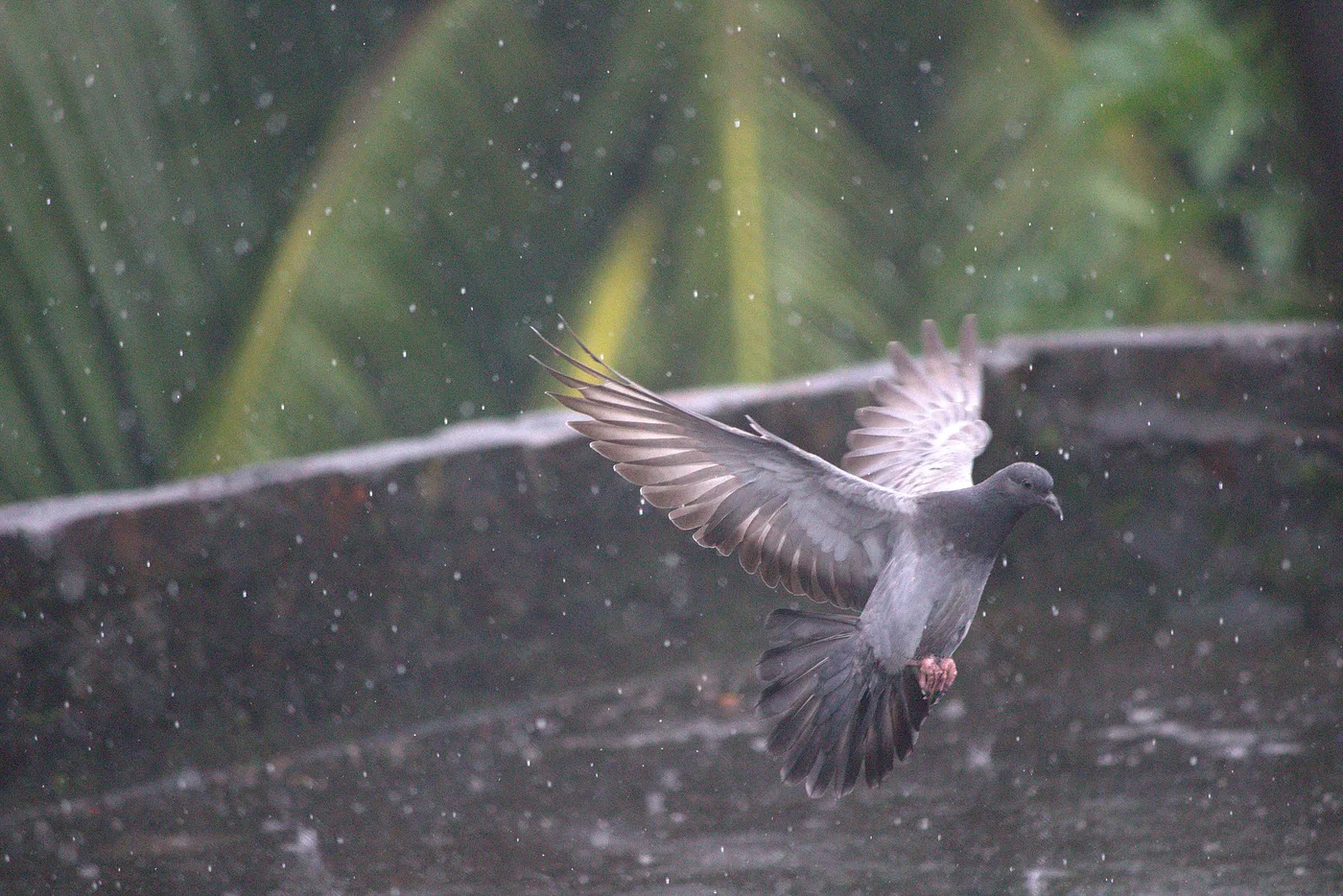
Once a pair settles in, the damage adds up fast. Droppings are acidic and eat at the panel frame and the roof. Nesting twigs clog the drainage gaps and trap even more heat. Pigeons also peck at the wiring under the panels, which is where a cheap bird problem turns into an expensive electrical one.
A nest that shades part of a panel drops your power output too, which is the cost you feel on the bill. Their droppings and feathers also carry mites that can work their way down into your attic.
What a solar panel bird guard is
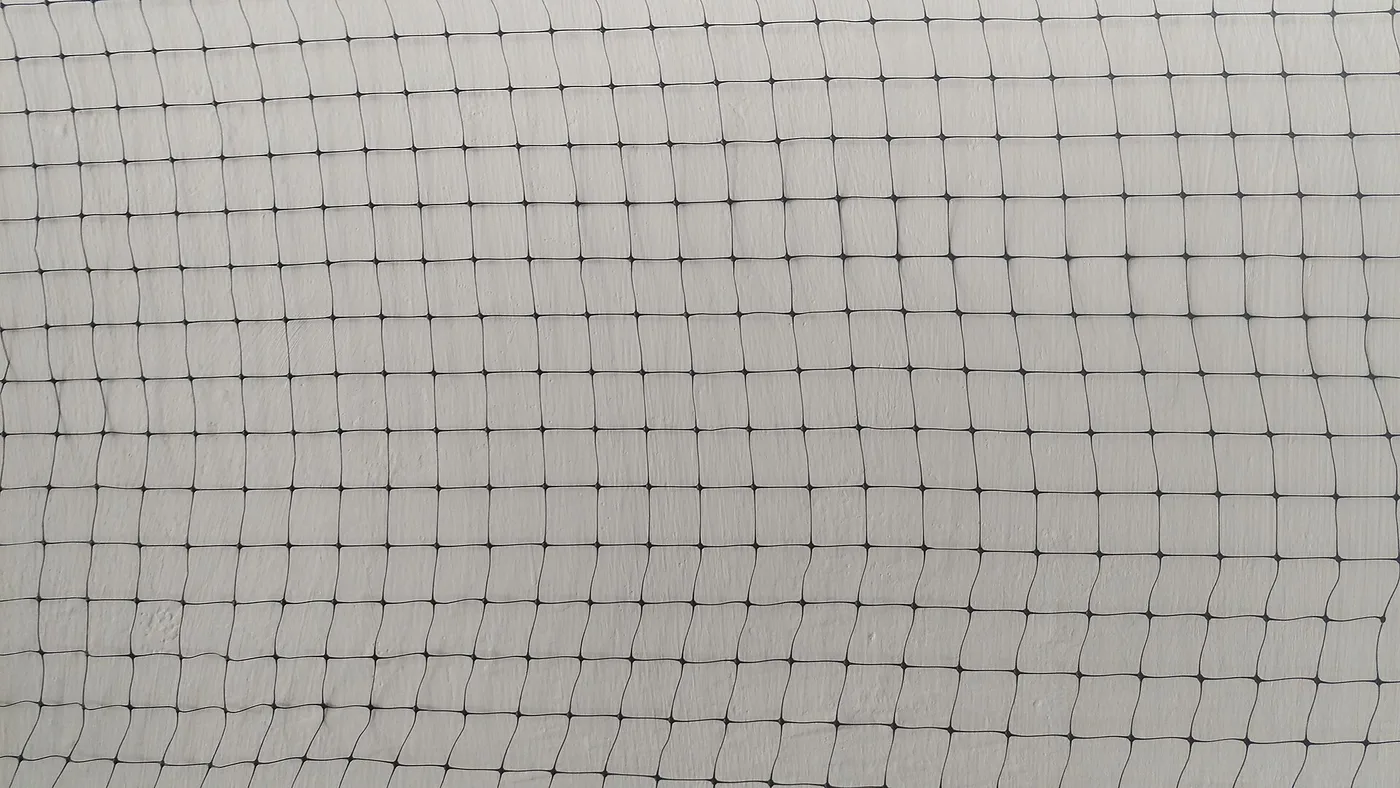
A bird guard is a strip of metal mesh that runs around the whole edge of your panel array. It blocks the gap so nothing can squeeze underneath. The mesh holds in place with small stainless steel clips that grip the lip of the panel frame.
That clip design is the important part. Good kits need no drilling, so the panels and the roof stay untouched and your warranty stays intact. The market calls these kits “critter guards” or “pigeon mesh,” and they all work the same way.
What to look for when buying one
Not all mesh is equal, and the cheap stuff fails in a season. Look for these things before you buy:
First, get galvanized steel mesh, ideally PVC coated on top of that. Bare steel rusts and stains your roof. A coated, galvanized wire stands up to years of sun and rain.
Second, check the hole size. Half-inch mesh keeps out pigeons, sparrows, and starlings. Anything wider lets the small birds slip through, which defeats the point.
Third, buy a kit with enough mesh and clips for your array. Mesh comes in rolls, usually about 6 inches tall and up to 100 feet long. Measure the full perimeter of your panels and add a little extra for corners and waste.
How to install it
Clip kits go on without power tools, but you do need a safe way to work on the roof. Here is the order that works.
First, clear out everything already living under there (see the next section). Never seal a bird in. Then measure each run of panels and cut the mesh to length with tin snips. Wear gloves, because cut wire is sharp.
Next, push the clips onto the bottom lip of the panel frame, spaced about every 12 inches. Slot the top edge of the mesh into the clips so the wire hangs down and covers the gap to the roof. Work along one side at a time and keep the mesh snug, with no loose corners a bird can pry open.
Finish by walking the whole array and checking for gaps. Birds are patient, and they will find the one corner you rushed.
Clean out what is already there first
If pigeons have been under your panels for a while, there is a mess waiting. Suit up before you seal anything in.
Wear a mask and gloves, because dried droppings can carry germs you do not want to breathe. Scrape out the nests and droppings, bag them, and wash the area down. If the droppings have built up on the roof, clean that too so the acid stops working on your tiles.
One legal note. Pigeons, house sparrows, and European starlings are not protected, so you can remove them and their nests anytime. Most other birds are protected by federal law. If you find a native bird like a swallow with an active nest, stop.
Treat it as a nesting problem and wait until the young have flown before you seal the gap.
Other ways to keep birds off panels
Mesh handles the gap underneath. A couple of other tools help with birds landing on top of the panels or on the roof around them.
Bird spikes work on the roof ridge and on flat ledges near the array, where birds like to perch and scout. They do nothing for the gap under the panels, so treat them as a backup, not the main fix. Before you buy a long run, it is worth knowing which spikes hold up outdoors and which ones go brittle in the sun.
Skip the gimmicks. A plastic owl, a hanging CD, or an ultrasonic box might scare pigeons for a week. Then the birds learn it never moves and they ignore it. If pigeons are also working the rest of your roof, handle that with barriers, not noise.
It is the same approach as keeping pigeons off the roof anywhere else.
When to call a pro
A clip kit is a doable weekend job on a single-story roof. Call someone if your roof is steep, high, or slippery, or if the array is large. Falls from roofs are common and serious, and no bird problem is worth one.
A solar installer or a pest pro who does bird proofing can fit a guard in a few hours. They will clean out the old mess at the same time. Ask them to use a clip system, not screws, so your panel warranty stays good.
Pigeons are creatures of habit, and the rock pigeon behind most of these problems will return to a familiar spot for years. Seal the gap once, do it well, and they move on to an easier roof.
Images: Rooftop solar panels by David Hawgood, CC BY-SA 2.0. Rock pigeon in flight by Swarnava Dhawa, CC0. Anti-bird mesh close-up by SaturninoOpi, CC BY-SA 4.0. Via Wikimedia Commons.


Free: The 5-Step Bird-Proofing Checklist
Work through the right steps in the right order, before spending money on the wrong deterrents. Printable PDF, straight to your inbox.
No spam. Unsubscribe any time.