Heavy-Duty Bird Netting: When It Is Worth It and How to Choose
Contents[hide]
- 1. When Heavy-Duty Bird Netting Is Worth It
- 2. Match the Net to Site Loads
- 3. Mesh and Material Answer Different Questions
- 4. A Stronger Net Still Needs a Support System
- 5. Plan Access and Emergency Routes Before Enclosing the Opening
- 6. Check for Nests and Wildlife Before You Close the Site
- 7. Maintenance Is What Makes Heavy-Duty Netting Pay Off
- 8. When the Job Needs a Professional
Quick Answer
Heavy-duty bird netting is worth it when ordinary garden netting would fail from years of wind, weather, repeated access, or a large opening. Choose a species-matched mesh and a supported, taut, inspectable system. Never close it over birds or an active nest.
In this article, you'll learn when a tougher netting system is worth the extra cost and planning. We'll cover durability and material, support and access, and inspection and maintenance.
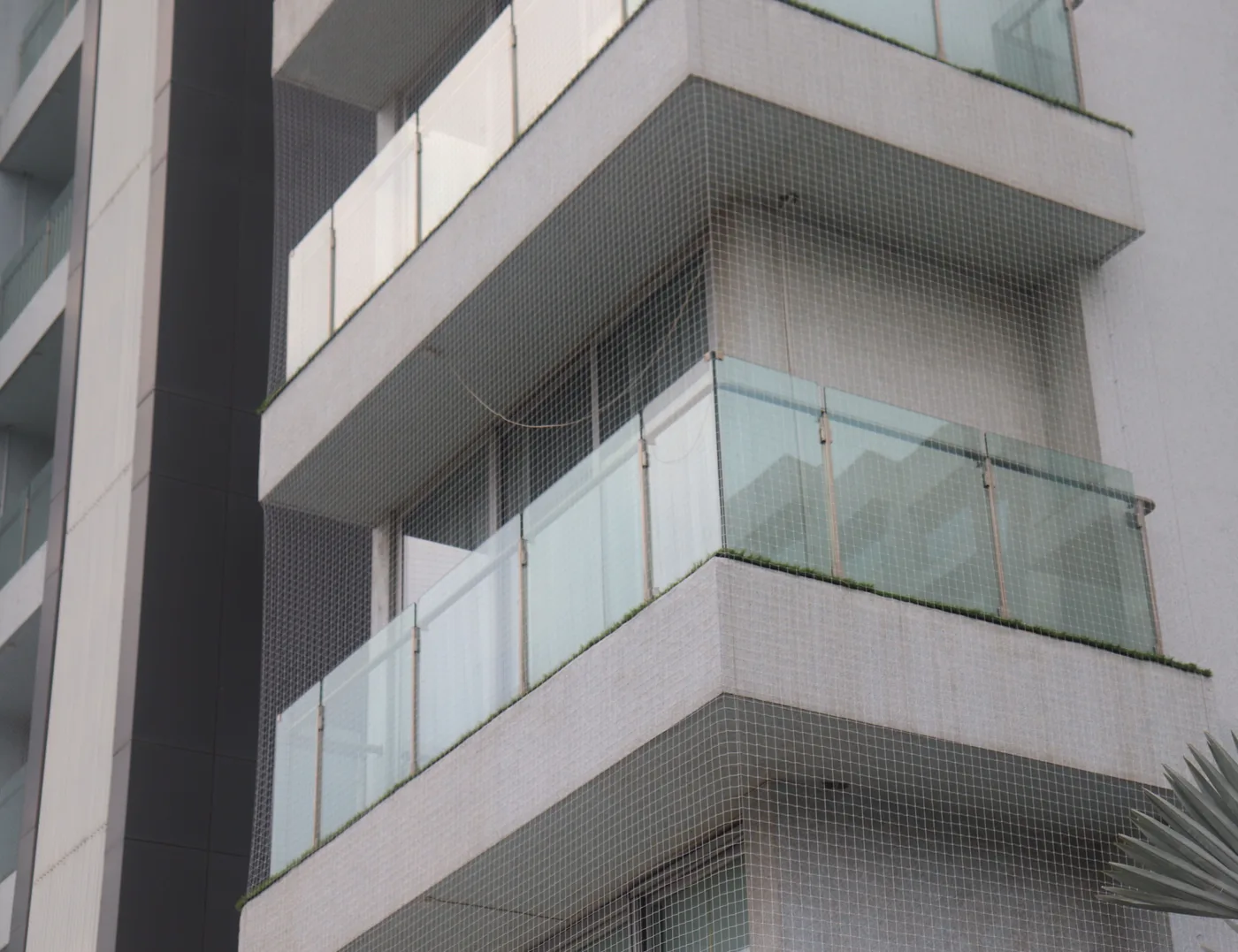
When Heavy-Duty Bird Netting Is Worth It
A tougher exclusion system earns its cost when a site faces years of outdoor exposure, a large opening, frequent access, or hard-to-reach repairs. A small, sheltered, seasonal cover you can check weekly usually doesn’t need it. Check the expected wear and service access before paying for a heavier label. Weigh that against a broader bird-proofing plan.
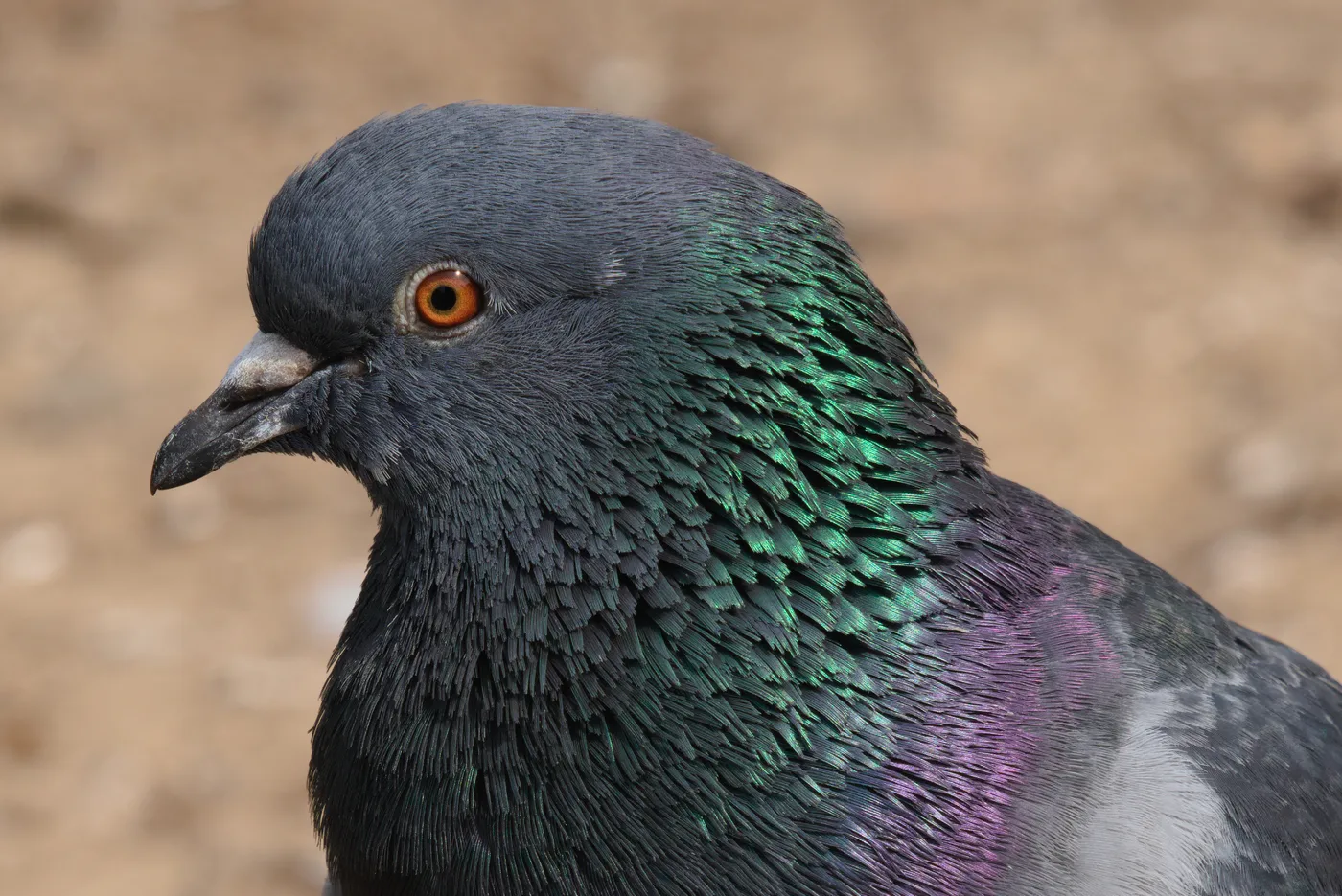
Match the Net to Site Loads
Start with the conditions the net must handle: UV and weather exposure, wind and debris, abrasion points, height, and how often it opens and closes. Steady bird traffic asks more of a net than an occasional visitor.
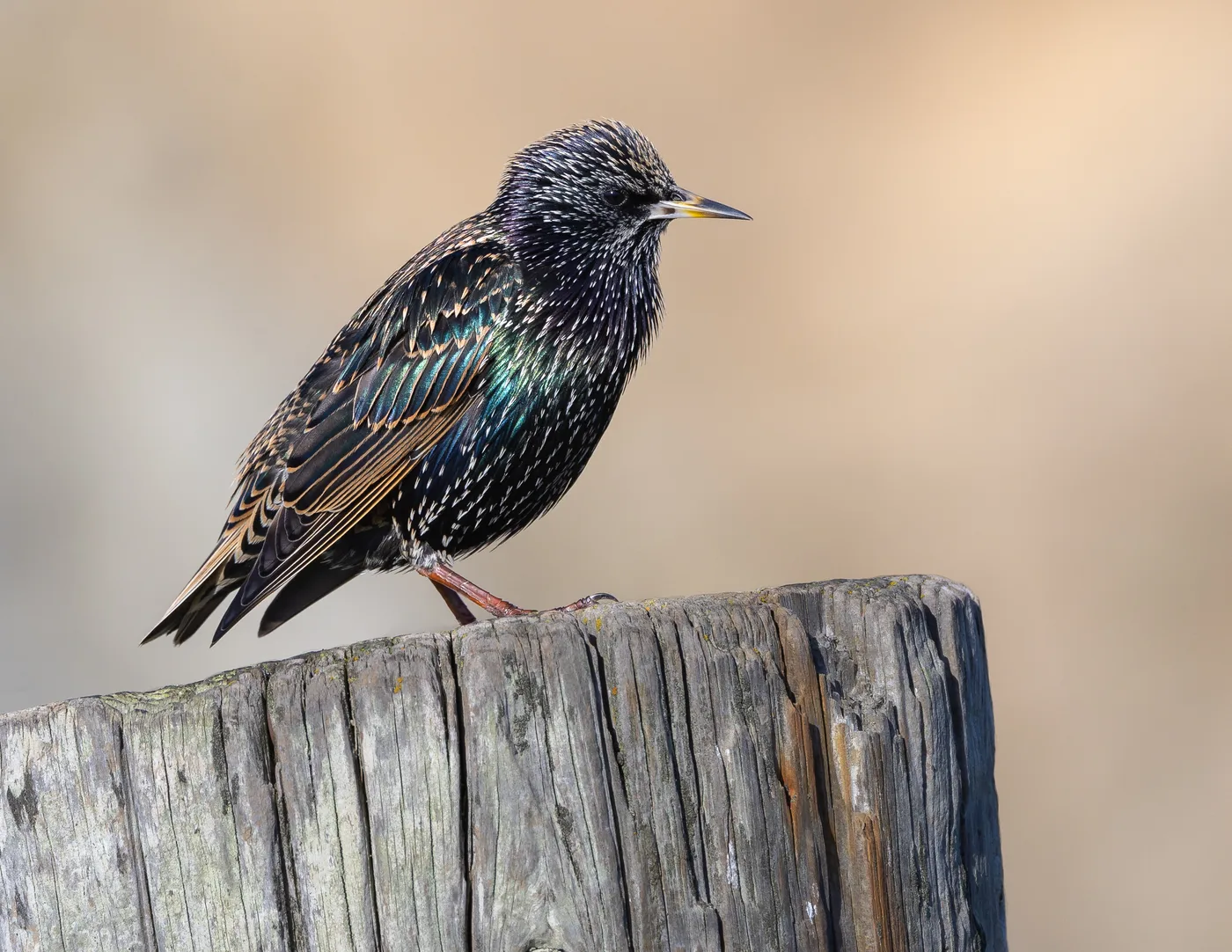
Mesh and Material Answer Different Questions
Mesh size decides whether the target bird can pass through the net. USDA guidance says mesh depends on the species, and 3/4-inch mesh keeps most pest birds out. Use the smallest target bird when sizing mesh by species. Material is separate: ask the manufacturer for written UV, warranty, and outdoor-suitability specifications instead of assuming a heavier net holds up better.
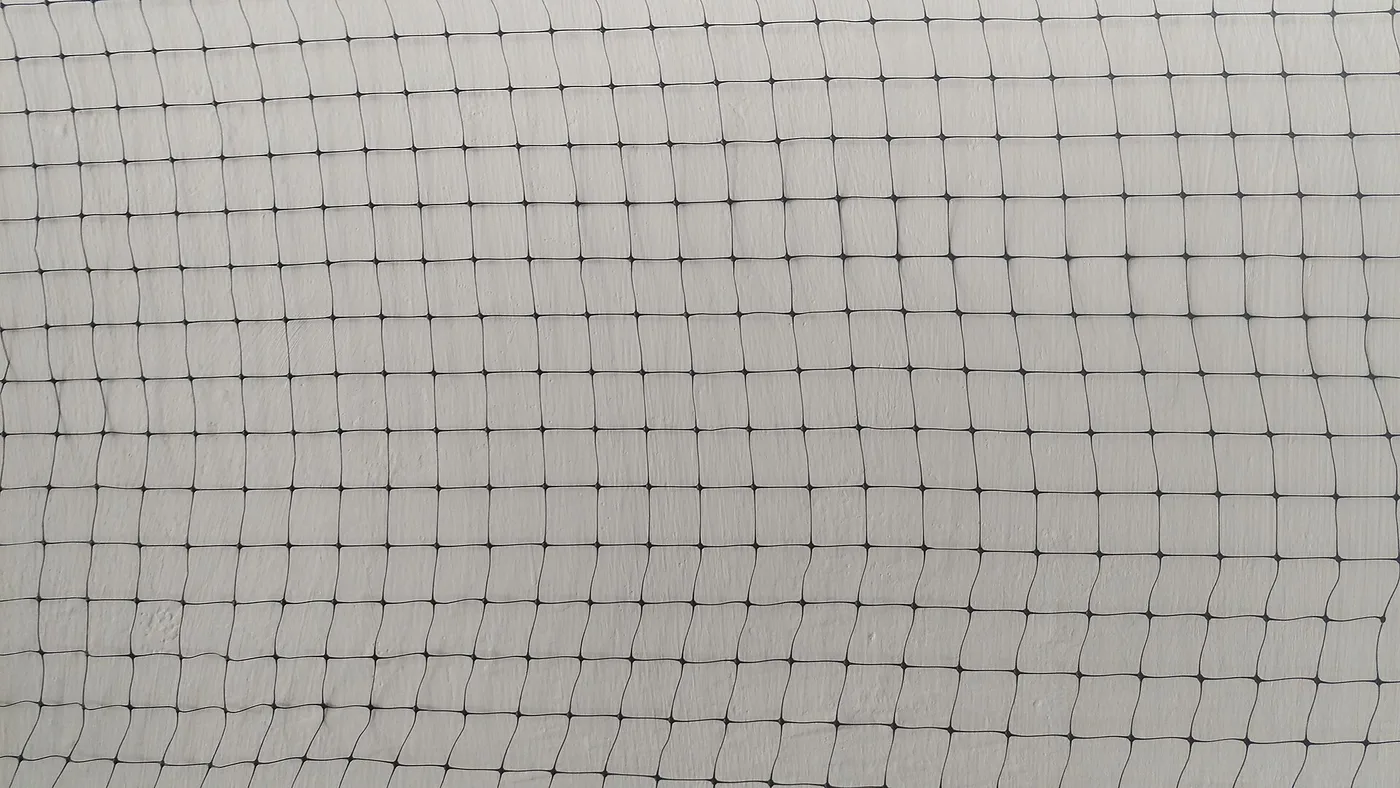
A Stronger Net Still Needs a Support System
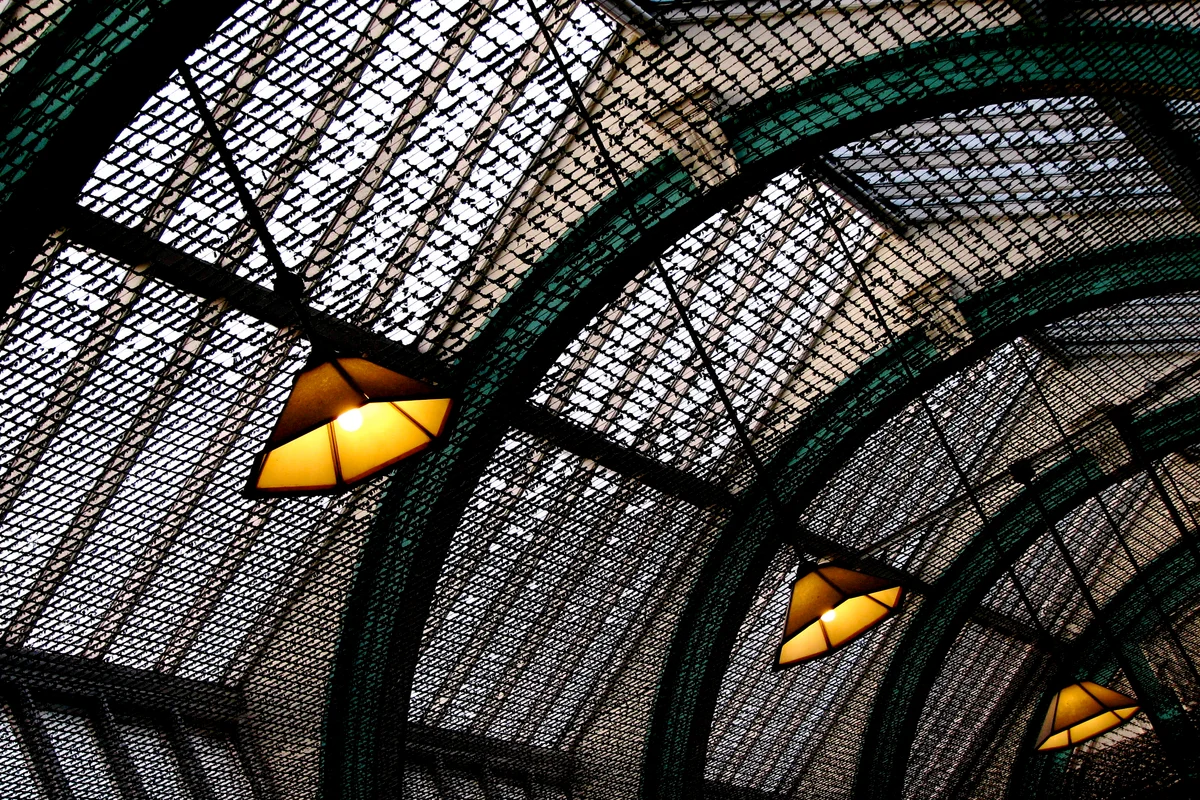
Tougher netting still needs a support layout that keeps it taut, not sagging or rubbing a sharp edge. UC guidance says netting should stay taut with no loose pockets or wrinkles, since slack sections can trap birds and flapping netting can tear loose at its mounting points. UNH Extension describes post-and-wire supports that hold netting above what it protects.
Plan Access and Emergency Routes Before Enclosing the Opening
Before enclosing a balcony, loading dock, or rooftop area, plan how people will get in and out. UNH Extension warns against leaving one whole side of a large cover open because workers pass under it; a planned gate or removable section solves that without an opening for birds. A net, cable, gate, or lock can never block a required means of egress. OSHA requires exits stay clear and usable in an emergency, so confirm access and fire requirements with the owner and local authority.
Check for Nests and Wildlife Before You Close the Site
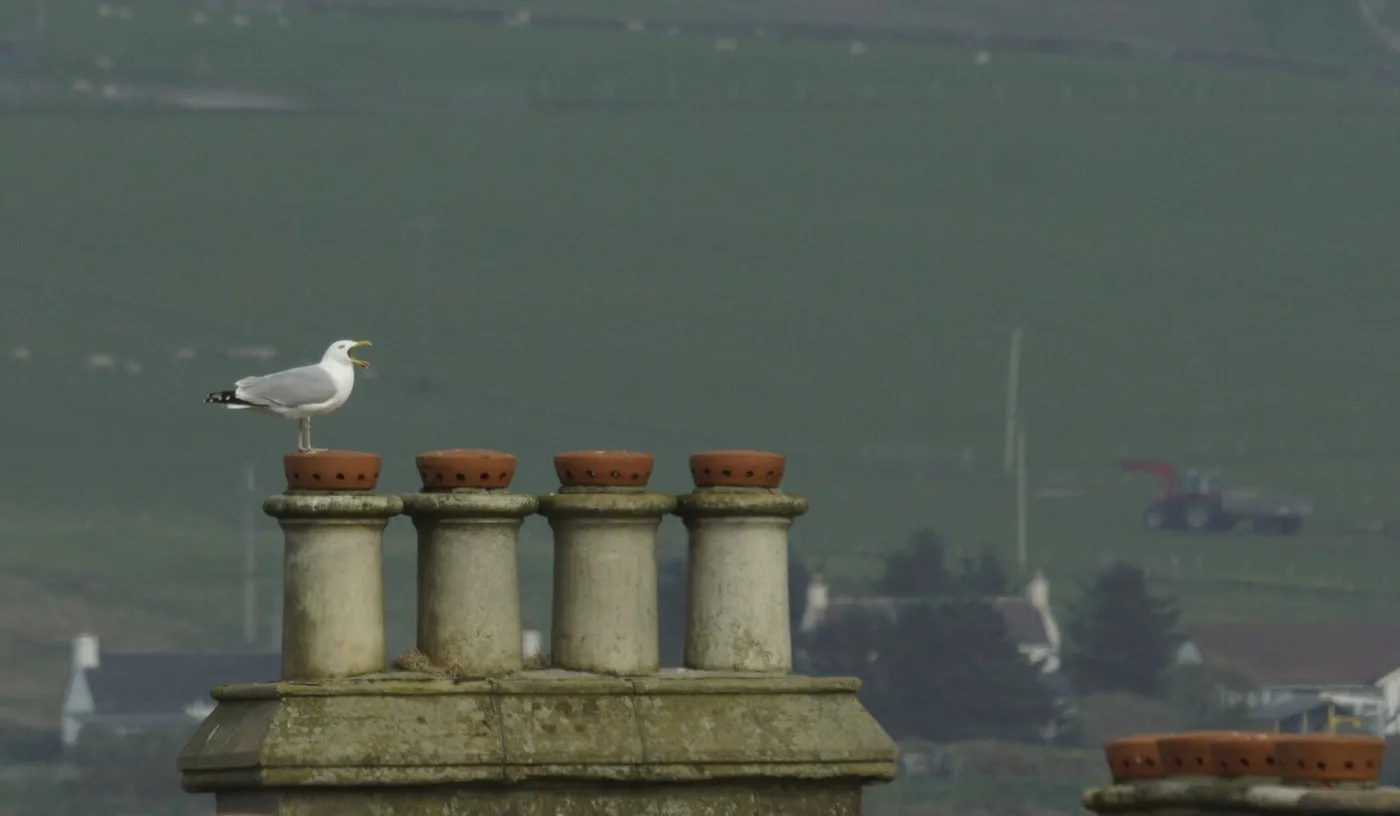
Heavy-duty netting is humane only when it’s installed correctly. USDA guidance warns that a poorly installed net can trap birds and lead to their death. Never close a net over birds already inside the space. If a bird becomes entangled, contact a licensed wildlife rehabilitator or local wildlife agency instead of trying to free it yourself.
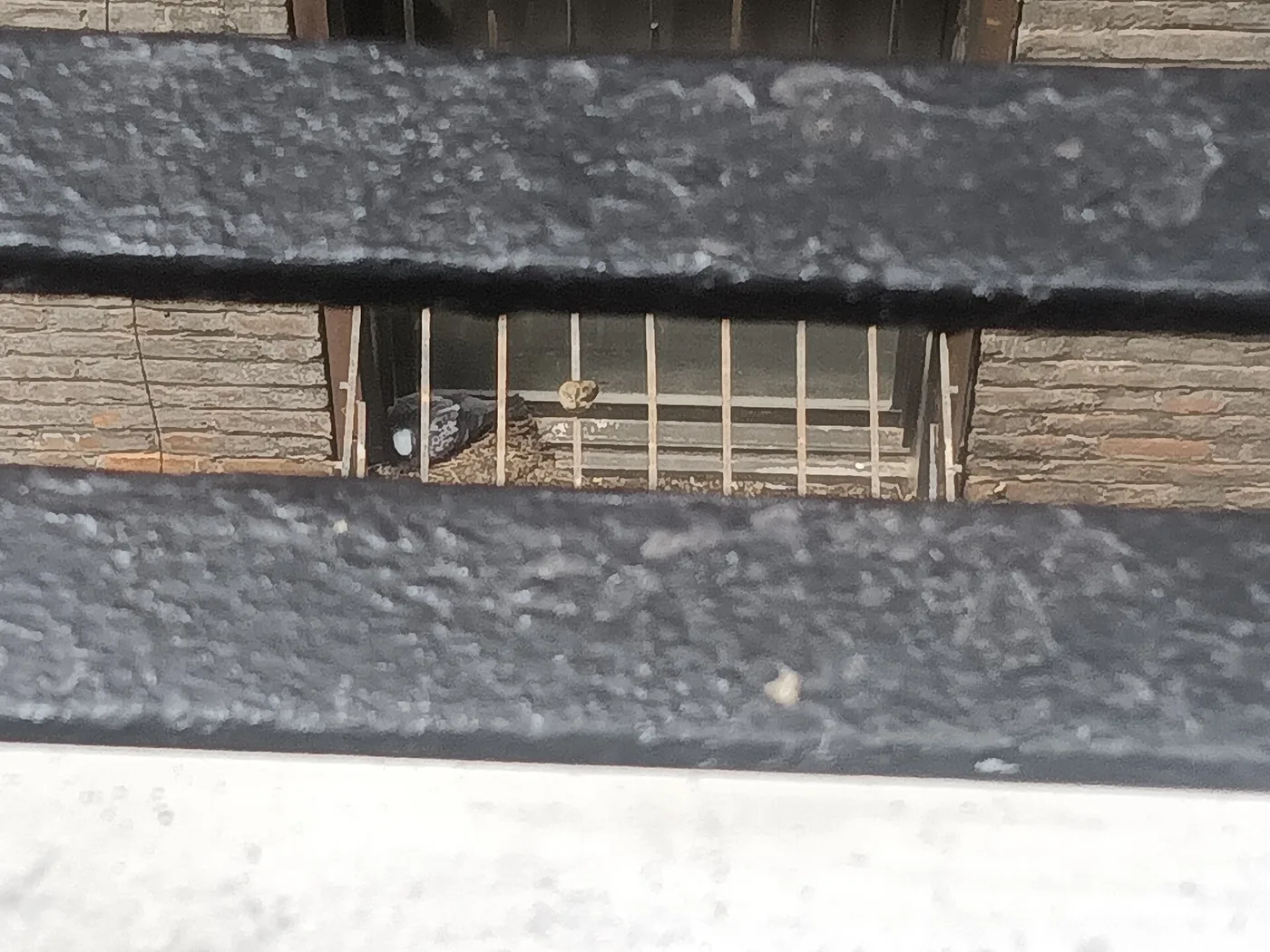
Inspect the site for nests before closing it up. Federal law prohibits taking a protected migratory bird, nest, or egg without authorization. If you find an active nest, stop work and check what your local rules say about protected birds, or what to do about a nest already there.
Maintenance Is What Makes Heavy-Duty Netting Pay Off
A durable net still needs upkeep. UNH Extension notes that lifespan depends on material quality and the care used in assembly, disassembly, and storage. MSU Extension recommends keeping exclusion nets sealed and checking them regularly, especially after windstorms, because a shifted or torn edge can reopen the site.
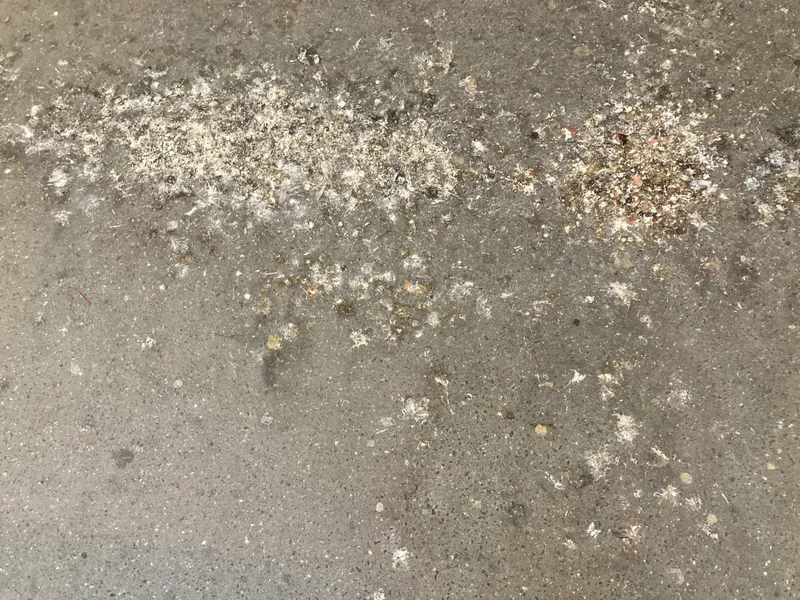
Build a simple routine: check before closing the site each season, walk the perimeter after storms, and inspect seams, corners, and repairs whenever maintenance crews pass through.
When the Job Needs a Professional
Some sites are beyond a DIY project: height, difficult anchors, long unsupported spans, roof and facade work, wind exposure, or a conflict with egress or building code call for a licensed bird-control or building professional. UC guidance notes that extensive netting on a two-story building is often more than a resident wants to take on, and recommends calling a bird-control professional for that job.
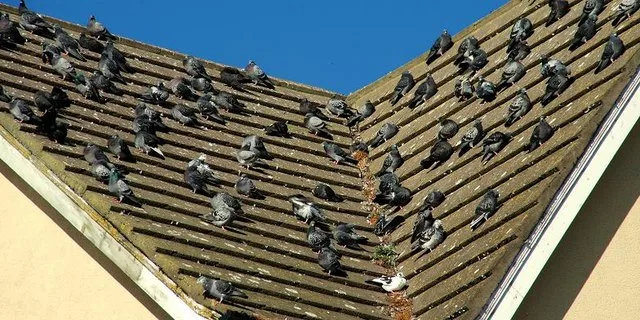
A large flock across an entire roofline is often the clearest sign a site has outgrown a DIY fix. A commercial bird-control plan can size the system to the real pressure, and typical bird removal costs help you judge a quote before you sign anything.
Images: Bird netting on a building by Best Bird Netting, CC BY-SA 4.0. Feral pigeons on a rooftop by Albert Bridge, CC BY-SA 2.0. Herring gull on a rooftop chimney by Mike Pennington, CC BY-SA 2.0. Pigeon droppings on surface (CC0). Anti-bird mesh close-up by SaturninoOpi, CC BY-SA 4.0. The Uglyness of Pigeon Netting by CGP Grey, CC BY 2.0. Pigeon nesting in air conditioner cage by Jay Dobkin, CC BY-SA 4.0. Starling close-up by Frank Schulenburg, CC BY-SA 4.0. Feral pigeon roosting by Satdeep Gill, CC BY-SA 4.0. Images were converted to WebP and resized where needed. Via Wikimedia Commons.

_-_geograph.org.uk_-_1520078.jpg)
_on_a_rooftop,_Lerwick_-_geograph.org.uk_-_8034808.jpg)


.jpg)

_at_Bodega_Head-1209.jpg)

Free: The 5-Step Bird-Proofing Checklist
Work through the right steps in the right order, before spending money on the wrong deterrents. Printable PDF, straight to your inbox.
No spam. Unsubscribe any time.