Canada Geese: Why They Take Over Lawns and How to Deter Them
Contents[hide]
Canada geese are large waterfowl drawn to short, watered grass next to open water. A flock grazes a lawn to bare dirt and leaves a pound of droppings per goose per day. They are federally protected, so the fix is humane: taller shoreline grass, blocked sight lines, and a trained dog.
In this article, we’ll cover how to identify Canada geese, what keeps drawing them to your lawn, and which deterrents actually move them on.
How to Identify a Canada Goose
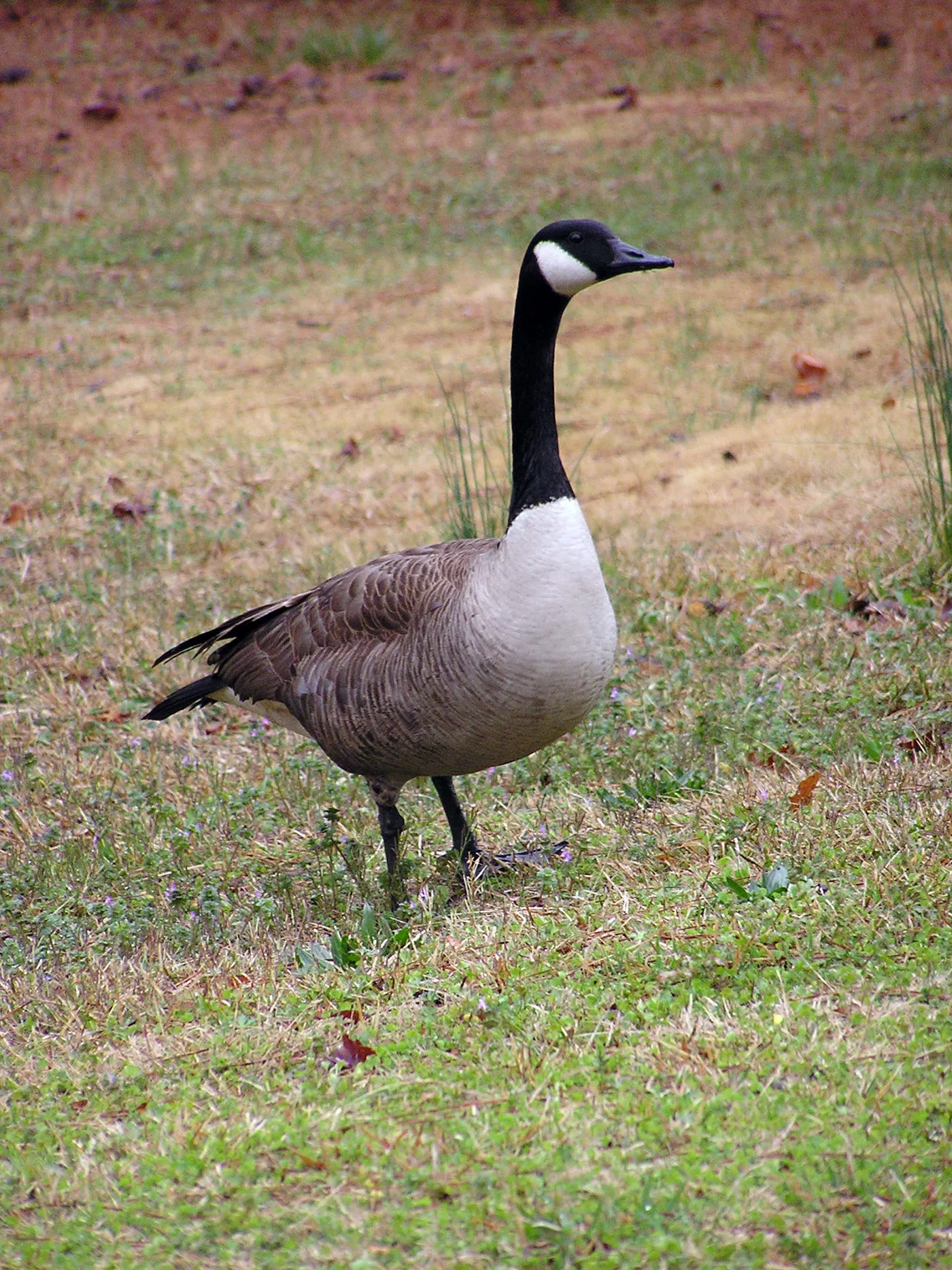
A Canada goose is hard to miss. It is a big grayish-brown bird with a long black head and neck. The bright white strap under the chin gives it away.
They are loud, honking in flight and on the ground, and they move in family groups and big V-shaped flocks. You may also see all-white domestic geese near ponds. The black-necked Canada goose (Branta canadensis) is the one behind most lawn complaints.
Canada Goose or Cackling Goose?
There is one lookalike worth knowing. The cackling goose is a near-identical mini version, closer to duck size, with a stubbier neck and a higher, squeakier honk. It was split off as its own species in 2004.
Cackling geese pass through with migrating flocks in fall and spring, and they rarely stick around. If the goose camped on your lawn in June is big and loud, it is a Canada goose.
Resident vs Migratory Geese
Most lawn problems come from resident Canada geese, the ones that have stopped migrating and live in one area year round. Many are the giant Canada goose, the largest of the seven or so types. Their numbers have boomed around suburbs, golf courses, and city parks.
Smaller migratory geese still pass through on their flyways each spring and fall. It is the resident birds that settle on your lawn and stay.
Hunting seasons thin migrant geese in rural areas, and regulators set longer seasons aimed at the resident population. None of that reaches the flock living in a city park, where hunting is off the table. That is why deterrence has to run year round, not just a one-time spring fix.
There is one window when geese are stuck in place: the summer molt. For a few weeks each year, adult geese lose their flight feathers and cannot fly, so they gather on open lawns near water and graze heavily. A goose problem usually feels worst during the molt, and it is also when a flock is easiest to herd off with a dog.
What Geese Eat and Why They Pick Your Yard
Geese are grazers. They eat grass, green vegetation, grains, and aquatic plants, so a fertilized, well-watered lawn is a perfect open field. Golf courses, city parks, farm ponds, and corporate lawns are natural magnets. Geese raid farm crops for the same reason.
Add water nearby for safety, plus clear sight lines so they can spot danger coming. Adult geese have few natural predators in a city park, which is part of why resident flocks grow unchecked. Coyotes, foxes, and bald eagles take some birds, and raccoons and gulls raid geese nests, but none of them make a dent in an urban flock.
Put open grass, water, and no predators together and you have everything a goose wants. Take any one of those away and the spot gets less appealing.
Where Do Canada Geese Nest?
Geese pick a nest site on the ground near water, with a clear view in every direction. Pond edges, lake islands, and reedy shorelines are classic spots. In the suburbs they improvise: landscaping beds, parking lot islands, rooftop planters, and the mulch next to an office entrance all get used.
The nest itself is a shallow bowl of grass and sticks lined with down. The female lays two to eight eggs and sits on them for about a month while the male stands guard nearby. This is when geese get aggressive, and it is also when the law is strictest around the nest.
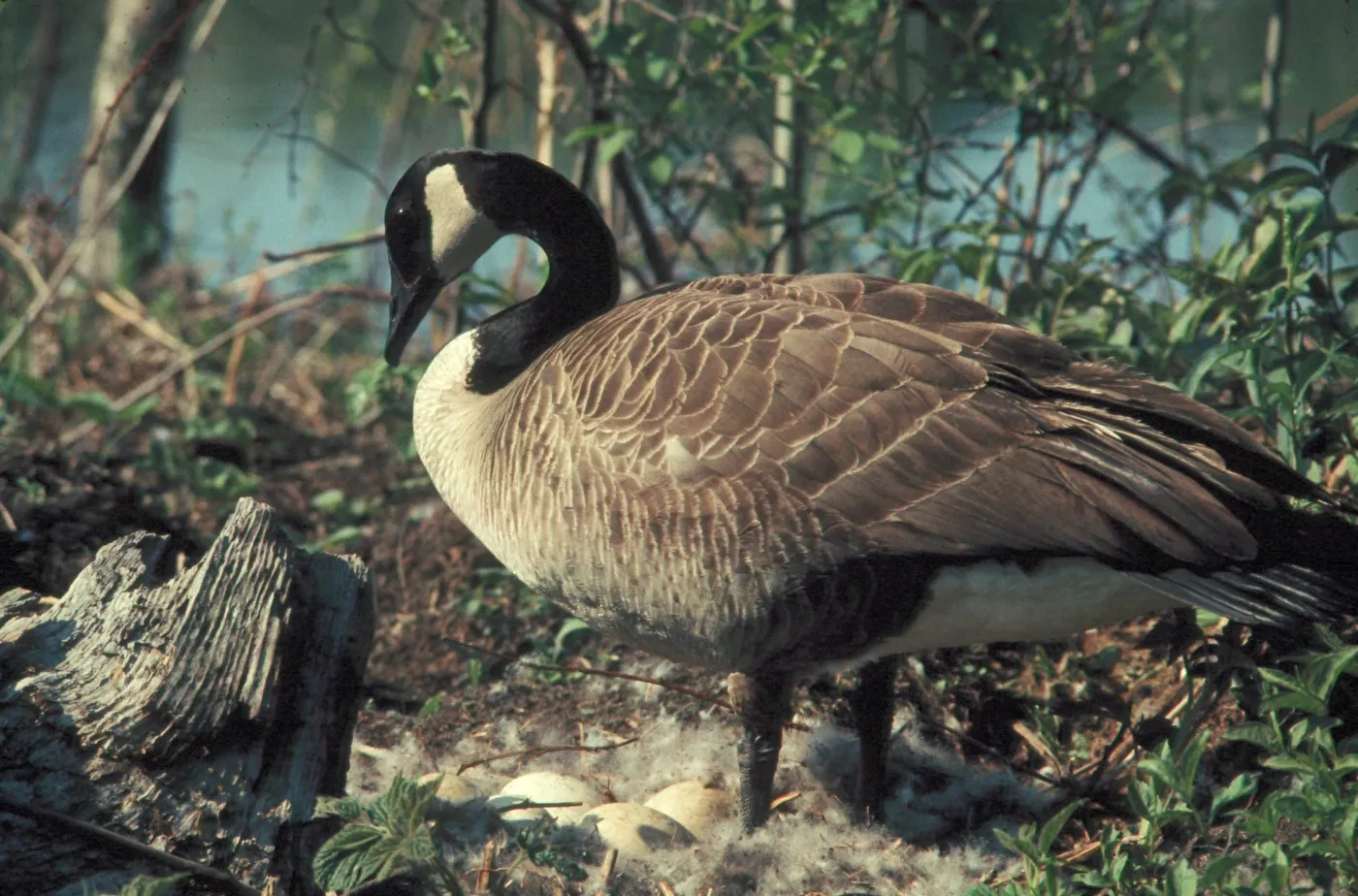
A pair that nests successfully returns to the same nest site the next year, often within a few feet. One quiet pair in April becomes a family of six by June and a small resident population within a few seasons. That is how a single nest turns into a lawn full of geese.
Are Geese a Problem?
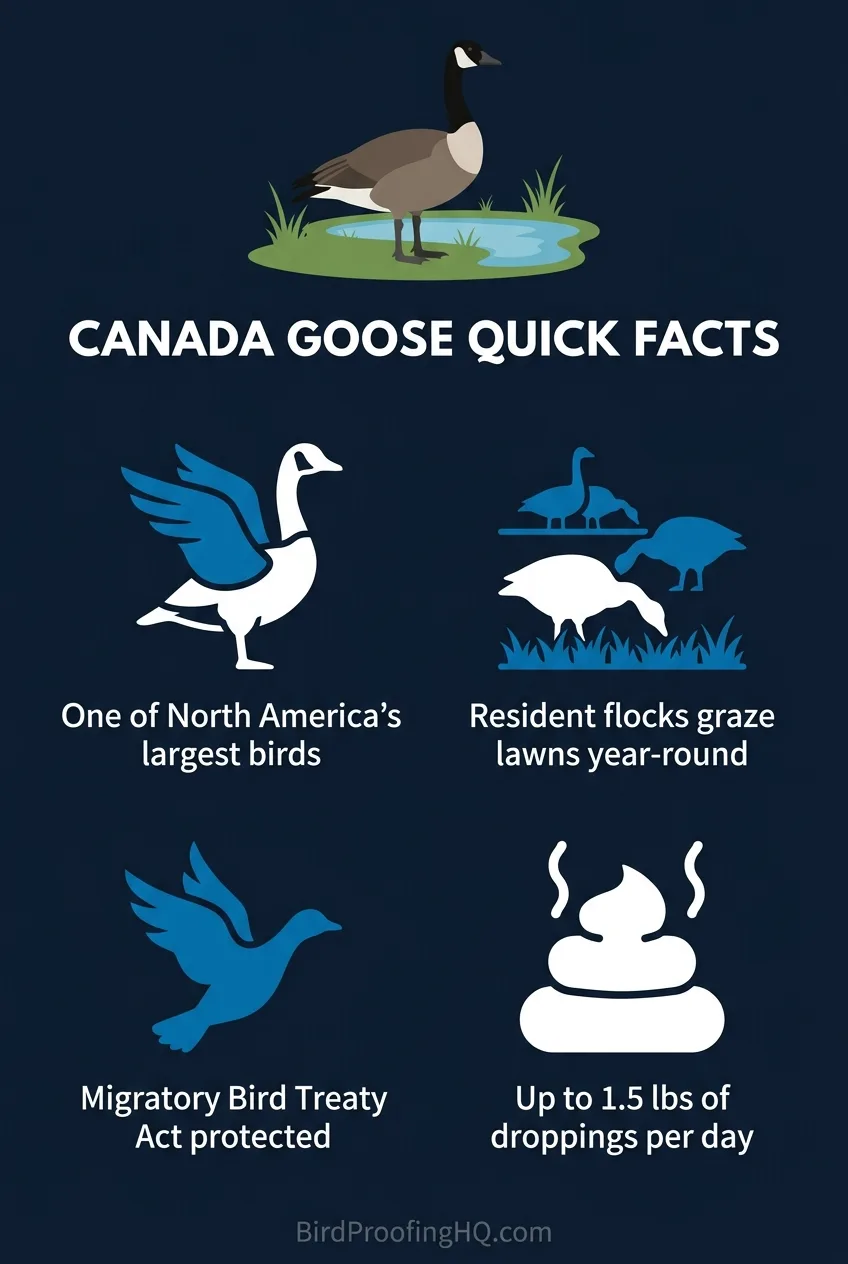
For a lot of properties, yes. A flock leaves a startling amount of droppings, close to a pound per goose per day. It fouls lawns, paths, and docks, and washes into the water. They also graze grass down to bare dirt.
During nesting season a protective pair will hiss, charge, and chase people and pets. And geese come back to the same good spot year after year, so a small problem grows.
Are Geese Protected?
Yes. Canada geese are protected under the federal Migratory Bird Treaty Act. You cannot harm them or disturb an active nest or eggs without a permit. Humane deterrence is both the legal route and the one that actually lasts.
How to Keep Geese Away
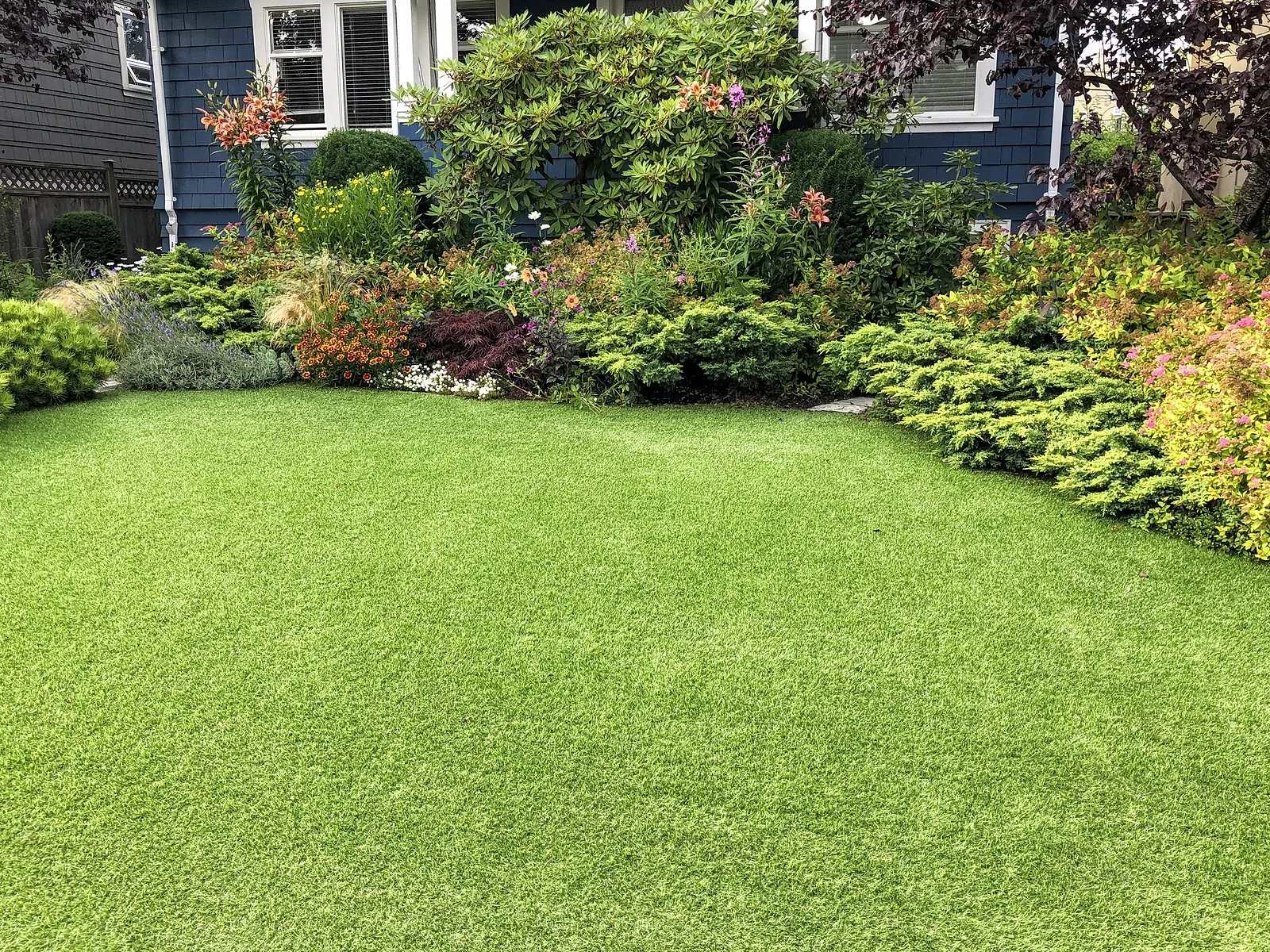
The fix is to make the lawn boring and the space feel unsafe. Stop any feeding and let the grass grow taller near the water, since tall grass hides predators and geese avoid it. Plant shrubs or run a low fence along the shoreline to break the open sight lines geese rely on.
A trained dog, often a border collie, that chases them off works better than almost any gadget, because it mimics a real predator. Skip the plastic coyote or swan decoy, though, since geese learn within days that a thing that never moves is harmless.
For a stubborn flock, a wildlife service can get the permits to addle eggs or run a managed roundup during the molt. That is a last resort, though. Most homeowners can deter resident geese with the grass, water, and dog steps above, and the full goose removal plan walks through every option for a stubborn flock.
Images: Canada goose and clean-yard photos via BirdProofingHQ. Canada goose on nest by Warren Garst, CC BY-SA 4.0, via Wikimedia Commons. Infographic by BirdProofingHQ.

Free: The 5-Step Bird-Proofing Checklist
Work through the right steps in the right order, before spending money on the wrong deterrents. Printable PDF, straight to your inbox.
No spam. Unsubscribe any time.