How to Keep Pigeons Off Your Balcony (What Actually Works)
Contents[hide]
To keep pigeons off your balcony, block the landing spots first. Spikes on railings and ledges prevent pigeons from touching down, which breaks the routine keeping them there. Remove food, standing water, and any nesting material at the same time. Pigeons with nowhere to land and nothing to eat stop returning within one to two weeks.
In this article, we’ll cover how to keep pigeons off balcony railings and ledges, which physical deterrents work in a contained space, and what three things they come for.
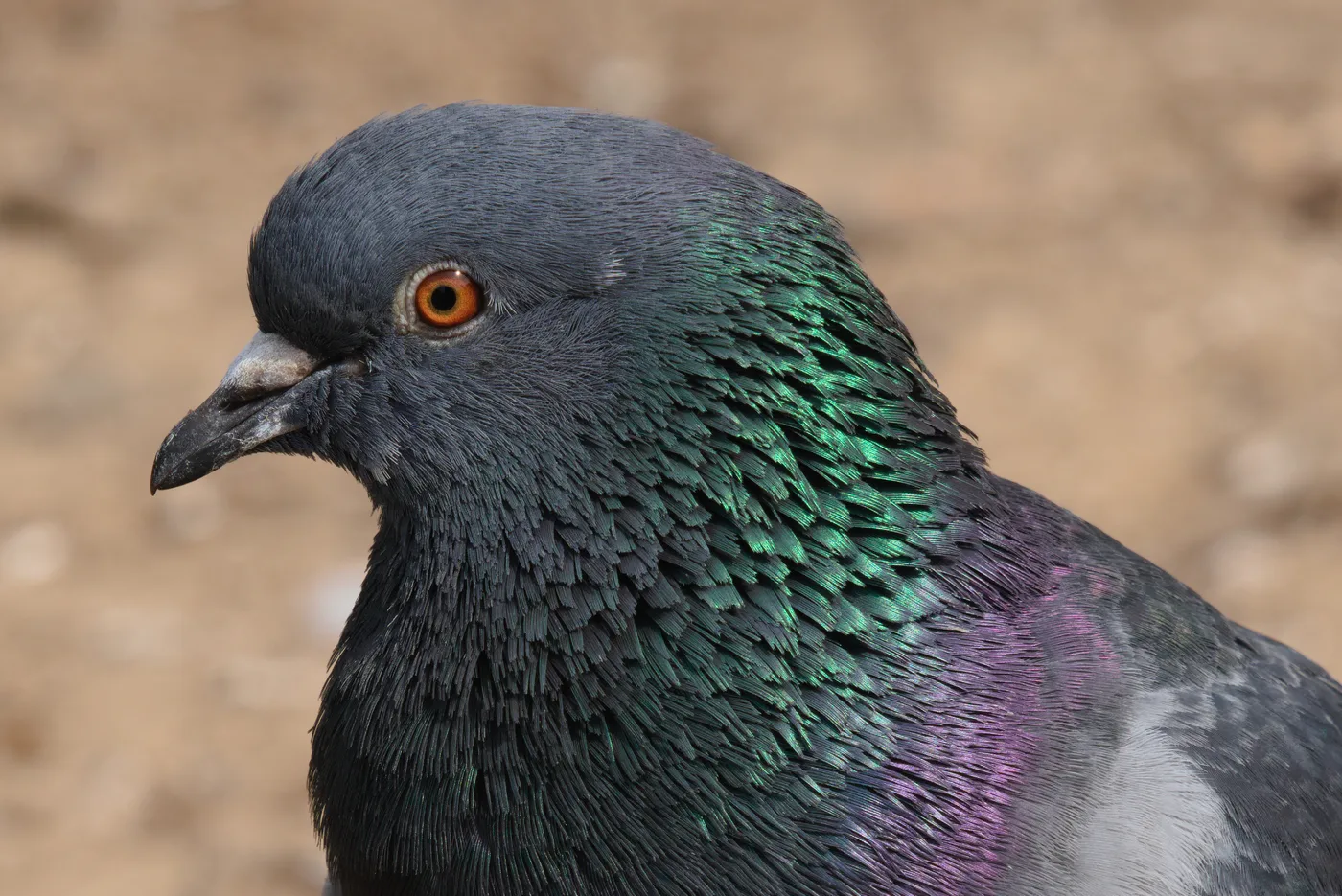
Why Pigeons Keep Coming Back to Your Balcony
Pigeons are creatures of habit. Once they settle into a routine at a spot, they come back to it again and again. A balcony that offered a comfortable perch yesterday is worth checking again tomorrow.
Three things make balconies attractive to pigeons:
Elevated landing spots. Railings, ledges, air conditioning units, and furniture give pigeons a high perch with a clear view around them. Pigeons like high spots to roost and to watch for food.
Shelter. A balcony with an overhead slab or awning above it provides rain cover. Pigeons select covered spots for nesting because eggs and chicks need protection from weather.
Food nearby. Pigeons forage on the ground for seeds, crumbs, and food scraps. A balcony close to street level or near outdoor dining is within easy reach of food. Leaving any food out, including pet food, makes it worse.
Remove these three things and the balcony stops being worth a pigeon’s time.
Remove What Is Attracting Them First
Before you put up any deterrents, take away what is drawing pigeons in.
Clear all food sources. Never leave food outdoors. This includes pet food bowls, birdseed for songbirds, potted plant soil amendments, and any food scraps. Pigeons will grab any food going. Even a small, steady supply keeps them coming back.
Eliminate standing water. Pigeons drink regularly. A dish, plant tray, or puddle that collects water on the balcony gives them another reason to land. Drain plant saucers after rain and cover any containers that hold water.
Remove nesting material. If pigeons are already building a nest, clear it immediately. Feral pigeons are not protected under the Migratory Bird Treaty Act, so their nests can be removed at any time. Once removed, clean the area with a disinfectant spray before installing deterrents. Pigeons keep coming back to old nest sites, so block the spot right after you clear it.
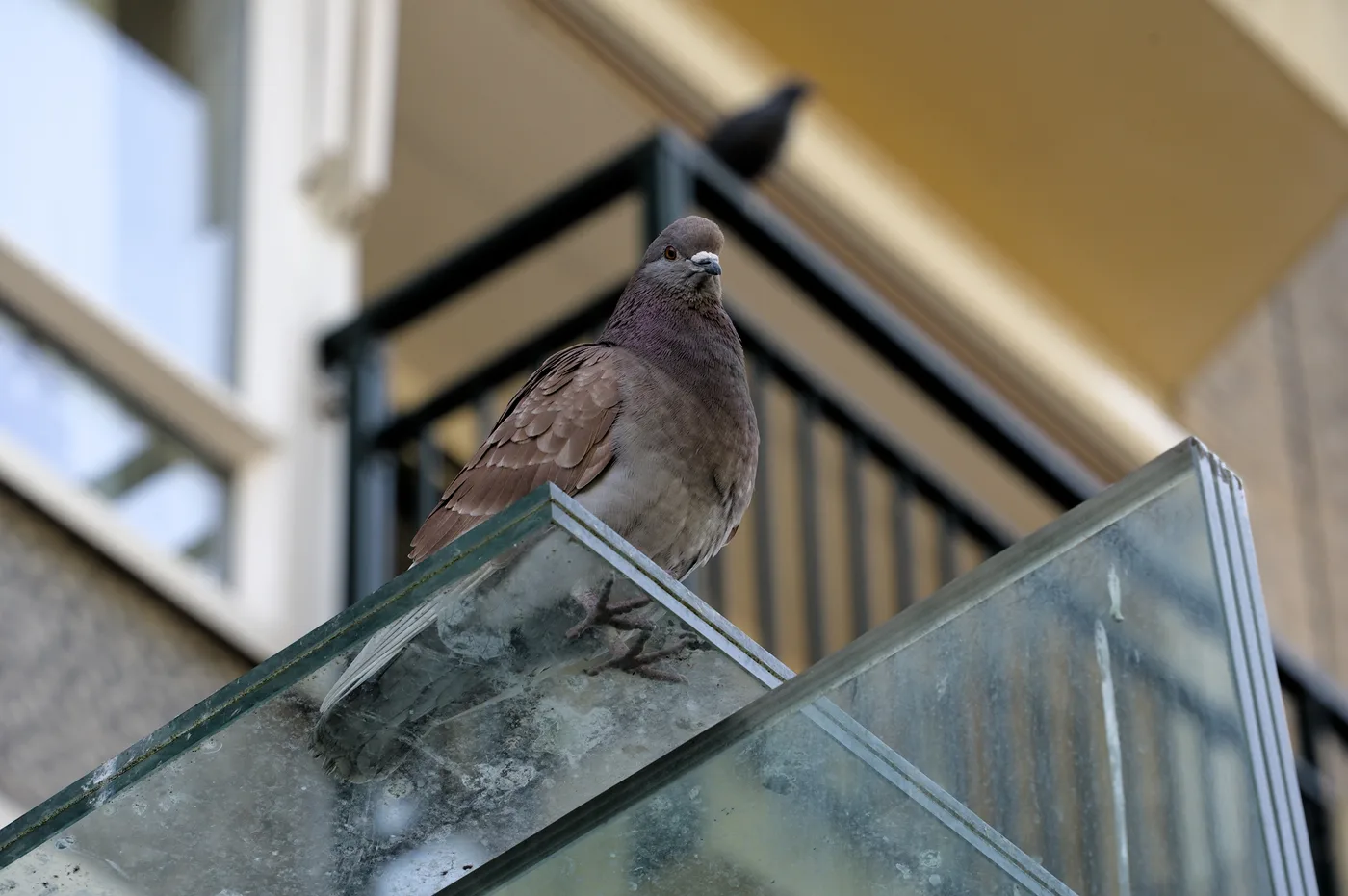
Physical Barriers: Bird Spikes and Netting
Physical barriers are the only methods that reliably keep pigeons off a balcony over the long term. Unlike visual or sound deterrents, birds cannot adapt to something that physically blocks them from landing.
Bird Spikes on Balcony Railings
Bird spikes are the most practical solution for balcony railings. They mount directly to the flat top surface of the railing and make landing impossible. Pigeons that cannot put their feet down do not stay.
Stainless steel spikes are the most durable option outdoors. Polycarbonate spikes are nearly invisible and work equally well. The key is covering the full length of every railing the pigeons were using. A gap of even a few inches gives them a spot to squeeze in.
For ledges, sills, and the tops of air conditioning units, spikes work the same way. Measure the width of the surface and choose a spike base width that covers it completely. Some surfaces require a base wider than a single row of spikes allows, in which case two rows installed side by side close the gap.
Bird Netting for Full Balcony Exclusion
Bird netting is the most complete solution when pigeons are using the entire balcony, not just the railing. Netting enclosed from the floor slab above to the balcony rail creates a barrier that prevents pigeons from entering at all.
The correct mesh size for pigeons is 2 inches. Larger mesh allows pigeons to pass through or get stuck. Install the netting with enough tension that it does not sag and create an entry point. Attach it to the slab or ceiling with anchor bolts and run it along the full perimeter.
Netting is more involved to install than spikes, but it is the right choice when pigeons are nesting rather than just roosting, or when the balcony has multiple open sides.
Bird Wire on Railings
Bird wire is a tension-wire system that runs parallel to the railing surface a few inches above it. The unstable surface prevents pigeons from landing cleanly. It is lower profile than spikes and suits balconies where appearance matters.
Wire systems require posts spaced at regular intervals along the railing and stainless steel wire tensioned between them. Installation is more involved than spikes but the result is nearly invisible from a distance.
Visual Deterrents for Balconies
Visual deterrents like reflective tape, flash tape, and predator decoys deter pigeons temporarily. They are worth using during the short window between clearing a nest and installing permanent physical barriers.
Reflective tape hung from the railing or ceiling creates unpredictable light movement that startles pigeons. It works best in direct sunlight and is less effective on overcast days or in shaded balconies.
Fake owls initially deter smaller birds more than pigeons. Pigeons are intelligent and investigate new objects in their territory. A plastic owl left in one position stops working within days. Moving it every two to three days extends its effectiveness but does not eliminate the pigeon problem.
Gel repellents applied to ledges and railing tops make surfaces sticky and uncomfortable to land on. They require regular reapplication after rain and collect dust and debris over time. They are a short-term option while waiting for spikes or netting to arrive, not a permanent fix.
Visual and sound deterrents vary widely in how well and how long they work, so check the timelines before you buy one.
Keep Pigeons Away From Balcony Plants
Pigeons dig in potted soil for insects and grit. They also eat young seedlings and soft leaves. If you keep plants on the balcony, protect the soil surface with a layer of decorative gravel or wire mesh cut to fit the pot. This prevents pigeons from landing in the pot to forage.
Dense plants like ivy or thick trailing vines can create nesting cover at railing height. Trim these back so there is no hidden, sheltered space for a pigeon to build. Pigeons need a horizontal flat surface and some overhead cover to nest. Remove either element and the spot becomes unsuitable.
What to Do About an Active Pigeon Nest
Unlike sparrows, swallows, and most native birds, feral pigeons are not protected, so there is no legal restriction on removing their nest at any stage, including eggs. If you find eggs with no adult sitting on them, they can go straight in the trash.
Live chicks are different. Call a local wildlife rehabber before disturbing them, since a young pigeon still needs its parents and most rehab groups will take one in for free.
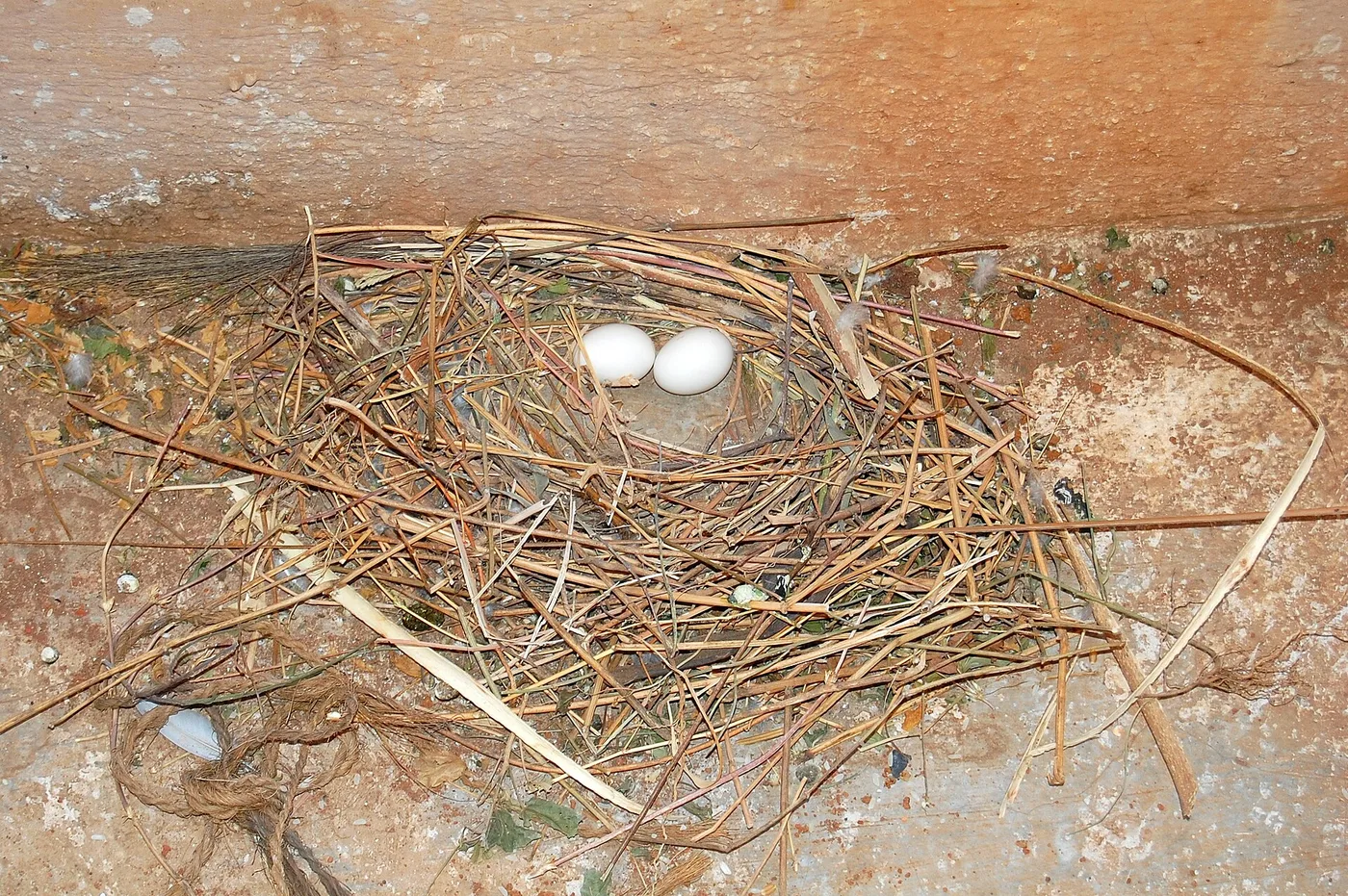
Once the nest is empty, clean the area. Dried pigeon droppings contain pathogens. Wear gloves and a mask, dampen the area first to prevent dust, and disinfect the surface.
Then install spikes or netting over the exact spot before the pigeons return. Pigeons that have nested in a location are especially persistent about returning to it.
For detailed guidance on timing and legality across different species, how to stop birds from nesting covers the rules.
When Balcony Pigeon Control Needs a Professional
Most balcony pigeon control is solvable without outside help. A few cases are worth a call to a pest control company that handles bird exclusion.
One is a severe infestation. Another is a big buildup of droppings that needs biohazard cleanup. A third is a building where you cannot safely install netting yourself.
Professionals have access to commercial-grade netting systems and will identify landing surfaces you may have missed. A single missed landing spot is enough to keep pigeons returning, so a professional survey can be worth it when the problem persists despite DIY efforts.
For the full picture on getting rid of pigeons including ground-level and building-wide problems, the pigeon removal guide covers all the options.
Images: Feral pigeon by Satdeep Gill, CC BY-SA 4.0, via Wikimedia Commons. Pigeon on a ledge by Benoit Brummer, CC BY 4.0, via Wikimedia Commons. Pigeon nest with eggs by Sanjay Acharya, CC BY-SA 3.0, via Wikimedia Commons.

.jpg)

Free: The 5-Step Bird-Proofing Checklist
Work through the right steps in the right order, before spending money on the wrong deterrents. Printable PDF, straight to your inbox.
No spam. Unsubscribe any time.