Do Coyote Decoys Keep Geese Away? What the Evidence and Setup Say
Contents[hide]
- 1. Does a Coyote Decoy Keep Geese Away?
- 2. Why Coyote Decoys Stop Working Over the Long Run
- 3. If You Use Coyote Decoys, Move Them Before Geese Settle In
- 4. The Turf and Shoreline Changes That Carry More Weight
- 5. Visual Barriers and Shoreline Plantings
- 6. Harassment: What It Takes and Where It Stops
- 7. Check the Rules Before You Touch Birds, Nests, or Eggs
- 8. Putting a Plan Together for Your Site
- 9. When to Call a Wildlife Professional or Your Property Manager
- 10. Frequently Asked Questions
- 10.1. Will a coyote decoy keep geese away?
- 10.2. What is the best decoy for geese?
- 10.3. What do coyote decoys scare away?
- 10.4. Where should I put a coyote decoy for geese?
- 10.5. How often should you move a coyote decoy?
- 10.6. Why did the geese come back?
- 10.7. What actually keeps geese off a lawn or pond?
- 10.8. Do I need a permit to deal with Canada geese?
Quick Answer
A coyote decoy can move geese off a pond, lake, or yard for a while, simply because it's new. Treat that as a head start, not a solution. No source we reviewed shows authoritative field proof that a static decoy alone is an effective, durable fix. Pair it with turf, shoreline, and lawful harassment changes, and check your state wildlife agency before disturbing birds, nests, or eggs.
In this article, you'll learn whether coyote decoys keep geese away and how to use them. We'll cover evidence limits, decoy placement, and legal checks.
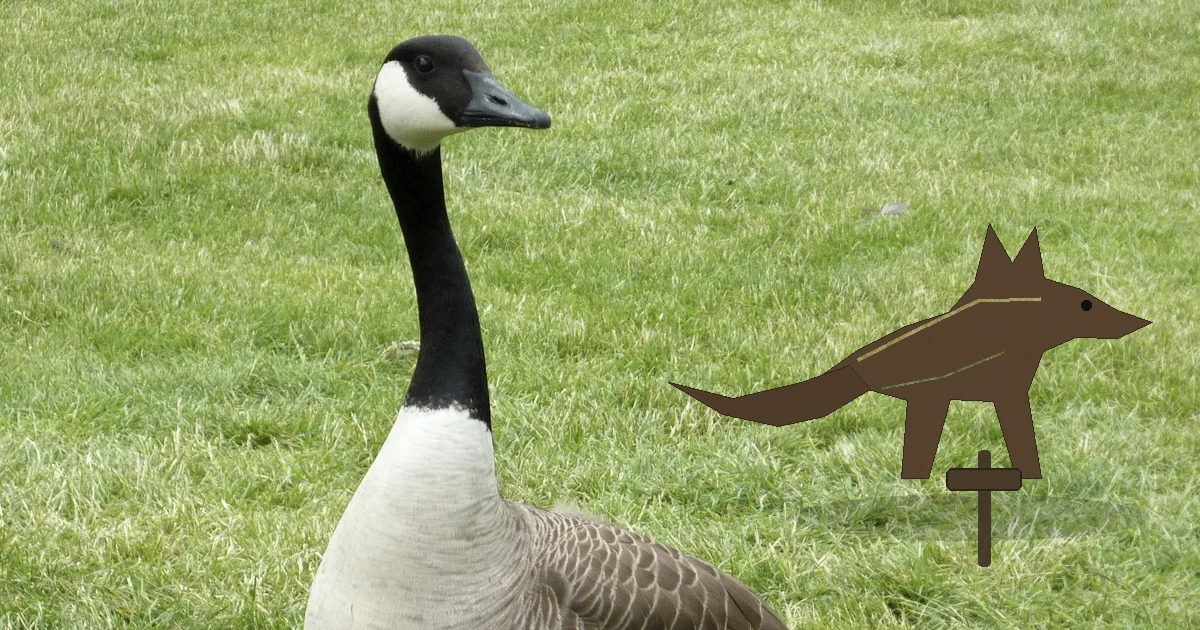
Does a Coyote Decoy Keep Geese Away?
Plastic coyote decoys are new shapes in places geese have settled into, and novelty alone can send a flock elsewhere for a while. They are not proven control. No source we reviewed offers authoritative field proof that static decoys hold geese off a property on their own. If they are your whole plan, expect the geese back.
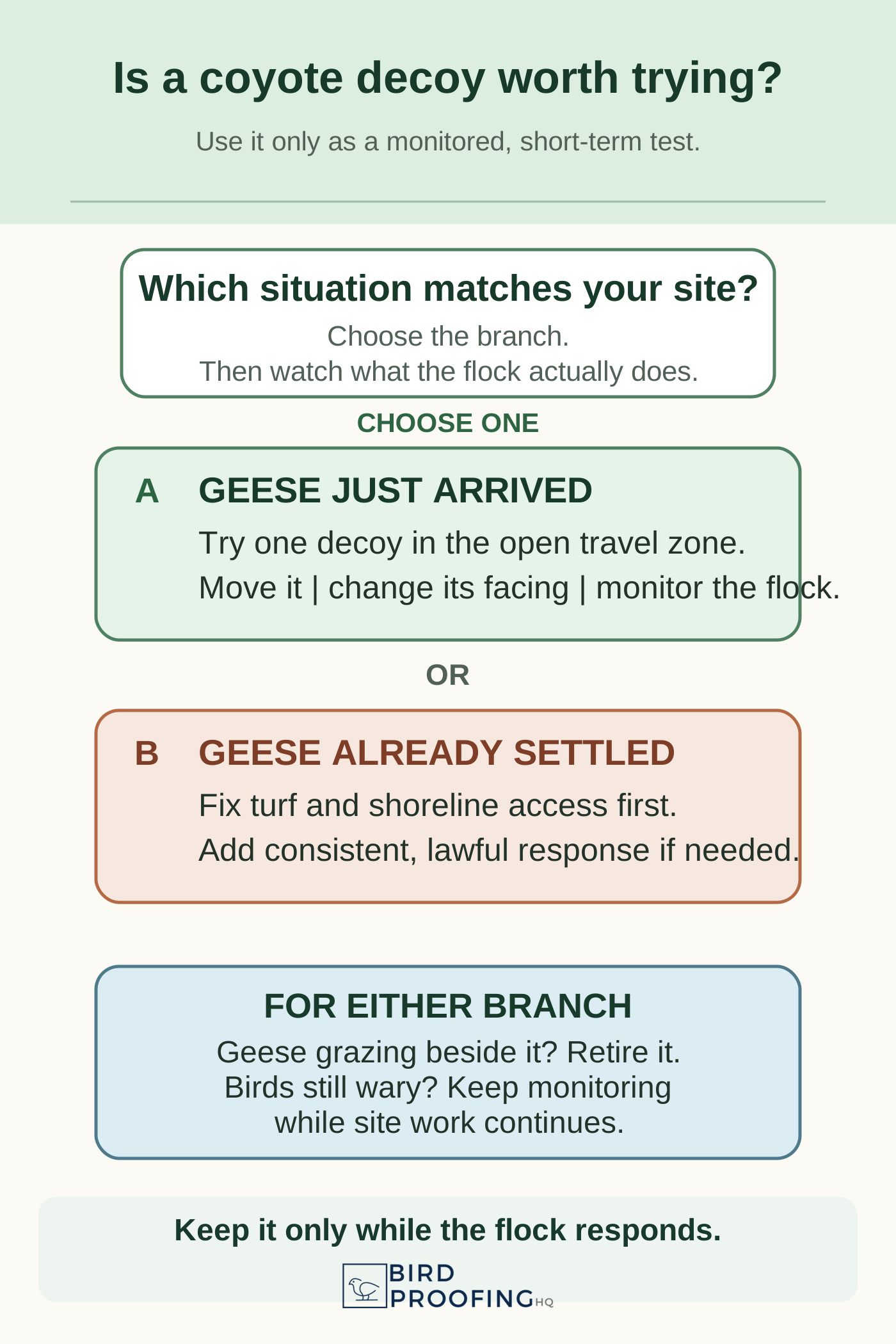
Why Coyote Decoys Stop Working Over the Long Run
Newness is temporary, and that is the one thing working for coyote decoys. Rutgers Cooperative Extension says predator decoys such as dog silhouettes and coyote replicas may trigger an immediate response, but geese soon habituate and return. A live coyote moves, while passive decoys stay in one place through wind and calm weather. Once geese graze past them without lifting their heads, coyote decoys are no longer an effective scare method. Their realism and movement can suggest predator presence briefly, but geese adapt when that presence never changes. That does not make them a reliable way to scare geese. The short response can buy time while you put other methods in place, but it does not make static decoys work for the long term.
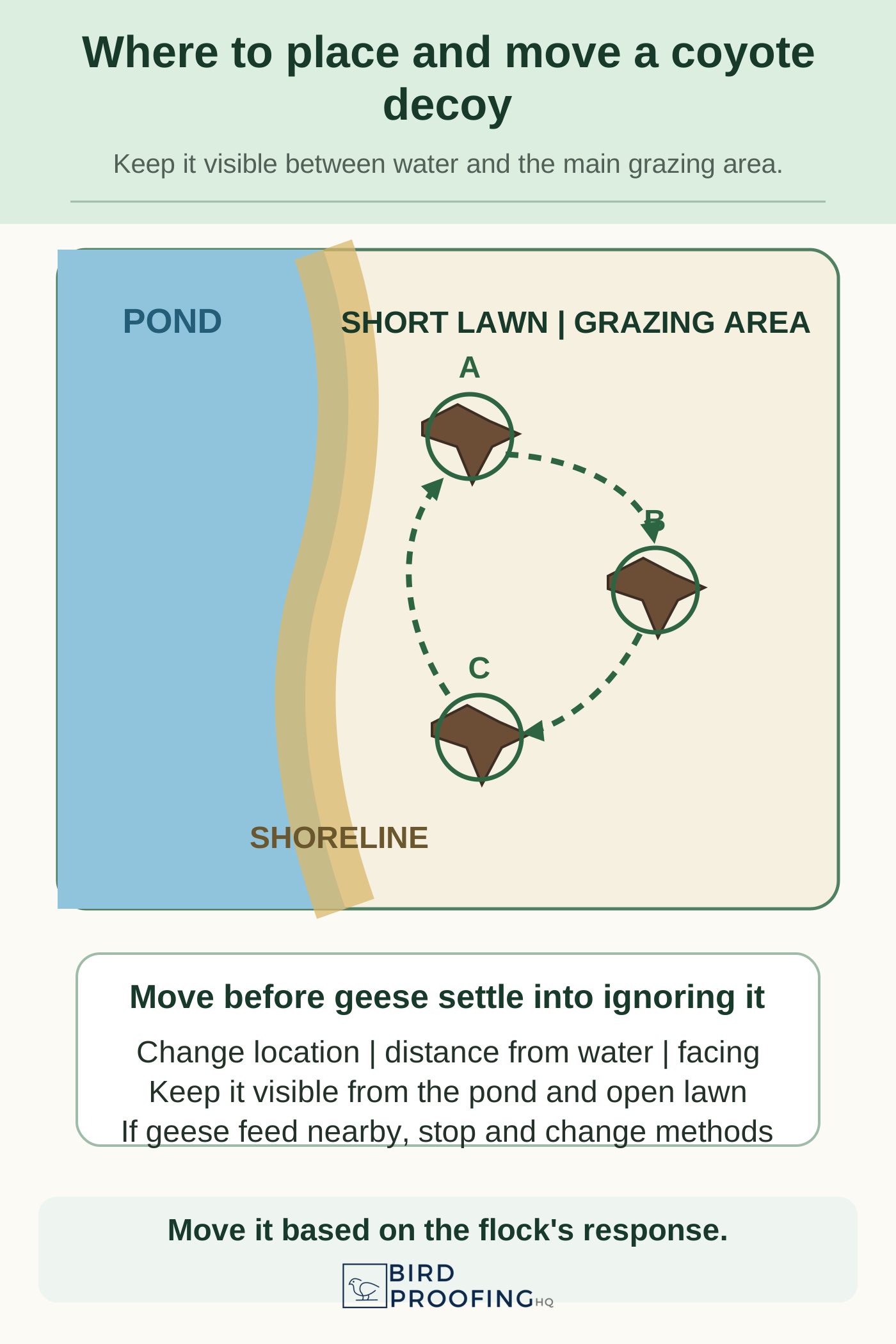
If You Use Coyote Decoys, Move Them Before Geese Settle In
Place coyote decoys where geese decide where to graze. On most properties, that is the open space between water and the main feeding area, visible rather than tucked beside a shed. There is no guaranteed correct schedule. Rutgers says moving passive devices every few days may slightly extend their effectiveness, so use that as a ceiling rather than a promise. Watch where the flock moves, then relocate the decoys before geese settle nearby, changing their location, distance from water, and facing. Wind-driven movement can help preserve novelty, but it is not a durable solution. Keeping geese away requires human movement and follow-through too.
The Turf and Shoreline Changes That Carry More Weight
Coyote decoys are guests; the property is why the geese are there. Canada geese graze short green grass, and the Internet Center for Wildlife Damage Management’s methods for Canada geese treat habitat modification as core, alongside barriers and harassment. Stop mowing the strip nearest the water and let it grow. Also stop feeding: bread or corn near water undermines every other method. A combination of habitat changes and active deterrence matters more than extra decoy realism.
Visual Barriers and Shoreline Plantings
Where grass can’t grow taller, interrupt the route instead. The same source lists visual barriers among the standard categories, used along the shoreline. Low fencing or another visible barrier can change the route through a narrow space, but fencing does not protect an open landing area. Confirm what your HOA, local ordinances, and shoreline rules allow before installing anything, and make sure it will not trap goslings or block drainage.
Harassment: What It Takes and Where It Stops
Harassment means actively making the site unpleasant while birds are present, and it lives or dies on labor. A settled flock takes more consistency than a newly arrived one. Trained dogs can be an effective part of professional programs because the predator presence moves and responds; never turn a pet loose on geese. Confirm what is lawful for your location before you start. Humane harassment is a combination of consistency, timing, and trained control, not random chasing.
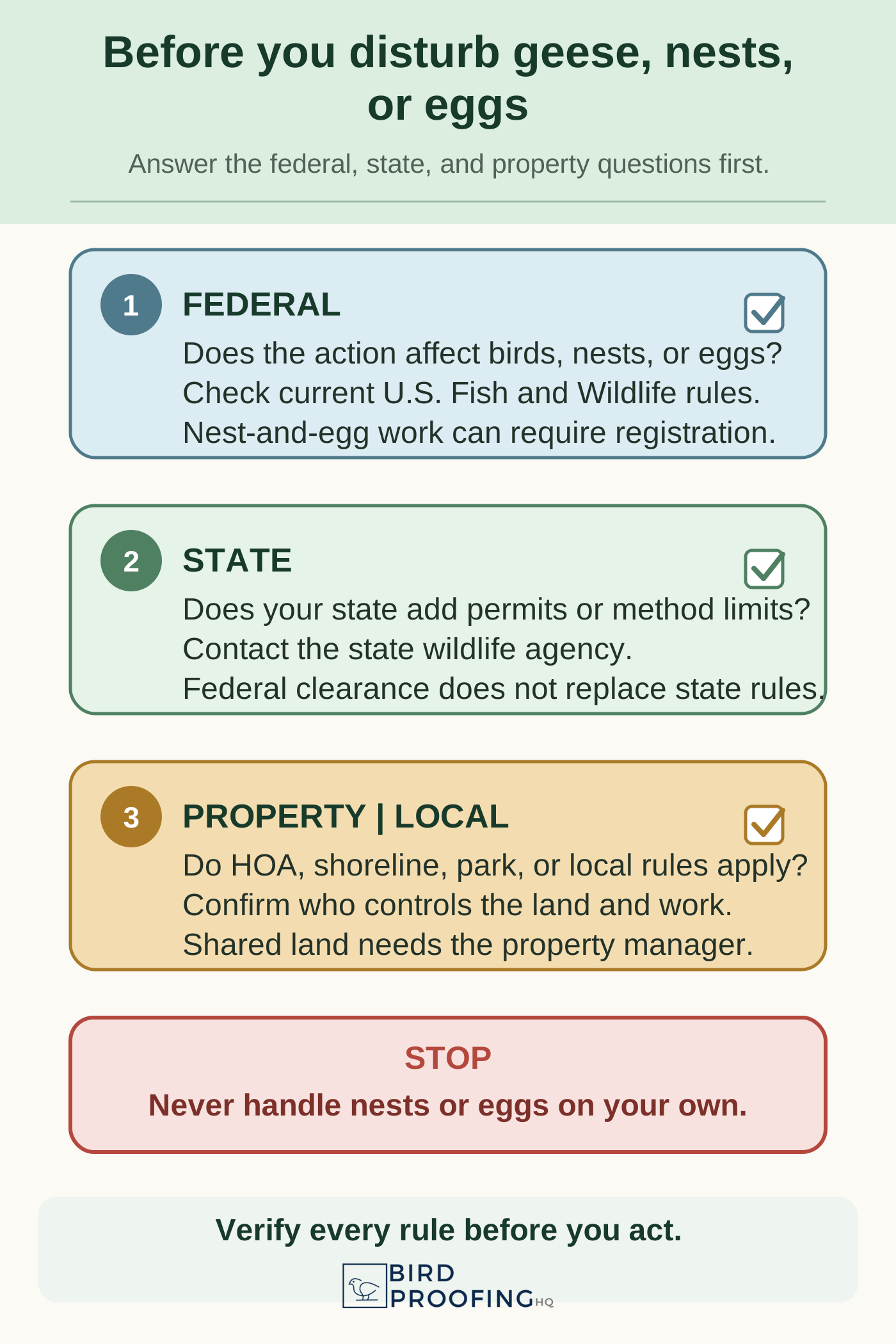
Check the Rules Before You Touch Birds, Nests, or Eggs
Canada geese, their nests, and their eggs are protected under the Migratory Bird Treaty Act and federal regulations, with state law layered on top. Taller grass, plantings, and a decoy you move around sit on the safe side; moving a nest, oiling eggs, or capturing birds sits on the other. There’s one narrow federal path across that line: under the resident Canada goose nest and egg depredation order, a landowner or local government that registers with the U.S. Fish and Wildlife Service can destroy resident goose nests and eggs on their own property, when necessary, between March 1 and June 30, using approved nonlethal methods, and has to renew and report that registration every year. Registering with FWS doesn’t clear state or local rules, so contact your state wildlife agency about permits before you begin either way. Readers in Canada should use the Government of Canada’s handbook chapter on managing cackling and Canada geese instead, since it describes a different system.
Do not handle a nest or eggs on your own judgment, and don’t place anything where a goose is already sitting.
Putting a Plan Together for Your Site
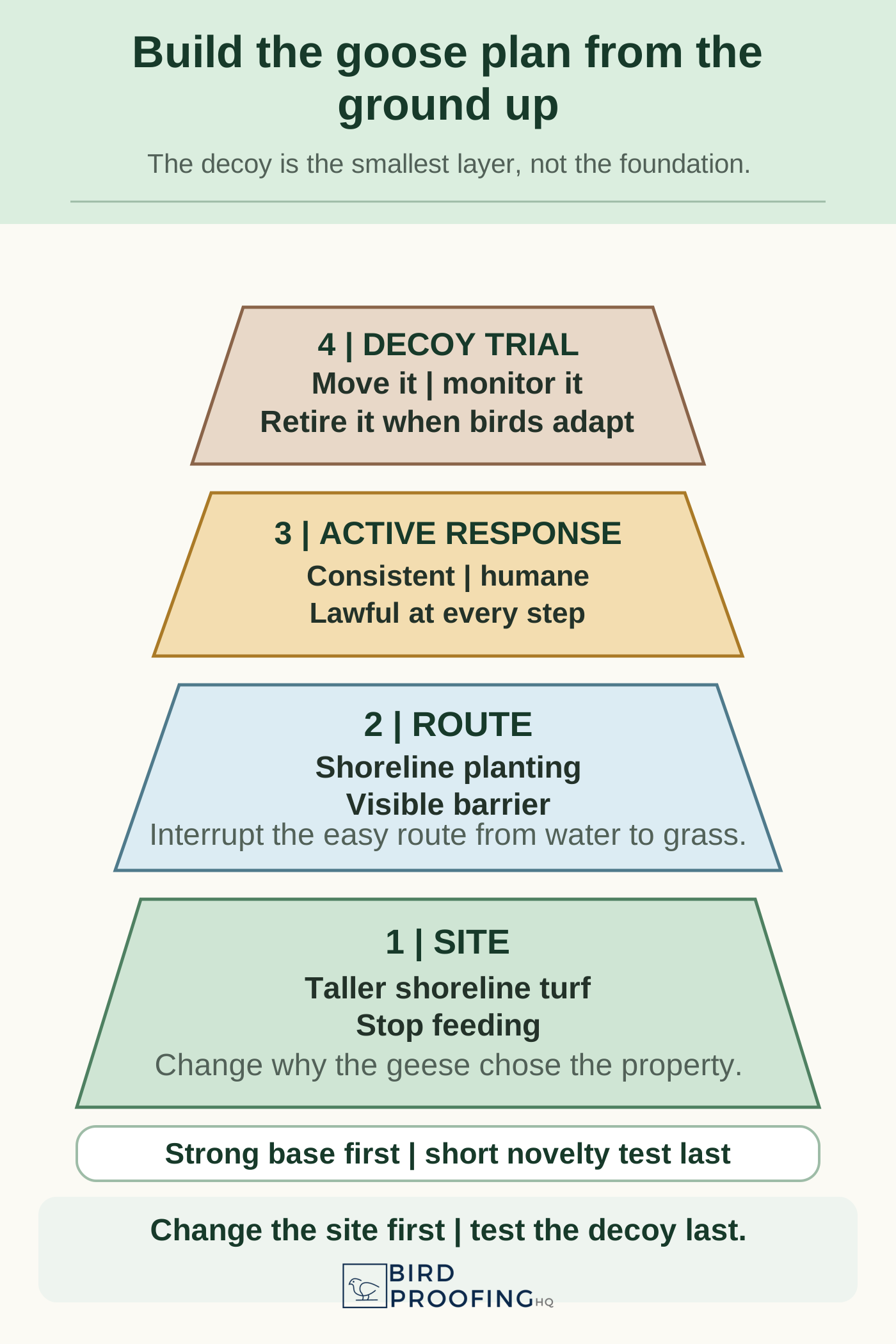
These methods stack rather than compete. Start with the site: change the shoreline and shut down feeding. Add fencing or another barrier where the edge must stay usable, then decide if you have the labor for lawful harassment. Coyote decoys go on top and move whenever birds begin ignoring them. Scarecrows and other static shapes have the same weakness: geese adapt when nothing responds. Drop any passive device if it stops earning its place. Keeping geese off a property takes a combination of habitat work, barriers, and other methods that remain active. Options are widest before nesting begins; once nests are active, what you can do narrows into permit territory. See moving geese off a property for more.
When to Call a Wildlife Professional or Your Property Manager
Some of this is a weekend project; some isn’t. Get qualified help when geese are nesting, the flock is established and nothing has changed across a season, droppings have become a liability concern, or you’re considering anything beyond deterrence. On a shared property or in a public park, involve the property manager, HOA board, or park department first. They control the space and may already have an approved goose plan.
Frequently Asked Questions
Will a coyote decoy keep geese away?
Not dependably. A coyote decoy is new in a place geese already know, and that novelty can move a flock off for a while. No source we reviewed shows authoritative field proof that a static decoy alone holds geese off a property long-term.
What is the best decoy for geese?
No specific coyote, dog, or other predator decoy is proven as the best durable solution. Choose a visible model you can relocate easily, but judge it by the birds’ response and combine it with habitat changes rather than trusting product realism or sales claims.
What do coyote decoys scare away?
Sellers market coyote decoys for geese and other animals, but results vary by species, site, and habituation. This article only supports a cautious Canada-goose use case: an immediate novelty response may occur, but geese can learn that passive decoys are harmless.
Where should I put a coyote decoy for geese?
In the open, between the water and the grass geese are grazing, visible from the air and water. Tucked beside a shed, it stops mattering. Canada geese graze short green grass near water, so that’s where a decoy has its best chance.
How often should you move a coyote decoy?
Often, on no fixed schedule, since no field evidence sets a correct interval. Move it before birds settle into ignoring it, and as soon as geese graze nearby. Change the location, distance from the water, and the direction it faces.
Why did the geese come back?
Because nothing about the site changed except one object. The grass is still short, the route from water to lawn still open, and nothing has actually pursued the birds. The remaining work is turf, shoreline, and lawful harassment.
What actually keeps geese off a lawn or pond?
Changing what makes the site attractive. The Internet Center for Wildlife Damage Management lists habitat modification, barriers, and harassment as the main non-lethal categories for Canada geese, which graze short green grass. Taller turf and a broken route to the water address why the geese chose you.
Do I need a permit to deal with Canada geese?
It depends what you plan to do and where. Deterrents that make a place less attractive differ from actions that disturb or take birds, nests, or eggs, regulated federally and by state. Contact your state wildlife agency about permits first. Do not handle nests or eggs on your own judgment.
Images: the feature image is an original BirdProofingHQ composite using the site’s Canada goose photograph and a purpose-built decoy illustration. The decision chart, placement map, permit checklist, and layered plan diagram are original BirdProofingHQ diagrams, created 2026-08-20 to 2026-08-22.
Free: The 5-Step Bird-Proofing Checklist
Work through the right steps in the right order, before spending money on the wrong deterrents. Printable PDF, straight to your inbox.
No spam. Unsubscribe any time.