Aluminum Foil for Birds: When It Helps and When It Does Not
Contents[hide]
- 1. Does Aluminum Foil Deter Birds?
- 2. Why Foil Sometimes Gets a Reaction
- 3. Where a Foil Test May Help
- 4. Where Aluminum Foil Usually Disappoints
- 5. Deciding If Foil Is Worth a Try
- 6. How to Try Foil Without Creating a Hazard
- 7. How to Tell When Birds Have Adapted
- 8. What Works Better When Foil Fails
- 9. When to Call a Professional
- 10. Frequently Asked Questions
Quick Answer
Aluminum foil may deter birds briefly when it flashes and moves, but results are inconsistent and birds often get used to it. Use it as a short-term test, not a permanent fix, and switch to exclusion when the protected area matters.
In this article, you’ll learn where aluminum foil may help and where it falls short. We’ll cover safe placement, failure signs, and better long-term fixes.
Does Aluminum Foil Deter Birds?
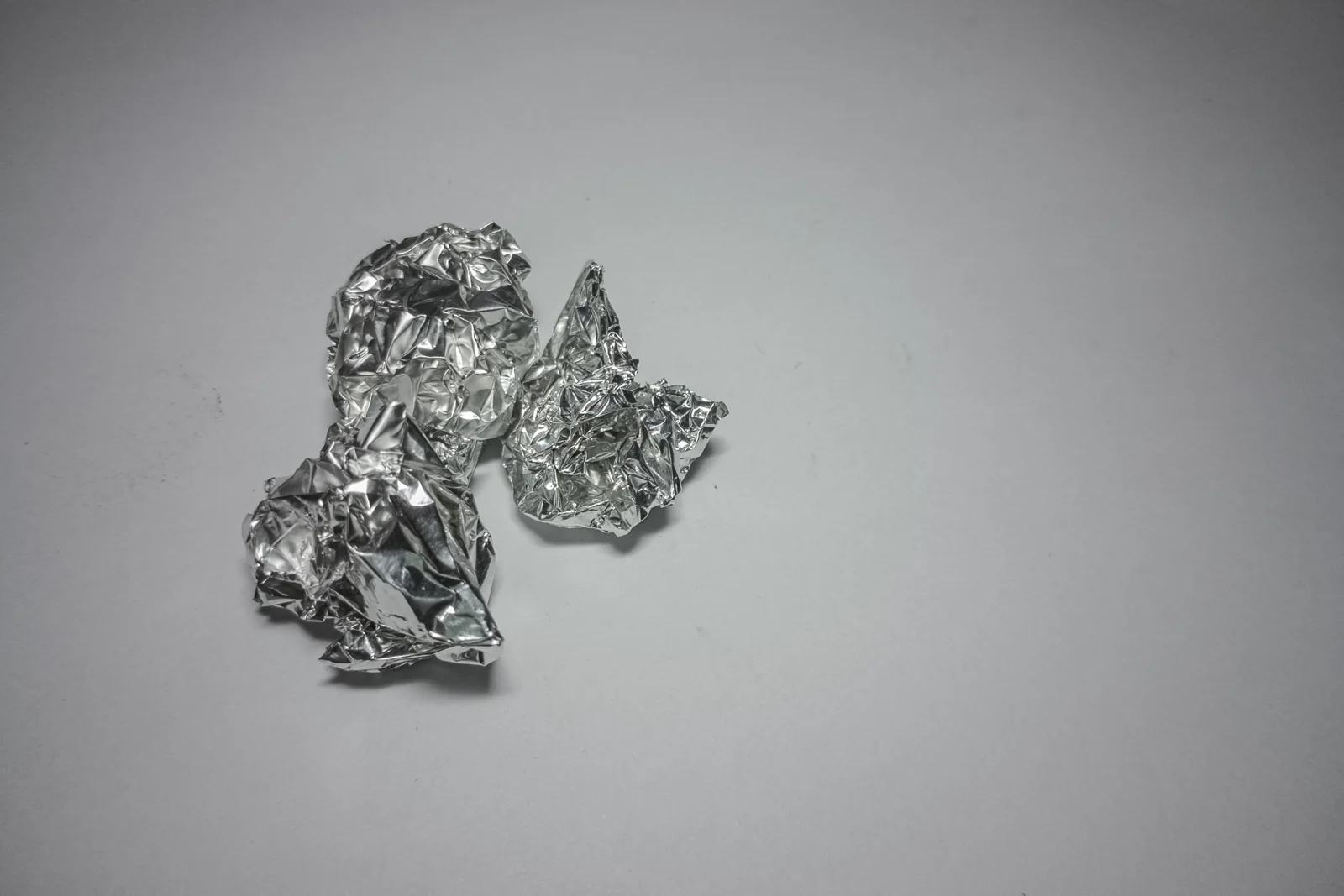
Hanging strips of aluminum foil can startle birds for a while. The flashing light and the twisting motion in the wind are unfamiliar, and an unfamiliar object near a food source or perch can make a bird cautious. That’s the whole mechanism, and it’s a real one, but it’s also a limited one. USDA APHIS’s review of bird dispersal techniques discusses aluminum foil or pie pans as visual frightening devices that produce flashes of light, and reports variable responses across species and situations. Most of the research behind this advice looks at reflective tape and mirror streamers as a class of visual deterrents, not household kitchen foil on its own, so treat foil as a reasonable stand-in for that category rather than a separately proven method. Foil is not a proven, lasting repellent, and it works differently depending on the bird, the site, and the weather. If you’re comparing it against other options, bird deterrents compared side by side shows where foil fits among them.
That means the honest answer to “does it work” is: maybe, for a while, in the right spot. It is worth a short trial in some situations and a waste of time in others. Here’s how to tell which one applies to your situation.
Why Foil Sometimes Gets a Reaction
Birds react to sudden, unpredictable movement and light near a place they’re about to land or feed. Foil catching sun and twisting in a breeze produces exactly that kind of stimulus, at least the first few times a bird encounters it. The same USDA review describes this as a neophobic response, meaning birds are naturally wary of something new, and notes that results are mixed across species and sites, and that birds habituate, meaning they learn a stimulus is harmless and stop responding to it.
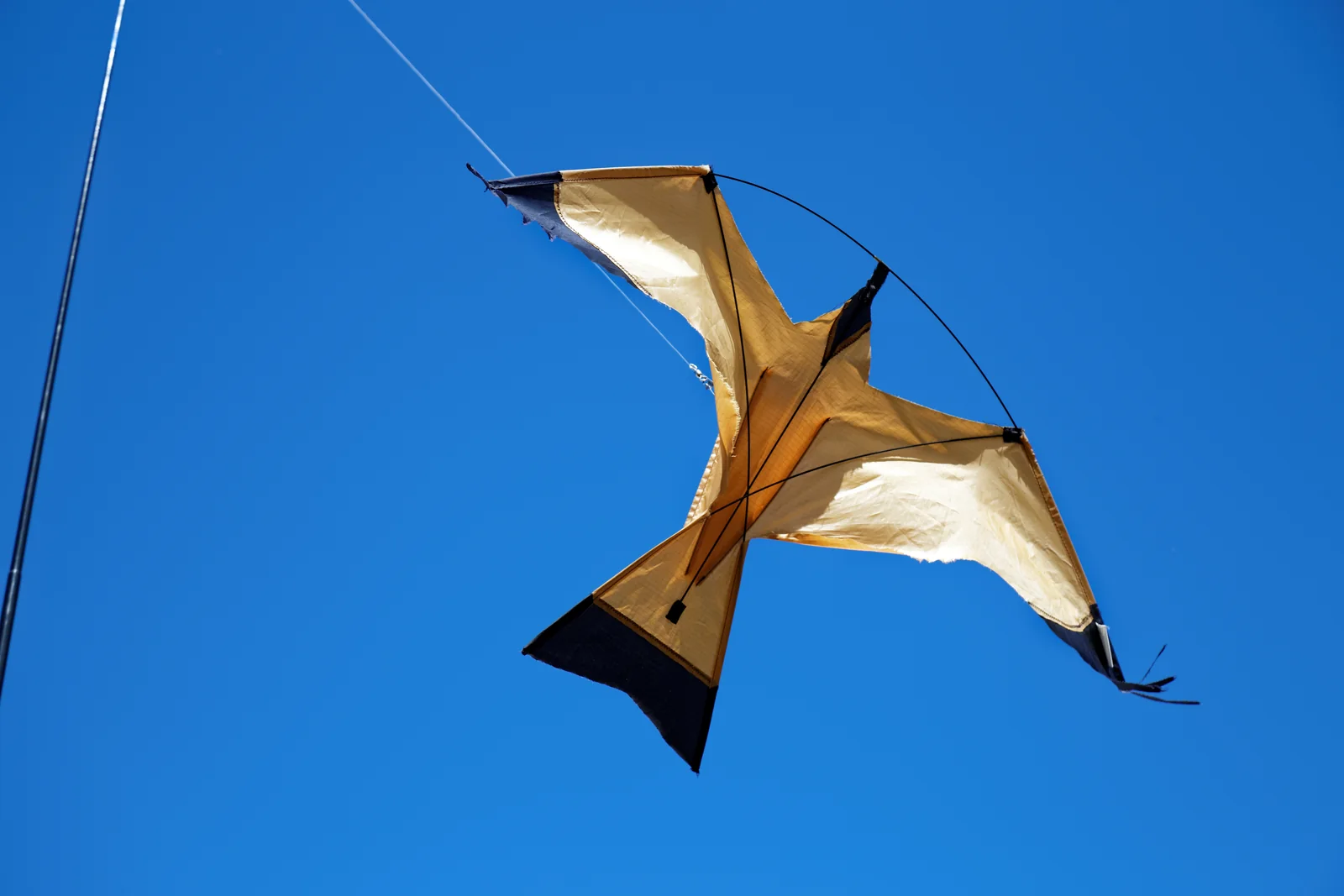
Foil isn’t unique here. A hawk kite, spinning pinwheel, or shiny tape are all visual deterrents that lean on the same short-term surprise instead of a lasting threat, and once the novelty wears off, the effect wears off with it. If you want to see how foil stacks up against other flash-and-motion devices, reflective bird deterrents is the wider category to look at, including Mylar tape and reflective spinners.
Where a Foil Test May Help
A low-cost foil trial makes the most sense in a small, sunny spot that birds haven’t fully claimed yet. Oregon State Extension’s guidance on scaring birds recommends starting reflective devices early, before birds settle into a feeding or roosting routine, and combining them with other methods rather than relying on one alone. A porch rail, a garden bed you’re about to plant, or a balcony ledge that gets regular sun are reasonable places to try it, especially if you’re already checking in on the area often.
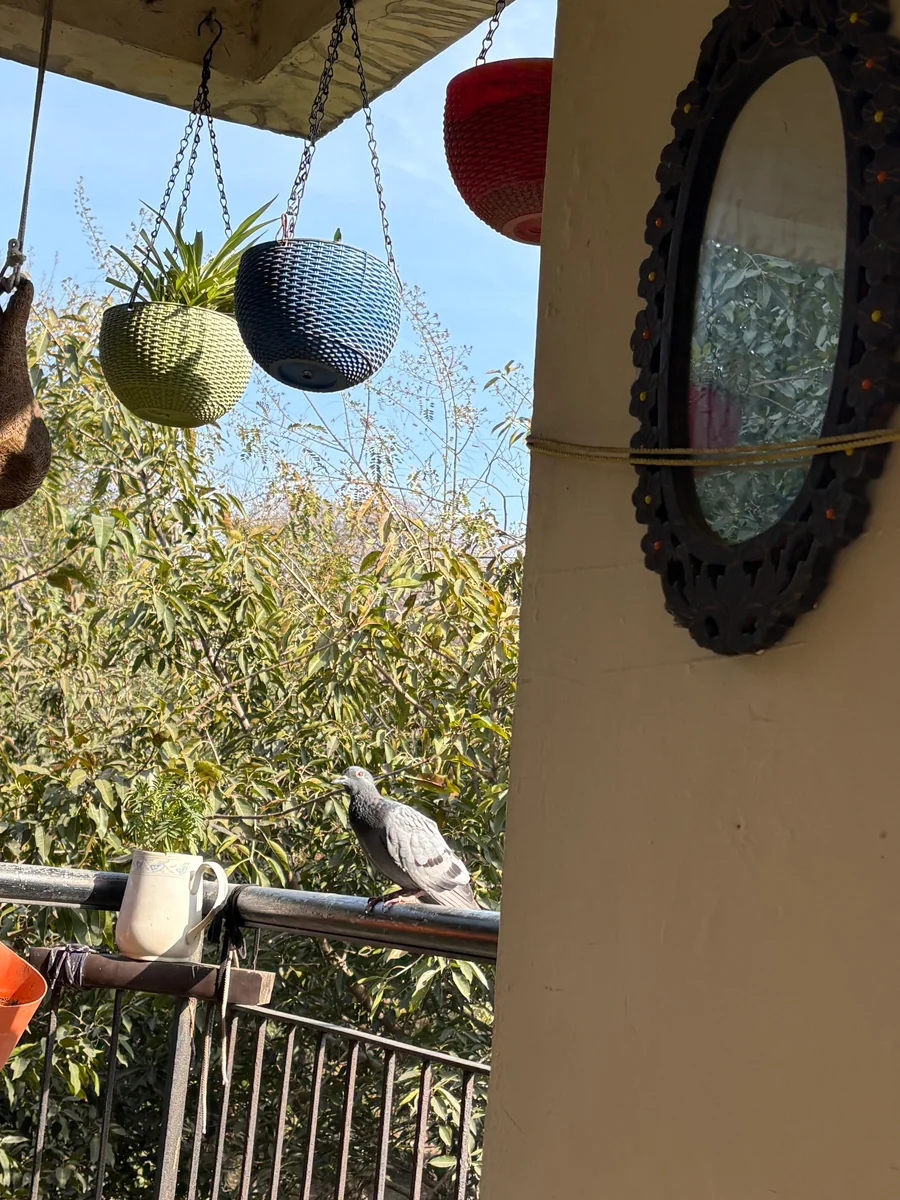
A balcony ledge is a good example of where a short test earns its keep. It’s small enough to watch closely, easy to reach for a quick check, and usually gets direct sun for part of the day, which is exactly the condition a reflective surface like foil needs to work at all. If a pigeon or other bird hasn’t started roosting there regularly yet, a few days of foil strips combined with cleaning up any food or nesting debris can be worth trying before you invest in anything more permanent.
Where Aluminum Foil Usually Disappoints
As a reflective surface, foil depends on light and motion, so it loses its one advantage fast in the wrong conditions. New Mexico State University Extension notes that foil, pie pans, and hanging CDs may help in sunny weather but lose usefulness on cloudy days, in shaded spots, and around dawn and dusk when light is weak. A covered patio, a north-facing wall, or a still, sheltered courtyard won’t give foil enough to work with.
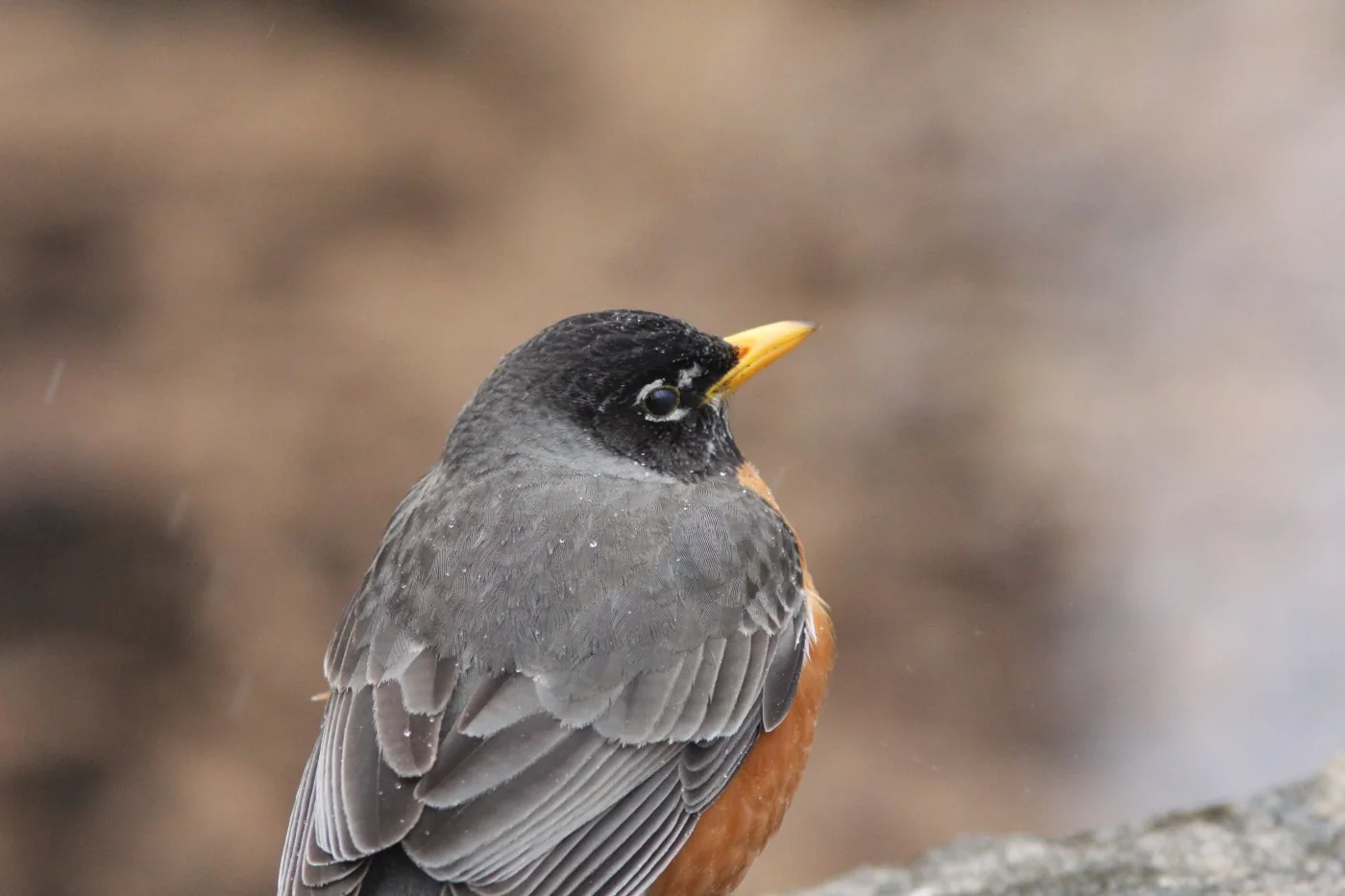
Site conditions aren’t the only limit. A strong food reward, like an open trash can, an unprotected fruit tree, or spilled birdseed, can outweigh whatever caution foil creates. Birds that have already claimed a roost or nest site are also harder to move than birds that are still deciding where to settle. And foil simply doesn’t scale. A few strips over a small garden bed is one thing; trying to cover a whole roofline, a large orchard, or an entire building facade with foil isn’t practical, and the response varies enough by species and individual bird that you shouldn’t expect uniform results even in good conditions.
Deciding If Foil Is Worth a Try
Before hanging any strips, weigh where you’re starting from:
- Try a short foil test in a small, sunny spot birds haven’t claimed yet, like a balcony ledge or a garden bed you’re about to plant, and pair it with removing any food scraps nearby.
- Skip visual deterrents in shaded, still, or low-light spots, or where a strong food reward or an established roost already outweighs the flash and motion a reflective surface offers, since these conditions make it likely to scare birds only briefly before birds adapt and stop responding.
- Go straight to physical barriers or habitat changes, like netting or closing off an opening, when the protected area matters, the site is large, or you need lasting results instead of a short-term surprise.
How to Try Foil Without Creating a Hazard
If you decide to use foil to scare birds away, treat it as a small, supervised experiment rather than something you hang and forget.
- Cut foil into loose strips, and secure the tied end firmly to string, a stake, or a branch so wind can’t pull a whole strip free.
- Hang strips somewhere they’ll catch direct sun and some breeze, spaced closely enough to move and flash independently.
- Keep foil away from power lines, electrical equipment, heat sources, grills, moving machinery, drains, and any food-preparation surface.
- Do not aim the reflected glare toward a road, a driveway, or a neighbor’s window.
- Check the area often. UNH Extension notes tangling and mess problems with reflective pans, tape, and mirrors, not just low effectiveness, so torn or loose pieces should come down before they turn into litter or get tangled in nearby branches.
- Remove torn or loose pieces right away, and stop the test entirely if you see a bird investigating, pecking, or picking at the material.
None of this makes foil a stronger deterrent. It just keeps a low-cost experiment from becoming a bigger problem than the birds you’re trying to move along.
How to Tell When Birds Have Adapted
Watch for birds landing closer to the strips than they did on day one, feeding calmly within a few feet of foil that’s still moving, or ignoring it outright while it flashes in full sun. That’s habituation. Birds adapt to a stimulus that never changes, and once it starts, more foil in the same spot won’t reverse it. There’s no fixed number of days before this happens; it depends on the bird, the species, and how much reward is on the other side of the risk. When you see birds settle back into their old routine near the foil, the test has told you what it can tell you, and it’s time to stop relying on it.
What Works Better When Foil Fails
When a visual scare stops working, or when the area matters too much to gamble on one, the more reliable fix is to change what’s actually drawing birds in or block their access outright with physical barriers. UC ANR’s guidance on excluding migratory birds from buildings describes inconsistent results from bright, moving strips and recommends physical exclusion for persistent building problems instead.
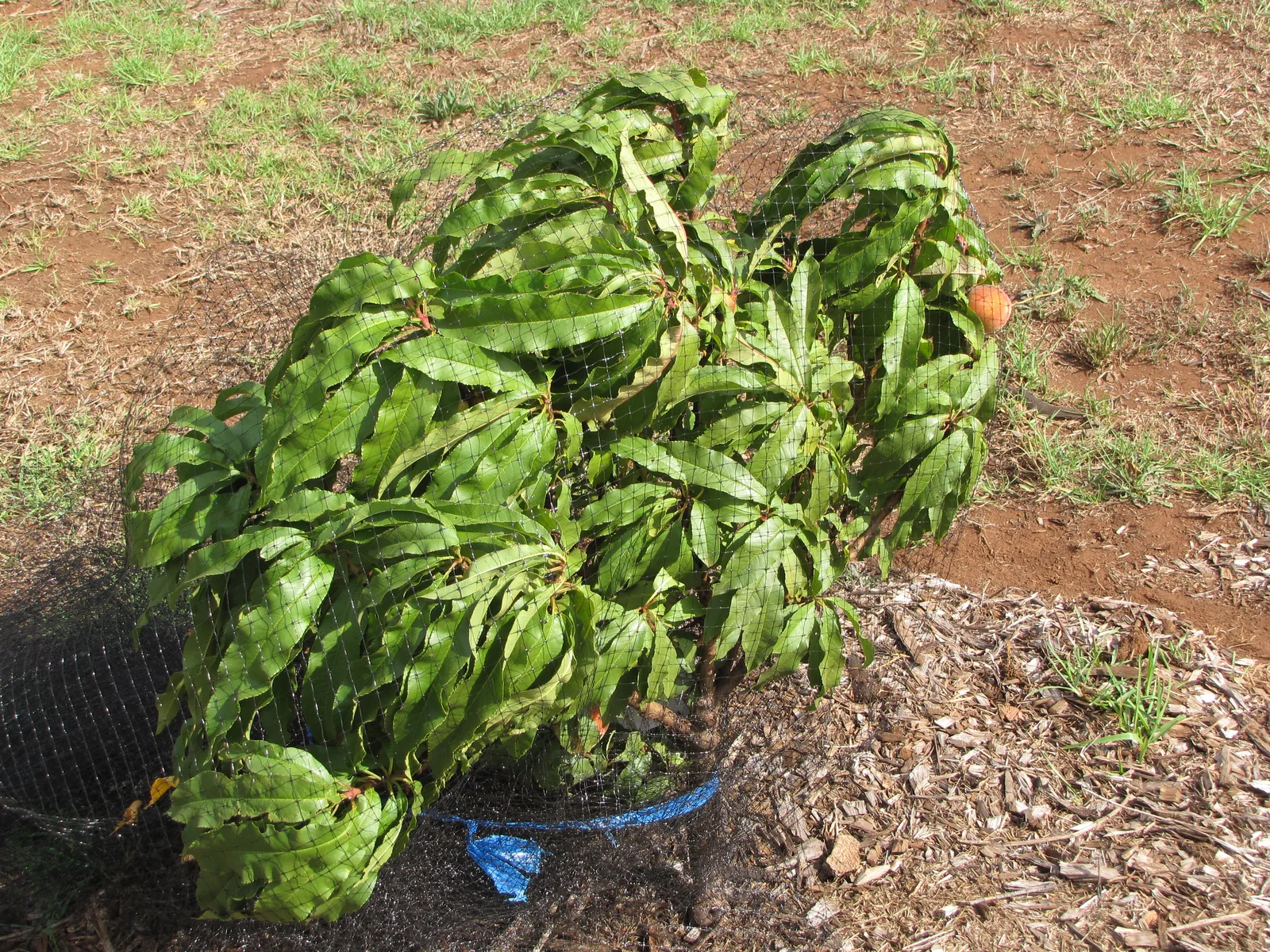
That usually means one of three things: making habitat changes like removing the food source (securing trash, cleaning up spilled seed, netting a fruit tree before it ripens), closing off the opening or ledge birds are using, or installing fitted physical barriers like netting over the area you’re protecting. A netted fruit tree, for example, doesn’t depend on sun angle, wind, or whether the birds have seen it before; it blocks access directly, though it still needs to be secured well and checked so it doesn’t sag, tear, or trap anything. Choosing and installing bird netting the right way protects birds instead of trapping them.
When to Call a Professional
Some situations go beyond a foil test or a DIY barrier. Get a wildlife professional or your local wildlife agency involved if birds are already nesting in the area, if the problem involves a roof, vent, chimney, or solar array, or if birds keep finding their way back into a building no matter what you close off.
Do not disturb an active nest, and never install a barrier that could trap a bird inside an opening. The U.S. Fish and Wildlife Service explains that nests in active use are protected, and federal rules limit what you can legally do around them without a permit. State, Tribal, local, and non-U.S. rules can add further restrictions and vary by location, so check what applies where you live before you act. If you’re not sure whether a nest is active or which birds on your property are protected, checking for a nest before you close an opening and understanding federal bird protection explain what to look for and when the work needs to wait for a professional.
Frequently Asked Questions
Does aluminum foil actually keep birds away?
Sometimes, briefly. The flash and movement can startle birds that are not used to it, but many birds get used to a scare that never changes. Treat foil as a short trial, not a lasting fix.
How do you set up aluminum foil as a bird deterrent?
Cut it into loose strips, punch a hole in one end, and hang each strip from string in a sunny spot with some breeze, close enough together that they catch light and move. Secure the string so wind cannot tear the strips loose, and check the area often.
Why did the birds stop reacting to the foil?
Birds habituate to a scare that stays in the same place and does the same thing every day. Once they learn nothing actually happens, they stop responding. Moving the strips and combining foil with another method can slow this down but will not stop it forever.
Is hanging aluminum foil safe for birds and pets?
Only if you manage it closely. Loose or torn strips can become litter or get tangled in nearby branches, so keep foil away from power lines, grills, drains, and food-prep areas, and remove any strip that starts to shred.
What should I use instead of foil if it stops working?
Remove whatever is feeding the birds, close off the opening or ledge they are using, or cover the plants or structure with proper bird netting. Physical exclusion blocks access directly and does not depend on birds staying surprised, though it still needs to be installed and checked well.
Images: Aluminum foil on paper by Vitaium, CC BY-SA 4.0. Pigeon on a balcony by Conellian, CC BY-SA 4.0. Hawk-shaped bird-repelling kite by Acabashi, CC BY-SA 4.0. American robin in a garden by Caleb Putnam, CC BY-SA 2.0. Fruit tree with bird netting by Forest and Kim Starr, CC BY 3.0 us. Via Wikimedia Commons.


Free: The 5-Step Bird-Proofing Checklist
Work through the right steps in the right order, before spending money on the wrong deterrents. Printable PDF, straight to your inbox.
No spam. Unsubscribe any time.