Do Birds Eat Grass? Why Birds Pull Up Lawn Turf
Contents[hide]
Quick Answer
No, birds rarely eat established grass. Birds that peck or lift turf are usually hunting grubs in the root zone below, not the grass blades. Geese and ducks are the exception.
In this article, you'll learn why birds pull up lawn turf and how to reduce damage. We'll cover grub checks, turf repair, and safe deterrence.
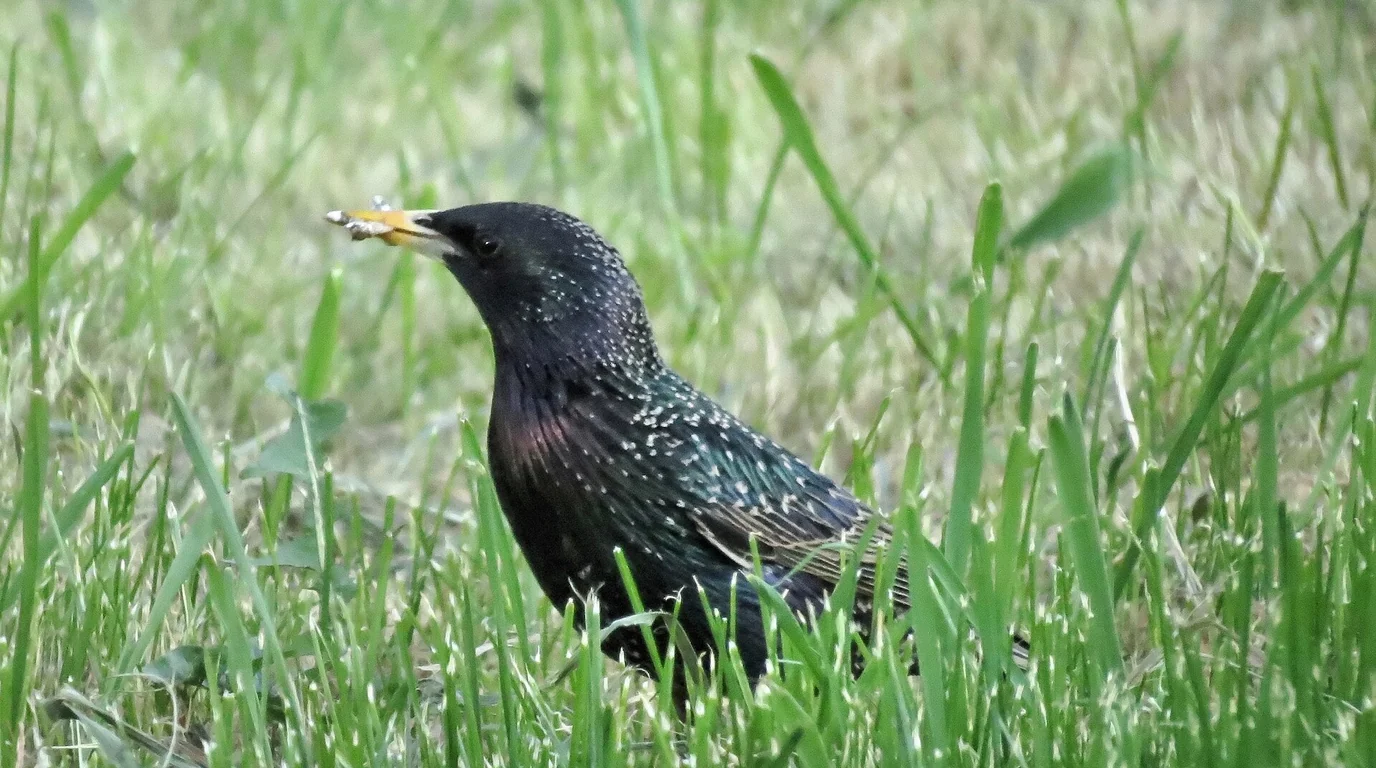
Do Birds Eat Grass?
Most birds don’t treat mature, established grass as food. Geese and ducks are the exception. They graze blades and young shoots with their bills. That clips a lawn without digging or lifting sod, according to Maryland Extension.
Birds eating grass seed is more common than birds eating grass blades, but that’s a different problem. Seed loss happens on bare or freshly sown ground, before anything has rooted.
Some pecking near a lawn is just ordinary ground feeding. Birds collect seed that spilled out of a feeder, which scuffs the grass underneath without actually damaging it.
The pattern that tears up an established lawn is different again. Birds probe rooted turf for grubs or earthworms living below the surface. That’s the damage the rest of this article addresses.
What Are Birds Eating in Your Lawn?
Figuring out which pattern fits your yard starts with the ground itself. Bare or freshly sown soil calls for one explanation, and a lawn that’s already established calls for another.
Pecking and scratching directly under a bird feeder is usually a third option: ordinary ground feeding. Birds are picking up seed that fell out of the feeder, not damaging the lawn, according to NC Cooperative Extension. Moving the bird feeder or cleaning up spilled seed usually solves it.
Newly Seeded or Bare Ground
Finches and other seed-eating birds pick up exposed grass seed before it has a chance to root. Seeds are a finch’s main food. They forage on the ground as well as in trees, according to the Pennsylvania Game Commission.
That looks like scattered hulls or thinning patches on dirt that hasn’t filled in yet. It’s not divots or lifted sod in a mature lawn. If birds are eating grass seed you just planted, see how to stop birds eating grass seed for that fix. This article covers what happens once turf is already established, since seed loss and torn sod call for different responses.
Established, Rooted Turf
Divots, lifted sod, or thin, spongy patches away from any feeder or seeded area point to something under the surface. Birds are probing established, rooted turf for grubs or other prey in the soil below, according to Maryland Extension. That’s the pattern that actually damages a lawn that’s already grown in. The rest of this article walks through what to do about it.
Why Birds Probe Established Turf
White grubs are the larvae of certain beetles, and they feed on grass roots underground. Starlings and other insect-eating birds peck through turf to reach them, according to University of Illinois Extension.
That root damage is what produces the torn patches you actually see. A damaged patch can turn thin, spongy, and easy to lift, according to Maryland Extension.
Grubs aren’t the only thing birds dig for. They may also probe for other insects or earthworms in the soil below, according to Maryland Extension. A few shallow holes don’t automatically mean a grub problem. Repeated digging in the same loose patches is a stronger signal.
Birds and other wildlife can tear up sod in patches while searching for grubs. The surface mess can look worse than the problem underneath, according to Cornell’s integrated pest management program. Crows are among the vertebrate predators whose grub-feeding damage can be especially noticeable there.
Check for Grubs Before You Do Anything Else
Before you treat anything or try to deter birds, find out whether grubs are actually there. A quick inspection takes only a few minutes and can save you from treating the wrong problem later.
Check Several Patches, Not Just One
Lift a section of turf roughly one square foot at several of the worst-looking spots, not just one. Grub populations can vary a lot across the same lawn. Checking only one patch can miss the problem, or make it look worse than it is, according to Maryland Extension.
There’s no single grub count that means treat now everywhere. It depends on the grass, the grub species, and the lawn’s condition. Your county extension office can give you a number specific to your area instead of a generic rule of thumb.
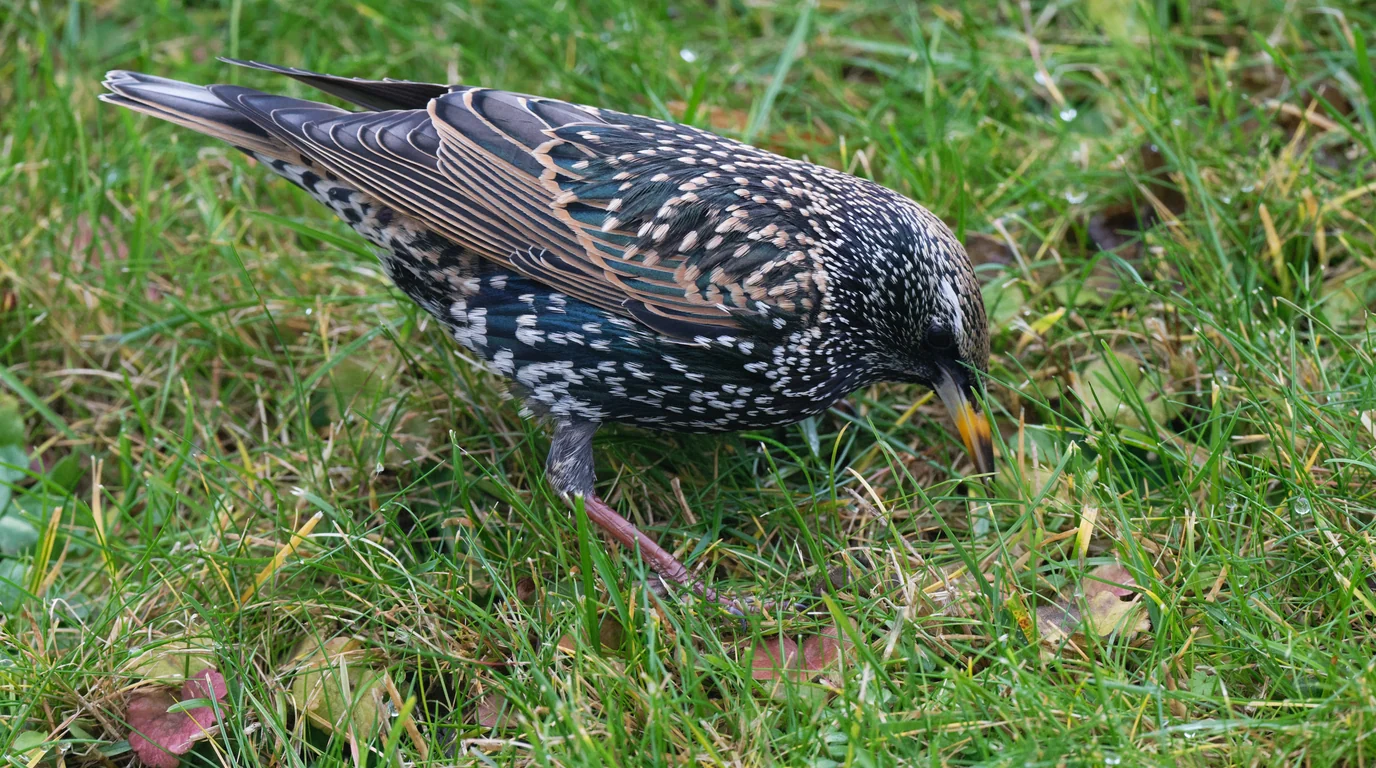
Root damage usually makes turf feel thin, spongy, or loose underfoot. A damaged patch may lift with little resistance, since there aren’t enough healthy roots left to hold it down. Compare a suspect patch to a healthy part of the lawn to feel the difference. Damage clustered right around a feeder is often the ordinary ground feeding covered above, not a grub problem.
Treat the Cause, Then Repair the Turf
Diagnosis matters, but so does what comes after. A lawn still losing roots won’t hold its shape, no matter how many birds you keep away. Unneeded treatment just wastes money.
Follow Local Extension Guidance Before Treating
If your inspection turns up grubs, treat that cause instead of only trying to scare the birds off. Follow your local extension office’s identification and label guidance. The right timing and product depend on the grub species and your region.
Treatment isn’t always necessary. Cornell studied lawns and golf fairways in upstate New York. Control was needed in only about one case in five there, according to Cornell IPM. That figure doesn’t predict what’s happening in your yard, so confirm the grub count before you treat anything.
Support Recovery With Watering, Fertility, and Reseeding
Whether or not treatment is needed, the turf itself usually needs help recovering. Cornell recommends regular watering, appropriate fertilizer, and reseeding bare patches once the birds move on (Cornell IPM).
Press loose sod back against the ground so the roots can reattach. Rake away anything that won’t settle, and reseed any spots that stay bare. Keep people and pets off the area while it fills back in.
If a patch lifts easily again, or new areas start thinning, go back to the inspection step. Persistent thinning despite repair means the underlying cause is still active.
Short-Term, Nonlethal Bird Deterrents
Deterring birds off the lawn doesn’t fix what’s attracting them. A contact-free option can reduce activity while you inspect and repair.
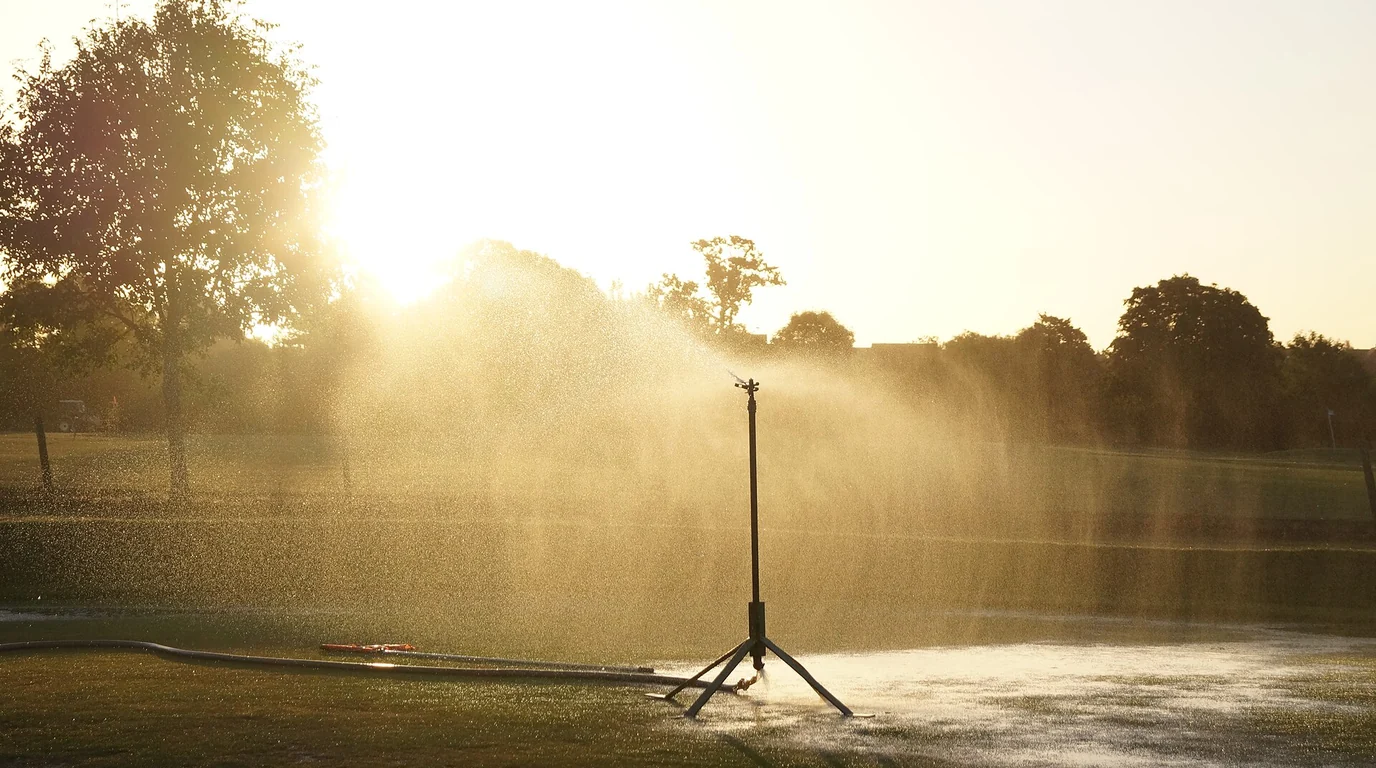
A motion-activated sprinkler is a contact-free option among nonlethal bird deterrents, and it can deter birds temporarily. University of Florida IFAS Extension notes that birds can get used to the movement over time, so effectiveness fades.
Know the Legal Limits
Simply scaring birds away generally doesn’t need a federal permit. The exceptions are eagles and species listed as federally threatened or endangered, according to the U.S. Fish and Wildlife Service.
Most native migratory birds, their nests, and their eggs still have protections. Never disturb an active nest. Check your state wildlife agency if you’re unsure which birds have legal protections on your property.
When to Call a Professional
Most torn-turf problems resolve with inspection, treatment when it’s actually warranted, and ordinary lawn recovery. Homeowners can handle every step themselves in most cases. Call your county extension office if you can’t tell whether grubs are present, or if your counts are confusing.
Bring in a licensed wildlife professional if a bird looks sick or injured. The same goes if you need help deterring a protected species beyond simple harassment. Extensive digging that doesn’t match a typical grub pattern is also worth a professional look.
Images: Common Starling in the Grass by Alexandru Panoiu, CC BY 2.0; Common starling foraging in a lawn by Marie-Lan Taÿ Pamart, CC BY 4.0; Lawn sprinkler by www.Pixel.la Free Stock Photos, CC0 1.0. Via Wikimedia Commons.
.jpg)

.jpg)
Free: The 5-Step Bird-Proofing Checklist
Work through the right steps in the right order, before spending money on the wrong deterrents. Printable PDF, straight to your inbox.
No spam. Unsubscribe any time.