Best Goose Repellents and Deterrents (What Actually Works)
Contents[hide]
- 1. Do Goose Repellents Work?
- 2. What Is Methyl Anthranilate?
- 3. Which Liquid Goose Repellents Are Worth Buying?
- 4. How Often Do You Need to Reapply?
- 5. Can You Use Goose Repellent Near a Pond?
- 6. Granular Repellents: Better for Small, Tight Spots
- 7. When Repellents Alone Are Not Enough
- 8. Other Deterrents That Help
- 9. What Does Not Work
- 10. When to Call a Professional
Goose repellent works best before geese settle in. Most sprays use methyl anthranilate, a grape-derived compound that makes treated grass taste wrong. Apply it every 10 to 14 days or after heavy rain. Paired with habitat changes, it can move a stubborn flock on within one to two weeks.
In this article, you'll learn which goose repellents work and when to use alternatives. We'll cover liquid repellents, granular products, and Border Collie hazing.
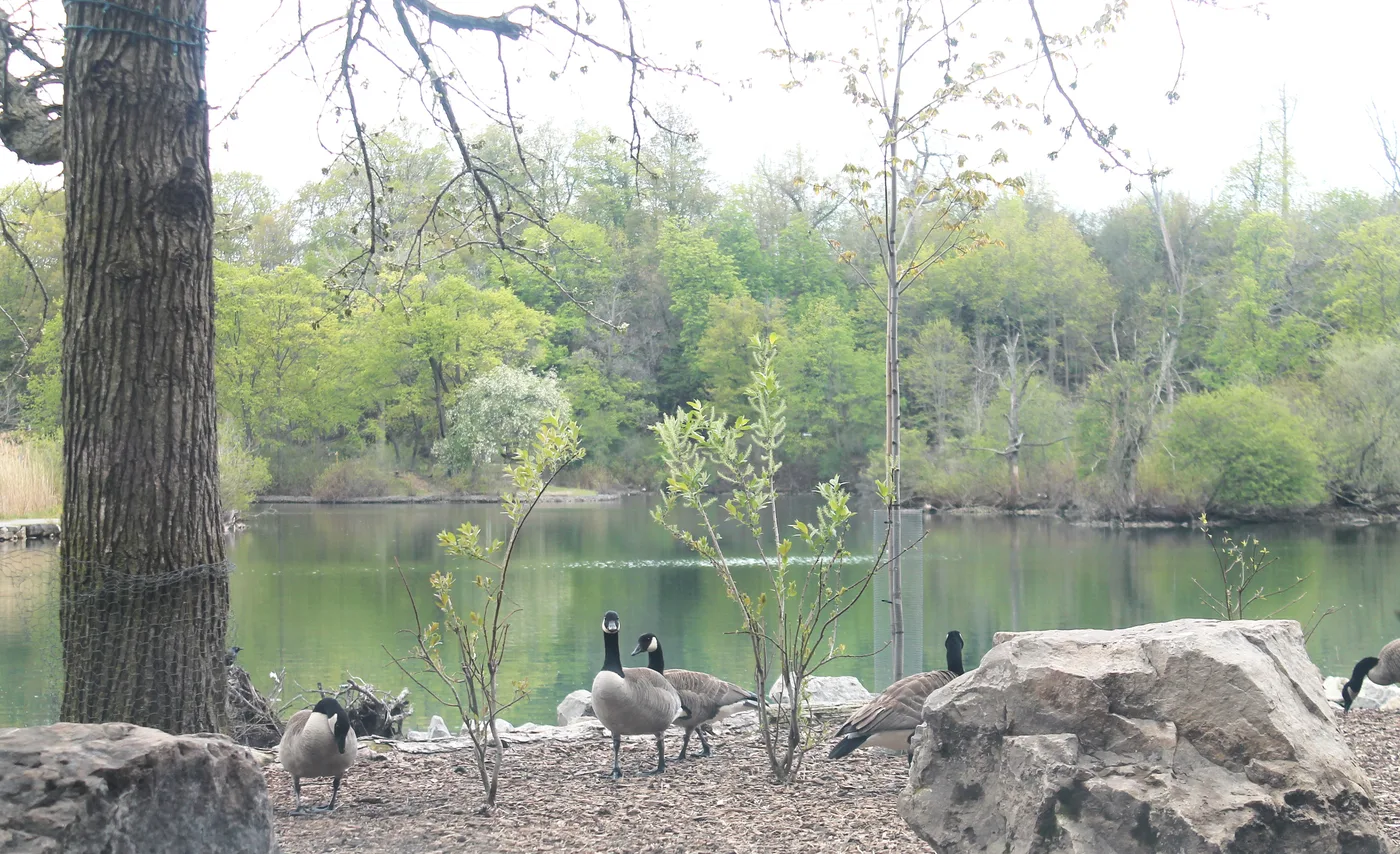
Do Goose Repellents Work?
Yes, with two qualifiers. First, they work best before geese have established a regular feeding pattern on your lawn. A flock that has been grazing the same spot for a month will test a treated area for days before giving up. Catch them in the first week or two and you have a real chance of redirecting them.
Second, repellents work better as one layer of a deterrent plan than as a standalone fix. Spraying while leaving a short-mowed lawn at the water’s edge still gives geese most of what they want.
What Is Methyl Anthranilate?
Methyl anthranilate (MA) is the active ingredient in every goose repellent worth buying. It is a compound derived from grapes that irritates geese when they graze on treated turf. Geese experience it through contact with their eyes and nasal passages when they peck at the grass.
It does not poison them. The compound makes treated areas feel and taste wrong, which is enough to move most flocks on.
MA is EPA-registered and biodegradable. It is safe for people, pets, and non-target wildlife once dry. Avoid applying it directly to a pond’s surface because it can irritate fish at high concentrations.
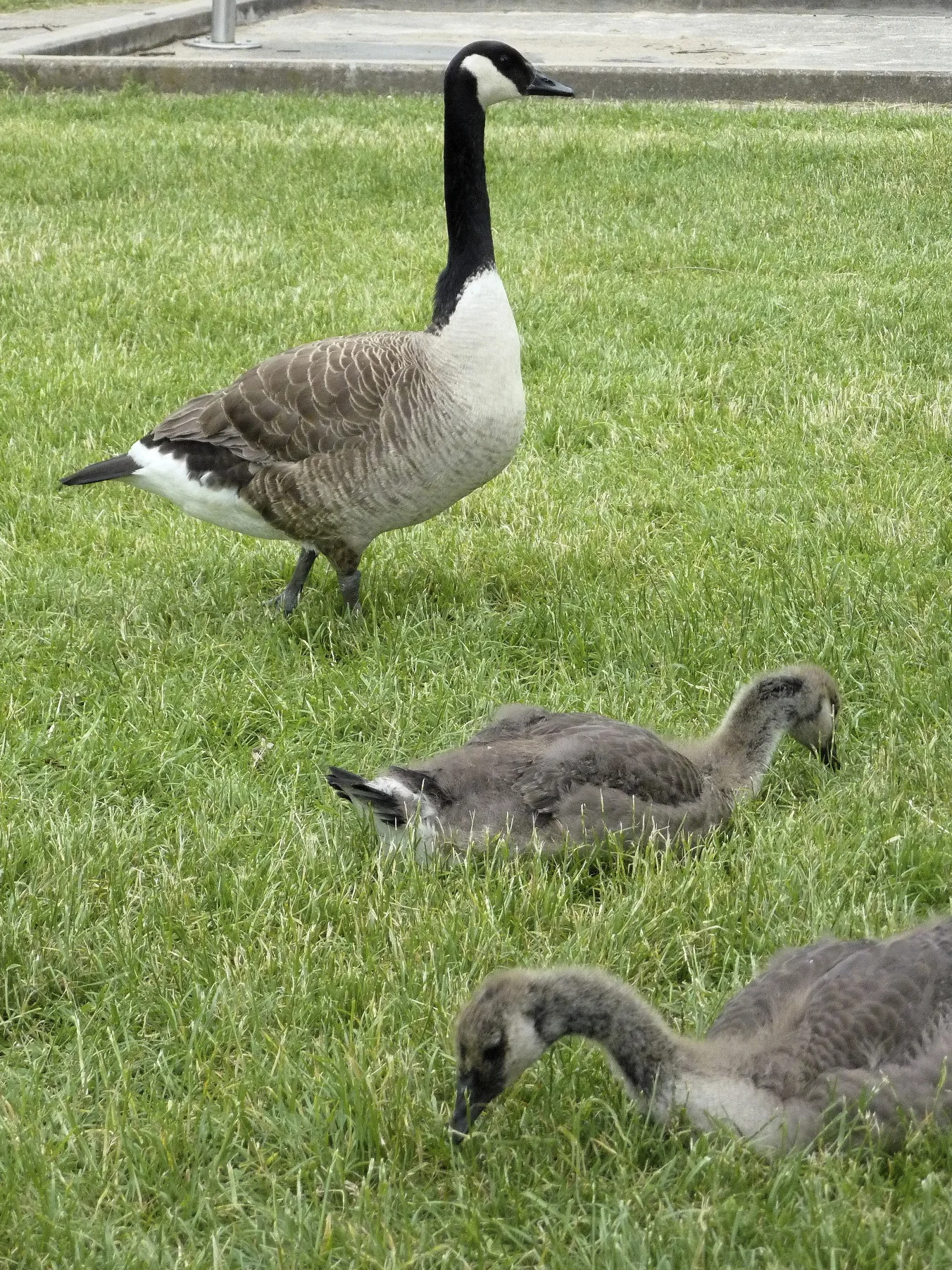
Which Liquid Goose Repellents Are Worth Buying?
Three products show up most consistently in professional wildlife management settings.
Flight Control Plus
Flight Control Plus is the most widely used professional-grade option. It contains MA plus a UV-activated dye that makes treated turf visible to geese. Geese see ultraviolet light differently than humans do, so they can detect which areas have been sprayed.
This extends the product’s deterrent effect beyond the MA alone. Apply with a backpack sprayer or hose-end unit. It lasts 10 to 14 days on dry turf and is the standard choice for golf courses, parks, and pond-adjacent lawns.
ReJeX-iT Migrate
ReJeX-iT Migrate is a straight MA liquid concentrate without the UV component. It is cheaper than Flight Control Plus and works on the same principle. You will need to reapply every 7 to 10 days rather than every two weeks. A good option for residential use when you want to keep costs down.
Goose Stopper Repellent Concentrate
Goose Stopper is another MA concentrate sold in smaller quantities. It is suited to a small lawn or garden where you do not need a professional volume. The active concentration is similar; the main difference is packaging and price per area treated.
How Often Do You Need to Reapply?
Every 10 to 14 days in dry weather. After heavy rain or mowing, reapply within a day or two. Mowing removes treated grass blades and drops the active concentration quickly. Grassy areas near lakes and ponds need more frequent treatment because moisture is constant.
Watch the geese. If a flock is testing the lawn again, it is time to spray.
Can You Use Goose Repellent Near a Pond?
Yes. Methyl anthranilate is EPA-registered for turf adjacent to water, including ponds and lakes. Spray the grass at the water’s edge, not into the water itself.
MA breaks down quickly, and at normal application rates it is unlikely to bother fish or pond life. Avoid spraying during heavy rain, when runoff can carry undiluted product into the water.
Flight Control Plus is the most commonly used repellent in these settings because wildlife managers have tested it extensively at pond edges.
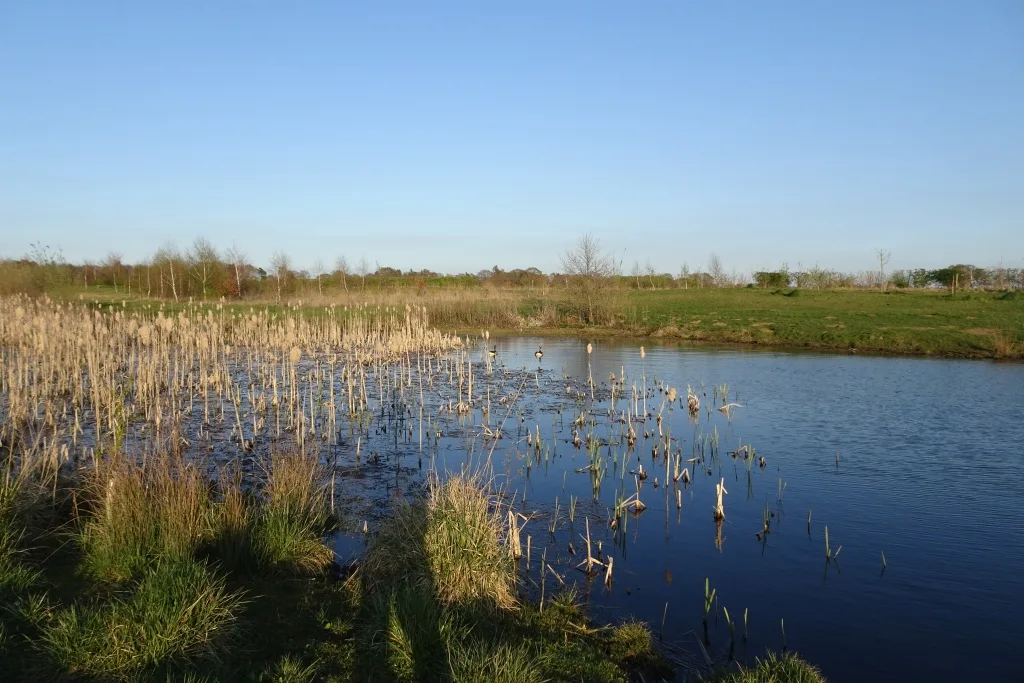
Granular Repellents: Better for Small, Tight Spots
Granular repellents like Goose Scram use scent and taste deterrents scattered over turf. They are easier to apply in spots where a sprayer is awkward, such as a garden border or around a patio edge. The tradeoff is faster breakdown, especially in wet conditions.
Use them as a supplement in tight spots. They are not a replacement for liquid spray on a large grassy area.
When Repellents Alone Are Not Enough
A flock that has settled in and treats your lawn as home territory will test a treated area persistently. If geese are back in force within two to three days of spraying, you need to add other deterrents.
The most effective combination: repellent spray, taller grass (geese prefer lawn under 4 inches), and a physical barrier at the water’s edge. Geese commute between water and feeding turf. Interrupting that path matters as much as treating the feeding zone. A single strand of wire or low fencing at the pond edge, combined with repellent on the lawn, stops most flocks within one to two weeks.
Other Deterrents That Help
Coyote Decoys and Predator Kites
Coyote decoys and large predator kites add visual pressure. Geese habituate to stationary decoys within a few days, so move the decoy to a new location daily. Kites that move in the wind stay effective longer. Neither works reliably as a standalone, but both add a layer of pressure that makes your property feel less safe to a flock.
Border Collie Hazing: The Most Effective Option
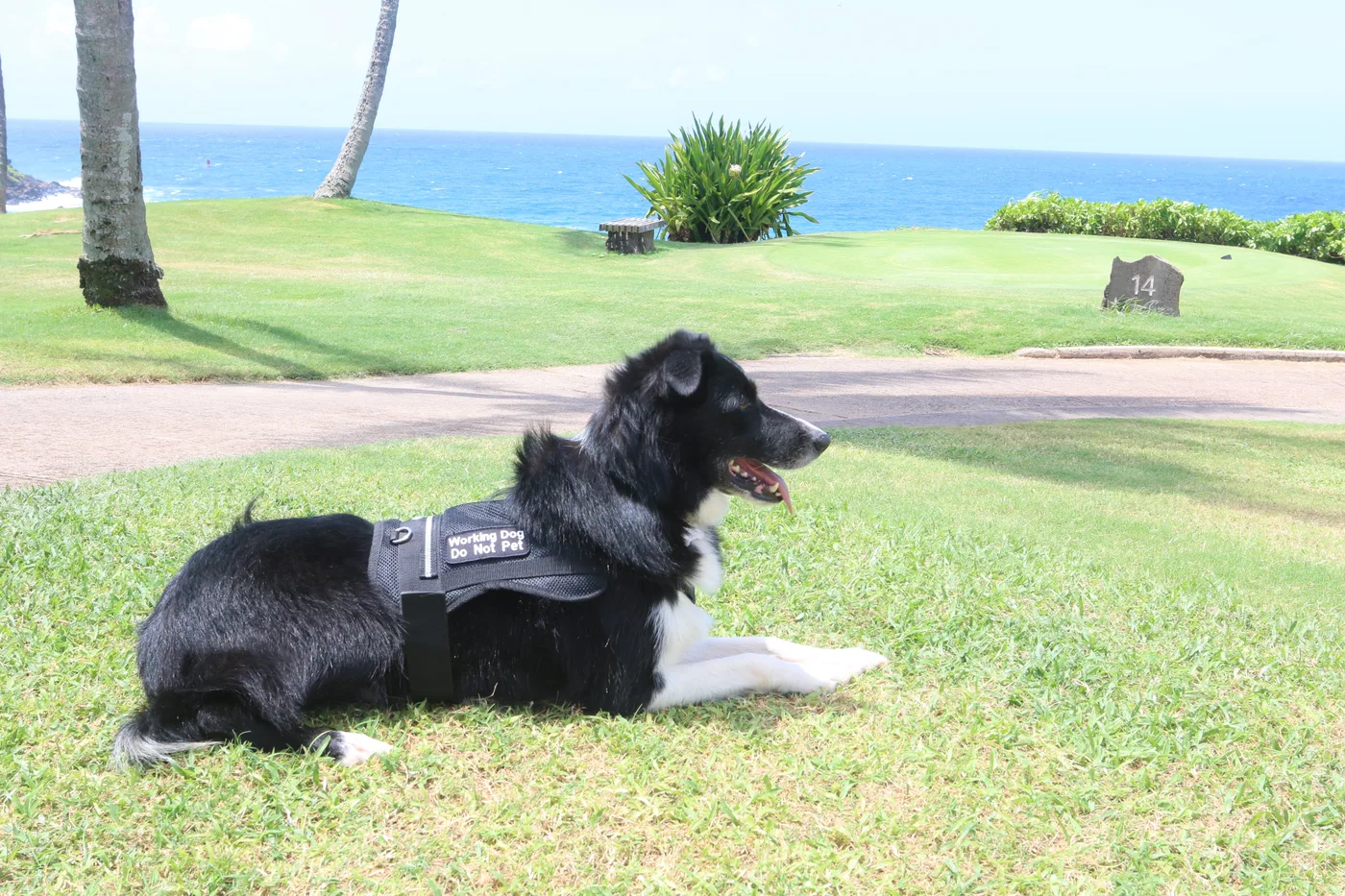
A trained Border Collie is the most effective humane deterrent for a stubborn flock. The dog approaches, circles, and pursues without contact. Geese experience this as real predator pressure.
Unlike a plastic decoy, they do not habituate to it. Flocks typically leave after a week or two of daily hazing.
For most homeowners this means hiring a wildlife management service. The dog and handler visit on a regular schedule until the flock moves on. It costs more than a bottle of repellent. For a persistent problem on a large property or near a pond, it is often the fastest fix.
Barriers at the Water’s Edge
A low fence, 24 to 30 inches of wire or reflective tape strung between posts, blocks the walking path geese use between the pond and the feeding area. Geese rarely fly over short barriers when moving to a feeding spot; they prefer to walk. The barrier does not need to be elaborate. It just needs to interrupt the specific path they have been using.
Barriers at the water’s edge are often overlooked. Pair one with liquid repellent and most flocks will look for easier spots.
What Does Not Work
Ultrasonic devices have no consistent evidence of effectiveness against geese. Most flocks ignore them within a day or two.
Noise deterrents like propane cannons work briefly, but only when fired on a random, unpredictable schedule. Geese learn fixed patterns quickly. Most consumer devices run on a fixed interval, which is exactly the wrong approach.
When to Call a Professional
For a large flock, a commercial property, or an area with a pond that keeps drawing geese back, a wildlife management company with trained dogs is worth the investment. USDA Wildlife Services issues depredation orders for serious infestations on qualifying properties. Those orders allow egg oiling, a humane population management tool that prevents eggs from hatching.
For most suburban lawns, a liquid goose repellent paired with a simple barrier and taller grass covers the problem. If you need to fix the habitat side first, the full geese removal guide walks through every step in order.
Images: Canada geese on Christchurch grass by TheLoyalOrder, CC BY 4.0; Flock of Canada geese by lake by K2HWY, CC BY-SA 4.0; Branta canadensis adult with feeding goslings by Frank Behnsen, CC BY-SA 3.0; Canada geese on pond by DS Pugh, CC BY-SA 2.0; Border collie hazing geese by USDA Wildlife Services, Public Domain.


.jpg)
Free: The 5-Step Bird-Proofing Checklist
Work through the right steps in the right order, before spending money on the wrong deterrents. Printable PDF, straight to your inbox.
No spam. Unsubscribe any time.