How to Protect Tomatoes From Birds Without Harming Them
Contents[hide]
- 1. Confirm Birds Are the Problem Before You Cover Tomato Plants
- 2. The Best Way to Protect Tomatoes From Birds Is Exclusion
- 3. Build a Cover Around Tomato Plants That You Can Use
- 4. Time the Barrier Around Flowers and Ripening Fruit
- 5. Use Scare Devices Only as a Short-Term Backup
- 6. Troubleshoot Repeat Damage Without Escalating Harm
- 7. Keep Tomato Protection Humane and Legal
- 8. Common Questions About Stopping Birds From Eating Tomatoes
- 9. A Simple Start-to-Finish Plan
Quick Answer
The most dependable humane way to protect tomatoes from birds is bird netting supported above the plants, kept taut, sealed at the base, and opened only through a resealed harvest flap. Leave flowers accessible to pollinators, pick ripening fruit often, and treat reflective devices as a short-term backup rather than the whole plan.
In this article, you'll learn how to protect tomatoes from birds without harming them. We'll cover supported netting, harvest timing, and humane deterrents.
Confirm Birds Are the Problem Before You Cover Tomato Plants
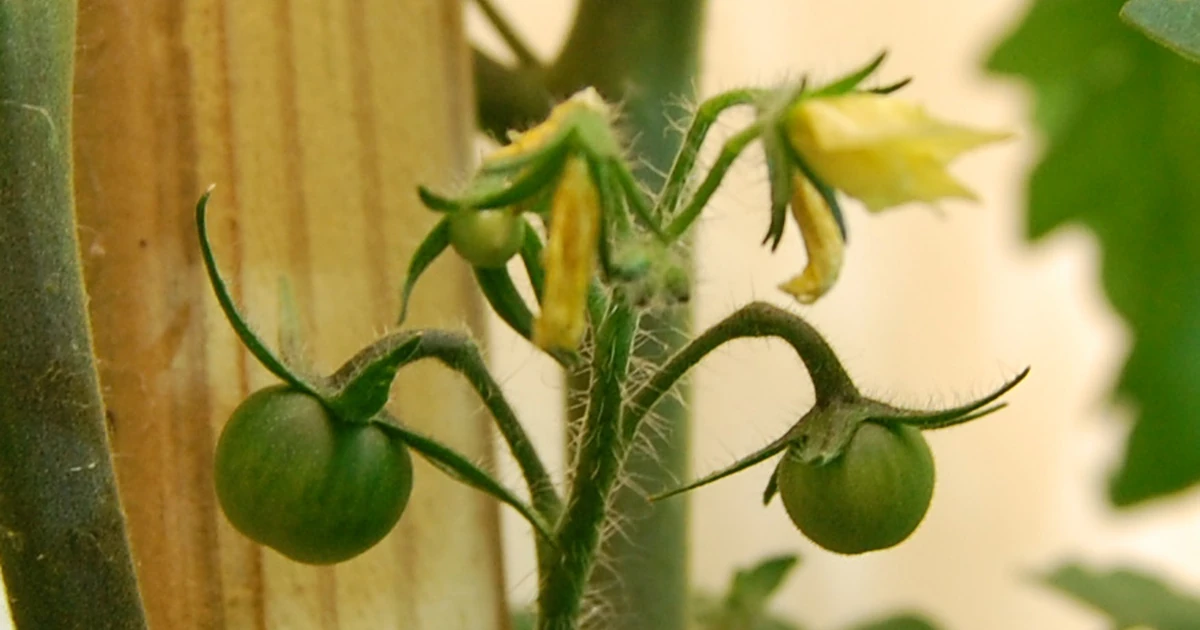
A missing or pecked ripe tomato can be frustrating, but do not assume every hole is from birds. Watch the garden early in the day if you can. Bird damage often appears as a clean peck or a missing bite on exposed fruit; squirrels, rabbits, deer, insects, rot, and cracking can leave different clues. The distinction matters because a bird barrier will not solve blossom-end rot, and a rabbit can still reach a tomato plant through a cover designed only for birds.
Start with a short inspection: look at the fruit, nearby ground, stems, and the opposite side of the plant. Note whether fruit is missing, whether the vine is chewed, and whether you see tracks or droppings. Oregon State University Extension lists birds, deer, squirrels, and mice among nuisance pests that can affect home-garden fruit, and recommends covers or netting where fencing the whole garden is impractical. That is a useful reason to diagnose first rather than buying a pile of gadgets. Read its home-garden strawberry guidance for the general nuisance-animal principle.
Cherry tomatoes can disappear quickly because they are easy to carry away. Larger red tomatoes may show pecking holes while remaining on the vine. Either pattern is a signal to inspect the whole patch, not to punish the animal. The goal is to remove access to the food, not to remove birds.
The Best Way to Protect Tomatoes From Birds Is Exclusion
For a small home garden, a supported physical barrier is more reliable than a scare tactic alone. Penn State Extension calls netting the most effective method for reducing bird damage on small fruit crops. The same practical logic applies around tomato plants: keep the mesh off the fruit, close the routes in at the ground, and make access predictable for the gardener.
A loose sheet of bird netting thrown over tomato plants is not the same thing as a cover. It can sag onto a cage, touch a ripe tomato, and leave an easy gap at the ground. Birds may perch on it or reach through it; loose netting also deserves extra attention because any slack section can become an entanglement risk. Build a frame that carries the netting’s weight instead. A tomato cage, stake-and-crossbar frame, or hoops over a bed can work when it is stable enough to keep the mesh elevated.
Penn State also notes the tradeoff honestly: netting costs money, takes labor to apply, and makes crop access less casual, but careful removal and storage allow it to be reused. That is a better bargain than losing the same tomatoes each season. For frame, seam, and mesh fundamentals that apply to several crops, see our guide to bird netting for vegetable gardens.
Build a Cover Around Tomato Plants That You Can Use
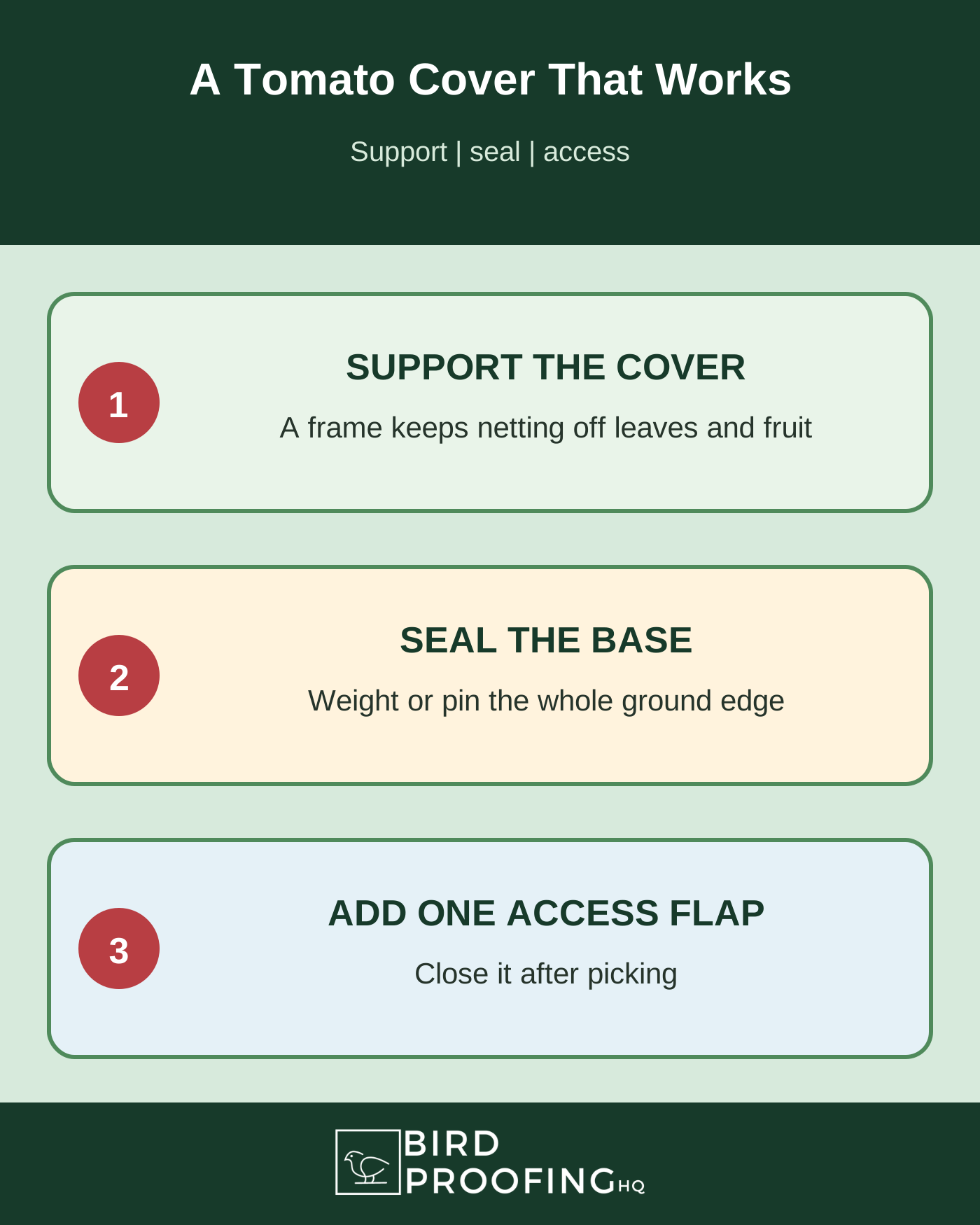
Set the frame before fruit becomes an easy target. For a few container tomatoes, a tall cage with netting clipped outside it is often simpler than wrapping each branch. For a row or raised bed, place hoops or uprights outside the plants, add a ridge support if needed, then pull bird netting over the frame. Leave clearance so foliage and fruit do not press against the mesh in wind.
Seal the entire bottom edge with pins, weights, or soil appropriate to the bed. A gap near the ground is an invitation; a half-open flap is one too. Create one obvious access panel on the side you use for picking, then close and secure it every time. Tie loose ends rather than leaving a pocket. Check ties after wind or rain, particularly if plants are in an open yard.
Choose Mesh for Safety and Inspection
Choose bird netting you can keep visible, taut, and intact. There is no universal mesh size that is safe for every bird and garden layout, so do not rely on a one-size claim. Instead, inspect the mesh before installation, keep it lifted off the tomato plants, and repair tears promptly. Check from both inside and outside the frame, because a small gap on the opposite side can be hard to spot from the path.
The cover is not a permanent cage. When the harvest is done, remove it, clean off plant debris, let it dry, and store it. That protects the material and avoids leaving slack netting in the yard when there is no fruit to protect.
Time the Barrier Around Flowers and Ripening Fruit
Oregon State University Extension explains that tomatoes self-pollinate, while Penn State Extension notes that bumble bees can buzz-pollinate tomato flowers. Do not seal an actively flowering patch behind a barrier without checking that pollinators can still reach it. If your plants have open blooms and ripe fruit at the same time, use a flap or temporarily open the cover while you can watch it, then reseal it afterward.
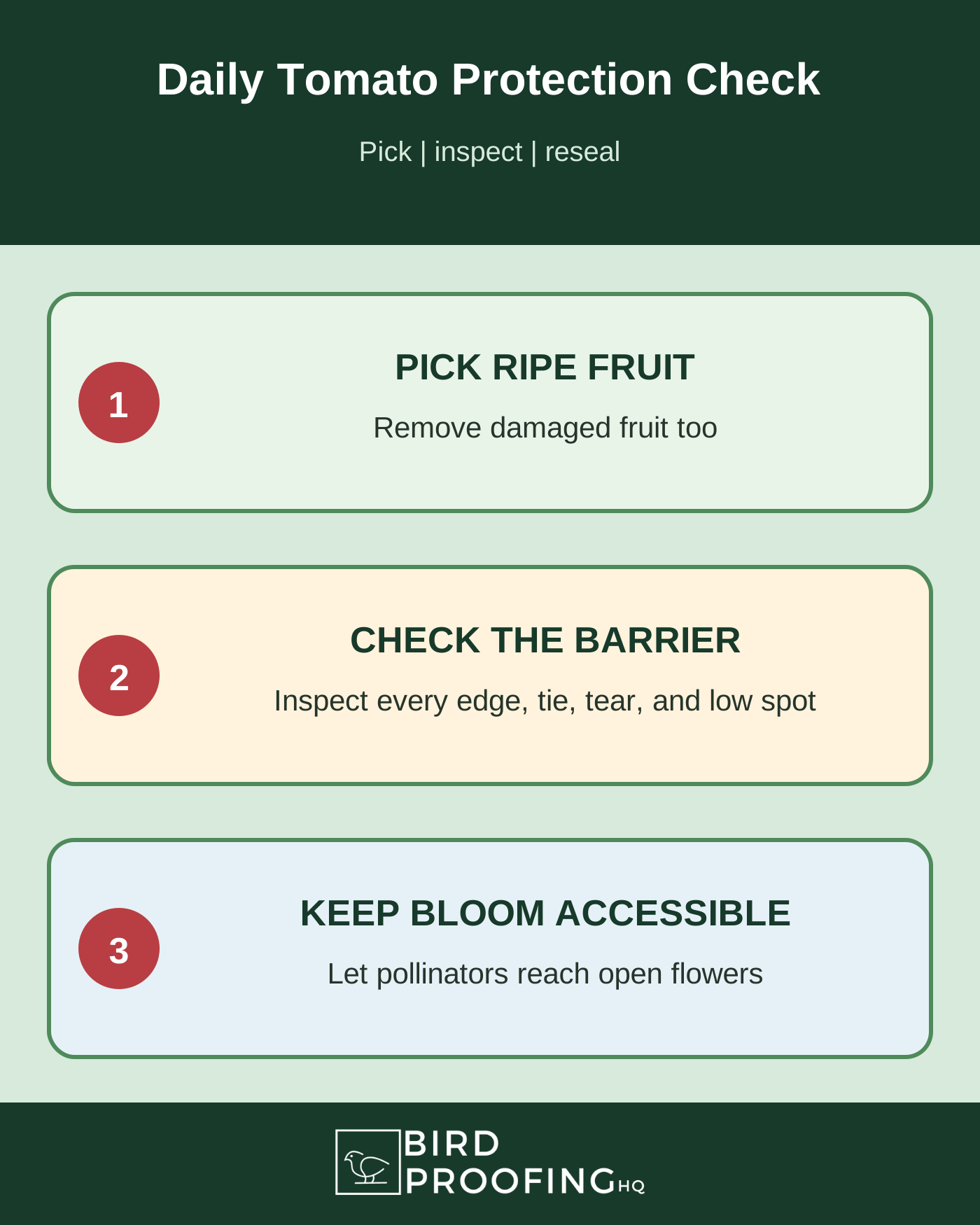
As fruit changes from green tomatoes to pink, orange, or red tomatoes, begin a daily harvest routine. Pick a ripe tomato before it splits or becomes overripe. Remove damaged fruit as well, because it is an easy food cue. Some gardeners let fruit finish coloring indoors when pressure is high; that is a harvest decision, not a substitute for a barrier.
Use Scare Devices Only as a Short-Term Backup
Reflective tape, moving spinners, red Christmas ornaments, old CDs, and a plastic owl may deter birds briefly, especially while you finish a cover. A dollar store device can be useful as a bridge, but do not mistake movement for exclusion. Penn State Extension recommends changing visual scare devices regularly and varying their locations, colors, and types. Oregon State Extension likewise warns that birds can habituate to repeated visual deterrents and recommends rotating and combining tactics rather than depending on one object. See its nonlethal bird-deterrent strategies.
If you try one, move it every few days and use it alongside the netting. Do not use glue, poison, trapping, shooting, or any method intended to injure birds. A visual device cannot make a hole in the barrier safe; repair the hole first.
Troubleshoot Repeat Damage Without Escalating Harm
If birds are still eating tomatoes after the cover goes up, work in order. First inspect the ground seal. Then look for torn mesh, sagging panels, and an access flap that was not resealed. Finally, watch at the time damage occurs so you can see whether the culprit is a bird, squirrel, or another animal. Do not keep adding deterrents before you know how the animal is getting in.
Squirrels and deer may require a more substantial barrier; rabbits may be entering at ground level. If you also grow peas or have nearby fruit trees, protect those crops separately instead of trying to stretch one unsafe, loose sheet across the entire garden. A cover should be sized for reliable inspection, not maximum acreage.
Keep Tomato Protection Humane and Legal
This approach is exclusion and deterrence, not removal. The U.S. Fish and Wildlife Service explains that the Migratory Bird Treaty Act prohibits taking protected migratory birds without authorization. Many birds visiting a yard are protected, and species protections vary. Do not trap, injure, kill, or handle a bird because it ate tomatoes.
If a bird is loose inside but not tangled, open the flap fully and step back so it can leave. If it is caught or injured, contact a licensed wildlife rehabilitator or your state wildlife agency rather than trying to free it yourself. Then repair the conditions that allowed the problem: tauten the mesh, replace damaged netting, and remove slack material. For more context, see are birds protected by law?.
Common Questions About Stopping Birds From Eating Tomatoes
How Do I Stop Birds From Eating Tomatoes?
Use a supported, sealed bird-netting cover as the main method. Pick ripening tomatoes frequently, reseal the harvest flap, and rotate visual deterrents only as backup.
Can I Protect Cherry Tomatoes Without Covering Every Plant?
A shared frame over a small bed is usually easier to manage than separate loose wraps. Keep the frame outside the plants, tension the mesh, and give yourself one access flap.
Do Birds Eat Tomatoes Before They Fully Ripen?
They may investigate green tomatoes, but fruit becomes a more obvious target as it colors and softens. Install the frame early and close the cover before the first ripe tomato draws repeat visits.
What Should I Check Each Day?
Pick ripe fruit, remove damaged fruit, inspect the full perimeter, check every tie and low spot, and close the flap. After a storm, repeat the inspection before assuming the barrier is still secure.
A Simple Start-to-Finish Plan
- Confirm birds are responsible for the tomato damage.
- Build a stable frame around the tomato plants before fruit ripens.
- Pull bird netting over the frame so it stays off leaves and fruit.
- Seal the ground edge and make one harvest flap.
- Keep flowers accessible, pick daily, and reseal after every visit.
- Rotate a scare device only while you maintain the physical barrier.
- Repair gaps and remove netting at the end of the season.
Images: Tomato fruit and flowers at day 52 by Dennis Brown, CC BY-SA 3.0, cropped and resized. Via Wikimedia Commons.

Free: The 5-Step Bird-Proofing Checklist
Work through the right steps in the right order, before spending money on the wrong deterrents. Printable PDF, straight to your inbox.
No spam. Unsubscribe any time.