In this guide6 sections
Quick Answer
Crows mob owls because owls are predators that hunt crows and other birds. Mobbing is loud calling, swooping, and chasing meant to drive the owl away, and it usually injures neither bird.
In this article, you'll learn what crow-and-owl mobbing means near your home. We'll cover recognizing mobbing, what to leave alone, and when to call help.
What the Conflict Between Crows and Owls Means
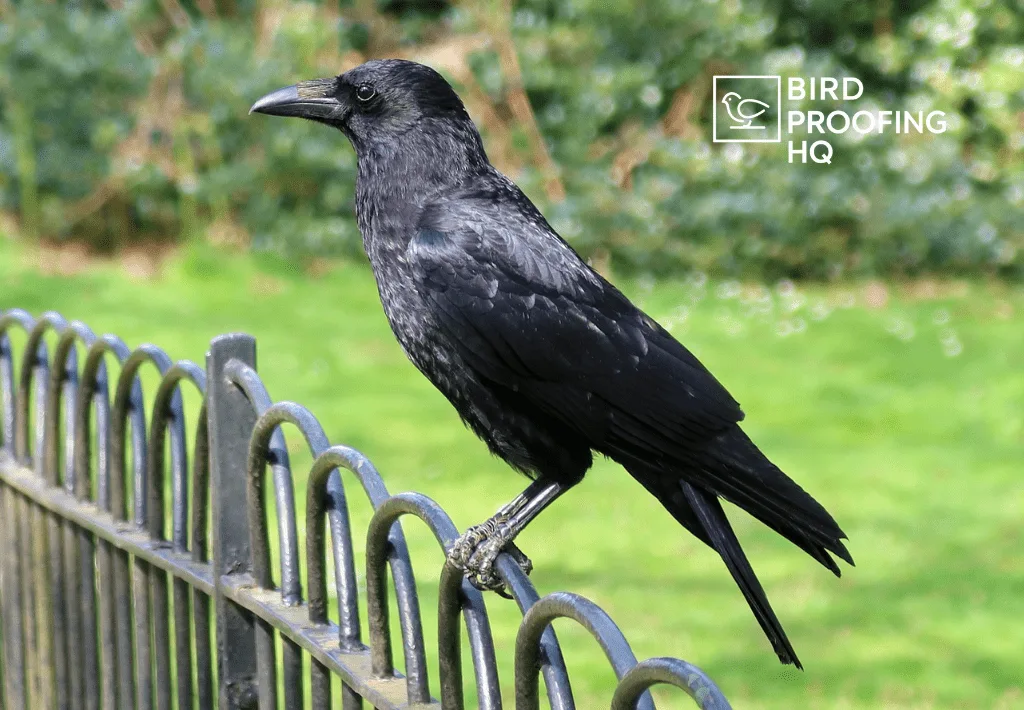
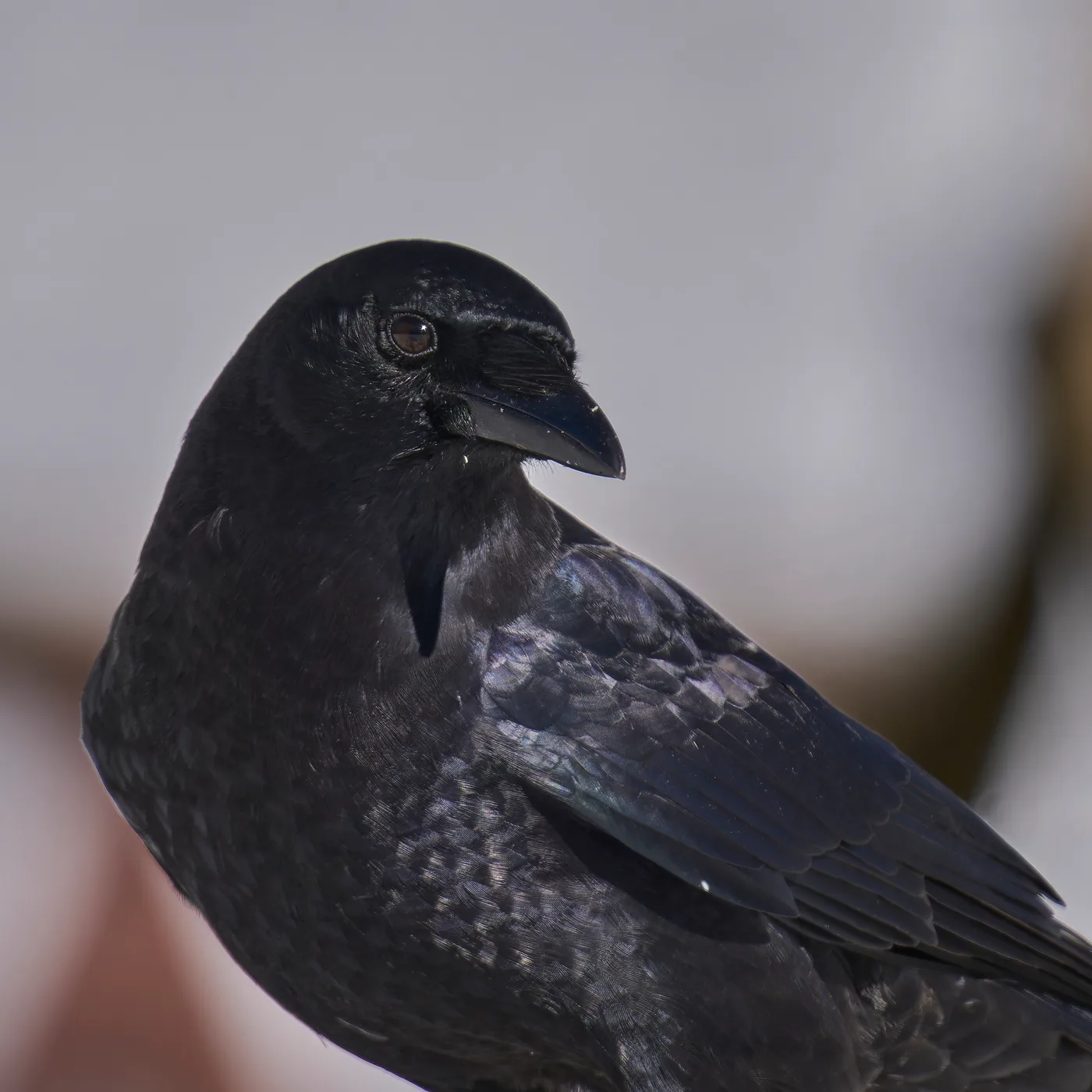
When a flock of crows suddenly erupts into harsh calling over one tree, you are most likely hearing mobbing. The Cornell Lab of Ornithology describes mobbing as coordinated calling, swooping, and chasing used to drive off a perceived predator and to warn or recruit other birds. It is a defense behavior aimed at the predator, not at you or your yard.
American Crows are known for working together to harass or drive off predators, and they may chase larger birds, owls included. For you, that usually means a noisy scene you can safely watch from a window.
How to Tell Mobbing From Ordinary Crow Noise
Crows are loud for plenty of reasons, so the sound alone does not tell you much. Mobbing has a shape you can learn to spot:
- Crows call hard and repeatedly.
- Individual birds swoop at something, then circle back for another pass.
- They chase a larger bird, which may be an owl.
Do not assume every crow commotion means an owl. Hawks, raccoons, cats, and snakes can draw the same reaction, and crows also get loud over food, territorial disputes, and gathering at a roost. Look around the whole area before you decide what the crows are reacting to.
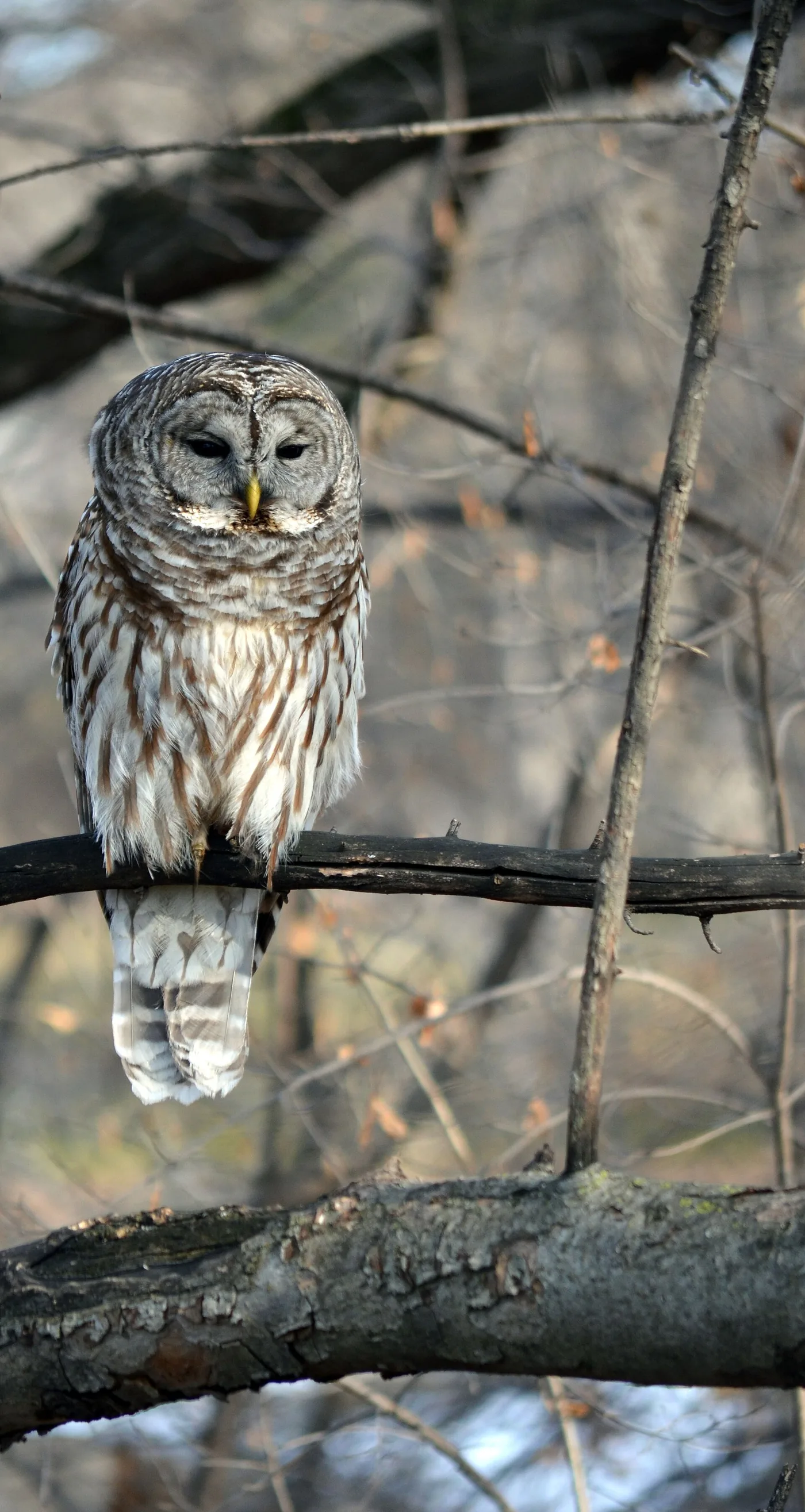
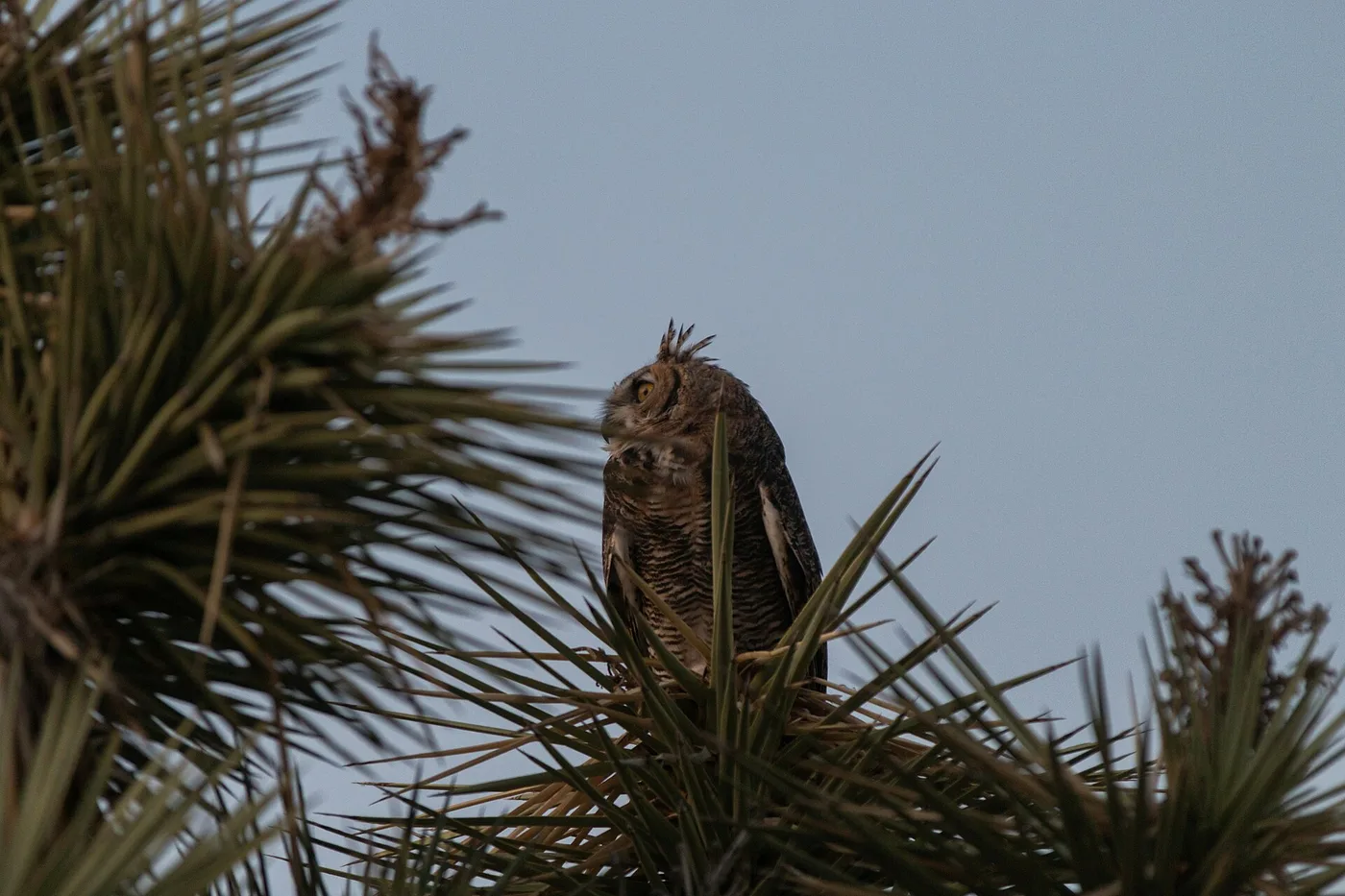
You do not need to name the owl species to respond well. The advice below is the same whether the bird is a Great Horned Owl, a Barred Owl, or something you cannot identify.
If owl activity is putting pets or poultry at real risk, how to get rid of owls is the place to go. Mobbing alone is not a reason to use it.
Why Crows Take the Risk
Owls are frequent mobbing targets because they prey on sleeping birds, and Great Horned Owls eat crows among many other prey species. To a crow family, an owl nearby is a threat, so the crows announce it and try to push the owl elsewhere.
The goal is to move the predator, not to injure it. Mobbing usually does not harm either party, although crows may make contact. For you, that means a mob is not an emergency you need to solve.
What to Do, and What Not to Do
The right response to normal mobbing is mostly to leave it alone.
What helps:
- Watch from indoors or from a distance, and use binoculars if you want a closer look.
- Keep children and pets inside or well back from the tree.
- Give the owl room. Flushing or crowding a roosting owl is something birders are asked not to do, because repeated disturbance can cause the owl to abandon its roost and leave it exposed to predators.
- If you photograph the owl, keep the exact roost location off social media and public forums. The same eBird guidance covers why precise locations of sensitive species should stay private.
What to skip:
- Do not throw objects, spray the birds, aim a laser, or play distress calls.
- Do not climb toward the owl, try to break up the mob, or chase either species off.
Each of those can stress the birds further or put you at risk, and several can harm a bird. They can also cross a legal line. Most native birds, their eggs, and their active nests are protected under federal law, so do not handle, trap, injure, or move either bird or an active nest without proper authorization. The details are covered in are birds protected by law.
When a Separate Crow Problem Is Going On
Some households have a different complaint: crows that keep coming back for trash, pet food, or birdseed, with no owl involved. That is a food-source problem and a separate job from watching a mob. If that is you, the crow control steps start with removing what is rewarding them.
When to Simply Wait
If the birds are all flying or perched normally and nobody is on the ground, you do not need to do anything. Keep your distance and give the owl room.
When to Call a Rehabilitator or Wildlife Agency
Normal mobbing does not need a phone call. A bird in trouble does. Call a licensed wildlife rehabilitator or your local wildlife agency if you see a bird that is:
- on the ground, especially one that cannot or will not fly;
- bleeding;
- tangled;
- trapped against a building.
Do not handle a raptor yourself. An owl has strong talons and a powerful grip, and handling a protected bird without authorization is a legal problem as well as a safety one. Keep pets and people back, note where the bird is, and describe what you see on the call. The rehabilitator or agency will tell you what to do next.
If a mob is still going and a bird is clearly hurt, make the call first, from a safe distance. Do not wait for the crows to leave.
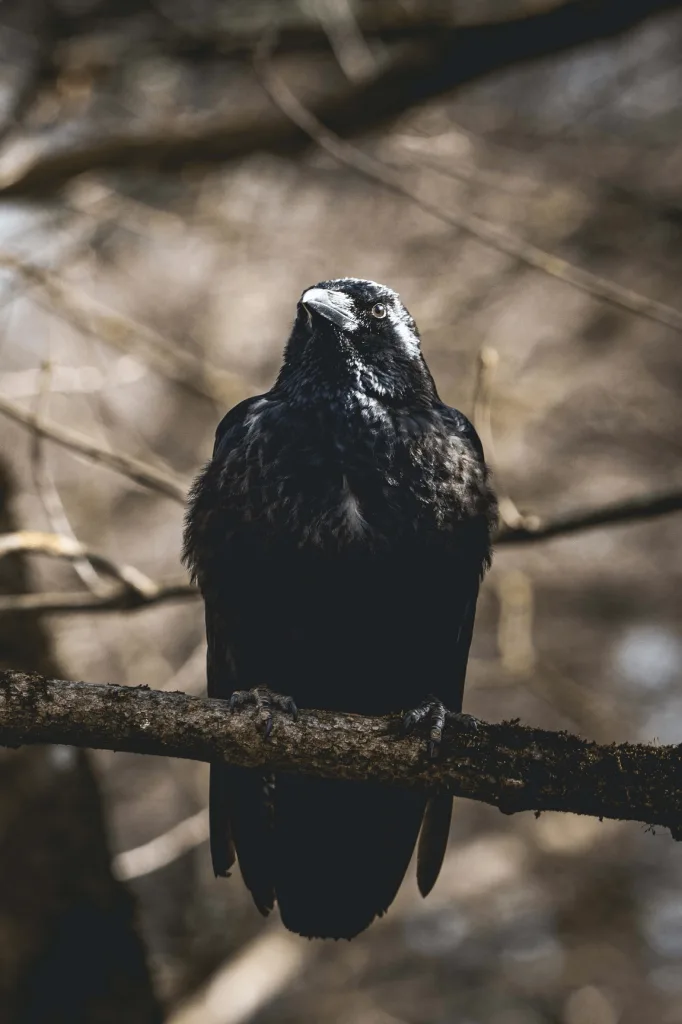
Images: American crow by Paul Danese, CC BY-SA 4.0. Great Horned Owl by Joshua Tree National Park, public domain. Barred Owl by U.S. Fish and Wildlife Service, public domain. Via Wikimedia Commons.
Frequently Asked Questions
Why do crows attack owls?
Owls are predators, and Great Horned Owls eat crows along with many other birds. Crows gang up on a perceived predator with calling, swooping, and chasing to drive it away and to warn or recruit other birds. The goal is to move the owl, not usually to injure it.
Do crows and owls kill each other?
Usually not during a mob. Mobbing aims to push the predator out and usually does not harm either bird, although crows may make contact. The real danger runs one way, since a Great Horned Owl can prey on a crow.
Does a loud group of crows mean there is an owl nearby?
Not always. Hawks, raccoons, cats, snakes, food, territorial disputes, and crows gathering at a roost can all cause loud crow activity. Look for birds calling and swooping at one spot, and check the whole area, before you decide an owl is the reason.
Should I stop crows from harassing an owl?
No. Do not throw things, spray water, or try to break up the mob. Stepping in can put you, your pets, and the birds at risk. Watch from indoors or from a distance.
What should I do if I find an owl on the ground?
Keep people and pets back and call a licensed wildlife rehabilitator or your local wildlife agency. Do not handle it. An owl on the ground, bleeding, tangled, unable to fly, or trapped against a building needs a professional.
Can I catch or relocate an owl or crow myself?
No, not without authorization. Most native birds, their eggs, and their active nests are protected under federal law, so do not handle, trap, injure, or relocate either bird or an active nest yourself. Contact your state wildlife agency if a bird is a real problem.
Can I post a photo of the owl and where it roosts?
Share the photo if you like, but keep the exact location private. Repeated disturbance can cause an owl to abandon its roost and expose it to predators, and eBird asks that precise locations of sensitive species stay private.
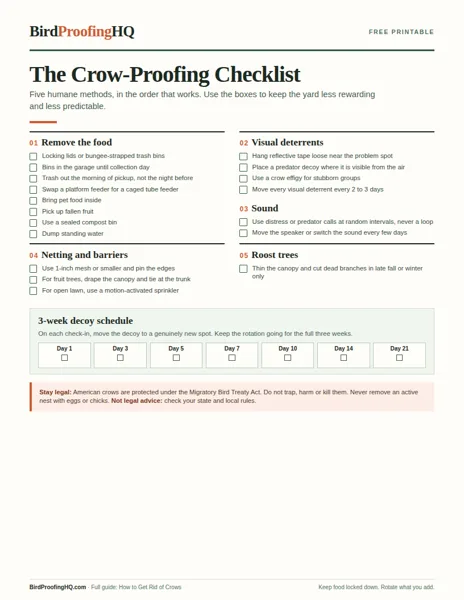
Free printable PDF
The Crow-Proofing Checklist
Five humane methods in the order that works, plus a 3-week decoy-moving schedule you can tick off.
Free. We email it to you right away.