How to Get Rid of Herons (Protect Pond Fish)
Contents[hide]
To get rid of a heron without harming it, block access to the fish first. Stretch taut pond netting above the water or use a safe full enclosure. Add deep fish shelters and place a motion sprinkler on the bird's usual approach. Great Blue Herons are federally protected, so do not harm them or disturb a nest.
In this article, you'll learn how to protect pond fish from herons without harming them. We'll cover pond barriers, deterrent placement, and humane escalation.
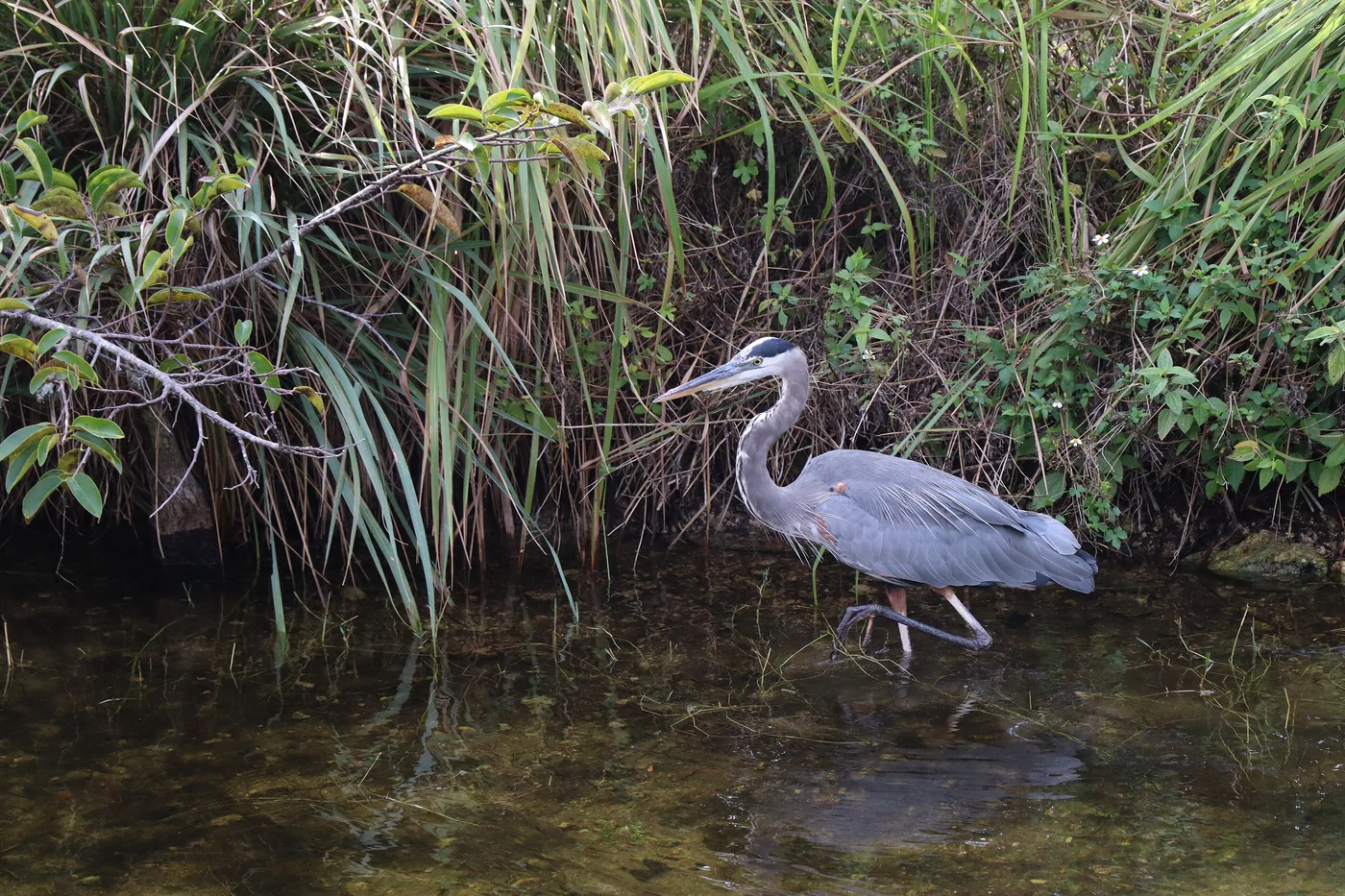
Protect the Fish Today
Getting rid of a heron means getting it to stop visiting, not removing the bird. A shallow pond with visible fish gives a patient hunter an easy meal.
Start with the fish, not a plastic owl. Physical protection works even when you are away.
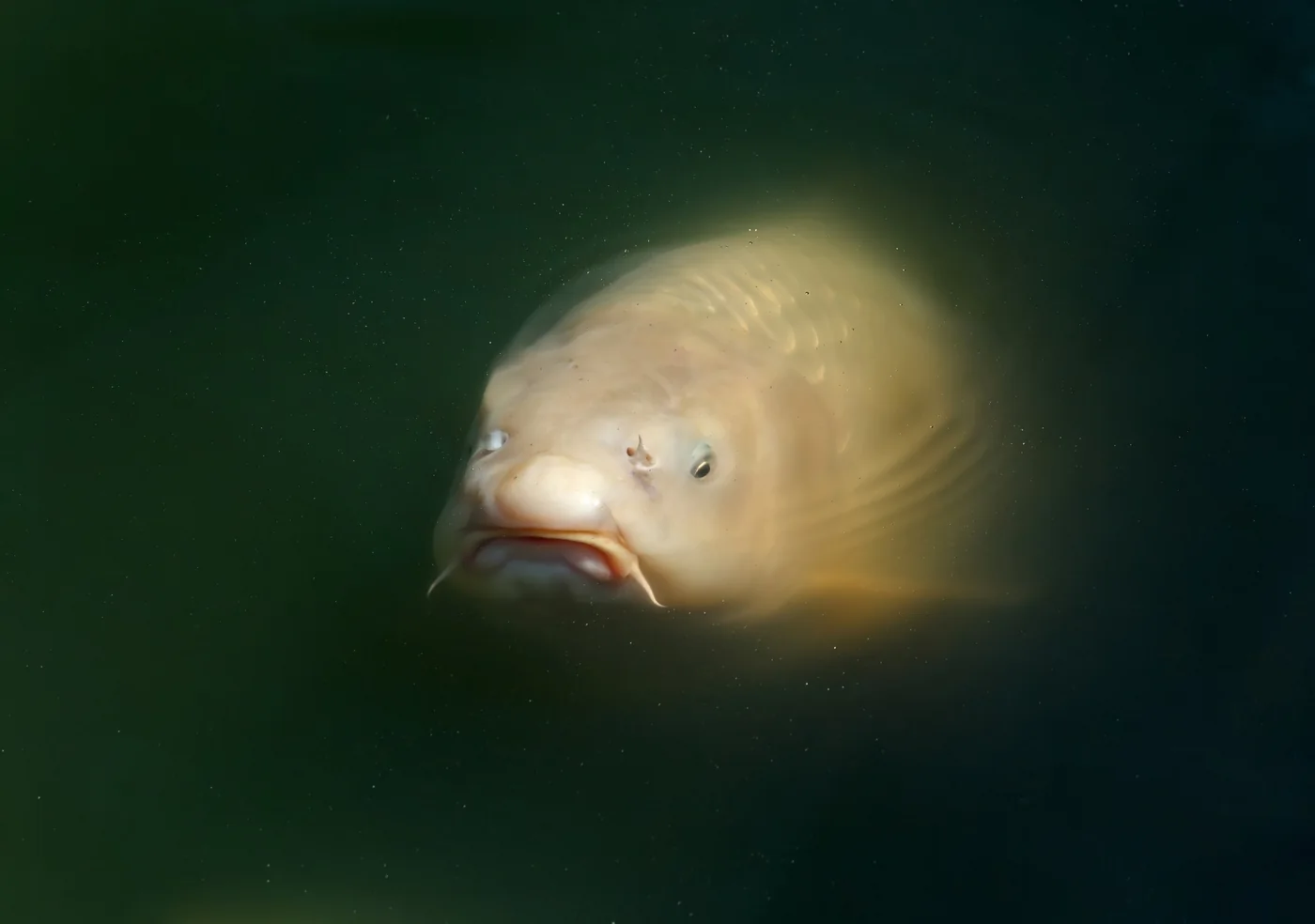
If you already have a safe holding setup, move vulnerable fish away from the open edge. Avoid a crowded bucket or poorly filtered tank. Sudden transfers can create a second problem.
Put fish shelters in the pond next. Use smooth tunnels, caves, or deep refuge areas with more than one exit. A one-way hiding place can trap fish instead of helping them.
Then cover the water with taut, supported pond netting or a proper frame enclosure. Keep the net above the surface and anchor every edge. Check it each day and after wind or storms.
North Carolina’s wildlife agency profile notes that great blue herons sometimes eat koi. It also names mesh netting over ponds as a way to protect fish.
How to Keep Herons Out of a Pond
Use layers, but put the strongest one first. Refuge and edge changes make hunting harder. A motion sprinkler adds a surprise on the approach.
Use Taut Pond Netting or a Full Enclosure
A complete screen or net enclosure gives the strongest direct protection. The Internet Center for Wildlife Damage Management heron guidance calls full enclosure the most effective way to stop herons eating fish.
For a small home pond, fit the barrier to the whole water area. Stretch it on firm supports, keep it above the water, and secure every edge. Leave no gap beside a waterfall, cable, plant, or filter pipe.
This barrier method is called exclusion because it blocks the bird’s access. Loose net is not humane. A sagging pocket can wrap around a bird, snake, frog, or pet. Check underneath and around the edge while you inspect it.
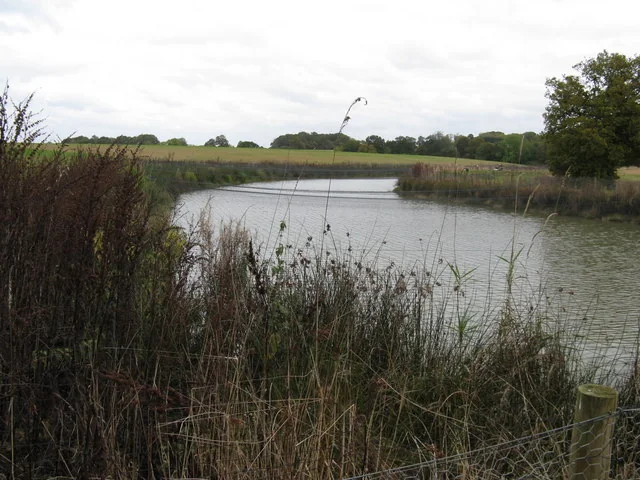
The fine mesh in this distant view is hard to see. It shows why a large pond needs a planned support system, not a loose sheet tossed over the water.
Choose a net and frame made for your pond’s shape and weather. Follow the maker’s installation rules rather than guessing at a mesh size. Safe bird netting installation prevents sagging pockets and open edges around an awkward pond.
Give Fish a Real Hiding Place
A heron has less success when fish can leave its sight. Give them a deep refuge plus a smooth tunnel or cave. Each shelter needs more than one exit.
Sharp wire, rough-cut pipe, and loose line do not belong in the water. Invisible fishing line can still catch wildlife. It is not an automatic safe swap for netting.
Shade also gives fish cover, but plants alone are not a barrier. Maintain enough oxygen so fish do not gather at the surface. If fish are gasping, deal with the water problem before adding more cover.
Make the Edge Harder to Hunt
Great blue herons often feed in shallow, calm water. They can stand at an open margin and wait for fish to pass. A clear edge also gives them an easy view and approach.
Move stepping stones, low platforms, and decorations that serve as a hunting stand. Nearby paths still need enough room for people to walk safely.
Deeper water with steep banks can discourage herons, according to the ICWDM guidance. Treat that as a future pond design choice, not a quick weekend fix. It does not replace exclusion, and steep water edges need safe access planning.
Add a Motion Activated Sprinkler
Place a motion sprinkler on the route the bird uses to walk in or land. Aim it across that path, not across a road or into a neighbor’s yard.
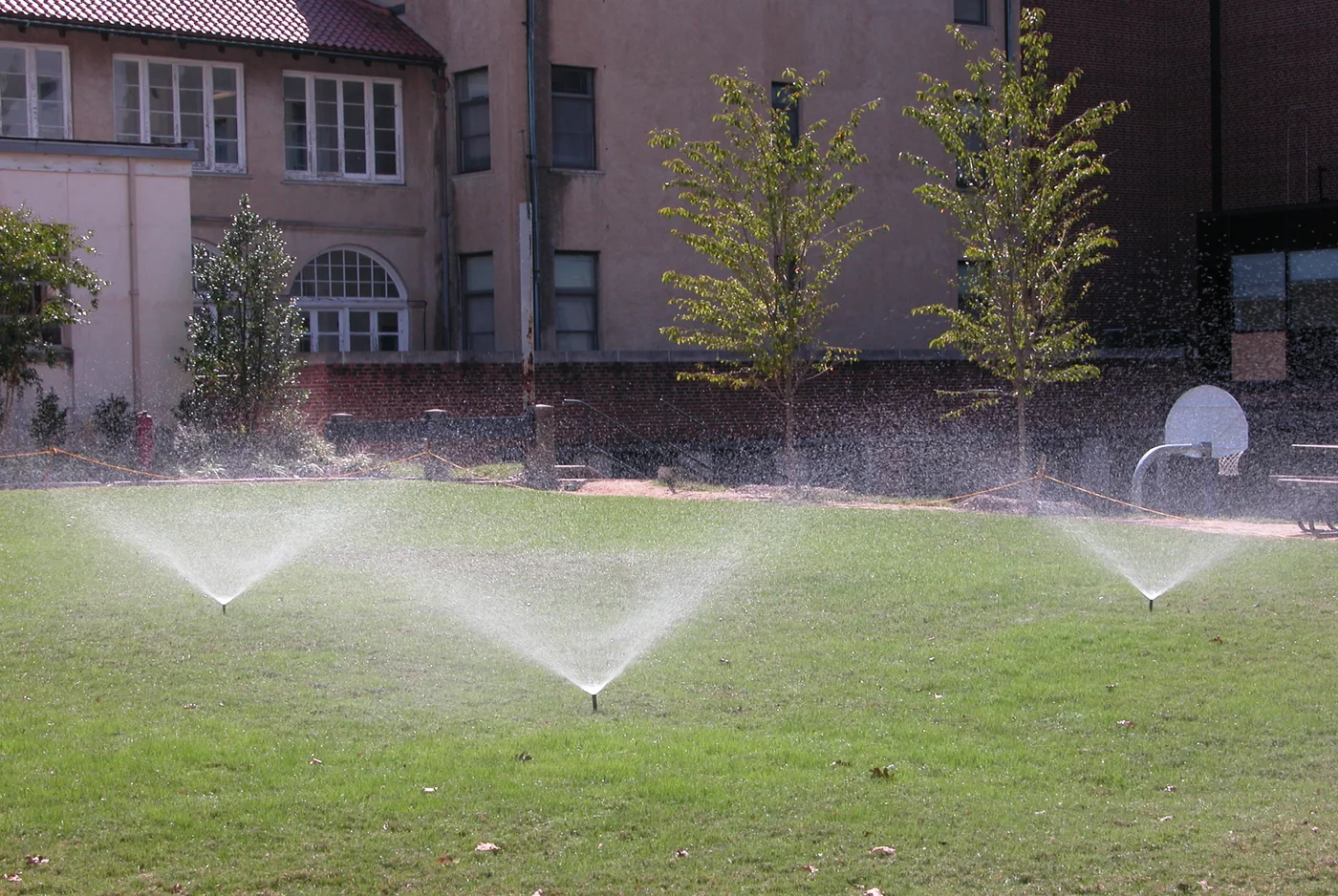
Test the sensor from several angles. Plants can block it, and windblown leaves can trigger it. Move the sprinkler if the heron changes its approach.
ICWDM also says motion-triggered water works better than an ordinary rotating sprinkler. It remains a backup for the physical protection.
Scares That Do Not Work Well Alone
A fake heron, plastic owl, shiny tape, or sound device may interrupt a visit. The effect often fades when nothing moves or changes. Treat predator models as temporary tools, not dependable pond protection.
The ICWDM warns that birds get used to repeated sounds and unchanging scares. It also says ultrasound has not been shown to work. Skip ultrasonic gadgets for this job.
If you already own a harmless visual scare, move it often and vary its position. Most visual and sound bird deterrents lose power if nothing changes.
Skip lasers, chemicals, cannons, fireworks, and pets used to chase the bird. These add risks without giving the fish dependable cover.
Why the Heron Keeps Coming Back
The pond offers calm water, open footing, visible fish, and room to strike. In other words, it looks like a reliable fishing spot.
Great blue herons hunt fish and other prey in shallow, calm water. The North Carolina profile says fish are their preferred food. One easy catch is enough reason to expect another check.
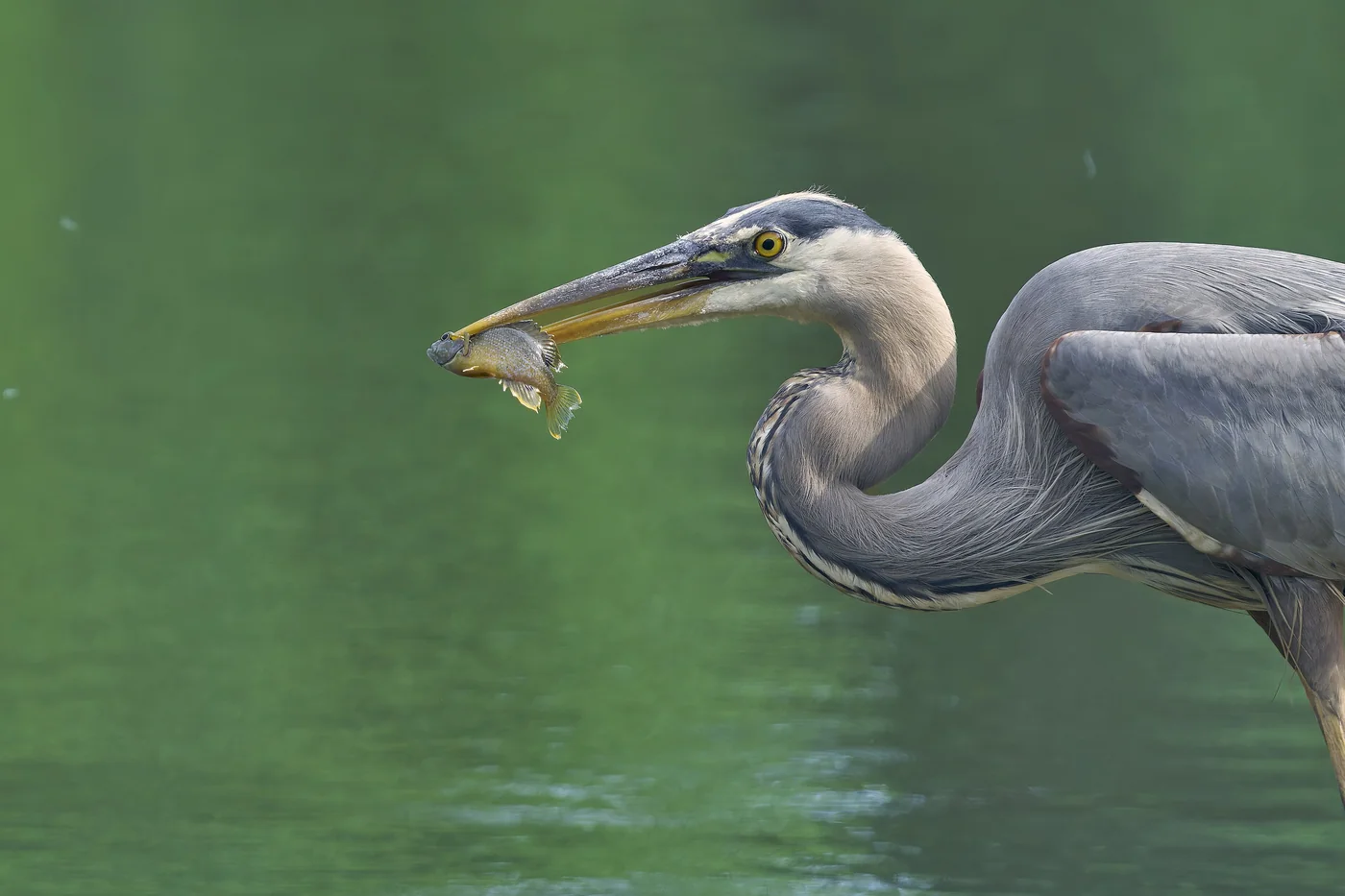
A visitor does not prove there is a nest in your yard. The ICWDM heron biology page says feeding sites can be miles from nests. Herons hunt for food mostly during the day or around dusk.
Leave protection in place when you go to work or travel. One expected visit time is not a safe schedule. The bird can change its route.
Herons Are Protected by Federal Law
Great Blue Heron, or Ardea herodias, appears in 50 CFR 10.13. That is the federal list of migratory birds protected by the Migratory Bird Treaty Act.
The law generally bars taking, capturing, killing, or possessing a protected bird without authorization. It also covers its parts, nest, and eggs. The USFWS Migratory Bird Treaty Act overview explains the federal framework.
For a homeowner, the safe rule is simple. Deter the heron, but do not shoot, trap, poison, handle, or hurt it. Leave nests, eggs, chicks, and breeding colonies alone.
Protected does not mean threatened or endangered. State and local rules can add more limits. Federal bird protection for homeowners matters before any step beyond non-harmful deterrence.
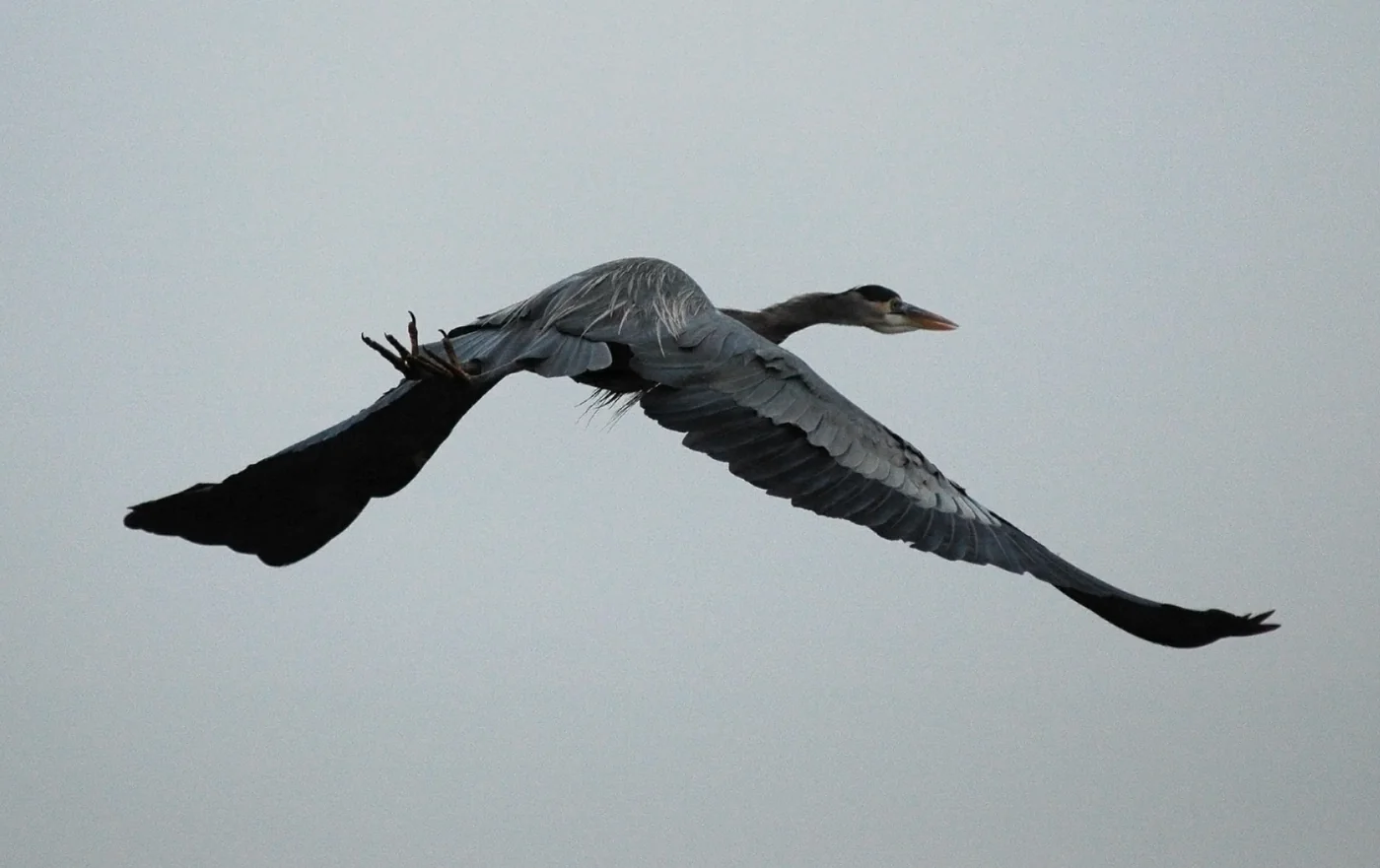
If a nest or colony is nearby, stop work and keep your distance. The Missouri Department of Conservation warns that disturbance can cause fatal accidents among birds and chicks startled into flight. Contact your state wildlife agency or USFWS for help.
When to Call a Wildlife Professional
Call your state wildlife agency or a qualified wildlife professional when the problem is not a simple pond visit.
Get help if:
- a nest or breeding colony is nearby;
- a heron is injured, trapped, or tangled in a barrier;
- the pond is too large or awkward to enclose safely;
- fish losses continue after proper exclusion;
- installation would cross electrical lines or public paths;
- you cannot identify the bird or confirm which rules apply.
Never try to free an entangled heron with bare hands. Move people and pets back, then call a wildlife rehabilitator or agency. A large frightened bird can injure itself and you.
For most backyard ponds, learning how to get rid of herons comes down to three steps. Cover the fish, add safe refuge, and make the approach harder. A motion sprinkler can support those changes.
That is a broader humane bird control plan in miniature. Remove the reward, block access, and use scares only as support.
This article provides general U.S. information, not legal advice. Federal, state, local, and species-specific rules can differ.
Images: Great Blue Heron wading by Brandon Moore, CC BY-SA 4.0. Koi in a garden pond by W.carter, CC BY-SA 4.0. Netting over a fishing pond by Dave Spicer, CC BY-SA 2.0. Lawn sprinklers by Ildar Sagdejev, CC BY-SA 3.0. Great Blue Heron with fish by Paul Danese, CC BY-SA 4.0. Great Blue Heron in flight by U.S. Fish and Wildlife Service, public domain. Via Wikimedia Commons.


.jpg)
Free: The 5-Step Bird-Proofing Checklist
Work through the right steps in the right order, before spending money on the wrong deterrents. Printable PDF, straight to your inbox.
No spam. Unsubscribe any time.