In this guide9 sections
- 1. Start With the Exact Place Birds Are Landing
- 2. Use Physical Exclusion for a Repeat Landing Spot
- 3. Use Temporary Deterrents Only as a Rotating Layer
- 4. Remove the Reasons Birds Revisit
- 5. Protect Covers, Rigging, and People on Deck
- 6. If Birds Are Nesting on the Boat
- 7. Clean Droppings Without Sending Residue Overboard
- 8. A Simple Before-You-Leave Checklist
- 9. Frequently Asked Questions
Quick Answer
Keep birds off a boat by blocking their favorite landing points and removing the food, water, and nesting material that reward them. Use boat-safe physical barriers first, rotate temporary visual deterrents, and pause if you find an active nest.
In this article, you'll learn how to keep birds off your boat without creating a deck hazard. We'll cover access-point checks, boat-safe barriers, and nesting limits.
Start With the Exact Place Birds Are Landing
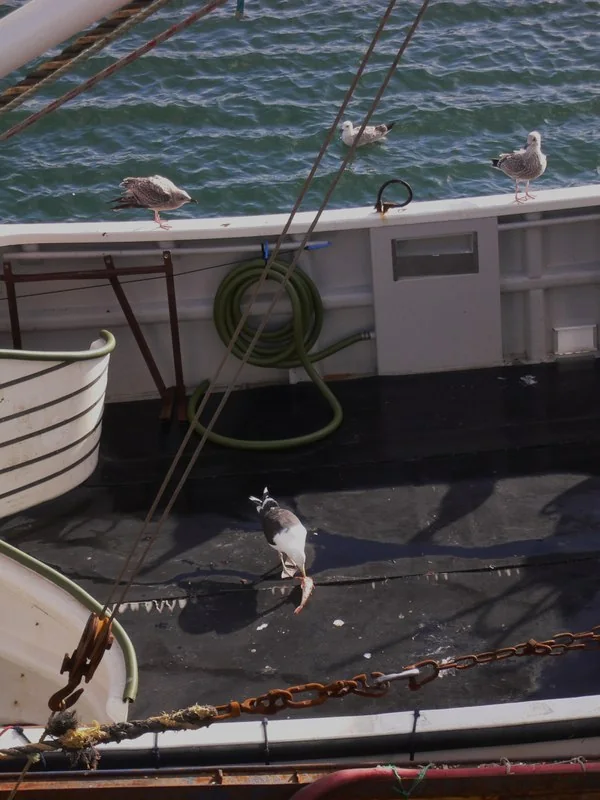
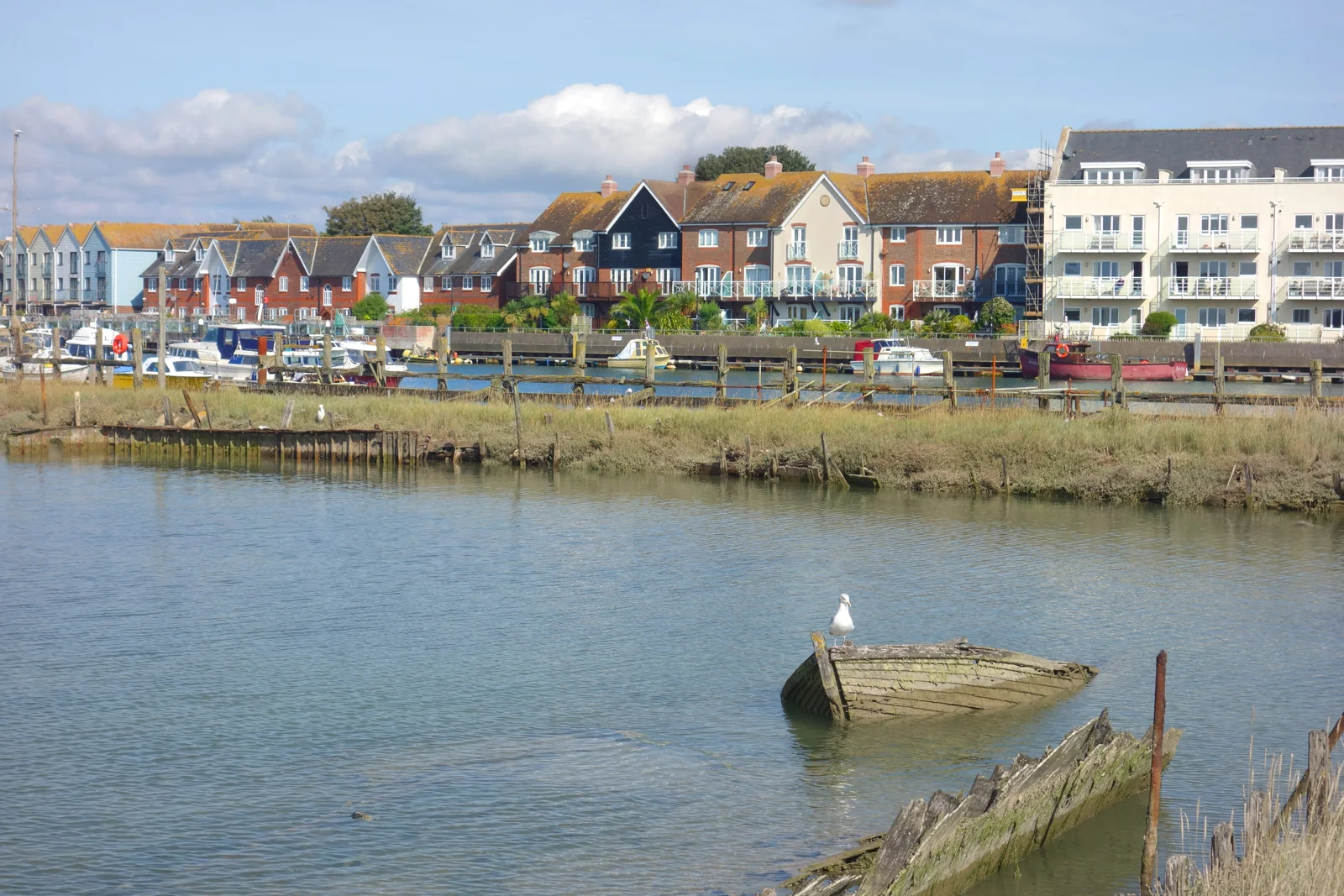
Keeping birds off a boat starts with watching before you buy anything. Walk the boat and note exactly where birds are perching, not just that they are a nuisance. A gull working the bow rail is a different problem than one roosting on the bimini top. It is different again from one leaving droppings on a canvas cover or walking a dock line onto the swim platform. Spreaders and rigging bring their own issue. Anything attached up there has to survive wind and sail handling.
The spot tells you the fix. A flat, open surface like a cabin top or dock box calls for a different approach than a thin rail or a line. A cover you take on and off every trip rules out anything permanent. Spend a few minutes watching before you commit to a solution, especially if more than one bird is involved and they’re using more than one perch.
Use Physical Exclusion for a Repeat Landing Spot
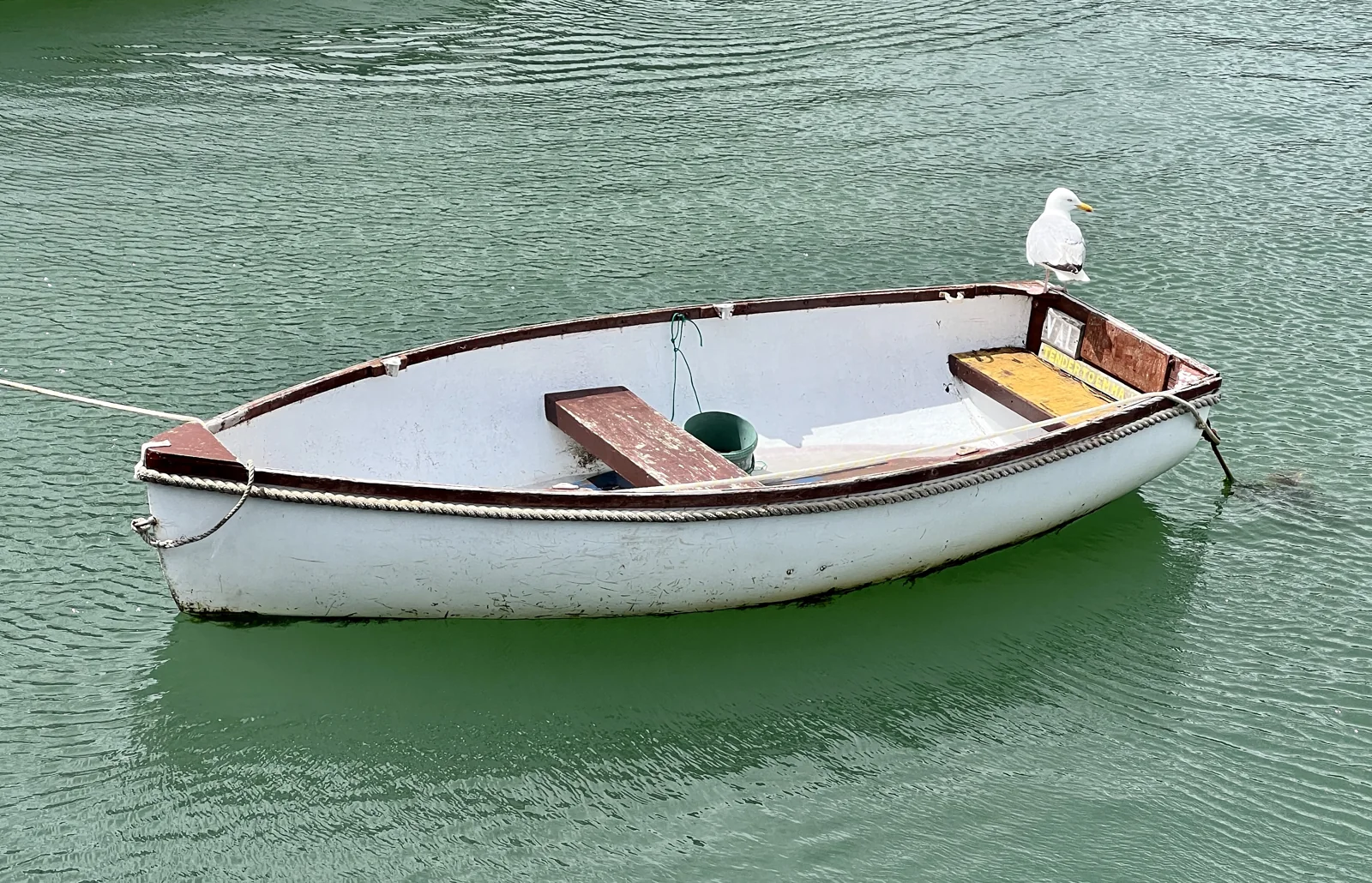
Once you know exactly where a bird keeps landing, consider a secured barrier at that spot before relying on a scare device. Wildlife-damage researchers treat exclusion and frightening as separate categories of bird management (Bird Dispersal Techniques, USDA APHIS). On a repeat landing point, a boat-appropriate barrier is often the more practical choice because it blocks access rather than relying only on a temporary cue.
That doesn’t mean any spike strip or netting product is right for your boat. There’s no single mesh size, spacing, or fastening method that fits every rail, cover, and hull. The wrong hardware can chafe rigging, trap water against a finish, or turn into a trip hazard on deck.
Favor removable, non-penetrating mounts over anything drilled or glued. Match the product to the actual surface, and confirm with your boat or cover manufacturer before you attach hardware to gelcoat, canvas, or standing rigging.
Before you fit any barrier, check that spot for a nest. If it holds eggs or chicks, leave it alone and wait until the nest is empty, as covered in the nesting section below. Keep any netting taut and fully secured so birds cannot get tangled in it.
Use Temporary Deterrents Only as a Rotating Layer
For the spots you cannot physically block, a visual or sound deterrent still has a place. Treat it as temporary from the start. Birds can get used to a stationary cue after it proves harmless. Researchers who study dispersal techniques recommend combining or varying methods so birds do not fully habituate to one of them (Bird Dispersal Techniques, USDA APHIS). A reflective streamer or decoy left in the same spot all season can become part of the boat’s background.
Vary or relocate a temporary deterrent when your observations show that birds are ignoring it. There is no fixed schedule that suits every boat. Watch what the birds actually do instead of assuming a device is working just because it is mounted.
Remove the Reasons Birds Revisit
Before leaving the berth, make a quick pass for the things that turn a boat into an easy stop. Stow food and bait rather than leaving a cooler or bait bucket open on deck. Empty or cover drink containers, and dump out standing water where practical, including the low spots in a cockpit sole, a dinghy, or a sagging cover where rain or spray tends to collect. Close up trash, and do not leave loose fabric, paper, rope ends, or other material that could be carried away for a nest.
This will not solve every landing problem. A rail, cover, or quiet perch may still need a safe barrier or temporary deterrent. Removing these easy rewards means a decoy isn’t competing with an exposed meal or a ready-made nest site.
Protect Covers, Rigging, and People on Deck
Safety on deck comes before any deterrent. A deterrent that snags a dock line, traps a foot boarding at night, or adds chafe against a halyard isn’t worth the birds it keeps off. Walk through boarding, line handling, and moving around the deck in the dark before you decide a barrier or device stays in place.
Covers and canvas need the same caution. A bird deterrent attached to a bimini or cockpit cover can hold moisture against the fabric or stress a seam. It may also conflict with the manufacturer’s care instructions if it isn’t rated for that material. Check compatibility with your cover manufacturer and your marina’s rules before you attach anything, since a fix that damages the boat or breaks a marina policy isn’t a fix.
Do not improvise work on rigging or fittings you cannot safely reach and inspect. Get qualified marine-rigging or boat-service help when access, attachment, or later inspection would be unsafe. If birds keep using the boat after careful, safe changes, local professional advice can help you reassess the access point without creating a new deck or line-handling hazard.
If Birds Are Nesting on the Boat
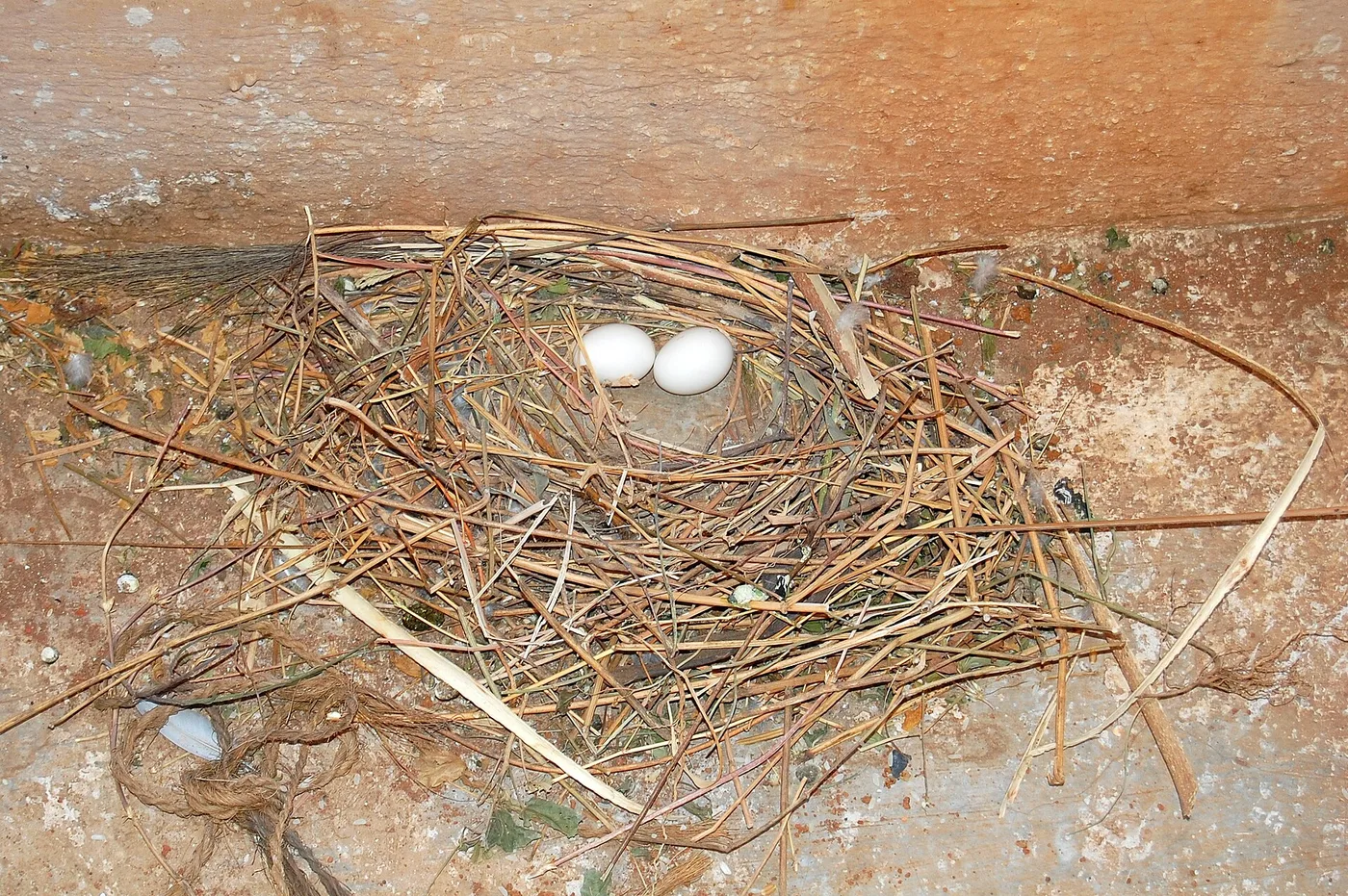
If you find a nest with eggs or chicks anywhere on the boat, stop. It’s illegal to destroy a nest that holds eggs or chicks, or young that still depend on it (Bird Nests, U.S. Fish and Wildlife Service). That protection applies whether the nest is tucked into a fender locker, a folded sail cover, or under a dodger, and it doesn’t matter how inconvenient the timing is.
Leave the nest where it is, keep noise and disturbance around it to a minimum, and contact your state wildlife agency or the U.S. Fish and Wildlife Service if you need guidance on timing or relocation. This is also the point where any exclusion work at that specific spot has to wait until the nest is empty. For the fuller legal picture on what counts as protected and what doesn’t, see are birds protected by law. If you’re trying to keep the same spot from attracting a nest again once it’s clear, how to stop birds from nesting covers that separately.
Clean Droppings Without Sending Residue Overboard
Droppings and cleaning runoff shouldn’t go straight into the water. The BoatUS Foundation warns that soaps and cleaners running into the water harm waterways and advises using cleaners in an area that doesn’t drain directly to the water. Follow your marina’s disposal rules rather than hosing it over the side.
In practice, that means scraping or wiping up dried droppings into a bag or bucket before you rinse. Catch rinse water with a containment mat or bucket, and use any cleaner in an area that doesn’t drain directly to the water rather than letting wash water run off the hull. Check that whatever cleaner you use is actually rated for your gelcoat, paint, canvas, or metal fittings first. No cleaner is safe for every marine surface.
A Simple Before-You-Leave Checklist
Run through this before you head home so the boat isn’t an open invitation while you’re gone:
- Cover or stow anything that leaves food, water, or bait exposed on deck.
- Check the spots birds have used before, and confirm any barrier or deterrent is still secured and hasn’t shifted with the boat’s motion.
- Check whether birds are ignoring any visual or sound deterrent, and move or vary it if they are.
- Scan covers, lockers, and rigging for a new nest before you close anything up, and back off immediately if you find eggs or chicks.
- Bag dried droppings and residue instead of rinsing them into the water, and confirm your marina’s disposal rules if you’re not sure.
None of this is a one-time fix. Repeat this check each visit and adjust what isn’t working.
Images: Gull finds snack in boat by Colin Park, CC BY-SA 2.0. Gull on an Old Boat by Gordon Hatton, CC BY-SA 2.0. Boat and gull by Tim Green, CC BY 2.0. Via Wikimedia Commons. All three photos were resized and converted to WebP from the originals. No other edits were made.
Frequently Asked Questions
What's the most effective way to keep birds off a boat?
Find the exact spot birds keep using, then block that one spot with a secured physical barrier instead of relying on a scare device alone. Exclusion and frightening are different tools, and a secured barrier blocks access, while noise or motion relies on a cue birds can learn to ignore. Layer in a rotating visual or sound deterrent for spots you can't physically block.
Will fake owls or reflective tape keep birds off my boat for good?
Not by themselves. Wildlife researchers who study bird dispersal note that birds can habituate to a single cue once it proves harmless. Varying or combining temporary deterrents can help keep one cue from becoming background scenery, but none of it is permanent. Remove easy rewards as well, such as exposed food, bait, drink containers, trash, standing water, and loose nesting material.
Do bird spikes or netting damage a boat's finish?
They can, depending on the material and how they're attached, so don't assume any product is safe for every gelcoat, paint, canvas cover, or metal fitting. Check with your boat or cover manufacturer and your marina before attaching anything, and favor removable, non-penetrating mounts over adhesives or fasteners you're not sure about.
What should I do if I find a bird nest on my boat?
Stop working around it. Under the Migratory Bird Treaty Act, it's illegal to destroy a nest that holds eggs, chicks, or young that still depend on it. Leave the nest alone, keep the area calm, and contact your state wildlife agency or the U.S. Fish and Wildlife Service if you need the birds moved or the nesting season timeline for your area.
Is it okay to hose bird droppings off my boat into the water?
No. The BoatUS Foundation advises keeping cleaning residue and pollutants out of the water, so droppings and any cleaner you use should be contained and disposed of according to your marina's rules rather than rinsed straight over the side. Check that any cleaner is compatible with your specific gelcoat, paint, or canvas before you use it, since no cleaner is safe for every surface.
Free printable PDF
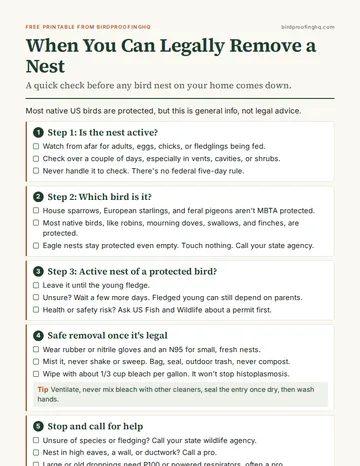
When You Can Legally Remove a Nest
A one-sheet check for active versus empty nests, which birds are protected, and what to do while you wait.
Free download right after you sign up. No spam. Unsubscribe any time.