How to Get Rid of Peacocks Humanely
Contents[hide]
- 1. Why Do Peacocks Keep Coming Back to My Yard?
- 2. How Do I Keep Peacocks Out of the Vegetable Garden?
- 3. Which Peacock Control Step Should I Try First?
- 4. How Do I Keep Peacocks Off My Roof?
- 5. Do Fake Owls or Dogs Repel Peacocks?
- 6. Is It Legal to Get Rid of Peacocks?
- 7. When Should I Call Animal Control?
To get rid of peacocks, remove every easy food source, cover tender plants, and place a motion-activated sprinkler on their usual path. Block favorite roof or porch roosts only when no nest or chick is present. Ordinary fences are not enough because peafowl can fly onto roofs and trees.
In this article, you'll learn how to get rid of peacocks humanely. We'll cover garden protection, roof deterrents, and animal control.
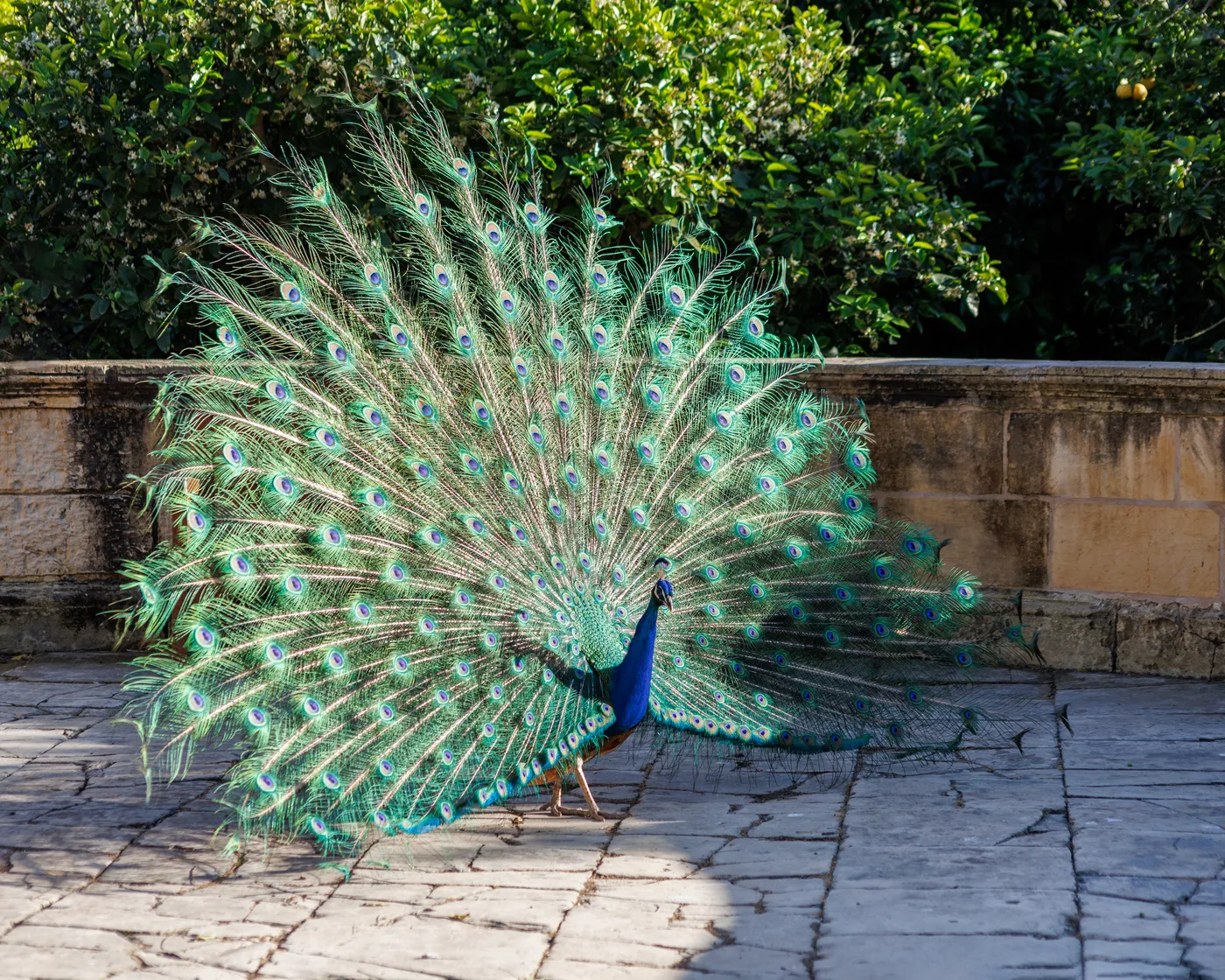
Why Do Peacocks Keep Coming Back to My Yard?
A yard gives peafowl three things: food, water, and a safe place to rest. Remove those rewards before buying a scare device.
First, bring pet food indoors and clean up spilled birdseed or fallen fruit. Then cover compost and trash, and fix standing water near hoses or planters. Ask neighbors not to feed the flock, since one feeding spot can keep the birds moving through the whole block.
The University of Michigan’s Animal Diversity Web describes Indian peafowl as adaptable birds that eat plant material and small animals. It also notes that they use trees for shelter and roosting. That mix explains why a watered suburban yard can become a regular stop.
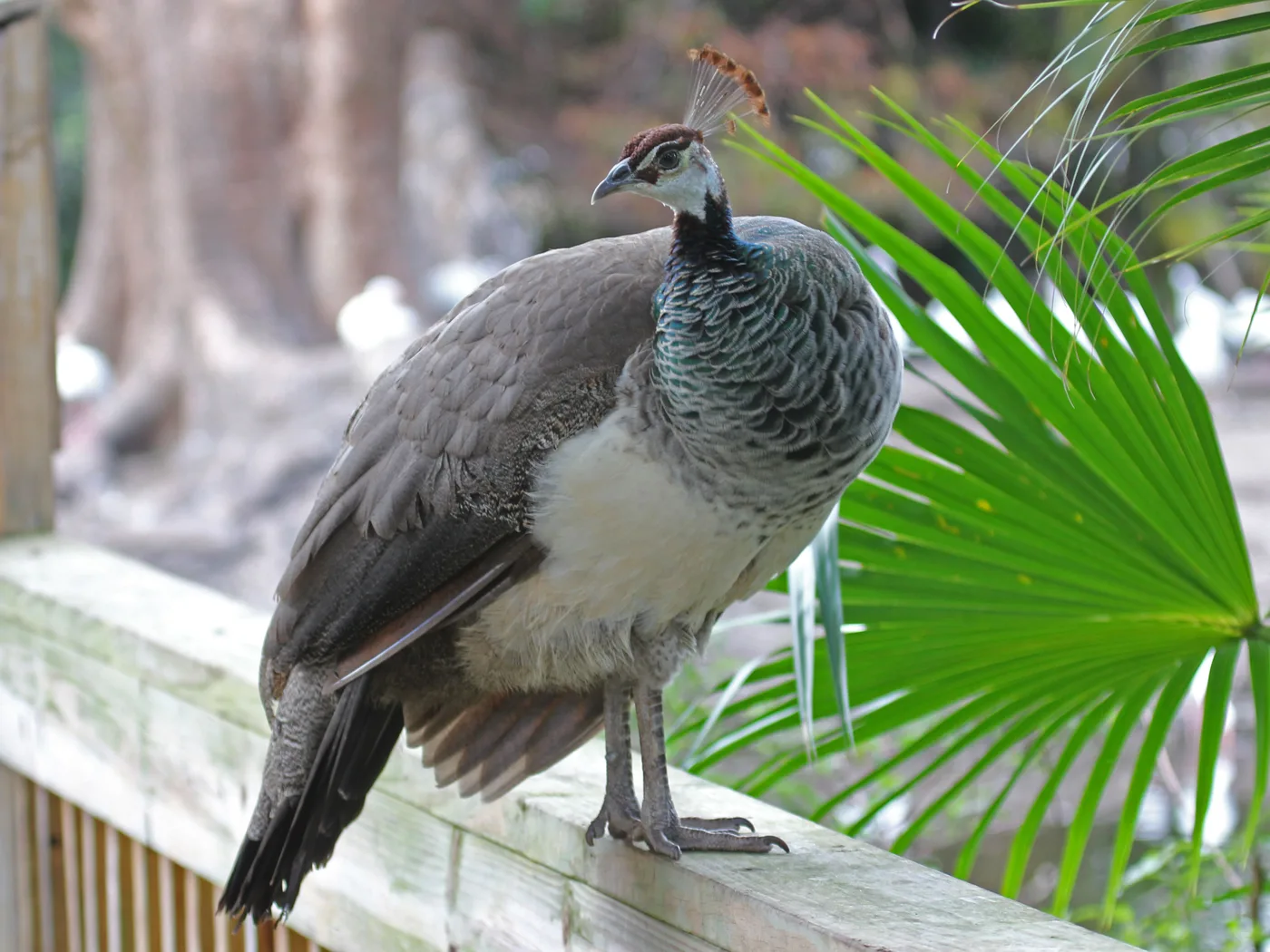
A male is a peacock, a female is a peahen, and the group is called peafowl. Learn to spot the brown peahen too. She may be nesting nearby even when the louder male is the obvious problem.
How Do I Keep Peacocks Out of the Vegetable Garden?
Peacocks may eat tomatoes, flowers, tender leaves, and fallen fruit. Start with a motion-sensor sprinkler, also called a motion-activated sprinkler, aimed across the birds’ usual walking route. Connect it to a garden hose and test the coverage from both sides of the bed.
The burst of water does not injure them, but it makes the area less comfortable. Move the unit if they begin entering from another side.
Protect vegetable plants and other tender crops with lightweight garden row cover or taut bird netting. Keep the mesh high enough that leaves do not press against it. A bird can still peck anything touching the cover. Check the sides so a bird cannot walk underneath or become tangled.
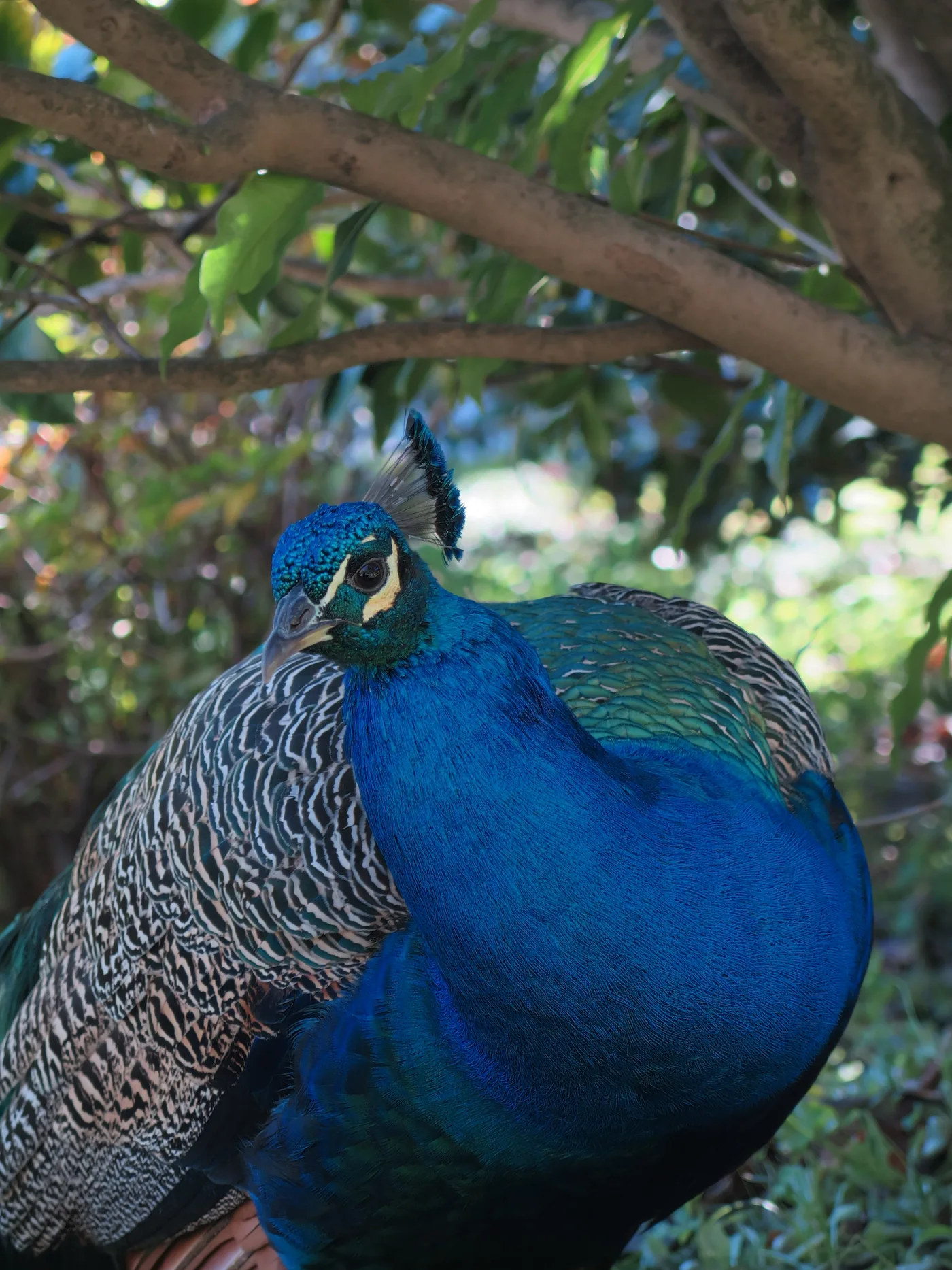
For more plant-specific options, protect beds the same way you would keep other birds out of the garden. The same methods work around roses and small produce beds. Skip poisons, sticky substances, and loose mesh. They can hurt wildlife without giving dependable control.
Which Peacock Control Step Should I Try First?
Use a simple order instead of setting every deterrent at once. First remove food sources and water. Then protect the plants being eaten and set a sprinkler on the main travel route. Once those rewards are gone, block an empty resting place on the roof or porch.
This process helps you find what worked. It also gives nearby residents a peacock control plan they can follow together. Control often fails when one property removes food while another continues feeding the same flock.
How Do I Keep Peacocks Off My Roof?
Peafowl can fly onto low roofs, walls, and trees. That is why a normal fence rarely fixes a roof problem. Watch where they land and where they spend the night before installing anything.
Use a physical barrier on the exact roosting spot. For a narrow ledge, tensioned wire means thin wire held taut above the landing surface. Properly installed netting can close an open porch or covered structure. The right barrier for keeping birds off a roof depends on the surface and access.
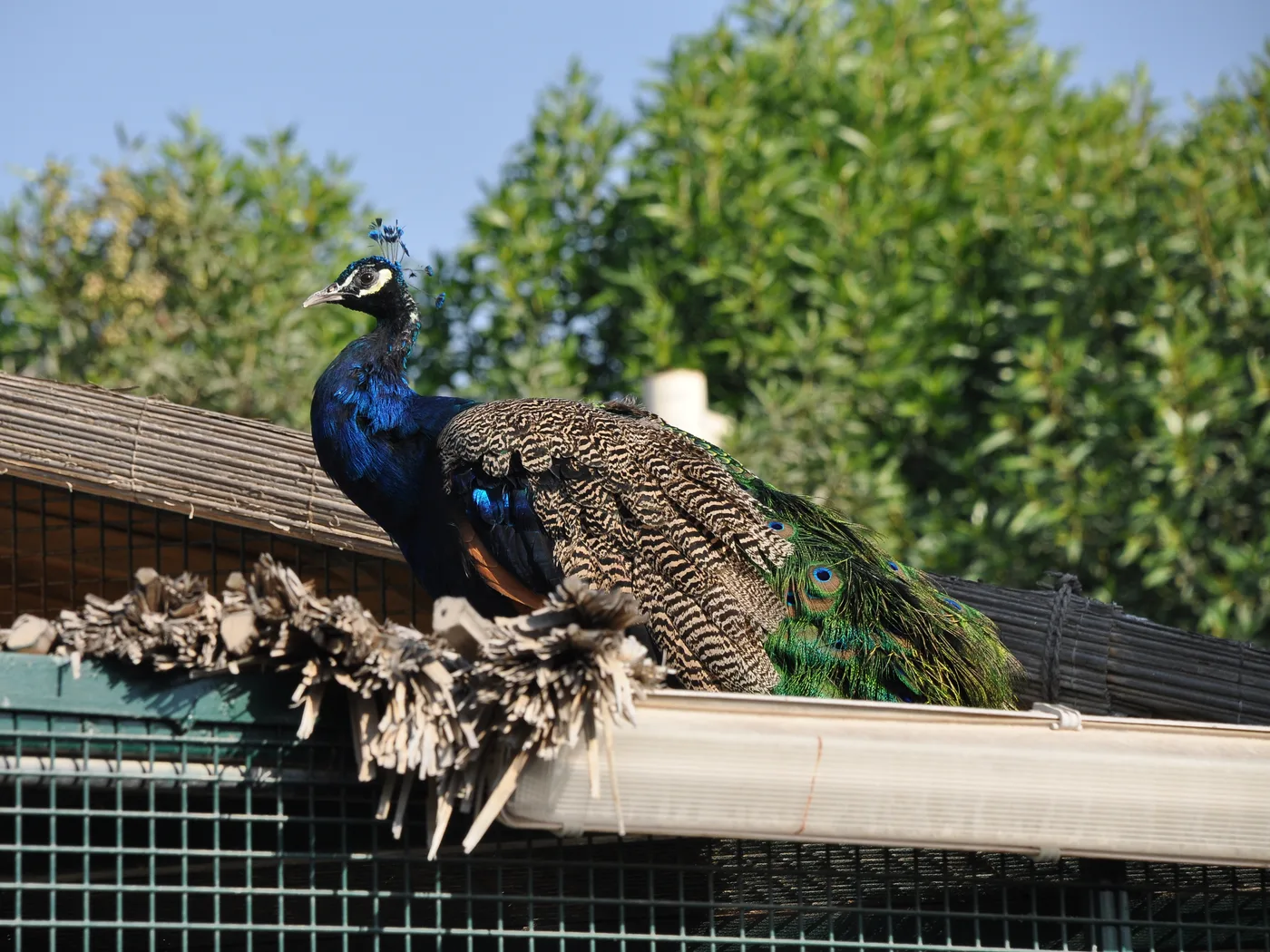
Never seal a space until you know it is empty. If birds are using a tree, do not cut an occupied branch or disturb a nest. Ask a wildlife professional how to seal off an empty roost if it creates damage or a safety problem.
Do Fake Owls or Dogs Repel Peacocks?
A fake owl or reflective object may interrupt a routine, but peafowl can learn that a fixed object is harmless. Move visual scares often and use them only as backup for sprinklers or barriers. The best bird deterrent for the problem spot depends on where the birds feed or rest.
Some males peck or display at their reflection in windows, shiny doors, and parked cars. Temporarily cover the reflective surface or block the bird’s view until the habit breaks. More noise rarely solves loud calling.
Do not send a dog to chase the birds. A chase can injure a bird, pet, or chick and may create a neighborhood conflict. Likewise, do not trap or relocate peafowl without approval. The birds may belong to someone, and relocation rules vary.
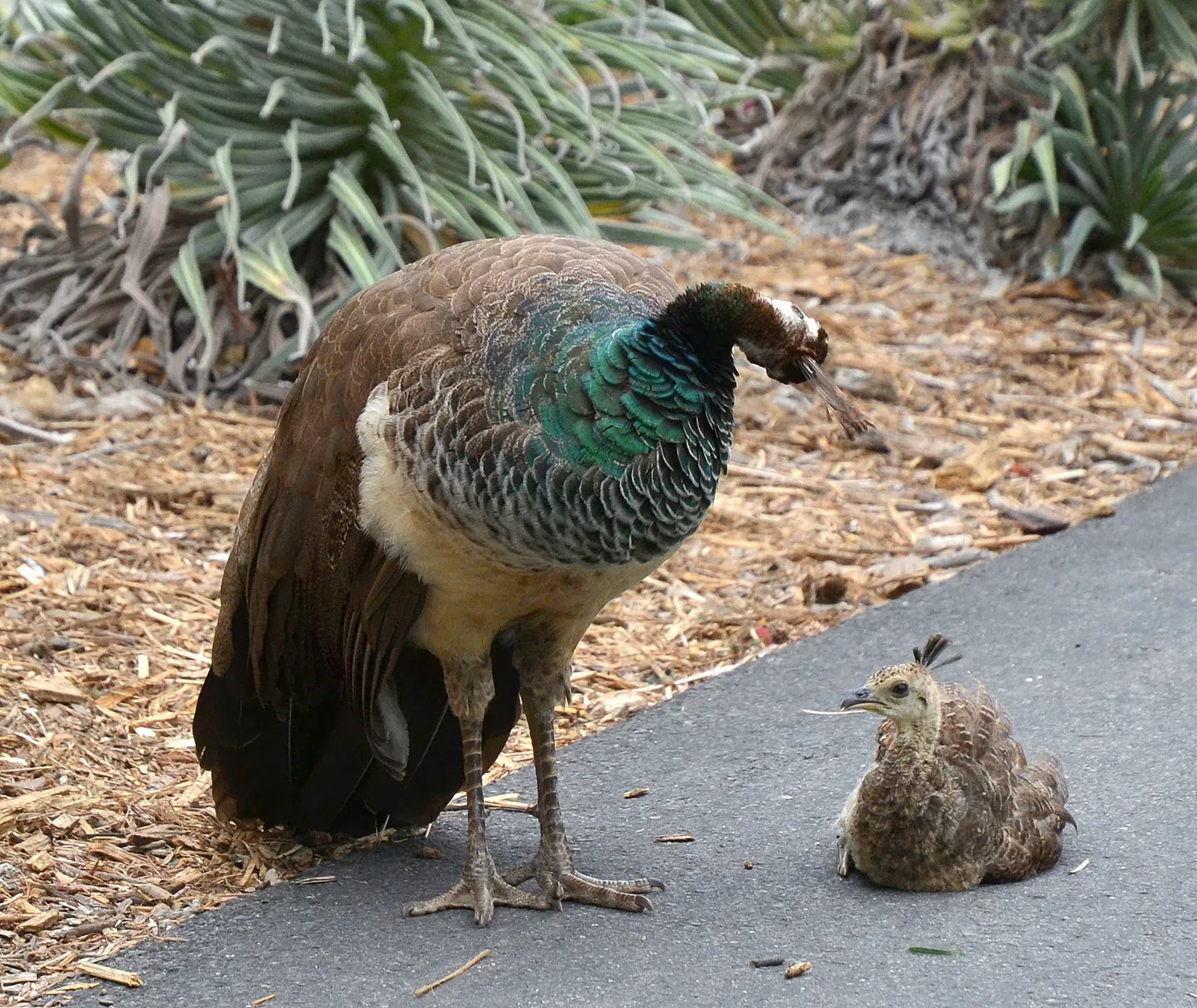
Chicks change the job. Keep pets away, pause any barrier work around the family, and contact local animal control for guidance.
Is It Legal to Get Rid of Peacocks?
Indian peafowl are introduced in the United States and are generally not included under the federal Migratory Bird Treaty Act. That does not create a universal right to capture, move, or harm them.
A city may protect a local flock, restrict feeding, or treat roaming birds as owned animals. It may also require an approved removal service. State cruelty laws still apply. Call animal control before any capture or relocation, especially when a nest or chick is present.
When Should I Call Animal Control?
Use animal control or an approved wildlife professional for humane peacock removal when a bird is injured, trapped, aggressive near a doorway, or creating a traffic hazard. Get local guidance if the flock may be owned or chicks are present. Do the same when a barrier would affect a nest.
For routine visits, give plant protection and a motion sprinkler time to change the pattern. Track where the birds feed and rest. If they keep returning, a humane wildlife professional can inspect the property and plan how to seal problem spots safely.
Images: Indian peafowl displaying by Godwin Borg, CC BY-SA 4.0; Common peafowl female by DickDaniels, CC BY-SA 3.0; Peafowl hen and chick by Tracie Hall, CC BY-SA 4.0; Peacock at Crystal Palace Gardens by Marcelpb 12, CC BY 4.0; Male peafowl on an enclosure roof by shankar s., CC BY 2.0. Via Wikimedia Commons.


_on_the_roof_of_his_enclosure_(16258004817).jpg)
Free: The 5-Step Bird-Proofing Checklist
Work through the right steps in the right order, before spending money on the wrong deterrents. Printable PDF, straight to your inbox.
No spam. Unsubscribe any time.